






































NEFCISA
NEFCISA

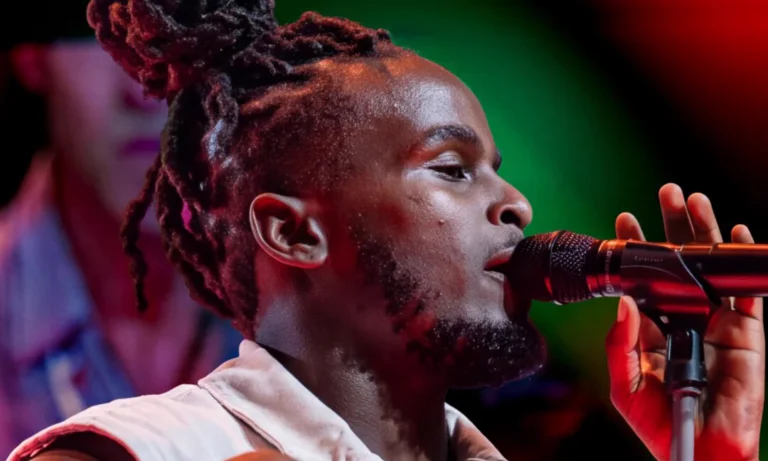
The Music In Africa Foundation (MIAF) is proud of its partnership with the Industrial Development Corporation (IDC) as a Strategic Implementing Partner (SIP) for its Social Employment Fund (SEF). Through this collaboration, MIAF is running a national programme that is creating jobs, addressing skills gaps, and strengthening South Africa's creative industries — in line with the SEF's overarching goal to generate work for the common good and build community value through employment, social contribution, and inclusive economic participation. Operating under the banner NEFCISA (National Employment Facility for Creative Industries in South Africa), the initiative is recruiting and training participants, matching them with host organisations, and has already placed 1 500 workers across the country — surpassing its original target of 1 000. NEFCISA is delivered through a network of 20 host organisations spanning five provinces, who are actively hosting participants and contributing to work for the common good across South Africa's creative and cultural industries. Key Objectives: Support employment and entrepreneurship in the creative industries. Offer skills development and training programmes. Foster partnerships between public and private creative sectors. Promote South African creativity at both provincial and national levels Foster community development through social contribution.

ACCES
ACCES

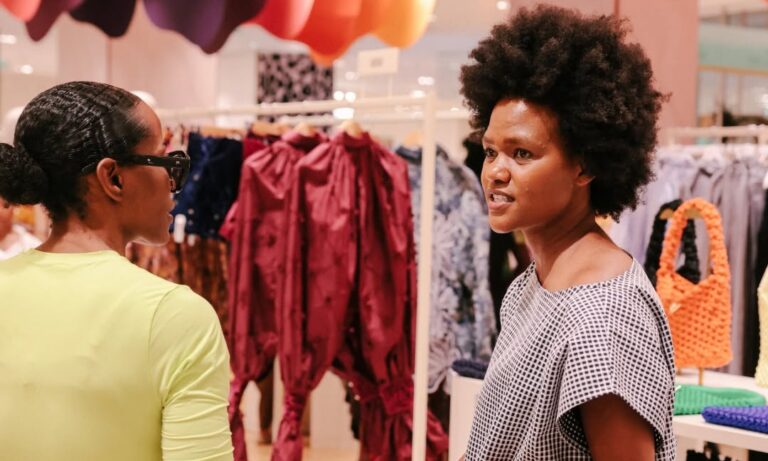
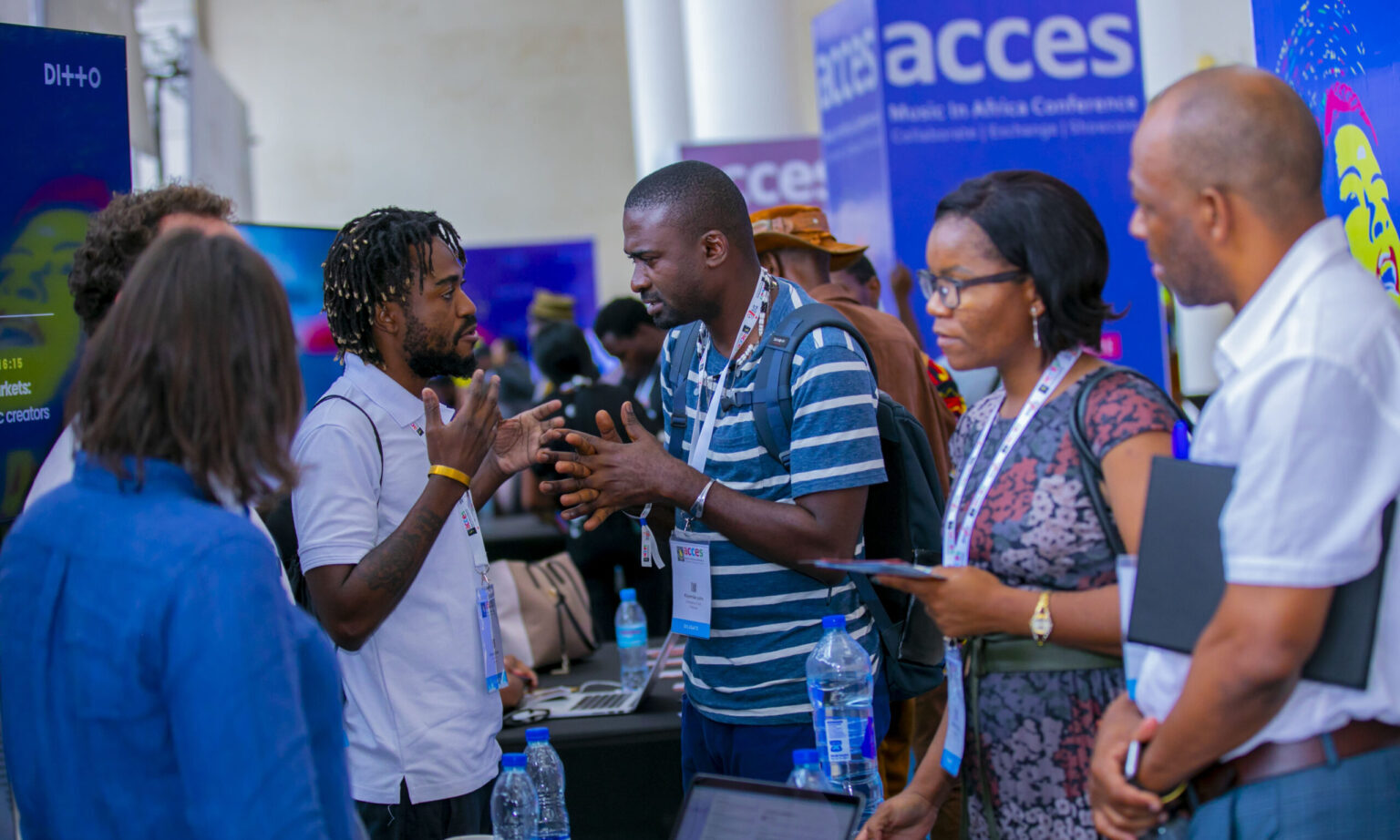
ACCES Conference and Showcase Festival is Africa's leading music industry gathering, bringing together the people shaping the future of the continent's music business. Artists, entrepreneurs, executives, investors, policymakers and cultural leaders from across Africa and around the world come to ACCES to build partnerships, exchange ideas, discover talent and create new business opportunities. Since its launch in 2017, ACCES has become the continent's premier platform for professional exchange and music market development. Combining a high-level conference with a curated showcase festival, networking, exhibitions and industry programmes, ACCES offers a unique space where creativity meets business and where African music connects with the global industry.

Gender@Work
Gender@Work

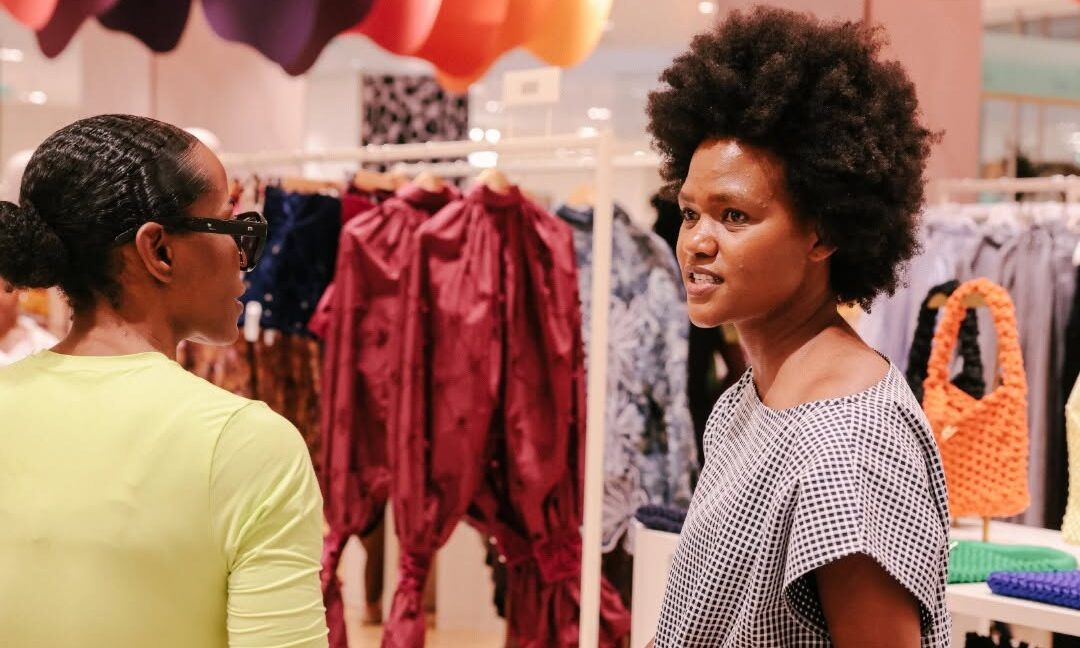
Music In Africa Gender @ Work is a three-year training programme aimed at upskilling and increasing the participation of female professionals in the African music sector. Launched by the Music In Africa Foundation (MIAF) in April 2019, the programme is connected to the MIAF’s ACCES music conference – a pan-African event held in a different African country every year. This connection enables the programme to reach new participants in a different African country every year. The programme marks the beginning of a more concerted effort by the Foundation to support the participation and inclusion of women in all facets of its programmes and the music sector in Africa as a whole. Over the three years, the programme will aim to address gender imbalances in the sector through training, lobbying, facilitating knowledge exchange and dialogues that foster the interest of women. The broader objectives of the programme are to: Provide industry training for women on critical music industry skills, focusing on: Stage management Electronic music production and recording Music business management Technical knowledge Provide an opportunity for both professional and aspiring women to benefit from the Music In Africa network and its broad range of activities in 2019, 2020 and 2021. Provide a solution-based platform in the form of a round table at ACCES with a view to identify challenges, discuss opportunities and lobby for the interests of female practitioners. Offer participants the opportunity to benefit from programmes offered by MIAF’s partners. Increase access to educational materials. Integrate participants in the broader ACCES programme to maximise experience and exposure to the industry. Record and present training materials on the www.musicinafrica.net, including but not limited to tutorials, templates and other best-practice materials. Communicate women-based themes that support the initiatives and messages of the programme. MAIN TRAINING ACTIVITIES Training in first country (Ghana): In the first year, participants will be trained on all aspects of stage management by a team of experienced stage managers from 10 to 17 November 2019. The programme will offer robust classroom training as well as practical, hands-on training in which participants will also be given the opportunity to manage various aspects of the ACCES performance programme. Training in second country: The second training iteration will take place at ACCES 2020 when the programme will diversify its course to include music production lessons and training on other music business topics. A round-table platform will also be introduced to coincide with the ACCES programme. Training in third country: The third training iteration will take place at ACCES 2021 in a different country, offering an advanced course. HOW DO YOU GET INVOLVED?  As a participant, facilitator or trainer: The programme enrolls up to 12 trainees every year. All opportunities are advertised publicly on this website, and will be added to this page. Please keep checking this page for new calls (below under UPDATES & CURRENT OPPORTUNITIES). As a partner Please contact Claire Metais at [email protected]. APPLY The call for applications for 2020 will be announced soon. The Music In Africa Gender @ Work programme is made possible with the support of the Prince Claus Fund, Siemens Stiftung and Goethe-Institut.

Sound Connects Fund
Sound Connects Fund

For cultural and creative practitioners and organisations operating in southern Africa, access to funding remains a major challenge. The COVID-19 pandemic has also had a massive impact on government policy, spending and the economy in general, and has seen spending on culture being moved further down the list of priorities. Further, the cultural and creative industries repeatedly cite four main areas where investment is needed for growth, which are increased visibility, mobility including access to new markets, finance and support structures.

Instrument Building And Repair Project

Experience the Vibrations African Instruments Exhibition online in 3D

Features

Wenham Chechamba: Malawi’s living musical history

14 Mar 2016 - 09:42

cc-img flag-img

Musical traditions are strong in the rolling hills of Southern Malawi. Elaborate ritual dancing and singing are common, while vestiges remain of an earlier era.
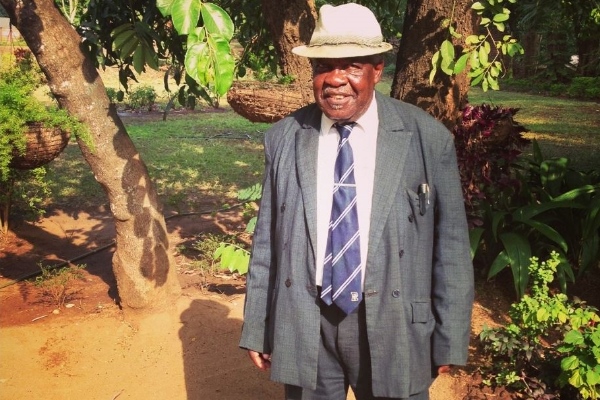
Malawian musician and educator Wenham Chechamba. Photo: Ilan Moss.

One of these vestiges is Wenham Chechamba, a musician from Blantyre, southern Malawi’s biggest city and the country’s commercial capital. Still going strong at 80 years old, Chechamba is a multi-instrumentalist, composer, sought-after music teacher and somewhat of a beloved national treasure. He began playing music professionally 60 years ago – first in the army under British colonial rule and then as a full-time musician and teacher.

In many ways, Chechamba is a piece of living musical history. He is a link to the colonial and regional influences that make up Malawian music and a bridge between modern urban sounds and rural traditions. His playing and style harks back to a bygone era, when Malawians began exploring their own music in the wake of colonialism.

“When I started playing music, we were playing songs for white people since Europeans relied on Africans for music,” says Chechamba. “When Malawi became independent [in 1964], people began to demand their own music.”

Chechamba is proficient in American jazz (he does a mean Louis Armstrong impression), he also plays traditional Malawian music, singing in Chichewa, the national language. He is a master of guitar and piano, but it is one instrument in particular that brought me to him: the 5-string banjo.

Yes, banjo. Definitely not the first instrument one would think to find in the mountains of Southern Africa. But as Chechamba explains below, the banjo is very much Malawian.

How did a West African instrument, originally used by 17th century slaves in the New World make it "back" to Southern Africa? Chechamba explains it all in this video and plays a few Chichewa tunes using a two-finger picking style. Filmed at his music school/house in the Blantyre neighborhood of Chilomoni.

The banjo’s role in Malawian music is typical of the country’s porous musical borders. Early last century, Malawians working the mines of South Africa picked up the instrument from the Boers, whose pre-war dance bands often consisted of banjo, concertina and guitar. Returning workers brought these instruments back to Malawi and quickly integrated them into the country’s repertoire. By the 1950s, banjo-led bands were quite common in the South.

Unfortunately little commercial recordings remain of this sound, but Chechamba’s lilting and heavily syncopated banjo picking offers a glimpse into this past style. Homemade banjo players can still be found in rural areas of Southern Malawi, such as a musician from Zomba region.

Electric guitar dominates modern Malawian music. The bouncy guitar-led pop music heard throughout the country is similar to Congolese soukous. Chechamba plays a different, older style in this video, filmed again in the courtyard of his Chilomoni School.

Chechamba is also a gifted jazz pianist, and has played at hotels and resorts for years. In this video, he plays and sings a Malawian number. Filmed at the Blantyre Synod music school.

Chechamba teaches music on the grounds of the Blantyre Synod, site of the original Scottish Mission that founded the city in the 19th century. Chechamba also runs a music school at his home in Chilomoni. He teaches local children on a whole range of instruments, conveniently painted on the wall of his home's entrance.

I was introduced to Chechamba by Malawian journalist and editor Clifton Kawanga, who brought me to the Chilomoni School as the sun was setting. As a life-long admirer of the field recordings of Alan Lomax, I was clearly tickled pink to be recording an elderly banjo player in his moonlit courtyard, distant sounds of dogs barking and children singing. But this wasn’t in remote Appalachia, this was Malawi in the 21st century and the only light in the courtyard came from a small lamp… and Clifton’s smartphone, who live-tweeted the whole session. Clifton also wrote about the experience in the BNL Times, giving some more contexts on Chechamba’s role in Malawian music.

Chechamba has composed several orchestral pieces, combining European and Malawian influences. The problem – he hasn’t found an orchestra or the musicians to play his pieces. He has hope though. A local church recently acquired some instruments and Chechamba hopes to try out at least five of his compositions.

Here’s hoping the world will be able to hear these compositions soon.


* Originally published in January 2014 on ScrollKit.

Please log in to post a comment.

Most popular

Disclaimer: Music In Africa provides a platform for musicians and contributors to embed music and videos solely for promotional purposes. If any track or video embedded on this platform violates any copyrights please inform us immediately and we will take it down. Please read our Terms of Use for more.

newsletter banner

Subscribe to our monthly Newsletter

Follow us on social media