
















































Yugen Blakrok: The cosmic voice redefining African alternative hip hop

05 Jun 2026 - 11:01

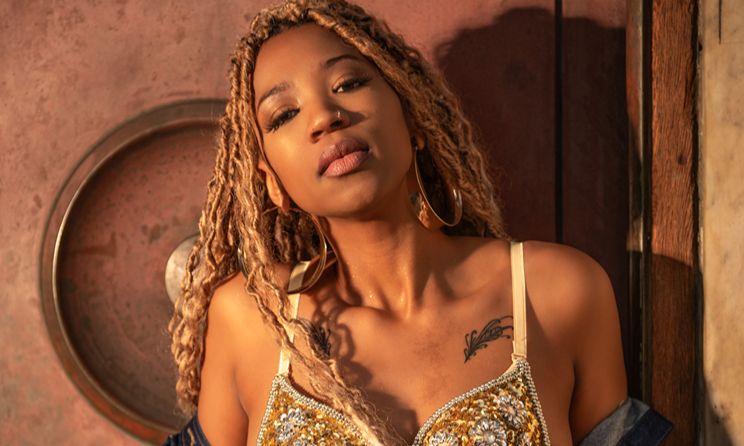
In the global imagination of hip hop, South Africa is often associated with commercially dominant sounds such as amapiano, kwaito, and mainstream rap scenes emerging from Johannesburg, Durban and Cape Town. Yet beneath this surface exists a quieter, more experimental tradition—one that treats rap as philosophy, mythology and sonic world-building. At the centre of this lineage is Yugen Blakrok.
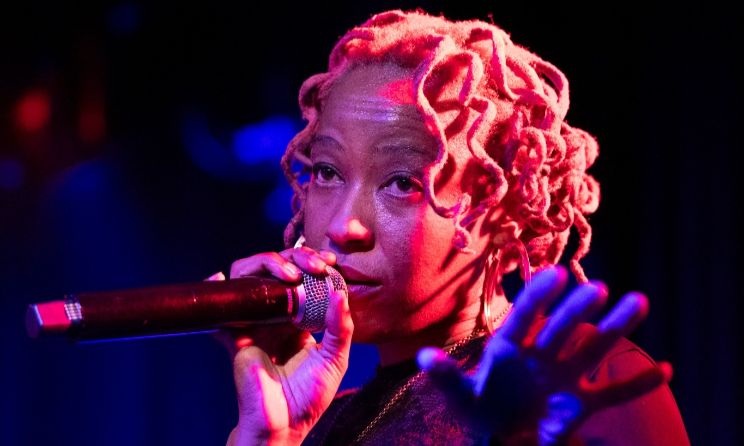
Her artistic identity is rooted in a long-standing underground culture that emerged in Johannesburg’s poetry and performance spaces. She first gained traction through her involvement with the Recess Poetry collective in the mid-2000s, a platform that brought together spoken-word artists and politically engaged musicians.
Reflecting on those early years, Blakrok has referenced her beginnings with the line: “I left home with a suitcase full of dreams,” first heard on Recess Poetry’s Screw the Chorus. The sentiment, often revisited in accounts of her journey, speaks to her relocation from the Eastern Cape to Johannesburg in pursuit of her artistic ambitions.
Born in Queenstown and later based in Katlehong on the East Rand, Blakrok’s development as an artist was shaped by Johannesburg’s alternative creative spaces, particularly Yeoville and Newtown. Unlike commercially driven rap circuits, these environments prioritised lyricism, experimentation and live performance, helping to shape her distinctive approach to hip hop.
Within this setting, her style quickly stood out. Her delivery is measured and deliberate, with dense imagery and layered references that draw on mythology, psychology and esoteric thought. Rather than following mainstream trends, she built a reputation for introspective and concept-driven work, positioning herself closer to a poetic or philosophical tradition than conventional rap performance.
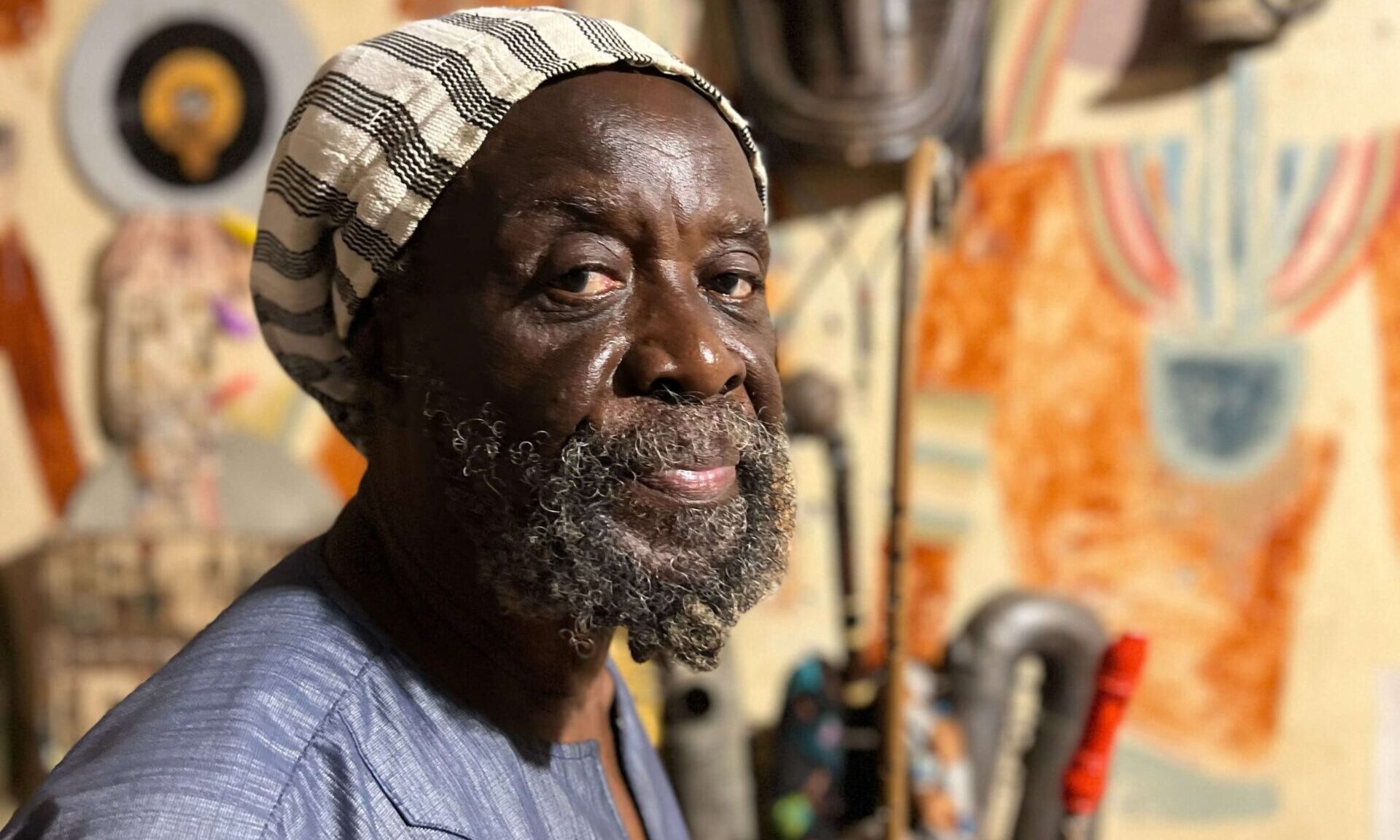
Her influences reflect this approach. They include the abstract lyricism of the Wu-Tang Clan, the mysticism of underground hip hop, the cosmology of Credo Mutwa, and the analytical frameworks of Carl Jung. These references inform a body of work that frequently engages with identity, consciousness and spiritual exploration.
A key turning point came through her collaboration with producer Kanif the Jhatmaster under the independent label Iapetus Records. Their work together established a sound that blended boom-bap foundations with atmospheric production, jazz textures and cinematic elements.
Her 2013 debut album, Return of the Astro Goth, marked a formal introduction to her artistic universe. The record rejected conventional song structures in favour of abstraction and narrative symbolism. Its title combined ideas of cosmic futurism and darker, introspective themes, encapsulating what would become her signature aesthetic. The album received critical attention in South Africa and earned nominations at the South African Hip Hop Awards in 2014.
Blakrok’s international profile expanded significantly through her contribution to the Black Panther soundtrack, executive produced by Kendrick Lamar. Her appearance on the track Opps, alongside Vince Staples, introduced her to a global audience and placed her within the wider Afrofuturist framing of the film.
Rather than functioning as a peripheral feature, her performance was widely noted for its tonal alignment with the project’s themes of resistance, futurism and cultural identity. It also positioned her as one of the few South African underground artists to gain mainstream international visibility without altering her core artistic approach.
Her second album, Anima Mysterium (2019), extended these ideas further, engaging with themes of consciousness, mortality, ancestry and the subconscious. The project deepened her use of psychological and metaphysical imagery, reinforcing her interest in inner and collective experience as central artistic material.
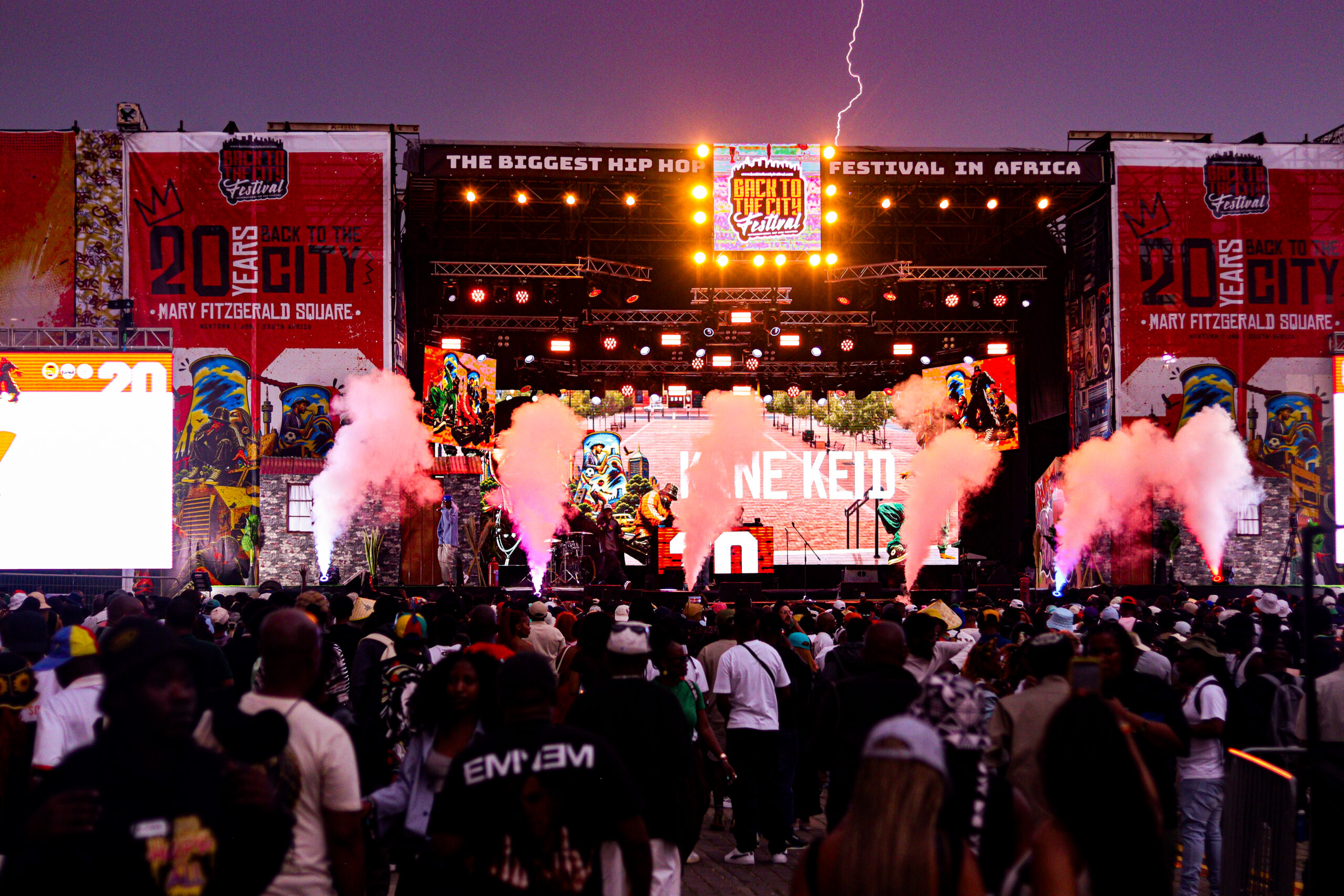
Blakrok has also remained closely connected to South Africa’s live underground scene. At performances, including appearances at Johannesburg events such as Baseline Festival, she has maintained a direct and unfiltered stage presence. On one occasion, addressing the frequent mispronunciation of her name, she remarked: “My name is Yugen, you love calling me Eugene,” underscoring the importance of identity and recognition in her work.
Her performances are often described as immersive, with audiences responding to the intensity and focus of her delivery. The visual and sonic elements of her shows reflect her broader artistic philosophy, in which music operates as both narrative and atmosphere.
Across her career, Blakrok has consistently engaged with Afrofuturism not as aesthetic branding but as a conceptual framework. Her work treats it as a way of interrogating history, reclaiming narrative space and imagining alternative futures rooted in African experience.
Within contemporary African hip hop, her position remains distinctive. She has maintained a commitment to experimental form and intellectual depth at a time when algorithm-driven music trends often favour immediacy and commercial accessibility. For emerging artists across South Africa’s urban and regional scenes, her trajectory demonstrates that alternative approaches can achieve both critical recognition and international reach.
From Johannesburg’s underground poetry circles to global platforms, Yugen Blakrok’s career reflects the enduring influence of experimental African hip hop. Her work continues to expand the boundaries of the genre, placing emphasis on symbolism, introspection and imaginative world-building over convention.


Most popular

Top Naija songs of 2026
31 Mar 2026

Top Afrobeats songs of 2026
19 Mar 2026

Top amapiano songs of 2026
16 Feb 2026
Open call: CANEX Music Business Lab and Songwriting Camp
15 Oct 2026
Open call: National Arts Festival artistic director in SA
15 Oct 2026

Ghana: Mr Eazi and MOLIY’s ‘Comfort’ earns Urban Music Awards nomination
21 Oct 2026
Disclaimer: Music In Africa provides a platform for musicians and contributors to embed music and videos solely for promotional purposes. If any track or video embedded on this platform violates any copyrights please inform us immediately and we will take it down. Please read our Terms of Use for more.

Subscribe to our monthly Newsletter
Follow us on social media


Please log in to post a comment.