



























































The development of cultural heritage and the practice of creative arts in Zambia is firmly rooted in cultural norms, traditional ceremonies and communal festivities, which include among other things theatre, music, dance, folklore. The stories told, songs sung and dances performed are a depiction of the peoples’ life: they celebrate birth, marriage, victories, initiations into man/womanhood, good harvest, sorrows and include general social commentary. Such forms of artistic and cultural expression continue to provide an element of continuity and an important source of cultural identity and pride both in urban and rural communities
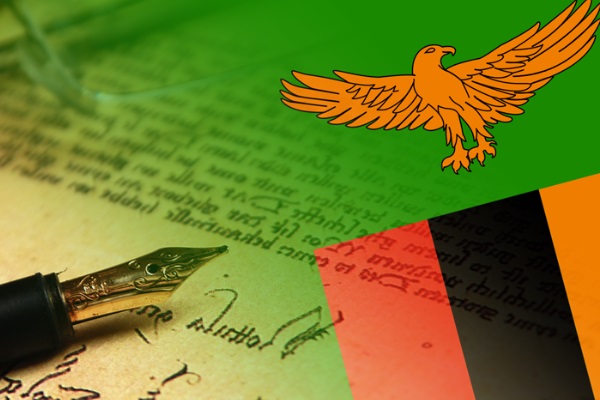
Historically, cultural practice and creative arts have been a communal activity and to that extent largely fell under the custodianship of chiefdoms. Zambia has 73 ethnic groups, which are broadly classified into seven main language groups. These include the Nyanja-speaking groups from Eastern Province, the Tonga from Southern Province, the Lozi from Western Province, the Bemba from Northern, the Lunda from Luapula/North-Western Province, the Luvale and Kaonde from North-Western province. The country’s ethnic diversity results in over 58 traditional ceremonies occurring countrywide every year.
The advent of colonialism had a profound influence on the native culture, which also infiltrated the creative arts. Western ideologies discouraged a lot of traditional practices on the grounds that they were “evil”. The restrictions imposed on native traditional practices motivated a lot of kinsmen from various ethnic backgrounds to form traditional associations with the aim of preserving their cultural practices wherever they lived and settled. The phenomenon was not only peculiar to Zambia but was also the case in other colonised states, as Turino (2000) comments about Zimbabwe[i].
After independence in 1964, however, the new indigenous government led by President Kenneth Kaunda embarked on the revival and preservation of distinctive local cultural expressions and practices. This was done through establishing institutions such as the Department of Culture, building museums, protecting heritage sites, etc. For instance, under Presidential decrees, Kaunda established the National Dance Troupe in 1966 and in the 1970s instituted a quota system at both the television and radio national broadcasting stations to enforce a greater percentage of Zambian content in relation to foreign programmes and music.
As a result of this development, a lot of people were enlightened and the once “lost” traditional community-based cultural practices were reframed as artistic talents, giving rise to the formation of several performing groups at the dawn of this era. Despite the Kaunda government’s political will to develop and promote arts and cultural activities, there was however no governing policy that was put in a place. This meant that the development and promotion of the arts and cultural sector greatly depended on personal initiatives and foresight of the incumbent persons tasked with such responsibilities, either in public or private.
The 2003 National Cultural Policy
The first (and current) National Cultural Policy was launched in June 2003[ii]. The policy is the culmination of a consultative process that began in 1992 to which various stakeholders (including the National Arts Council of Zambia, University of Zambia, Heritage Conservation Commission, National Museums Board, national archives, arts and culture associations and several individuals) made invaluable contributions.
Different government ministries and agencies played a crucial role in shaping the direction and ensuring the effectiveness of the policy, among these are:
- The Department of Arts and Culture;
- The National Arts Council of Zambia;
- The Ministry of Information and Broadcasting Services (under which the Zambia Music Copyright Protection Society and film and cinema administration fall);
- The Ministry of Chiefs and Traditional Affairs (under which the National Museum Board and National Heritage Conservation Commission fall);
- The Ministry of Tourism and Arts;
- The Ministry of Higher Education (under which the training of artists in colleges falls);
- The Ministry of Home Affairs (under which the National Archives falls).
The National Cultural Policy is a reflection of government’s intention to foster the preservation, development and promotion of Zambia’s rich diverse cultural heritage. It provides an enabling environment for safeguarding and promoting Zambian tangible and intangible heritage and ensures the development, promotion and protection of arts and cultural industries. On the whole, the policy speaks to Article 112 (g) of the constitution, which seeks to promote the practice, enjoyment and development by any person of that person’s cultural tradition, custom and language insofar as these are not incongruent with the constitution[iii].
Additionally, with regard to statutory frameworks, government has continued to implement other parallel laws that enhance the enjoyment of artistic and cultural rights, such as the National Arts Council Act No. 31 of 1994, the National heritage Conservation Commission Act (1998), and the Copyright and Performance Rights Act (1994). So far, these are some of the government’s efforts in ensuring support, protection and development in the arts and cultural sector.
Despite government recording a number of successes in the arts and cultural sector, however, it is evident that the sector still remains segmented. It is not uncommon to find some programmes and activities falling under different ministries, which makes the coordination of such programmes and funding to the sector quite cumbersome.
2009 revised policy draft
Since the launch of the current 2003 National Cultural Policy, the arts and cultural sector has undergone different phases. Notable among these include the revision exercise of the 2003 policy, which culminated in the 2009 draft National Cultural Policy, which is yet to be approved by Cabinet; the continued shifting of the Department of Arts and Culture (from the Ministry of Community Development and Social Services to the Ministry of Chiefs and Traditional Affairs and eventually to the Ministry of Tourism and Arts); the creation of a new Ministry with parallel responsibilities like that of the Department of Arts and Culture; the Presidential decree to establish the Arts, Culture and Heritage Commission; and increased funding to the arts and cultural sector.
The eventual placement of the arts and culture sector in the Ministry of Tourism and Arts in 2012 and the authoring of the Arts, Culture and Heritage Draft Act of 2013 to establish the Arts, Culture and Heritage Commission necessitate an urgent revision of the 2003 policy in order to make it more relevant and responsive to prevailing legislative, economy and social situations in the country. In its current state, the 2003 policy is inadequate in many aspects; more reason why the Ministry of Tourism and Arts has prioritised its revision as a follow-up on the 2009 draft policy[iv].
The establishment of the Arts, Cultural and Heritage Commission will entail (among other things) repealing the National Arts Council Act of 1994 (and the abolishment of the Council), the National Heritage Conservation Commission Act of 1989, the Theatres and Cinematograph Exhibition Act of 1929 and the National Museums Act of 1966, as well as consolidating various other laws dealing with arts, culture and heritage.
As a result of the new policy changes and realignment of the some government ministries, both the current 2003 and the 2009 draft National Cultural Policies have been rendered obsolete in that the 2003 policy has already outlived its relevance, while even if implemented today the 2009 revised document will still remain inadequate and will need further amending to effectively provide for the new policy and structural changes in arts and culture dispensation.
The way forward
Based on the fact that Zambia’s first policy document to direct the affairs of the arts and cultural sector since its independence on 24 October 1964 was only available in 2003, most of the artists, cultural practitioners, administrators and other stakeholders (including government itself) had remained disadvantaged in many ways.
The lack of policy direction resulted in the ineffective and limited application of cultural workers’ and administrators’ abilities and an inability to maximise on industry rewards.
Zambia’s arts and cultural sector continues to face a number of challenges, such as the low prioritisation of the sector; inadequate integration of cultural disciplines in the education and training programmes; cultural alienation stemming from Western influence; a general lack of appreciation of the economic value of culture; dilapidated infrastructure; as well as inadequate financial- and trained human resources.
The realignment of the Department of Arts and Culture, which is the custodian of the National Cultural Policy, into the Ministry of Tourism and Arts is therefore a strong strategic initiative aimed at fostering the development of the sector into an important sustainable economic sector.
The new revised National Cultural Policy to govern the Arts, Culture and Heritage Commission should among other things therefore provide for the following:
- preservation of Zambia’s arts, culture and heritage;
- development and promotion of Zambia’s arts, culture and heritage products;
- encourage artistic creation and entrepreneurship;
- encourage the provision of, opportunities for persons to practice the arts, culture and heritage;
- promote the appreciation, understanding and enjoyment of the arts, culture and heritage;
- facilitate greater access of persons to the arts, culture and heritage;
- promote and facilitate national and international liaison with respect to arts, culture and heritage;
- establish, control, manage and develop the country’s National Museums;
- conservation of ancient, cultural and natural heritage, relics and other objects of aesthetic, historical, pre-historical, archaeological or scientific interest;
- give effect to international agreements on arts, culture and heritage to which Zambia is a State Party;
- effective legislation to counter copyrights abuse and piracy of creative products.


Most popular

Top Naija songs of 2026
31 Mar 2026

Top Afrobeats songs of 2026
19 Mar 2026

Ghana: Mr Eazi and MOLIY’s ‘Comfort’ earns Urban Music Awards nomination
21 Oct 2026

Top amapiano songs of 2026
16 Feb 2026
Open call: CANEX Music Business Lab and Songwriting Camp
15 Oct 2026

Nigeria: CANEX WKND unveils 2026 programme
21 Oct 2026
Disclaimer: Music In Africa provides a platform for musicians and contributors to embed music and videos solely for promotional purposes. If any track or video embedded on this platform violates any copyrights please inform us immediately and we will take it down. Please read our Terms of Use for more.

Subscribe to our monthly Newsletter
Follow us on social media


Please log in to post a comment.