








































NEFCISA
NEFCISA

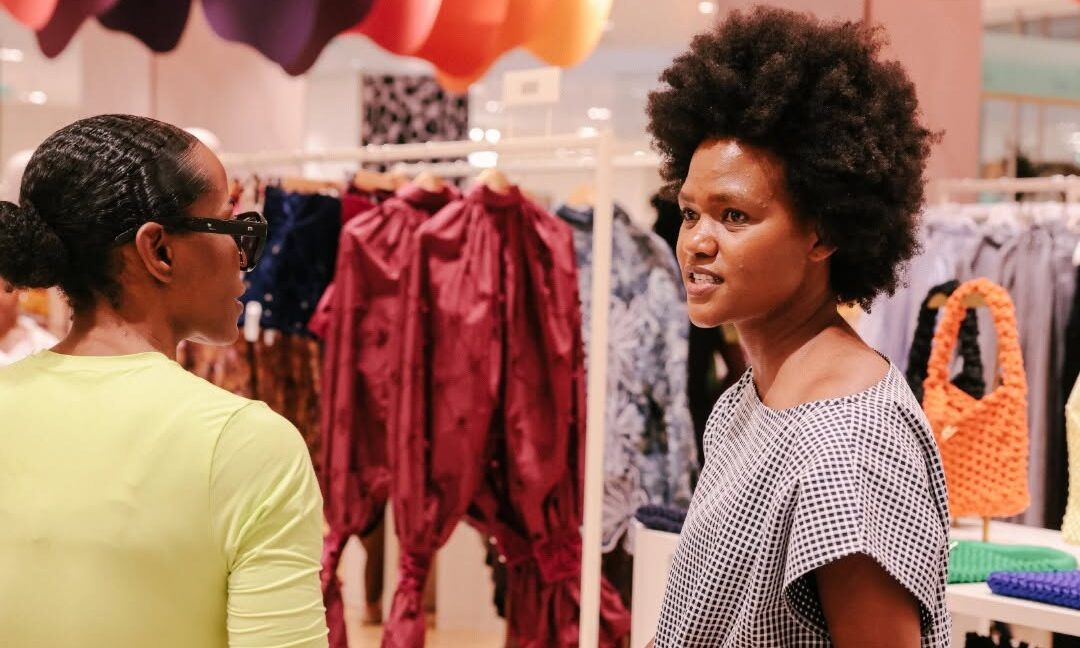
The Music In Africa Foundation (MIAF) is proud of its partnership with the Industrial Development Corporation (IDC) as a Strategic Implementing Partner (SIP) for its Social Employment Fund (SEF). Through this collaboration, MIAF is running a national programme that is creating jobs, addressing skills gaps, and strengthening South Africa's creative industries — in line with the SEF's overarching goal to generate work for the common good and build community value through employment, social contribution, and inclusive economic participation. Operating under the banner NEFCISA (National Employment Facility for Creative Industries in South Africa), the initiative is recruiting and training participants, matching them with host organisations, and has already placed 1 500 workers across the country — surpassing its original target of 1 000. NEFCISA is delivered through a network of 20 host organisations spanning five provinces, who are actively hosting participants and contributing to work for the common good across South Africa's creative and cultural industries. Key Objectives: Support employment and entrepreneurship in the creative industries. Offer skills development and training programmes. Foster partnerships between public and private creative sectors. Promote South African creativity at both provincial and national levels Foster community development through social contribution.

ACCES
ACCES

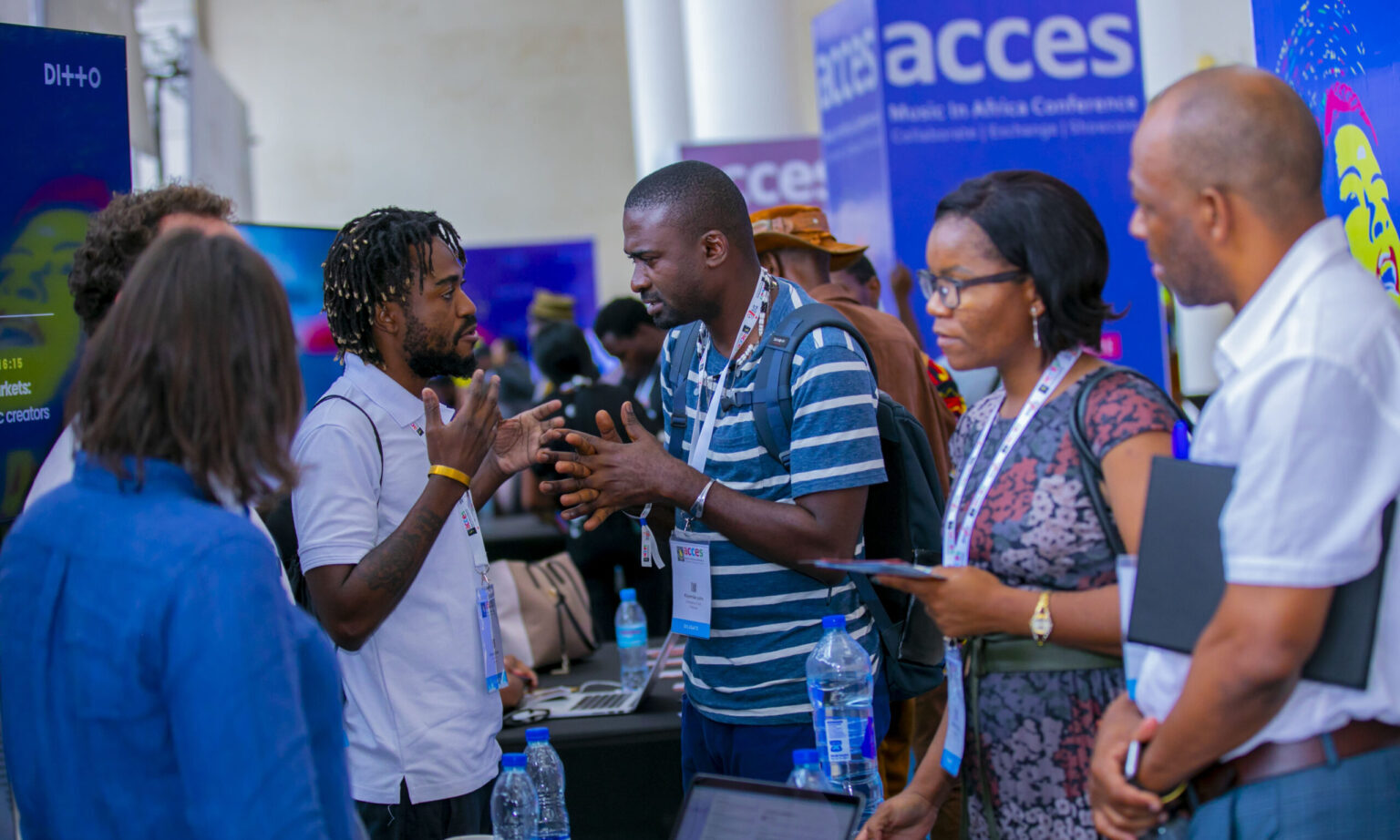
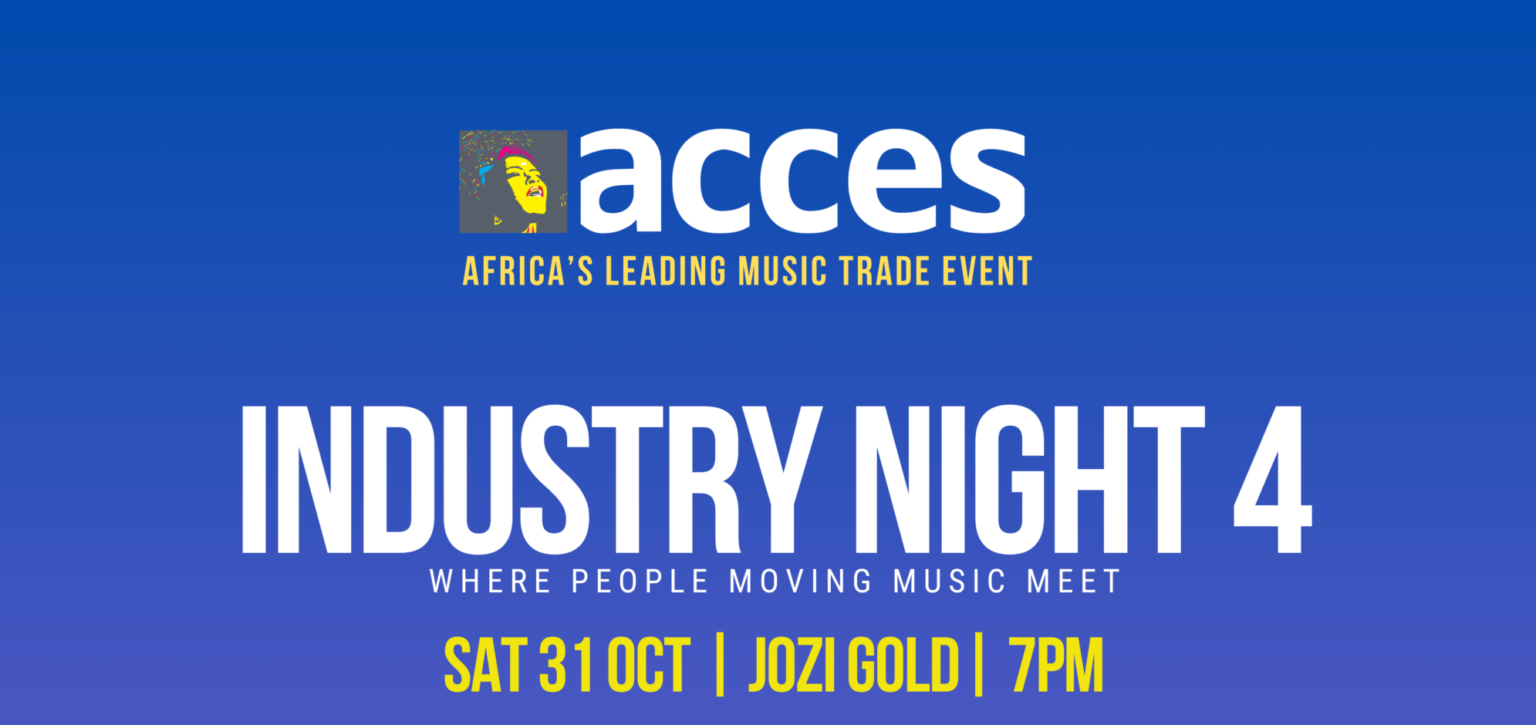
ACCES Conference and Showcase Festival is Africa's leading music industry gathering, bringing together the people shaping the future of the continent's music business. Artists, entrepreneurs, executives, investors, policymakers and cultural leaders from across Africa and around the world come to ACCES to build partnerships, exchange ideas, discover talent and create new business opportunities. Since its launch in 2017, ACCES has become the continent's premier platform for professional exchange and music market development. Combining a high-level conference with a curated showcase festival, networking, exhibitions and industry programmes, ACCES offers a unique space where creativity meets business and where African music connects with the global industry.

Gender@Work
Gender@Work

Music In Africa Gender @ Work is a three-year training programme aimed at upskilling and increasing the participation of female professionals in the African music sector. Launched by the Music In Africa Foundation (MIAF) in April 2019, the programme is connected to the MIAF’s ACCES music conference – a pan-African event held in a different African country every year. This connection enables the programme to reach new participants in a different African country every year. The programme marks the beginning of a more concerted effort by the Foundation to support the participation and inclusion of women in all facets of its programmes and the music sector in Africa as a whole. Over the three years, the programme will aim to address gender imbalances in the sector through training, lobbying, facilitating knowledge exchange and dialogues that foster the interest of women. The broader objectives of the programme are to: Provide industry training for women on critical music industry skills, focusing on: Stage management Electronic music production and recording Music business management Technical knowledge Provide an opportunity for both professional and aspiring women to benefit from the Music In Africa network and its broad range of activities in 2019, 2020 and 2021. Provide a solution-based platform in the form of a round table at ACCES with a view to identify challenges, discuss opportunities and lobby for the interests of female practitioners. Offer participants the opportunity to benefit from programmes offered by MIAF’s partners. Increase access to educational materials. Integrate participants in the broader ACCES programme to maximise experience and exposure to the industry. Record and present training materials on the www.musicinafrica.net, including but not limited to tutorials, templates and other best-practice materials. Communicate women-based themes that support the initiatives and messages of the programme. MAIN TRAINING ACTIVITIES Training in first country (Ghana): In the first year, participants will be trained on all aspects of stage management by a team of experienced stage managers from 10 to 17 November 2019. The programme will offer robust classroom training as well as practical, hands-on training in which participants will also be given the opportunity to manage various aspects of the ACCES performance programme. Training in second country: The second training iteration will take place at ACCES 2020 when the programme will diversify its course to include music production lessons and training on other music business topics. A round-table platform will also be introduced to coincide with the ACCES programme. Training in third country: The third training iteration will take place at ACCES 2021 in a different country, offering an advanced course. HOW DO YOU GET INVOLVED?  As a participant, facilitator or trainer: The programme enrolls up to 12 trainees every year. All opportunities are advertised publicly on this website, and will be added to this page. Please keep checking this page for new calls (below under UPDATES & CURRENT OPPORTUNITIES). As a partner Please contact Claire Metais at [email protected]. APPLY The call for applications for 2020 will be announced soon. The Music In Africa Gender @ Work programme is made possible with the support of the Prince Claus Fund, Siemens Stiftung and Goethe-Institut.

Sound Connects Fund
Sound Connects Fund

For cultural and creative practitioners and organisations operating in southern Africa, access to funding remains a major challenge. The COVID-19 pandemic has also had a massive impact on government policy, spending and the economy in general, and has seen spending on culture being moved further down the list of priorities. Further, the cultural and creative industries repeatedly cite four main areas where investment is needed for growth, which are increased visibility, mobility including access to new markets, finance and support structures.

Instrument Building And Repair Project

Experience the Vibrations African Instruments Exhibition online in 3D

banner image

Keyti, un vrai MC

Home/Non classé/Keyti, un vrai MC

Si je devais être rappeur, j’aurais aimé être Keyti. Oui, sans aucun doute là-dessus. Le mec est d’abord un vrai MC — MC signifiant pour moi Mec Crédible. Il ne passe pas son temps à la télé ou à la radio à débiter tout et son contraire, comme beaucoup d’autres. Non. Il ne balance pas non plus des clips tous les six mois juste pour être « in ». Non.

Il ne fait rien de tout cela. Keyti est rare dans les médias. Et cette rareté n’est pas un hasard. Il le dit lui-même dans l’un de ses textes dont il a le secret : « Sama brain taxma ma crédible ». C’est un rappeur qui réfléchit, qui parle avec sagesse et humilité. Pour ceux qui ne le savent pas, Keyti est membre fondateur du crew le plus hardcore de l’histoire du rap sénégalais : Rap’Adio.

Ce groupe a révolutionné le hip-hop sénégalais. À mon sens, il a fait gagner au rap galsen une bonne dizaine d’années dans son processus de maturation. Sans Rap’Adio, j’en suis convaincu, on en serait encore à l’âge de la pierre non taillée. Sans eux, le rap ne serait pas devenu une véritable force au Sénégal, ni un ferment essentiel pour la consolidation de la démocratie et l’éveil des consciences. Leurs textes, souvent très critiques envers les autres groupes, ont créé une émulation réelle, poussant chacun à se surpasser. Ceux qui n’y sont pas parvenus ont tout simplement disparu ou se sont recyclés.

Keyti est pour moi un vrai MC — MC signifiant ici Mec Conscient. Lyriciste hors pair, fin technicien, engagé jusqu’au bout des ongles, il est difficile de compter ses classiques tant ses textes ont marqué, secoué et nourri toute une génération. Mes deux premiers portraits étaient faciles, car je connaissais très bien les artistes dont je parlais. Ce qui n’est pas le cas de Keyti. La dernière fois que je l’ai croisé, c’était à l’occasion de la Fête de la musique à l’Institut français. Nous étions d’ailleurs les deux seuls à être venus accompagnés de nos enfants.

Pour moi, c’était une manière de passer du temps avec mon fils, mais aussi de semer en lui les germes d’une conscience et d’un militantisme panafricain. Avant le concert, nous avions assisté à la projection du documentaire États-Unis d’Afrique du Canadien Yannick Letourneau. Et je suppose que c’était la même chose pour Keyti. Je l’ai vu jouer pleinement son rôle de père, avec sérieux et attention.

Les textes de Keyti sont toujours finement ciselés. Cela tient sans doute à sa formation universitaire. Il fait partie des rares rappeurs de sa génération à avoir suivi des études supérieures poussées. À l’aise aussi bien en anglais qu’en français, sa virulence s’explique par ce proverbe simple : « Qui aime bien châtie bien ».

On se souvient tous de son texte “Temps mort”, dont le couplet s’ouvrait par : « Sénégal bordel le ! ». Certains y ont vu de l’irrespect. Moi, j’y ai vu du réalisme. Keyti, je l’ai déjà dit, est aussi un vrai MC — Mec Cool. Il sait écrire pour le plaisir, pour relâcher la pression, pour s’amuser sans se renier. Son morceau “Coolena (Adja Mounass)” en est la preuve. Derrière son apparente légèreté, il cache une morale.

Personnellement, j’adore ce morceau parce qu’il est lié à une histoire vraie, presque improbable, qui montre la force des mots et celle du rap. À l’époque, mes amis et moi avions l’habitude de nous retrouver autour de la table d’une dame qui vendait du laakh dans le quartier. On y mangeait à petit prix, parfois même gratuitement, grâce à sa grande générosité. Mais elle avait un défaut : une curiosité sans limite. Elle voulait toujours savoir avec quelle fille on sortait, comment elle s’appelait, à quoi elle ressemblait.

Tous mes amis avaient fini par présenter leurs copines, sauf moi. Je n’en avais pas. Alors j’ai inventé une fille : Adja Mounass. La description était si convaincante que “Mère Laakh” y a cru. Certains amis, surtout des rappeurs, ont même confirmé l’avoir déjà vue. J’avais simplement emprunté l’Adja Mounass de Keyti. Cette histoire date de près de dix ans, mais il arrive encore que “Mère Laakh” me demande de ses nouvelles.

Keyti est aussi un vrai MC — Mec Clairvoyant. Le rap d’aujourd’hui est souvent rongé par la bêtise, la surenchère et le mensonge. Seuls ceux qui en préserveront l’essence pourront le sauver. Abd Al Malik l’a très bien dit : ne pas chercher à prouver qu’on est le plus pur ou le plus profond, mais simplement être. Vivre ses textes plutôt que les mettre en scène.

Selon moi, Keyti est l’un de ceux qui ont toujours compris et appliqué cela. Les vrais MC sont rares. Très rares. Mais Keyti nous l’avait déjà rappelé : « Ben real mo gëna camion fake ». Un seul MC authentique vaut mieux qu’une foule de faux. Oui, Keyti est un vrai MC.

newsletter banner

Subscribe to our monthly Newsletter

Follow us on social media