







































NEFCISA
NEFCISA

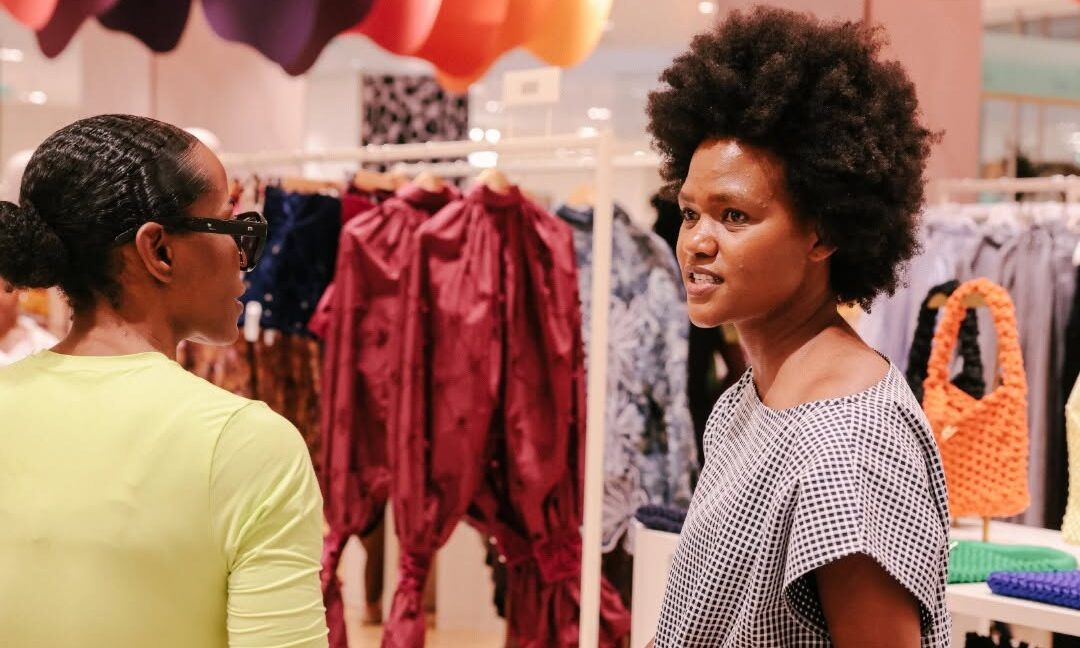
The Music In Africa Foundation (MIAF) is proud of its partnership with the Industrial Development Corporation (IDC) as a Strategic Implementing Partner (SIP) for its Social Employment Fund (SEF). Through this collaboration, MIAF is running a national programme that is creating jobs, addressing skills gaps, and strengthening South Africa's creative industries — in line with the SEF's overarching goal to generate work for the common good and build community value through employment, social contribution, and inclusive economic participation. Operating under the banner NEFCISA (National Employment Facility for Creative Industries in South Africa), the initiative is recruiting and training participants, matching them with host organisations, and has already placed 1 500 workers across the country — surpassing its original target of 1 000. NEFCISA is delivered through a network of 20 host organisations spanning five provinces, who are actively hosting participants and contributing to work for the common good across South Africa's creative and cultural industries. Key Objectives: Support employment and entrepreneurship in the creative industries. Offer skills development and training programmes. Foster partnerships between public and private creative sectors. Promote South African creativity at both provincial and national levels Foster community development through social contribution.

ACCES
ACCES

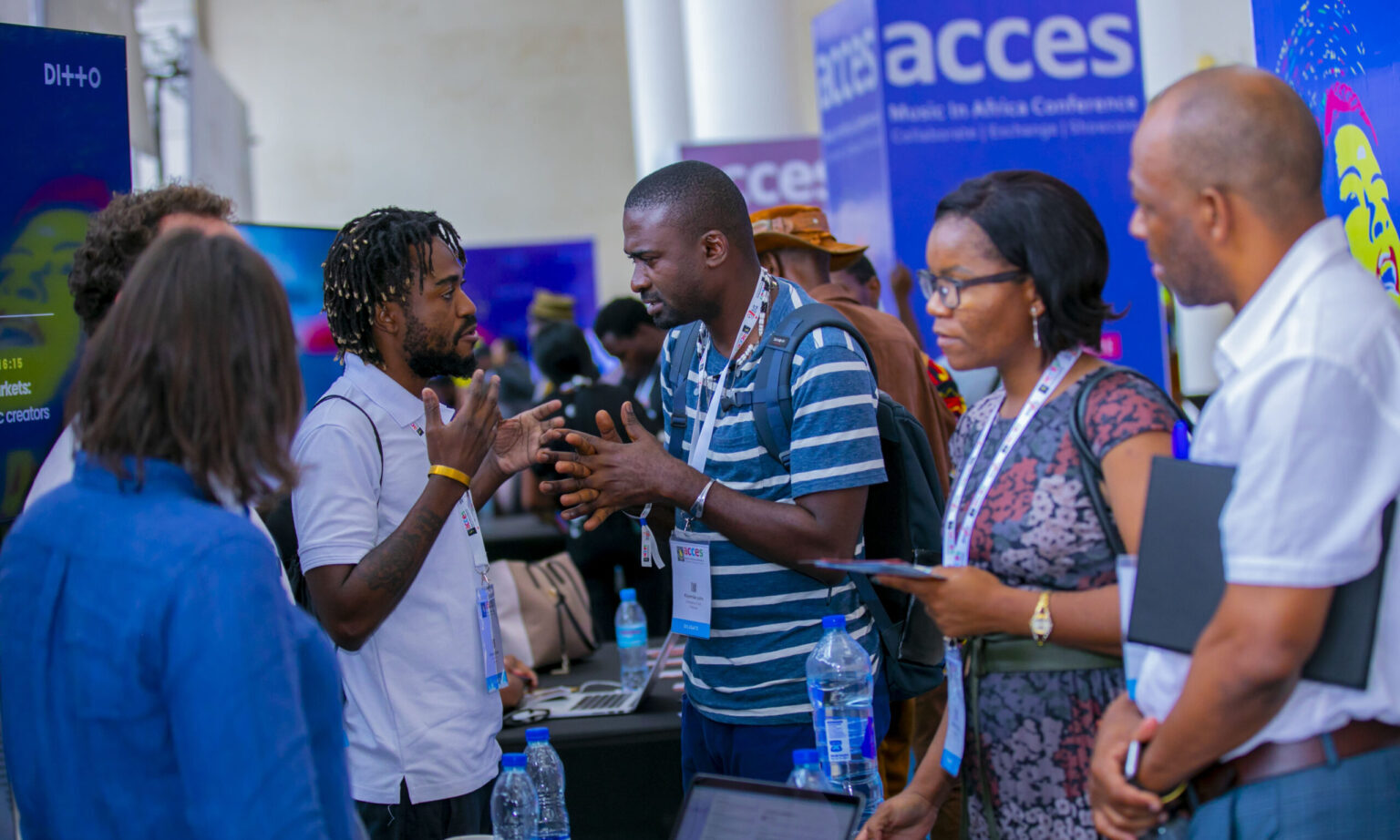
ACCES Conference and Showcase Festival is Africa's leading music industry gathering, bringing together the people shaping the future of the continent's music business. Artists, entrepreneurs, executives, investors, policymakers and cultural leaders from across Africa and around the world come to ACCES to build partnerships, exchange ideas, discover talent and create new business opportunities. Since its launch in 2017, ACCES has become the continent's premier platform for professional exchange and music market development. Combining a high-level conference with a curated showcase festival, networking, exhibitions and industry programmes, ACCES offers a unique space where creativity meets business and where African music connects with the global industry.

Gender@Work
Gender@Work

Music In Africa Gender @ Work is a three-year training programme aimed at upskilling and increasing the participation of female professionals in the African music sector. Launched by the Music In Africa Foundation (MIAF) in April 2019, the programme is connected to the MIAF’s ACCES music conference – a pan-African event held in a different African country every year. This connection enables the programme to reach new participants in a different African country every year. The programme marks the beginning of a more concerted effort by the Foundation to support the participation and inclusion of women in all facets of its programmes and the music sector in Africa as a whole. Over the three years, the programme will aim to address gender imbalances in the sector through training, lobbying, facilitating knowledge exchange and dialogues that foster the interest of women. The broader objectives of the programme are to: Provide industry training for women on critical music industry skills, focusing on: Stage management Electronic music production and recording Music business management Technical knowledge Provide an opportunity for both professional and aspiring women to benefit from the Music In Africa network and its broad range of activities in 2019, 2020 and 2021. Provide a solution-based platform in the form of a round table at ACCES with a view to identify challenges, discuss opportunities and lobby for the interests of female practitioners. Offer participants the opportunity to benefit from programmes offered by MIAF’s partners. Increase access to educational materials. Integrate participants in the broader ACCES programme to maximise experience and exposure to the industry. Record and present training materials on the www.musicinafrica.net, including but not limited to tutorials, templates and other best-practice materials. Communicate women-based themes that support the initiatives and messages of the programme. MAIN TRAINING ACTIVITIES Training in first country (Ghana): In the first year, participants will be trained on all aspects of stage management by a team of experienced stage managers from 10 to 17 November 2019. The programme will offer robust classroom training as well as practical, hands-on training in which participants will also be given the opportunity to manage various aspects of the ACCES performance programme. Training in second country: The second training iteration will take place at ACCES 2020 when the programme will diversify its course to include music production lessons and training on other music business topics. A round-table platform will also be introduced to coincide with the ACCES programme. Training in third country: The third training iteration will take place at ACCES 2021 in a different country, offering an advanced course. HOW DO YOU GET INVOLVED?  As a participant, facilitator or trainer: The programme enrolls up to 12 trainees every year. All opportunities are advertised publicly on this website, and will be added to this page. Please keep checking this page for new calls (below under UPDATES & CURRENT OPPORTUNITIES). As a partner Please contact Claire Metais at [email protected]. APPLY The call for applications for 2020 will be announced soon. The Music In Africa Gender @ Work programme is made possible with the support of the Prince Claus Fund, Siemens Stiftung and Goethe-Institut.

Sound Connects Fund
Sound Connects Fund

For cultural and creative practitioners and organisations operating in southern Africa, access to funding remains a major challenge. The COVID-19 pandemic has also had a massive impact on government policy, spending and the economy in general, and has seen spending on culture being moved further down the list of priorities. Further, the cultural and creative industries repeatedly cite four main areas where investment is needed for growth, which are increased visibility, mobility including access to new markets, finance and support structures.

Instrument Building And Repair Project

Experience the Vibrations African Instruments Exhibition online in 3D

banner image

Voici comment Mi’a Guissé a orchestré son retour gagnant sur la scène

Home/Non classé/Voici comment Mi’a Guissé a orchestré son retour gagnant sur la scène

« La vie est belle », c’est le dernier tube de Mi’a Guissé, ex-membre de Maabo. Après des années de succès, le groupe s’est disloqué suite à un divorce douloureux. Mais pour en arriver à « La vie est belle », Mia, malgré la page Maabo tournée, a dû rester attachée au jolofbeats, le son créé par No Face et popularisé par le groupe et s’entourer d’une équipe talentueuse et expérimentée.

Découverte il y a 7 ans dans l’épisode 17 du journal rappé de Xuman et Keyti sur une parodie du tube « Johnny » de la Nigériane Yemi Aladé, la jeune chanteuse originaire de la région de Tambacounda, s’impose vite comme un vrai talent, avant d’embarquer quelques temps après, dans l’aventure Maabo fraîchement lancée avec No Face, avec qui elle vient de convoler en noces.

Mi’a et No face enchaînent les hits et deviennent un des groupes les plus suivis au Sénégal. Ils sont les « Amadou et Mariam » de la musique sénégalaise. Leur premier album sort en 2015, leur single phare « Reine xol » qui parle de l’amour maternel, est un hit – plus de 7 millions d’internautes qui se délectent du titre sur YouTube. Le couple qui chante en wolof et en poular mais aussi en français et en anglais, va durant 7 ans, enchainer des singles accompagnés de vidéos colorés où ils sont habillés toujours de façon uniforme. Ils sont au faîte de la tendance musicale et du glamour. Parmi les plus grands tubes du couple : « Yin Yan », « Namel » ou encore « Yako waral ».

[video:https://www.youtube.com/watch?v=x76ayjZpht0 width:853 height:480 autoplay:0]

En 2022, contre toute attente, le couple vole en éclat. Mi’a Guissé disparait de la scène musicale de long mois. Mais le 10 novembre 2022, elle signe de la plus belle des façons, son retour qui s’appuie sur sa séparation compliquée pour mieux toucher le public. En effet, son single malicieusement titré « Idda » évoque le délai de viduité, c’est à dire la période de 4 mois imposée aux femmes veuves ou divorcées, avant de pouvoir contracter un nouveau mariage, dans la religion musulmane. Une manière de montrer que la page Maabo est bien tournée.

Derrière ce titre qui va faire beaucoup parler, se trouve l’excellent Stephane Pambou dans les arrangements et les compositions, mais aussi l’une des plus belles plumes de la musique sénégalaise, le rappeur Kruh, le tout sous la direction artistique avisée de Xuman.

Jamais auparavant au Sénégal, une artiste n’avait mis en scène sa rupture de cette façon pour signer son come -back sur la scène musicale. No Face publiera quelques jours plus tard une réponse pour calmer le jeu avec un single qui porte le même titre, mais avec une orthographe différente : « Ideu ». La discordance est totale et bien installée chez les ex-époux.

Quoi qu’il en soit, Mi’a est lancée en solo et c’est elle qui fait le buzz ! Elle est l’invitée de tous les shows télé et radios du pays. Forte de ce joli coup médiatique, elle ne perd pas de temps et enchaîne tout juste un mois plus tard avec « La vie est belle ». Là aussi elle est bien entourée : Kruh Mandiou Mauri (auteur), Akatche (compositeur) et Xuman (direction artistique). Là aussi, c’est une vraie réussite. Oui, c’est bien le printemps artistique pour Mi’a Guissé…

[video:https://www.youtube.com/watch?v=_koRwPVvNfs width:853 height:480 autoplay:0]

newsletter banner

Subscribe to our monthly Newsletter

Follow us on social media