








NEFCISA
NEFCISA

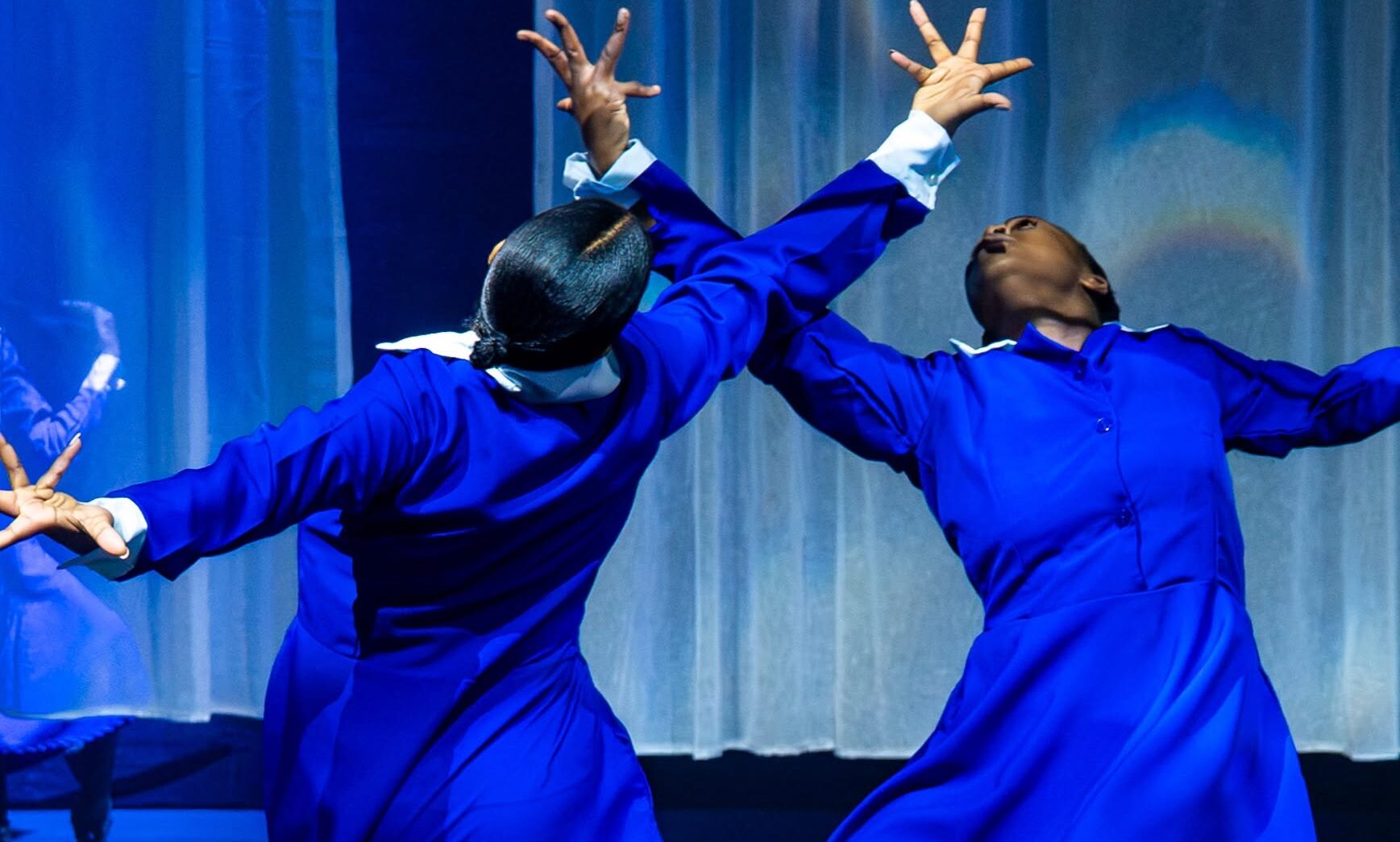
The Music In Africa Foundation (MIAF) is proud of its partnership with the Industrial Development Corporation (IDC) as a Strategic Implementing Partner (SIP) for its Social Employment Fund (SEF). Through this collaboration, MIAF is running a national programme that is creating jobs, addressing skills gaps, and strengthening South Africa's creative industries — in line with the SEF's overarching goal to generate work for the common good and build community value through employment, social contribution, and inclusive economic participation. Operating under the banner NEFCISA (National Employment Facility for Creative Industries in South Africa), the initiative is recruiting and training participants, matching them with host organisations, and has already placed 1 500 workers across the country — surpassing its original target of 1 000. NEFCISA is delivered through a network of 20 host organisations spanning five provinces, who are actively hosting participants and contributing to work for the common good across South Africa's creative and cultural industries. Key Objectives: Support employment and entrepreneurship in the creative industries. Offer skills development and training programmes. Foster partnerships between public and private creative sectors. Promote South African creativity at both provincial and national levels Foster community development through social contribution.

ACCES
ACCES

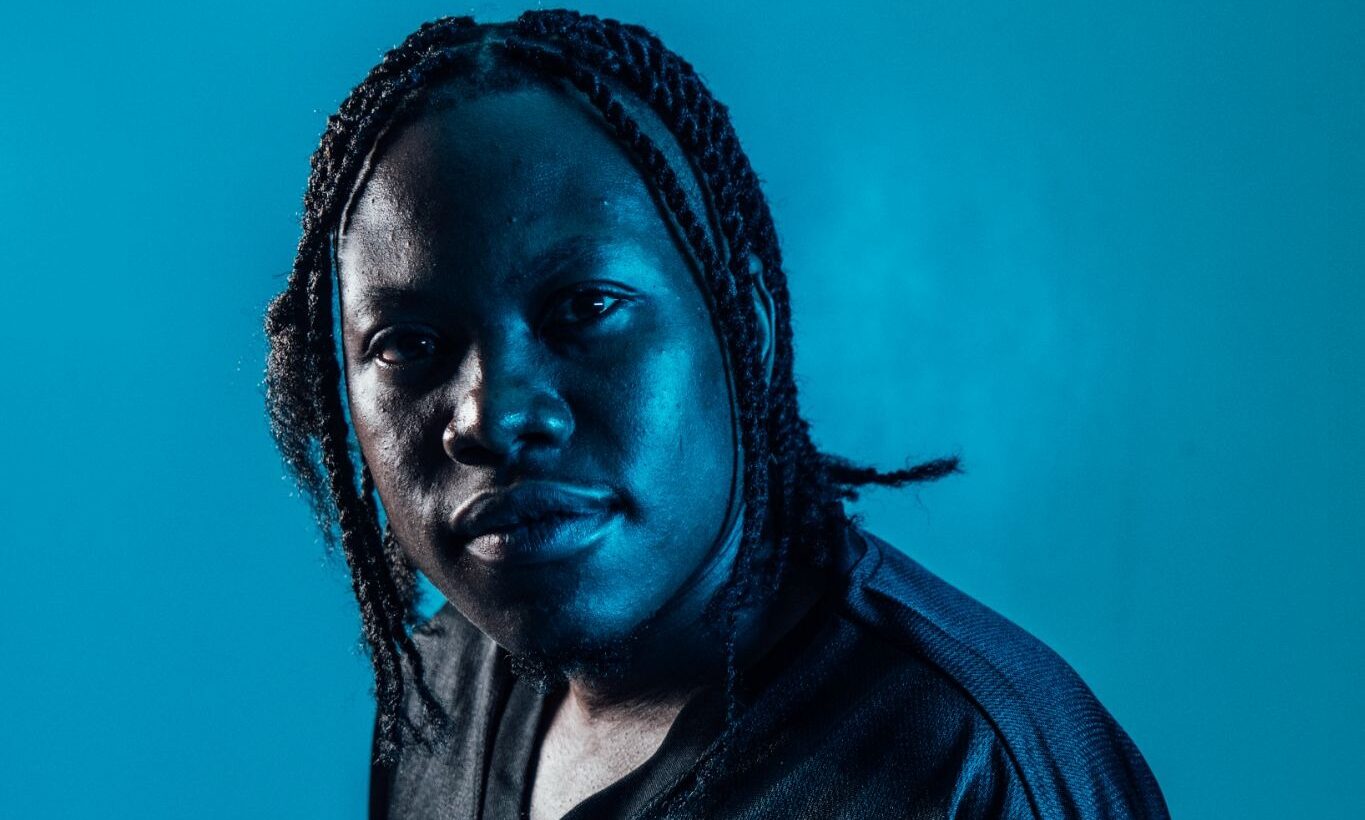
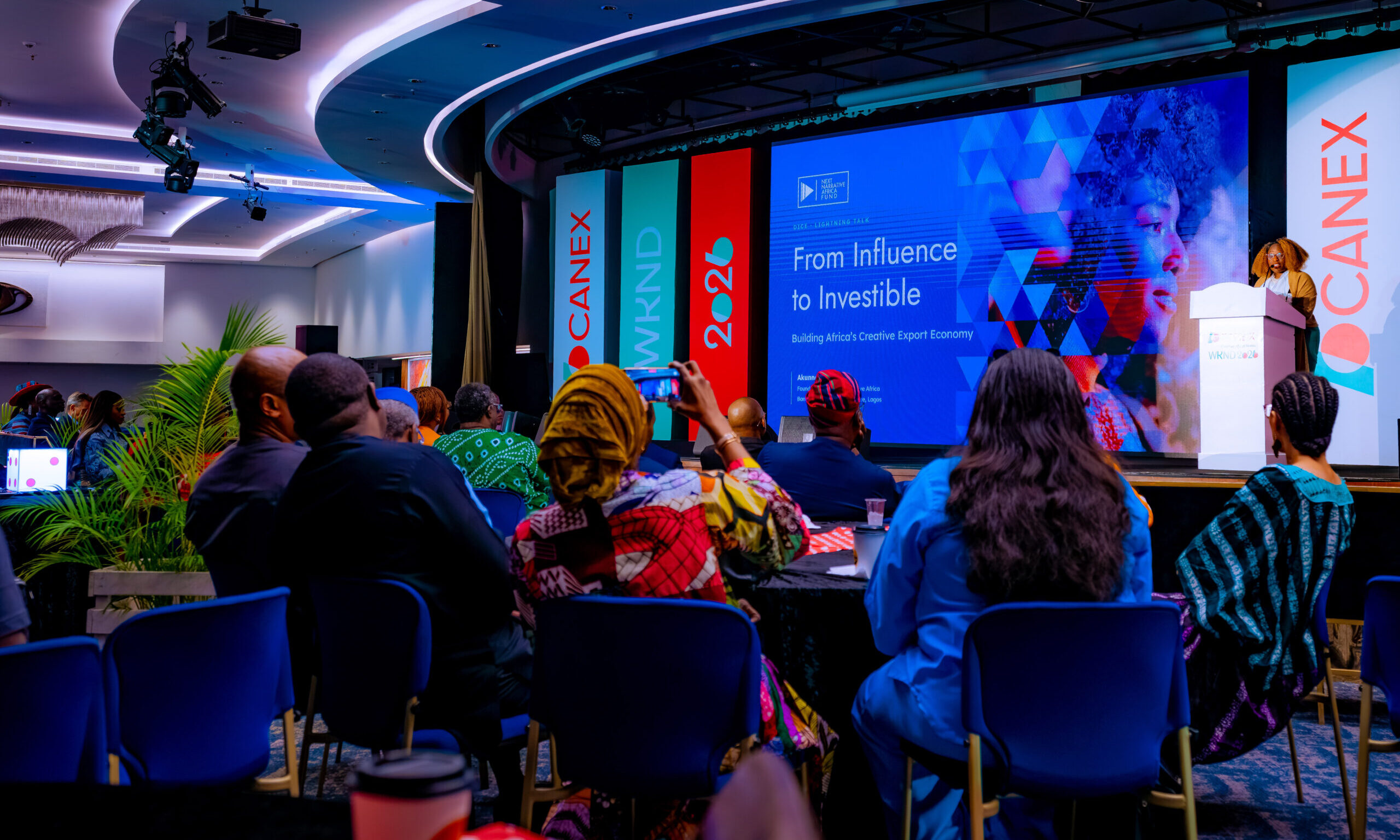
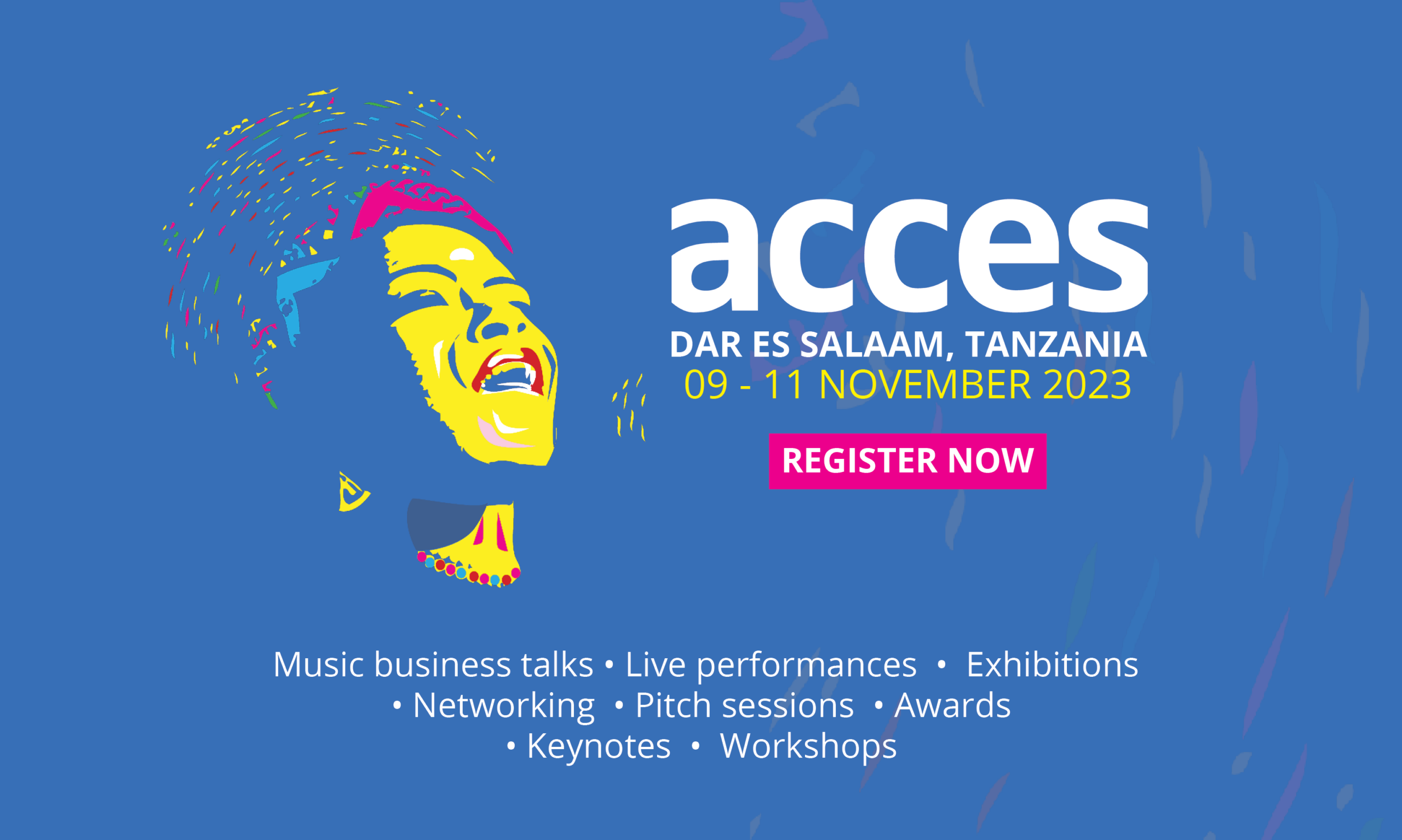
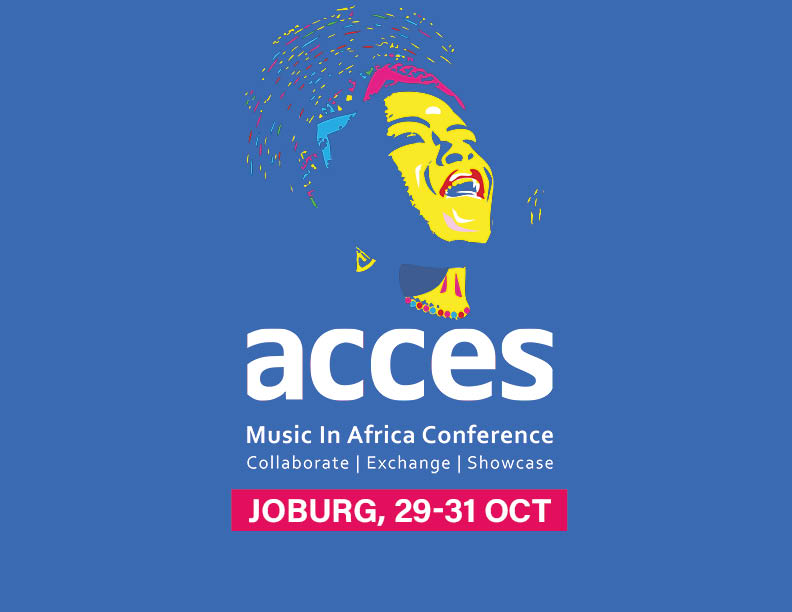
ACCES Conference and Showcase Festival is Africa's leading music industry gathering, bringing together the people shaping the future of the continent's music business. Artists, entrepreneurs, executives, investors, policymakers and cultural leaders from across Africa and around the world come to ACCES to build partnerships, exchange ideas, discover talent and create new business opportunities. Since its launch in 2017, ACCES has become the continent's premier platform for professional exchange and music market development. Combining a high-level conference with a curated showcase festival, networking, exhibitions and industry programmes, ACCES offers a unique space where creativity meets business and where African music connects with the global industry.

Gender@Work
Gender@Work

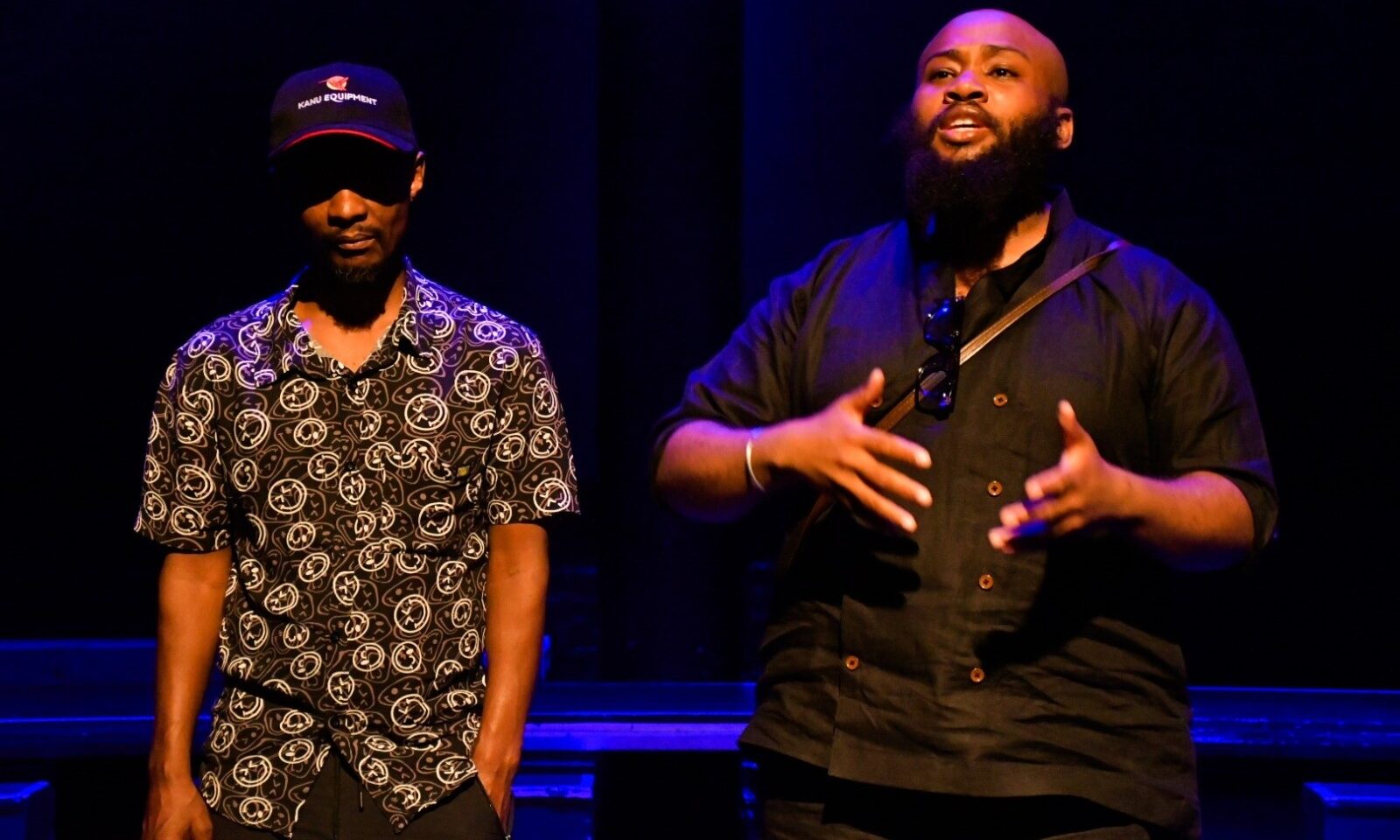
Music In Africa Gender @ Work is a three-year training programme aimed at upskilling and increasing the participation of female professionals in the African music sector. Launched by the Music In Africa Foundation (MIAF) in April 2019, the programme is connected to the MIAF’s ACCES music conference – a pan-African event held in a different African country every year. This connection enables the programme to reach new participants in a different African country every year. The programme marks the beginning of a more concerted effort by the Foundation to support the participation and inclusion of women in all facets of its programmes and the music sector in Africa as a whole. Over the three years, the programme will aim to address gender imbalances in the sector through training, lobbying, facilitating knowledge exchange and dialogues that foster the interest of women. The broader objectives of the programme are to: Provide industry training for women on critical music industry skills, focusing on: Stage management Electronic music production and recording Music business management Technical knowledge Provide an opportunity for both professional and aspiring women to benefit from the Music In Africa network and its broad range of activities in 2019, 2020 and 2021. Provide a solution-based platform in the form of a round table at ACCES with a view to identify challenges, discuss opportunities and lobby for the interests of female practitioners. Offer participants the opportunity to benefit from programmes offered by MIAF’s partners. Increase access to educational materials. Integrate participants in the broader ACCES programme to maximise experience and exposure to the industry. Record and present training materials on the www.musicinafrica.net, including but not limited to tutorials, templates and other best-practice materials. Communicate women-based themes that support the initiatives and messages of the programme. MAIN TRAINING ACTIVITIES Training in first country (Ghana): In the first year, participants will be trained on all aspects of stage management by a team of experienced stage managers from 10 to 17 November 2019. The programme will offer robust classroom training as well as practical, hands-on training in which participants will also be given the opportunity to manage various aspects of the ACCES performance programme. Training in second country: The second training iteration will take place at ACCES 2020 when the programme will diversify its course to include music production lessons and training on other music business topics. A round-table platform will also be introduced to coincide with the ACCES programme. Training in third country: The third training iteration will take place at ACCES 2021 in a different country, offering an advanced course. HOW DO YOU GET INVOLVED?  As a participant, facilitator or trainer: The programme enrolls up to 12 trainees every year. All opportunities are advertised publicly on this website, and will be added to this page. Please keep checking this page for new calls (below under UPDATES & CURRENT OPPORTUNITIES). As a partner Please contact Claire Metais at [email protected]. APPLY The call for applications for 2020 will be announced soon. The Music In Africa Gender @ Work programme is made possible with the support of the Prince Claus Fund, Siemens Stiftung and Goethe-Institut.

Sound Connects Fund
Sound Connects Fund

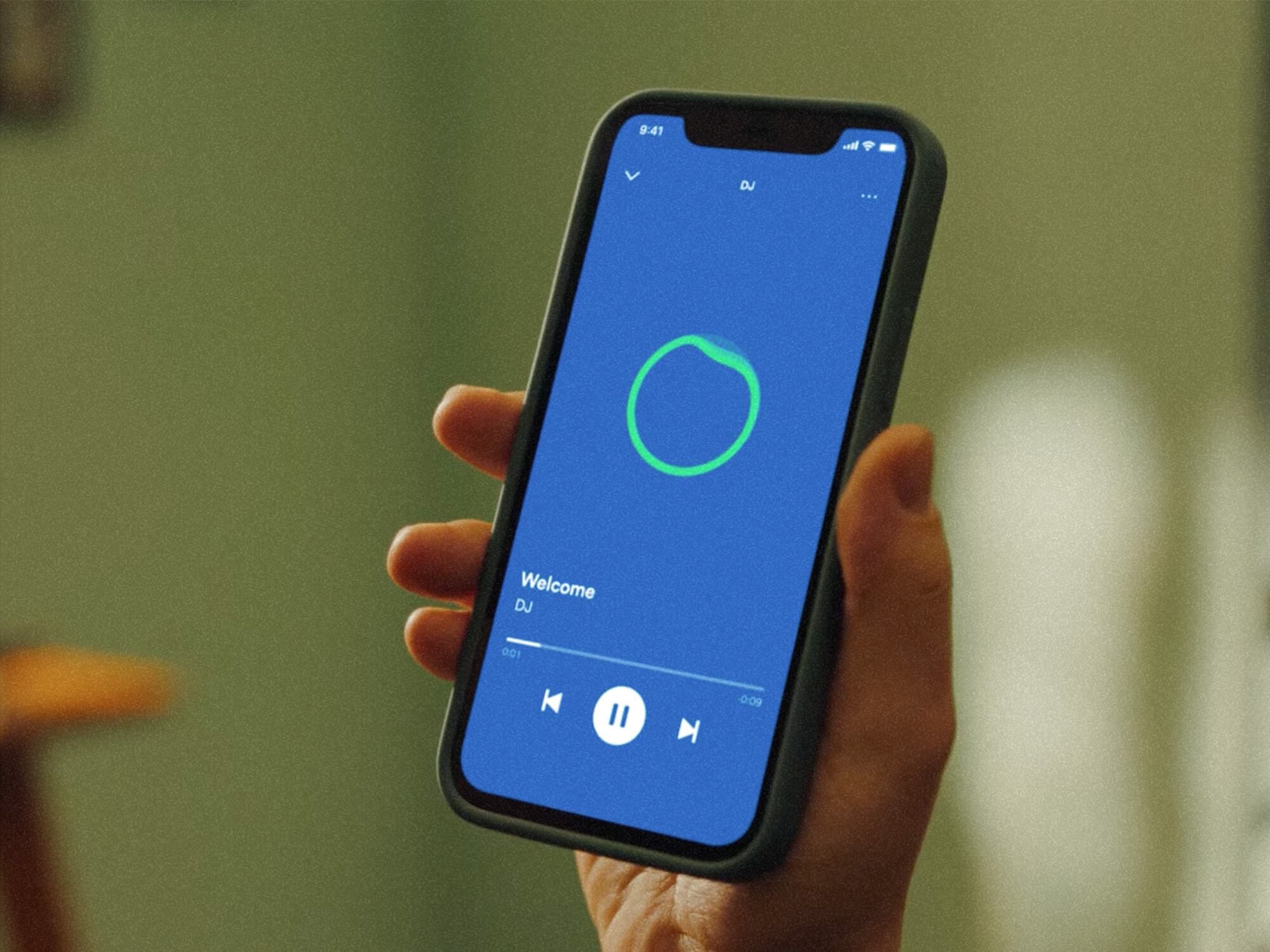
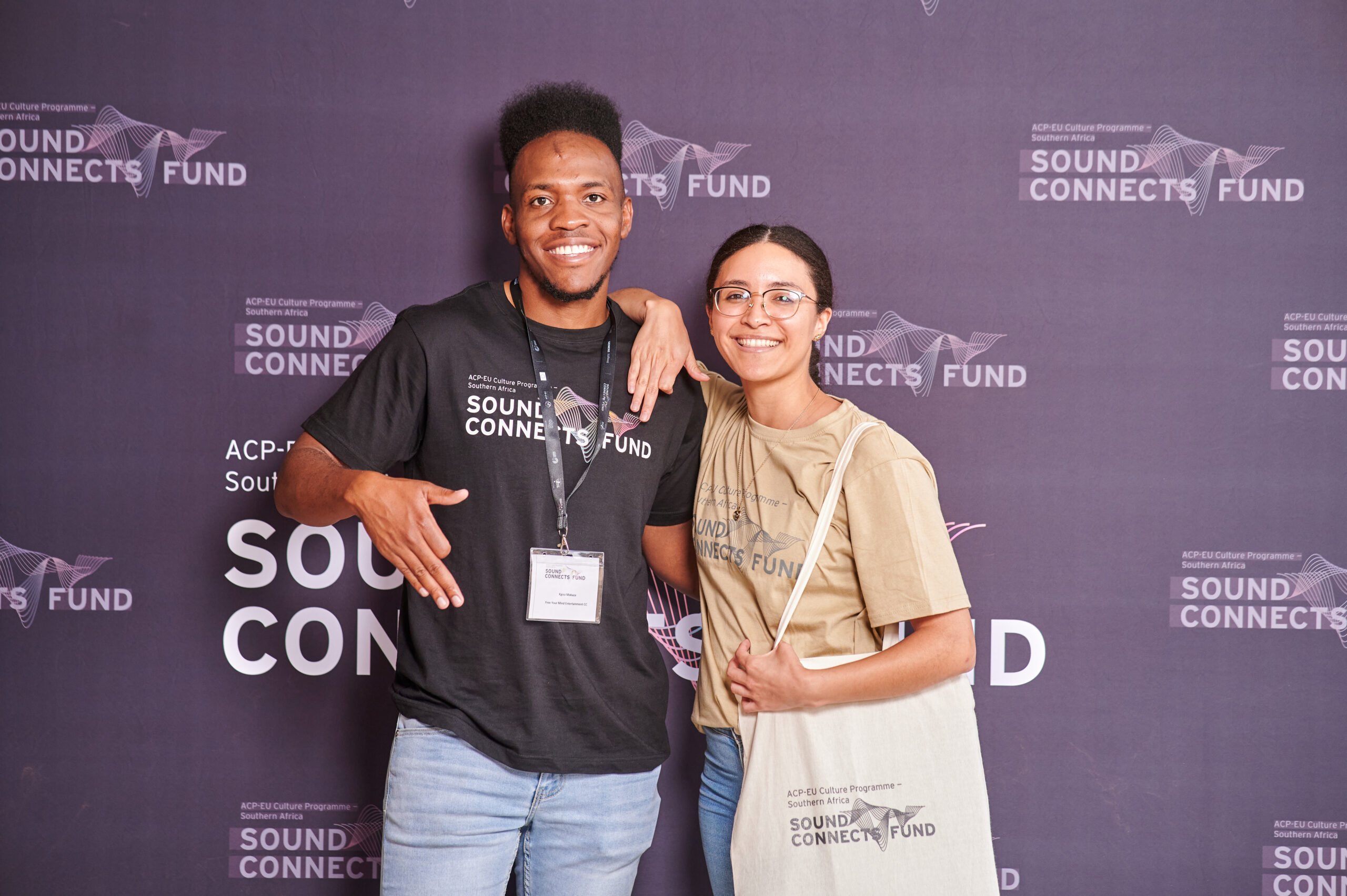
For cultural and creative practitioners and organisations operating in southern Africa, access to funding remains a major challenge. The COVID-19 pandemic has also had a massive impact on government policy, spending and the economy in general, and has seen spending on culture being moved further down the list of priorities. Further, the cultural and creative industries repeatedly cite four main areas where investment is needed for growth, which are increased visibility, mobility including access to new markets, finance and support structures.

Instrument Building And Repair Project

Experience the Vibrations African Instruments Exhibition online in 3D

banner image

Midem African Forum 2019 : les temps forts de la tournée

Home/Non classé/Midem African Forum 2019 : les temps forts de la tournée

Mardi 9 avril – Dakar, Sénégal

C’est sur un mot d’ouverture d’Alain Bidjeck, coordonateur du MAF 2019, que l’aventure a commencé aux alentours de 10 heures (GMT), au Musée des civilisations noires de Dakar.

Présents au forum, Alexande Deniot, directeur du Midem, mais aussi l’artiste sénégalais Baaba Maal, qui a donné le ton de la rencontre avec un partage plein d’enseignements sur sa carrière.

Le MAF 2019 a proposé 2 panels de réflexion à ses nombreux participants dakarois. Le premier, modéré par le professeur Massamba Gueye, a réuni les acteurs culturels Ngoné N’Dour (SODAV), Daniel Gomes (AMS), Ousmane Faye (ADAFEST), Matar Diop (Soubatel), Babacar Faye (Sonatel) et David Alexander (Sheer Music Publishing), pour faire un état des lieux de l’industrie musicale sénégalaise et parler de ses challenges et opportunités.

L’échange a été suivi l’après-midi, d’un autre panel portant cette fois sur la distribution de la musique et la mobilité des artistes pour atteindre un public international.

Autour de la table : Ibrahima Kane (Digital Virgo), Alune Wade (artiste), Nix (artiste et co-fondateur de la plateforme Deedo), Jean Pierre Seck (AMPA) et Romain Bhilarz (BLZ Records), avec comme modérateur Oumar Sall.

Autre moment fort du MAF 2019 à Dakar, le saisissant témoignage de l’artiste Didier Awadi sur sa première participation au Midem, qui fut l’occasion pour lui, de signer l’un des plus gros contrats de sa carrière.

Pour boucler l’escale sénégalaise, le MAF a offert un showcase en soirée avec des artistes talentueux comme Boubacar Diallo, Nix, Yoro Ndiaye ou encore Didier Awadi.

Pour la plupart des participants, la rencontre a été un vrai succès. 

12 avril – Douala, Cameroun

À Douala, la capitale économique camerounaise, le Midem s’est rendu avec la même intention d’interpeller les acteurs locaux, sur l’actualité de l’industrie musicale du continent. C’est à l’hôtel Star Land que les participants se sont retrouvés à partir de 10 heures (heure locale).

Ben Decca et Roger Samnig ont dit le mot d’ouverture de la rencontre, à l’occasion de laquelle ont été organisés deux panels.

Le premier, portant sur la situation de l’industrie musicale africaine, ses défis et ses opportunités, a été animé par Didier Toko, Krotal, Eva Ndumbe, Chinois Yangeu et Patrick Attoungbre (responsable MTN), sous la modération de Jessica Nda.

Le second panel sur la distribution de la musique et la mobilité des artistes pour atteindre un public international, dirigé par Christine Mbengono, a réuni : Tony Mefe, Anicet Nemani, Davy Lessouga, Sam Fan Thomas et Kareyce Fotso.

Il faut cependant souligner que les thématiques abordées à Dakar et Douala ont été fortement similaires ; de quoi laisser croire que les professionnels des deux villes, véritables plaques tournantes des musiques populaires d’Afrique Francophone, sont confrontés aux mêmes interrogations.

15 avril – Lagos, Nigeria

Lagos est décidément un des passages forcés du MAF. L’an dernier déjà, la ville nigériane avait été une des escales du tour africain du Midem qui en était alors à sa première édition.

Cette année encore, le forum est allé à la rencontre des professionnels nigérians de la musique. Les sujets traités ont été assez différents de ce qui a été fait à Dakar et Douala.

Le premier panel de l’événement, portant sur «  le nouveau visage de la musique africaine » sur la scène mondiale, a vu intervenir Laverine Thomas, Wale Davies, Yemisi Falaye, Michael Ugwu, Waje Iruobe et Nosa Dag Aghayere.

Il a été suivi des témoignages de Buki Izeogu du groupe BukiHQ MEDIA et Efe Ogbeni de Stealth Management, qui ont partagé au public, leurs expériences dans secteur musical local. 

Avec pour thème « définir une trajectoire pour le marché numérique africain », le second panel a réuni autour de la table : Thibaut Mulling, Tosin Sorinola, Oye Akindeinde, Bizzle Osikoya, Chidi Okeke et Kelvin Orifa. 

Comme dans chacune des villes hôtes, la rencontre s’est achevée à Lagos par un showcase animé par des artistes locaux.

Pourquoi l’Afrique ?

Selon Alexandre Deniot, directeur du Midem, l’Afrique, avec sa forte démographie, son ouverture de plus en plus importante aux nouvelles technologies et la passion musicale de ses populations, l’Afrique pourrait être le plus grand marché musical de demain.

En s’y investissant, le Midem, marché français du disque et de l’édition musicale créé en 1966, voudrait mettre à contribution ses 5 décennies d’expérience, dans la structuration de l’industrie musicale africaine.

Après l’ouverture d’un forum africain en son sein, le Midem devrait accueillir un african-hub cette année, pour une meilleure exposition des artistes et professionnels africains du son.

Entre autres mesures pour faciliter l’accès au Midem pour les professionnels du continent, une remise de 700 euros sur les frais de participation pour les acteurs désireux de se rendre à Cannes (France) pour la prochaine édition du Midem. Ils verseront 200 au lieu de 900 euros.

Pour plus de détails, visitez le site web du Midem.
newsletter banner

Subscribe to our monthly Newsletter

Follow us on social media