




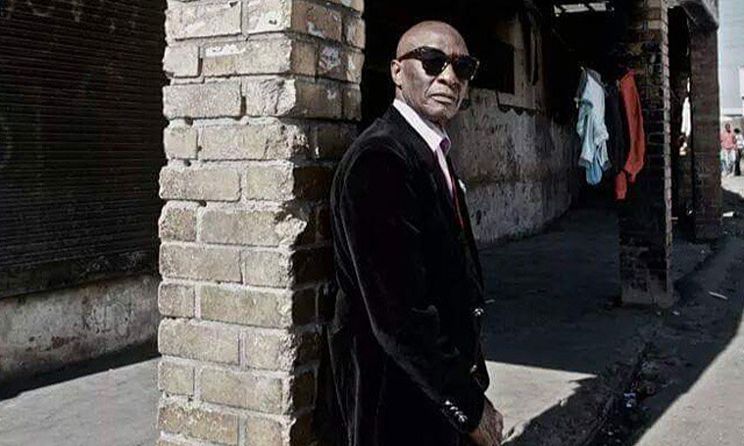
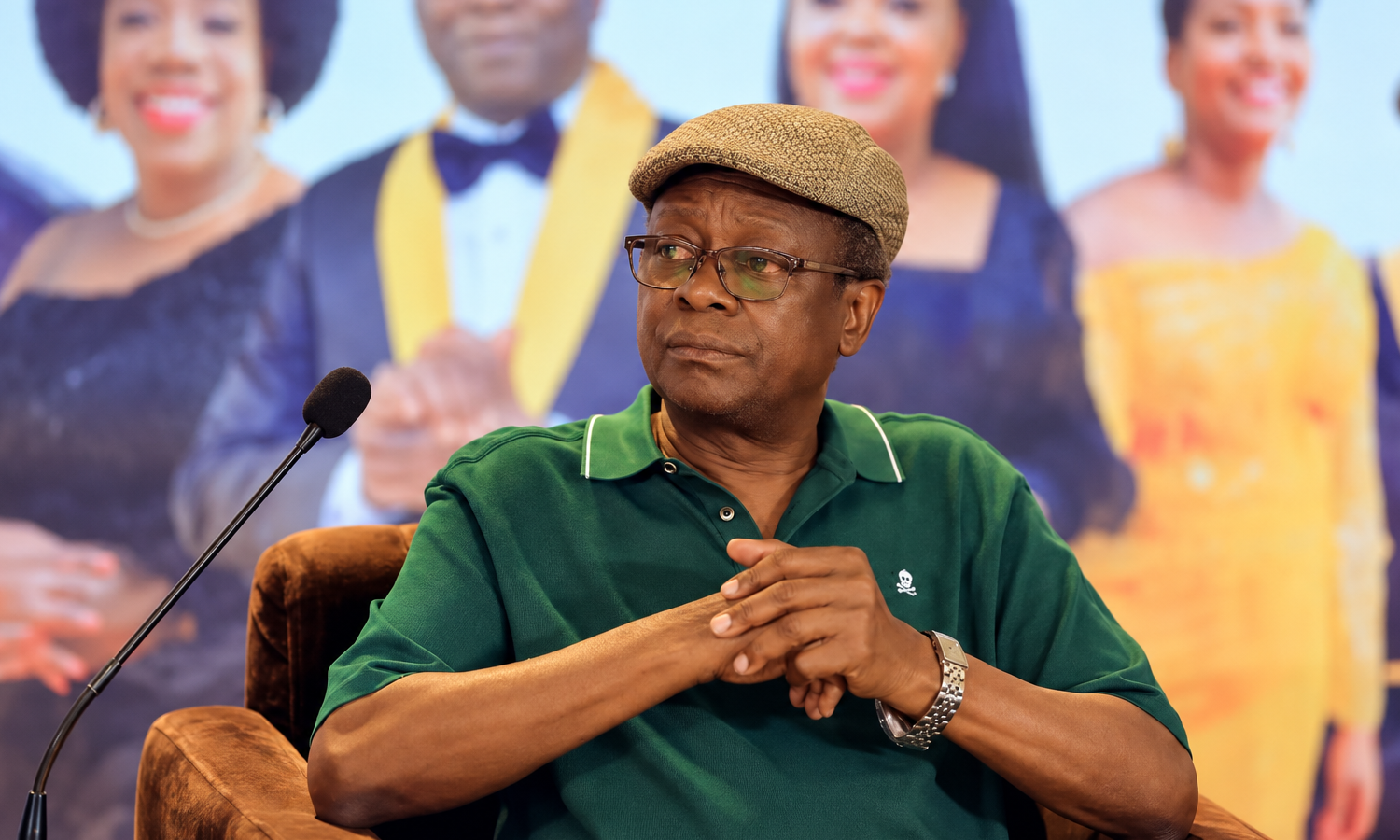
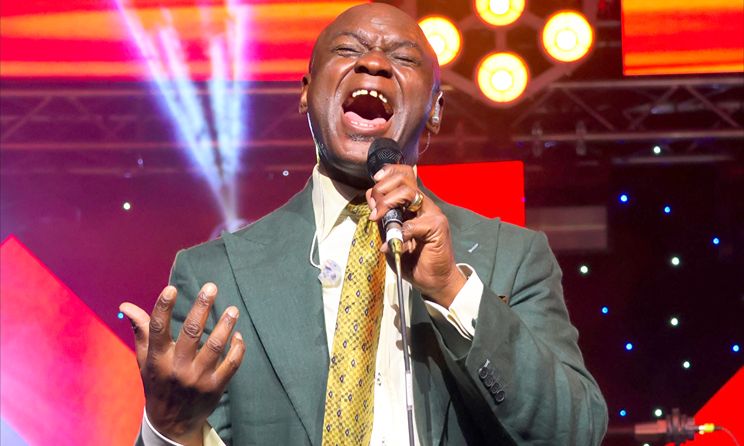
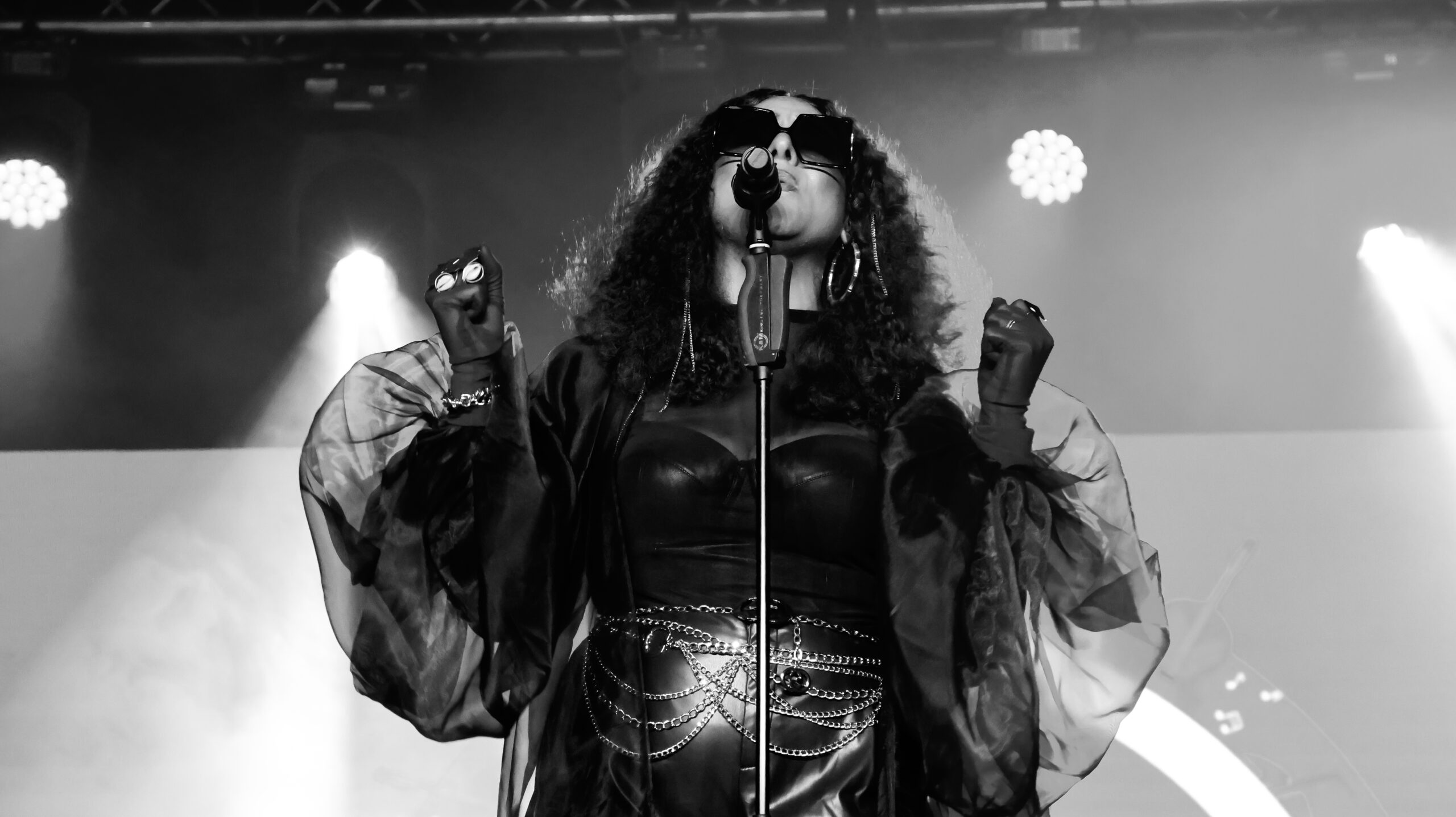





















This is a text covering aspects of the Gbema and hipco genres.
In structure and form, Liberian music utilizes vocal harmony, repetition, call-and-response and ululation. It is polyrhythm, |typical of rhythm in the Sub-region.” Gospel music is also a big part of Liberian musical tradition. This was introduced by the Americo-Liberian settler missionaries as a mean to spread the gospel and Christianity in Liberia. Gospel songs are now sang in various native languages besides English. While gospel songs are sung in churches and other religious gatherings, Traditional music is performed during weddings, baby naming ceremonies, funerals, farming activities. It may also be an ordinary children's songs sung by children when they are playing under the moon light either in the cities, towns and villages.
Just like in many parts of Africa, Highlife music is popular in Liberia. Highlife is a “combination of North American, West African and Latin American styles which emerged in the 1950s in Ghana, Sierra Leone, Nigeria, Guinea and Liberia, especially among the Kru people, who are traditionally sailors and have travelled extensively to many places. Once I heard that highlife originated from Liberia and the Ghanaians took it and made it their own before it became a popular music in other places. Though I have heard this from quite a number of people in Liberia, there is no documented research to authenticate this.
Though none has made big time success story as in elsewhere in Africa, Liberia musical history include artists such Hawa Daisy Moore, Princess Fatu Gayflor, Nimba Burr, Tejajlu, Morris Dorley, Yatta Zoe, Anthony "Experience" Nagbe Zack and Gebah, Kpapingdi, Kandakai Duncan and Miatta Fahnbulleh and the list may go on. Of the names on this list, Morris Dorley deserves special recognition for spearheading a movement to create what may be defined in the modern sense as “Liberian music.” Another notable person who may be mentioned in this regard is Anthony "Experience" Nagbe. Some of Morris Dorley's popular songs include "Voinjama, Lofa County, Who Are You Baby, and OAU Welcome to Liberia. Zack and Gebah group was another popular name with tones that captured special moment in Liberian history. Among the popular songs of this group was “Sweet Liberia.” This song became an anthem in Liberia in the late 80s leading to the early 90s. It received wide airplay on the nation’s only radio station at the time, ELBC. Zack and Gebah became a trailblazer and inspiration to many group and individual artists of that time. Few years leading to the war saw a real boom in Liberians’ appreciation of Liberian music. Zack and Gebah were a very big part of that. Dave GQ, Tecumseh Robert, Tikpan Nimely, Tony Karbadeh were notable figures of that era.
As indicated above, one of the best moment of Liberian music was the last few years before the war. At the time, there was the National Bureau of Arts, Culture and Tourism headed by the late Jallah KK Kamara. And that point Prof. Alhaji Kromah was the Director General of the nation’s only radio station, ELBC. During this time, it was more or less like a Liberian musical renaissance. But that boom of Liberian music was not to last. It was interrupted by the war. Many of the popular Liberian artists fled the country to escape the war. Some of them have not been able to make a comeback since the war. Names such as Dave GQ, Big Steve, Zack and Gebah have not been able to recapture their prewar glorious days of Liberian music. Some of these names are not even known to the new generation of Liberians born during or after the war.
Most Liberian artists have never enjoyed cross border appeal and success. One artist who have built such international reputation is Miatta Fahnbulleh. Coming from a prominent political family, Miatta’s music has always been a carrier of powerful political messages. Since she divides her times between Ghana and Liberia, she may be put in the same category with legendary singer Miriam Makeba in term of styles and political consciousness, though she has not achieved the same level of success as the late Makeba.
It is said that In 1963, President William VS Tubman set up a military band known as Cape-Palmas Military Band (CPMB). The band master was an Israeli, Aharon Shefi. It was a 56-piece concert and marching band that performed variety of music such as Liberian, American and universal folk and church music. The band was performed on January 1, 1964 during President Tubman's inauguration in Monrovia. Among the songs performed were Highlife, original marching songs by the late Liberian composer Victor Bowya, the National Anthem and "The Lone Star Forever". The CPMB performed in churches, schools, holidays and military parades and official events.
Hipco
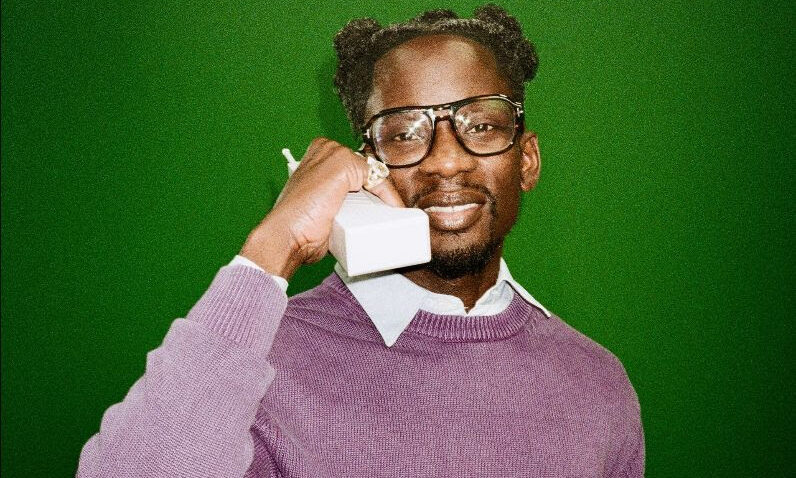
While Gbema music have new stars who have emerged in post war Liberia such as Sundaygar Dearboy, Friday the Cellphone Man and others, another genre of Liberian music that has been making headway is known as Hipco.
It is defined as the “style of music that emerged from the streets of Monrovia a few years ago. It’s uniquely Liberian, spoken in the local, mixed-English tongue (known as “Colloqua”) and rooted in the fears, joys and dark humor of the country’s young urban poor.” While many people may limit this genre to the post war Liberia, it goes way beyond that. It goes as far back as the early 90s.
As far back as 1992, there was a nascent but bubbling hip hop scene heavily influenced by the hip hop from the US. Hip Hop is a genre of music that originated from the Bronx, New York. It is the music of the urban youths that emphasizes on the struggle of the black people and other minority groups in the US. It has grown to become a worldwide phenomenon that youths in many countries use for economic and social empowerment.
Liberia with its historical ties to the black struggle in the US has not been left out of the hip hop worldwide growth. Some of the popular rappers of the early 90s were MC Madison and Clifford the Protector. With the lack of recording studio in the country at the time, recording cassette or CD was not the priority for these guys as it was more about live performances in clubs and at beach parties. That nascent hip hop scene of the 90s has evolved into what is now known as “hipco.”
Hipco songs are sung and performed in indigenous languages across the country. It is spearheaded by the new generation which has come of age in the post war period. Just as it may be as elsewhere around the world, the popularity if hipco is spreading, particularly among the young people. It carries social political relevant messages that appeal to fans in various parts of the country. Among some of the prominent voices of hipco are Luckay Buckay, Takun-J, I am Dred, Bone Dust, Red Rum, Kenny Da Knowledge Noy-Z, Real Mighty, Mighty Blow, Picador, Benevolence, T-Five and many others.
Among some of the songs that have been popular with the people are "Behold Behold" by Luckay Buckay, "It Not Right" by Takun J featuring Luckay Buckay, and "Technique" by Bone Dust. Some of the songs are meant to raise the political consciousness of the masses.
In the election of 2017 that brought the soccer legend George Weah to power, Liberian artists were everywhere in various political parties singing songs promoting the candidates and their parties. Some of them were very critical of the government for neglecting the poor masses of the people while only caring about themselves. In these songs the Liberian artists have denounced corruption. Some of them even went as far as running for elected offices. One of such persons was the artist known as Takun J whose real name is Jonathan Kofa.


Most popular
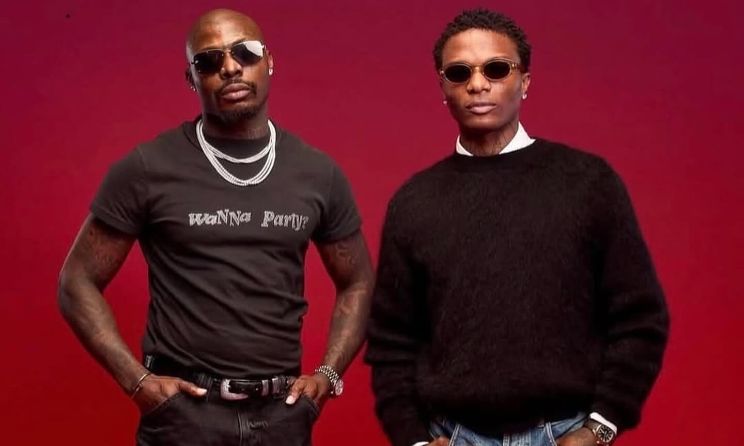
Top Naija songs of 2026
31 Mar 2026

Top Afrobeats songs of 2026
19 Mar 2026

Top amapiano songs of 2026
16 Feb 2026
Open call: CANEX Music Business Lab and Songwriting Camp
15 Oct 2026
Open call: National Arts Festival artistic director in SA
15 Oct 2026
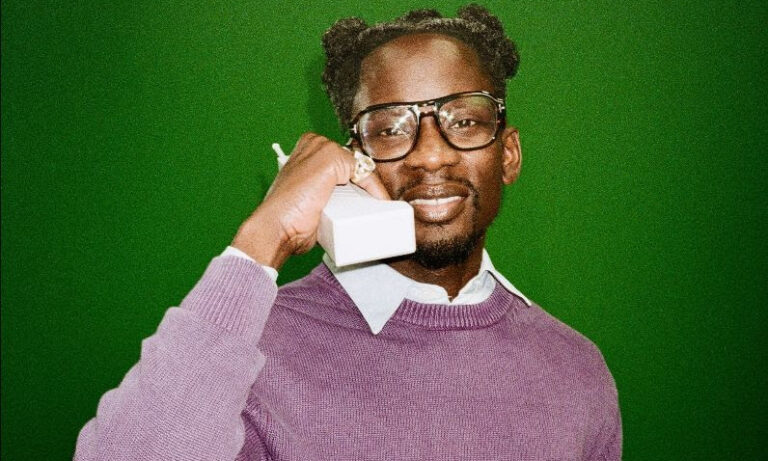
Ghana: Mr Eazi and MOLIY’s ‘Comfort’ earns Urban Music Awards nomination
21 Oct 2026
Disclaimer: Music In Africa provides a platform for musicians and contributors to embed music and videos solely for promotional purposes. If any track or video embedded on this platform violates any copyrights please inform us immediately and we will take it down. Please read our Terms of Use for more.

Subscribe to our monthly Newsletter
Follow us on social media


Please log in to post a comment.