













































Mi Casablanca es su Casablanca: Boulevard Fest welcomes all [part 2]
06 Oct 2018 - 08:22


This is part 2 of a review of Morocco's 2018 Boulevard Festival. Read part 1 here.
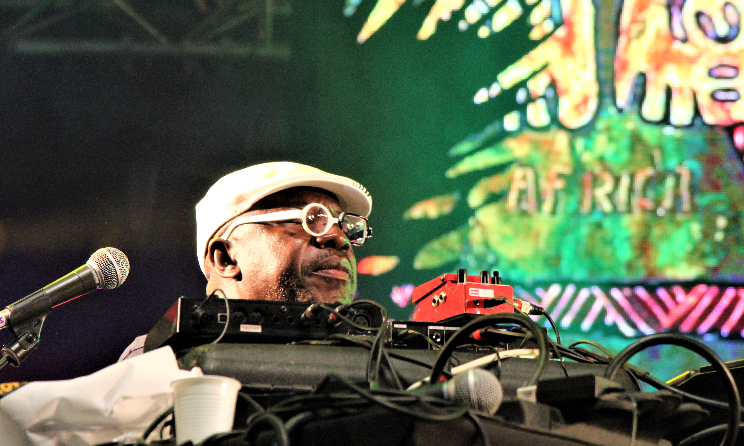
The photo pit during hip hop night at Boulevard Festival resembles the trenches in some mock war teeming with young, sinewy men. The photographer is literally caught between a rock and a hard place: in front of the lens is an emcee riling up a group of fans who can be best described as football hooligans out to get second-leg revenge. From behind, firecrackers are launched at the photographers and security personnel for shits and giggles. It's a whip out of hell if one of those mean squibs detonates next to you. And if you have a weak heart, it's the shock and anxiety following a pit blitz that will do you in for sure. How embarrassing to be carried out on a stretcher at Casablanca's most-loved festival.
All this might seem malevolent if you haven't been around – if all you know is squeaky-clean suburban living. How many times have you watched a FIFA World Cup game and wondered about the thousands of dollars it took that middle-aged guy to get his face-painted children there, and about the countless loyal football fans who struggle to make rent missing out on their biggest dream? Then you might think, imagine if this stadium was filled with the real fans. It would be a different game altogether.
The same kind of thought process should be devoted to any gathering where exorbitant ticket prices define the crowd. It is with this in mind, the inescapable reality of social castes, that the organisers of Boulevard Festival have opted to make the event free to the public.
"Everyone knows that arts and culture has a value; artists need to get paid," Bahou tells Music In Africa. "When there is a price on something, people understand its worth. We know this. We know this very well. But there is a specific context in Morocco. In Morocco there's an elite that can go anywhere, do anything and pay for it. The elite also has access to culture and education. But we have a mass of people who don't have the means to consume culture because cultural infrastructure and programming lacks. The masses only get media like TV and advertising. It's important for Boulevard to be an inclusive institution because we believe in equality, and equality is to give fans the occasion to have access to culture. We want to share this with everyone. Everyone belongs here."
The photographers, with their pricy camera equipment, and the security personnel, granted with power to control, also represent an elite. Indeed, the pit constitutes a special group that has been allowed to stand directly between the front-row fans and their beloved artists. No wonder that this elite, symbolic as it may be, deserves at least a little bit of tough love from Boulevard’s hip hop fans. A firecracker here and there should keep them in check.
The idea of anarchy, in its most noble of interpretations, is dear to Boulevard Festival. This year, the festival paid homage to the late journalist and poet Amale Samie, who, together with Bahou and his loyal team, was central in covering and exposing young alternative talent in Morocco. By all accounts, Samie, or 'Tonton' (Uncle) to his friends, was the archetypal anarchist who would speak truth to power without fear of rebuttal. Samie was also constructive in his approach to music journalism:
"Tonton was a satirical mastermind," Bahou says. "He had a very subtle writing style and a great sense of humour. He was the first to write about rock and metal concerts in Morocco. He used to write about all the small Boulevard gigs and about every band that played, encouraging them to continue playing. He knew that some of the bands might not be at international level, but he was always positive about them because he knew they needed as much support as possible. He was a rocker. He came from the '60s with Black Sabbath, Hendrix, Led Zep, Creedence Clearwater Revival. At the same time his spirit was connected to Berber music from the Middle Atlas Mountains. He had great knowledge of Amazigh poems and loved Algerian music. He taught me to love rai music. He was a mentor, a punk and anarchist, but mostly a Berber from the mountains. He always had a deep relationship with his mountain. He developed an association in rural Morocco and we started a guesthouse in the town of Beni Mellal in Morocco’s interior where we supported bands. We held many concerts to raise money."
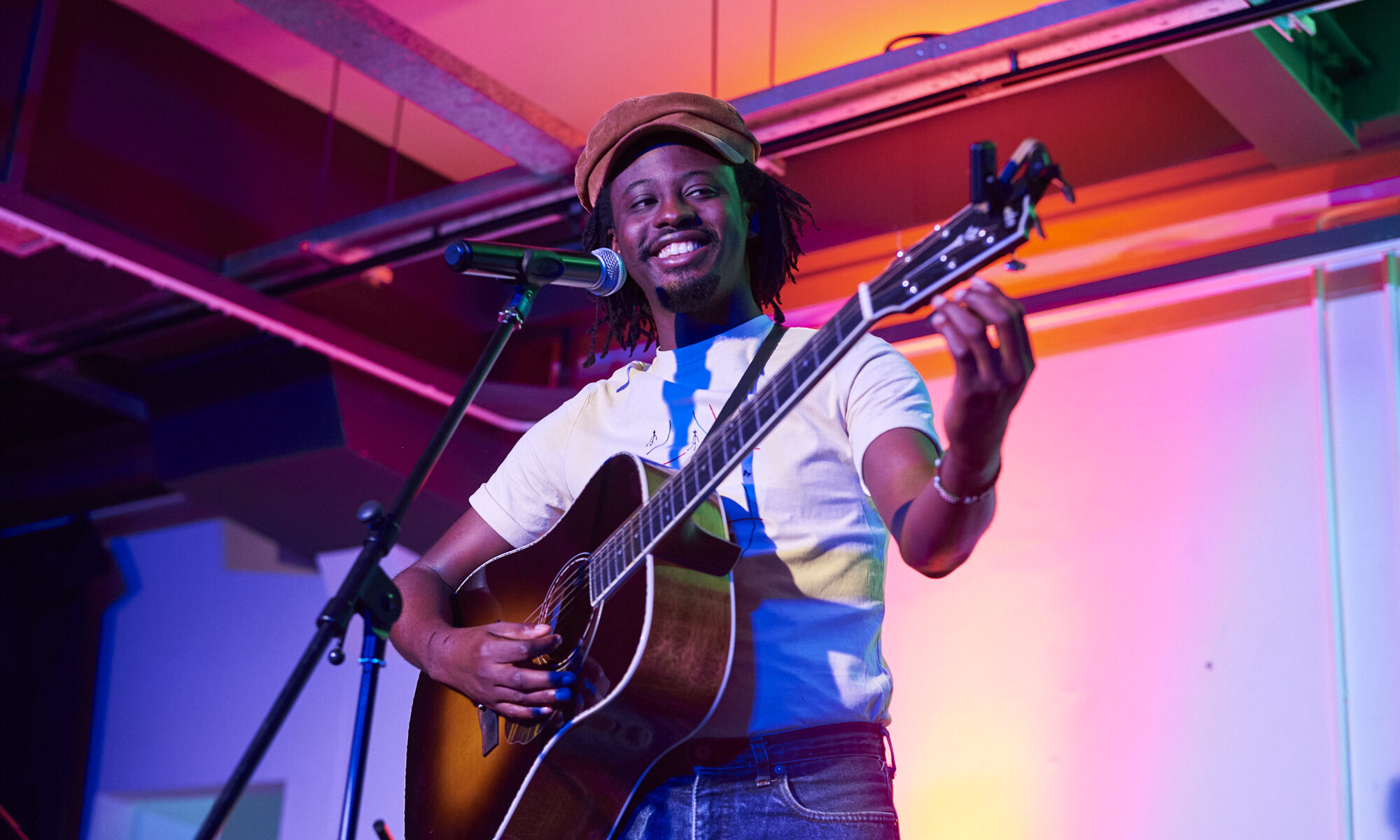
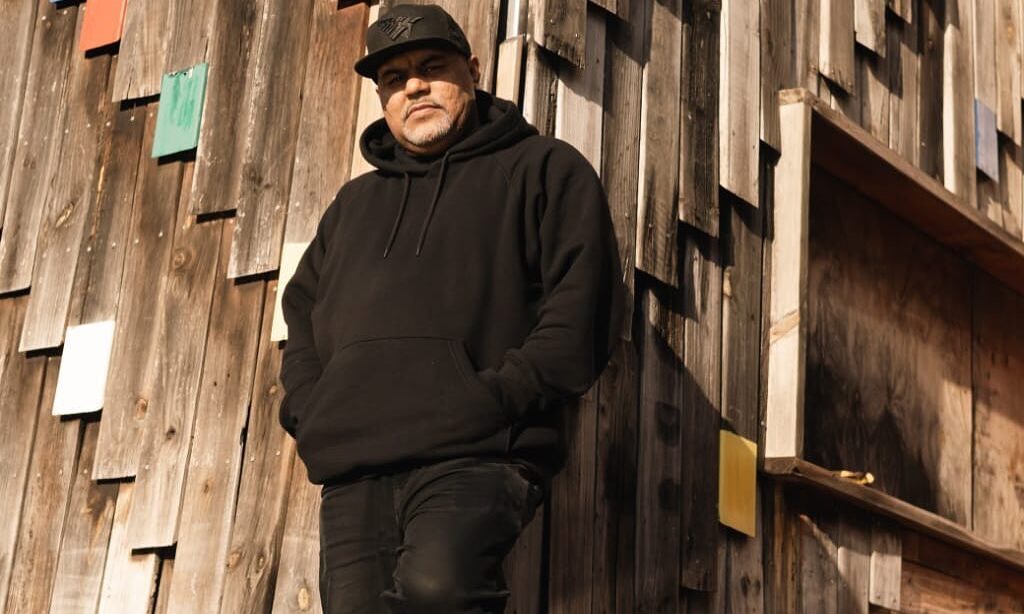
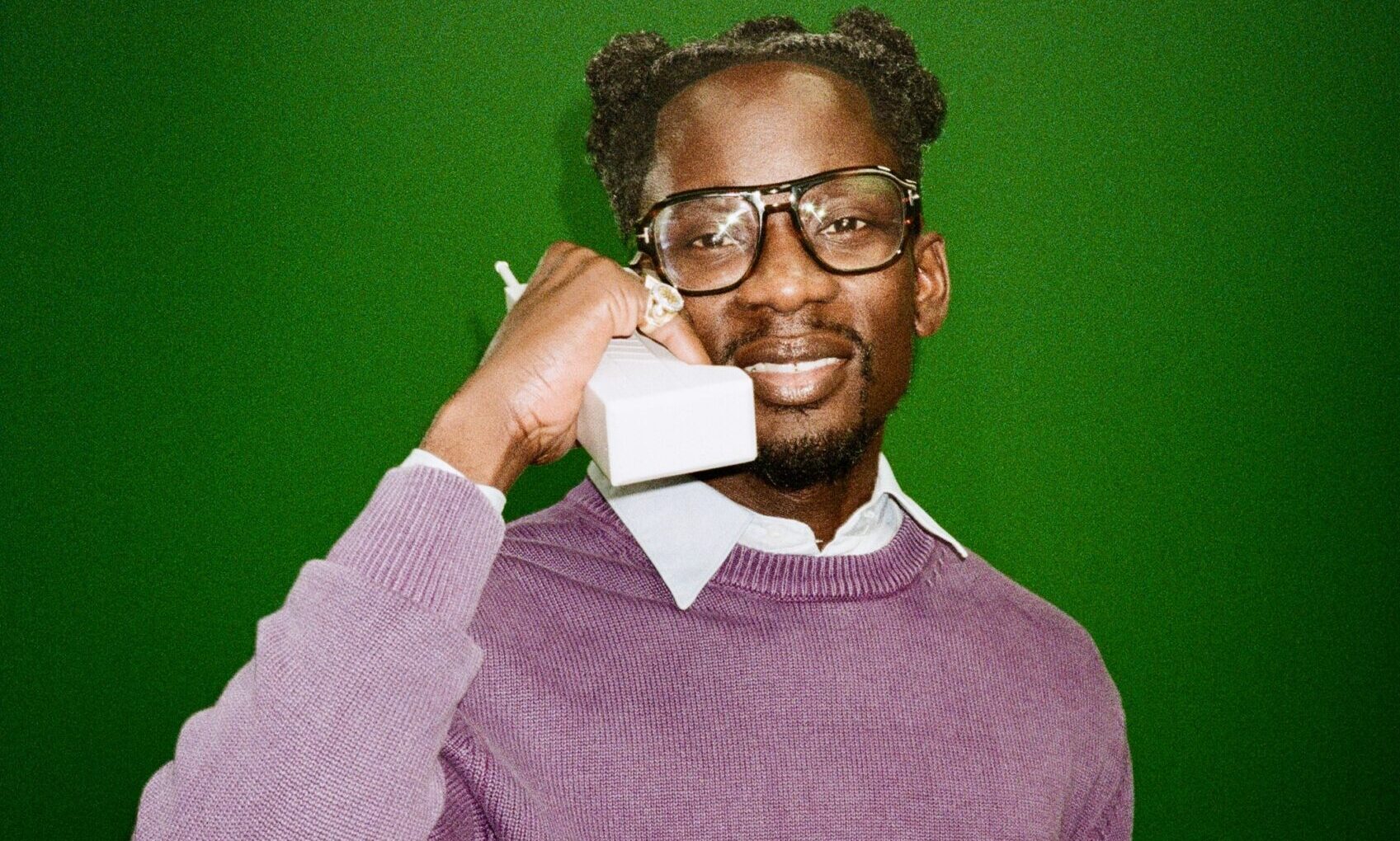
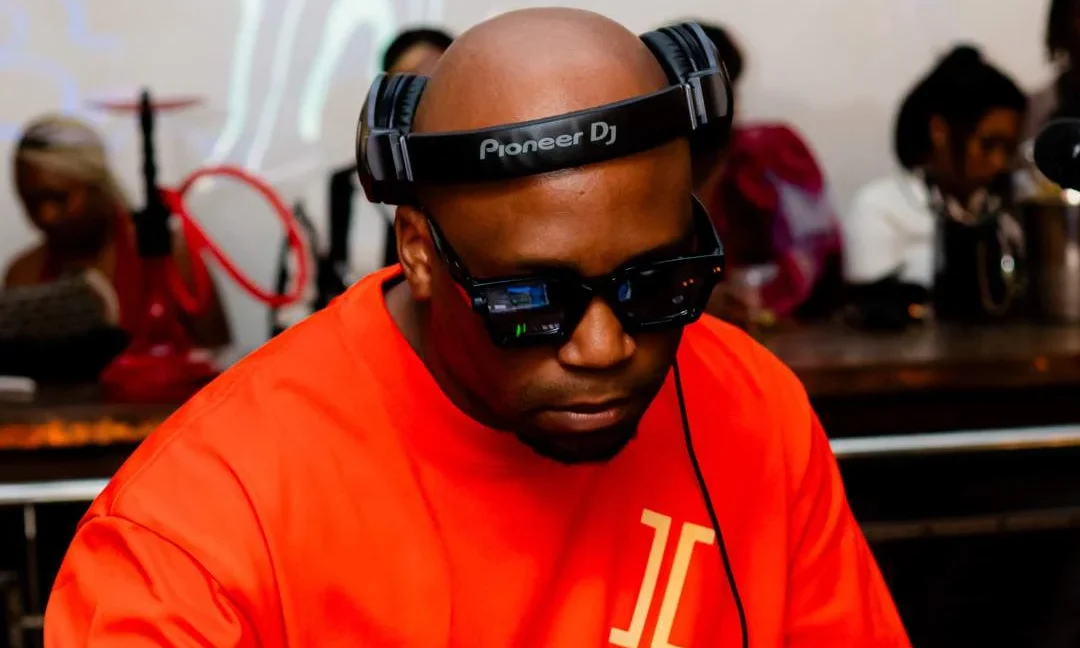
Metal, rock and hip hop – represented by Tremplin competition winner Dzak and runner-up Blandy, as well as Toto (Morocco), Jokko Fam (an all-female crew comprising members from Morocco, Senegal and Mauritania), Nix (Senegal), Oxmo Puccino (Mali/France) and Shayfeen & Madd (Morocco) – were not the only genres programmed at Boulevard, with fusion, world and dub making memorable appearances at this year's festival.
The strongest performance at Boulevard Festival was arguably by Mbokka Project, a fusion band brought together by Moroccan association Afrikayna, which is also responsible for the Africa Art Lines mobility programme. Mbokka is one of those bands that can present a universe of styles and compositions in just one hour. The project is made up of balafon player Kalifa Dembele (Mali), singer Mariam Kone (Mali), singer and guitarist Kya Loum (Senegal), lead guitarist Brahim Wone (Senegal), bassist Arnoud N'Gaza (Ivory Coast), guembri player Mourad Belouadi (Morocco) and drummer Adil Hanine (Morocco). With seven accomplished musicians, the possibilities are virtually endless; every member possesses the ability to lead the band depending on the composition, while the combination of styles makes for a truly unique project that presents the pan-African spirit in a simple and unadulterated way. This time, however, there were no firecrackers thrown at photographers and security personnel alike.
The last night of the festival saw dub legend Mad Professor & The Robotics (UK) give the Boulevard sound system a run for its money, with the band pushing the subs to near disintegration. Another group that impressed from the world/fusion idiom were desert blues/psych rockers Tootard, who hail from the Golan Heights and whose frontman Hasan Nakhleh reminds the listener of Nigerien blues man Bombino on a strong dose of LSD. Watch out for this band.


Most popular

Top Naija songs of 2026
31 Mar 2026

Top amapiano songs of 2026
16 Feb 2026

Top Afrobeats songs of 2026
19 Mar 2026

AFRIMA 2026: All the winners
12 Jan 2026
Call for applications: ACCES 2026 Emerging Artist Spotlight Competition
01 Oct 2026
CAPASSO backs global principles for fair generative AI music licensing
06 Oct 2026
Disclaimer: Music In Africa provides a platform for musicians and contributors to embed music and videos solely for promotional purposes. If any track or video embedded on this platform violates any copyrights please inform us immediately and we will take it down. Please read our Terms of Use for more.

Subscribe to our monthly Newsletter
Follow us on social media


Please log in to post a comment.