
























NEFCISA
NEFCISA

The Music In Africa Foundation (MIAF) is proud of its partnership with the Industrial Development Corporation (IDC) as a Strategic Implementing Partner (SIP) for its Social Employment Fund (SEF). Through this collaboration, MIAF is running a national programme that is creating jobs, addressing skills gaps, and strengthening South Africa's creative industries — in line with the SEF's overarching goal to generate work for the common good and build community value through employment, social contribution, and inclusive economic participation. Operating under the banner NEFCISA (National Employment Facility for Creative Industries in South Africa), the initiative is recruiting and training participants, matching them with host organisations, and has already placed 1 500 workers across the country — surpassing its original target of 1 000. NEFCISA is delivered through a network of 20 host organisations spanning five provinces, who are actively hosting participants and contributing to work for the common good across South Africa's creative and cultural industries. Key Objectives: Support employment and entrepreneurship in the creative industries. Offer skills development and training programmes. Foster partnerships between public and private creative sectors. Promote South African creativity at both provincial and national levels Foster community development through social contribution.

ACCES
ACCES

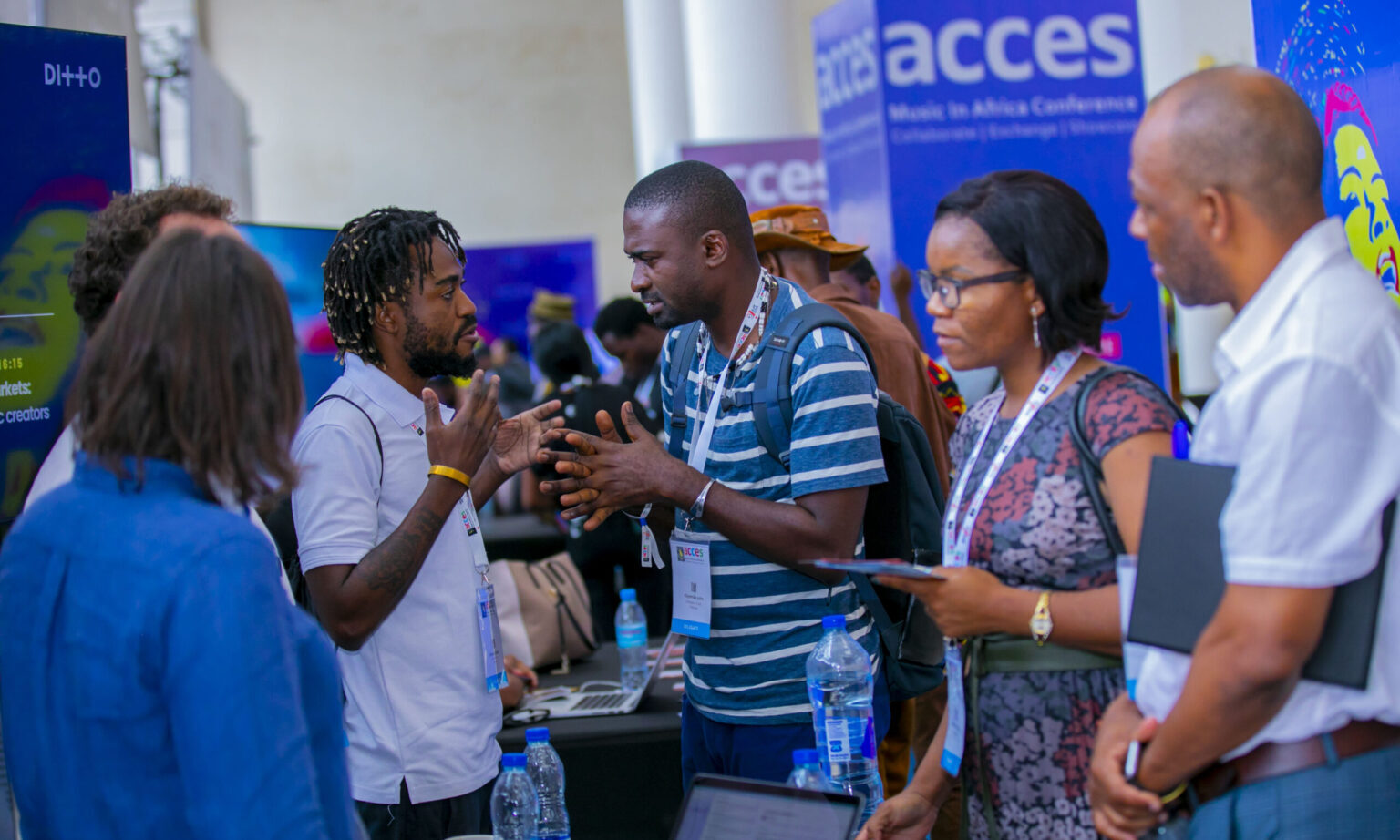
ACCES Conference and Showcase Festival is Africa's leading music industry gathering, bringing together the people shaping the future of the continent's music business. Artists, entrepreneurs, executives, investors, policymakers and cultural leaders from across Africa and around the world come to ACCES to build partnerships, exchange ideas, discover talent and create new business opportunities. Since its launch in 2017, ACCES has become the continent's premier platform for professional exchange and music market development. Combining a high-level conference with a curated showcase festival, networking, exhibitions and industry programmes, ACCES offers a unique space where creativity meets business and where African music connects with the global industry.

Gender@Work
Gender@Work

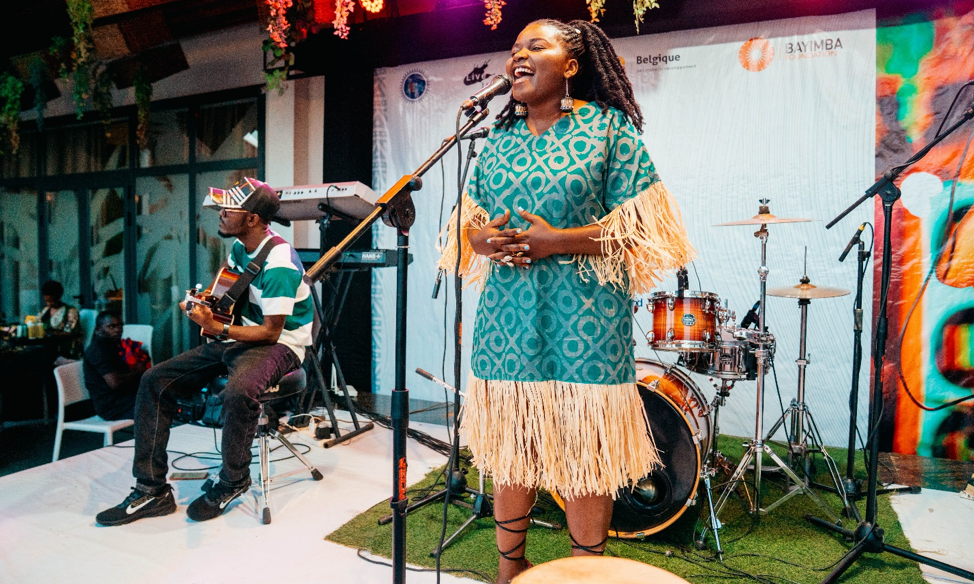
Music In Africa Gender @ Work is a three-year training programme aimed at upskilling and increasing the participation of female professionals in the African music sector. Launched by the Music In Africa Foundation (MIAF) in April 2019, the programme is connected to the MIAF’s ACCES music conference – a pan-African event held in a different African country every year. This connection enables the programme to reach new participants in a different African country every year. The programme marks the beginning of a more concerted effort by the Foundation to support the participation and inclusion of women in all facets of its programmes and the music sector in Africa as a whole. Over the three years, the programme will aim to address gender imbalances in the sector through training, lobbying, facilitating knowledge exchange and dialogues that foster the interest of women. The broader objectives of the programme are to: Provide industry training for women on critical music industry skills, focusing on: Stage management Electronic music production and recording Music business management Technical knowledge Provide an opportunity for both professional and aspiring women to benefit from the Music In Africa network and its broad range of activities in 2019, 2020 and 2021. Provide a solution-based platform in the form of a round table at ACCES with a view to identify challenges, discuss opportunities and lobby for the interests of female practitioners. Offer participants the opportunity to benefit from programmes offered by MIAF’s partners. Increase access to educational materials. Integrate participants in the broader ACCES programme to maximise experience and exposure to the industry. Record and present training materials on the www.musicinafrica.net, including but not limited to tutorials, templates and other best-practice materials. Communicate women-based themes that support the initiatives and messages of the programme. MAIN TRAINING ACTIVITIES Training in first country (Ghana): In the first year, participants will be trained on all aspects of stage management by a team of experienced stage managers from 10 to 17 November 2019. The programme will offer robust classroom training as well as practical, hands-on training in which participants will also be given the opportunity to manage various aspects of the ACCES performance programme. Training in second country: The second training iteration will take place at ACCES 2020 when the programme will diversify its course to include music production lessons and training on other music business topics. A round-table platform will also be introduced to coincide with the ACCES programme. Training in third country: The third training iteration will take place at ACCES 2021 in a different country, offering an advanced course. HOW DO YOU GET INVOLVED?  As a participant, facilitator or trainer: The programme enrolls up to 12 trainees every year. All opportunities are advertised publicly on this website, and will be added to this page. Please keep checking this page for new calls (below under UPDATES & CURRENT OPPORTUNITIES). As a partner Please contact Claire Metais at [email protected]. APPLY The call for applications for 2020 will be announced soon. The Music In Africa Gender @ Work programme is made possible with the support of the Prince Claus Fund, Siemens Stiftung and Goethe-Institut.

Sound Connects Fund
Sound Connects Fund

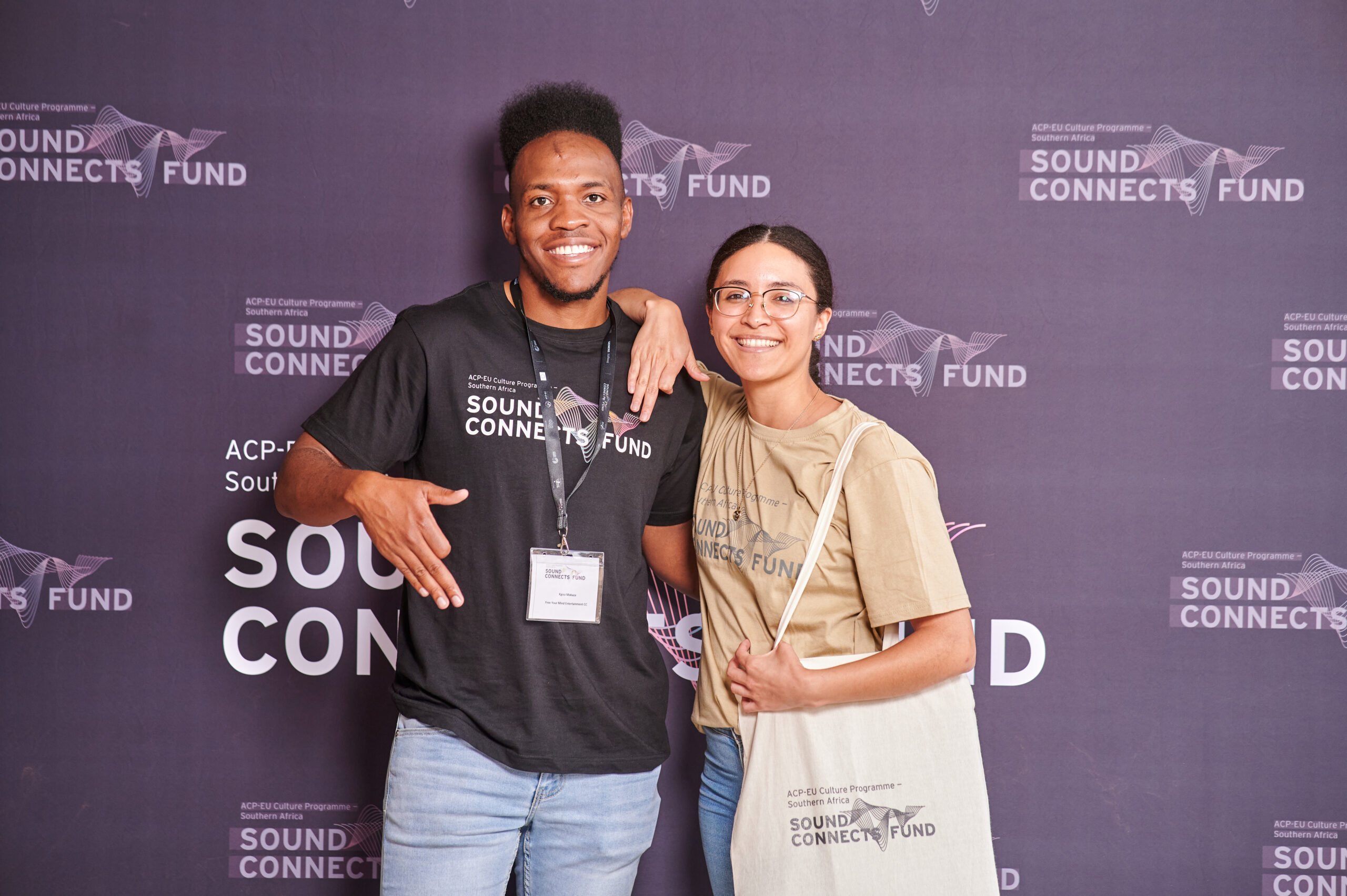
For cultural and creative practitioners and organisations operating in southern Africa, access to funding remains a major challenge. The COVID-19 pandemic has also had a massive impact on government policy, spending and the economy in general, and has seen spending on culture being moved further down the list of priorities. Further, the cultural and creative industries repeatedly cite four main areas where investment is needed for growth, which are increased visibility, mobility including access to new markets, finance and support structures.

Instrument Building And Repair Project

Experience the Vibrations African Instruments Exhibition online in 3D

opportunities

Open call: Cultural grants for heritage organisations in Southern Africa
08 Jan 2026 - 07:43

cc-img flag-img

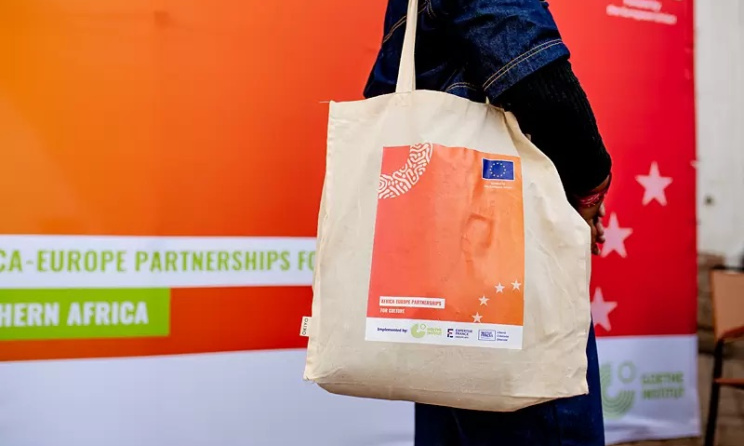
The Goethe-Institut has opened a call for applications for non-profit, non-governmental organisations in Botswana, eSwatini, Lesotho, Namibia, South Africa and Zimbabwe under the project Africa–Europe Partnerships for Culture: Southern Africa. The initiative is funded by the European Union and seeks to strengthen cultural cooperation within Southern Africa and between the region and Europe.
The deadline for applications is 13 February 2026.

The call aims to select at least eight organisations to lead so-called “Narrative Clusters”, collaborative frameworks in which heritage organisations work with interdisciplinary artists and creatives to develop new narratives around tangible and intangible cultural heritage. Selected organisations will be eligible for grants of up to €55 000 to manage these clusters, support co-productions and present the resulting work to local audiences over a 15-month period.

Focus on heritage narratives

Within the framework of the project, a heritage narrative is understood as a story that brings heritage sites or practices to life and enables communities and wider audiences to relate to them. These narratives are actively created and are intended to connect historical heritage with contemporary issues and future perspectives. They may relate to tangible heritage, such as monuments, artefacts or landscapes, or intangible heritage, including traditions, languages, rituals, music and crafts.

The overall objective of the call is to increase public visibility and understanding of selected heritage narratives and their contemporary relevance in Southern Africa and beyond. The project also seeks to strengthen the capacity of heritage organisations in cultural production, audience engagement and regional and international cooperation.

Narrative clusters and activities

Each selected organisation will lead a Narrative Cluster comprising approximately nine artists or creatives drawn from at least three of the six participating countries. Over a six-month collaboration period, these clusters will develop interdisciplinary co-productions such as performances, exhibitions, installations, films or digital works.

Eligible activities include developing a dedicated call for artists in collaboration with the Goethe-Institut, coordinating cluster activities, hosting a two-week narrative development retreat and joint working sessions, supporting the production of artistic works, and organising multi-day local presentation events. Organisations are also expected to implement outreach activities that engage local communities, including youth and source communities.

Projects are required to integrate cross-cutting principles, including gender equality, inclusion of persons with disabilities and environmentally sustainable practices.

Eligibility and selection

Applicants must be legally registered non-profit, non-governmental organisations operating in one of the six project countries for at least two years, with a demonstrated track record in managing or representing tangible or intangible heritage. Preference will be given to organisations connected to lesser-known heritage sites or practices, particularly those outside major urban centres.

Applications will be assessed by an independent jury based on criteria including thematic relevance, organisational capacity, access to suitable working facilities, motivation for interdisciplinary collaboration and the quality of proposed outreach activities. Consideration will also be given to geographical balance, gender equality, inclusion and environmental sustainability. Organisations based in eSwatini, Lesotho and Botswana will be prioritised due to limited representation in the previous selection round.

Funding and application process

At least eight grants of up to €55 000 will be awarded. Funding will be disbursed in instalments, subject to milestone-based progress and financial review. Eligible costs include staff costs, event organisation, co-production expenses, outreach activities and costs related to accessibility and sustainability. Certain costs, such as debt repayment, purchase of land or buildings, alcohol, and artists’ travel and accommodation, are excluded.

Applications must be submitted via the Goethe Application Portal. The call opens on 5 January 2026, with a submission deadline of 13 February 2026. Enquiries must be submitted by 6 February 2026. Selected organisations will be notified in early March 2026, and project activities are expected to begin on 16 March 2026.

Further information, including application guidelines and FAQs, is available on the Goethe-Institut website. Queries can be directed to the Goethe-Institut Johannesburg at [email protected].

The original call document is available for download below.

Please log in to post a comment.

Most popular

Disclaimer: Music In Africa provides a platform for musicians and contributors to embed music and videos solely for promotional purposes. If any track or video embedded on this platform violates any copyrights please inform us immediately and we will take it down. Please read our Terms of Use for more.

newsletter banner

Subscribe to our monthly Newsletter

Follow us on social media