
















NEFCISA
NEFCISA

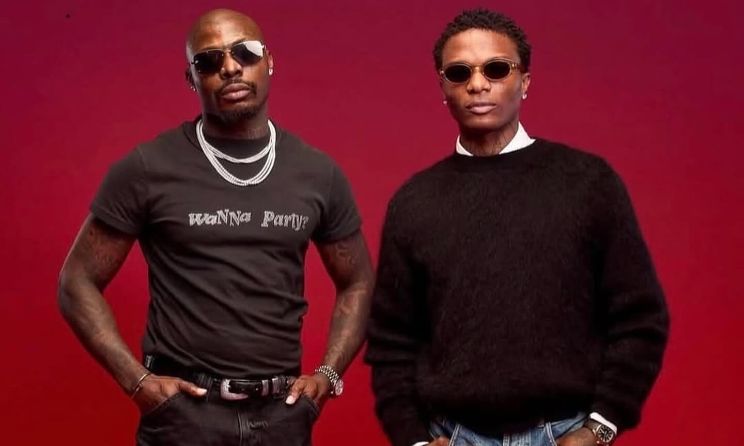
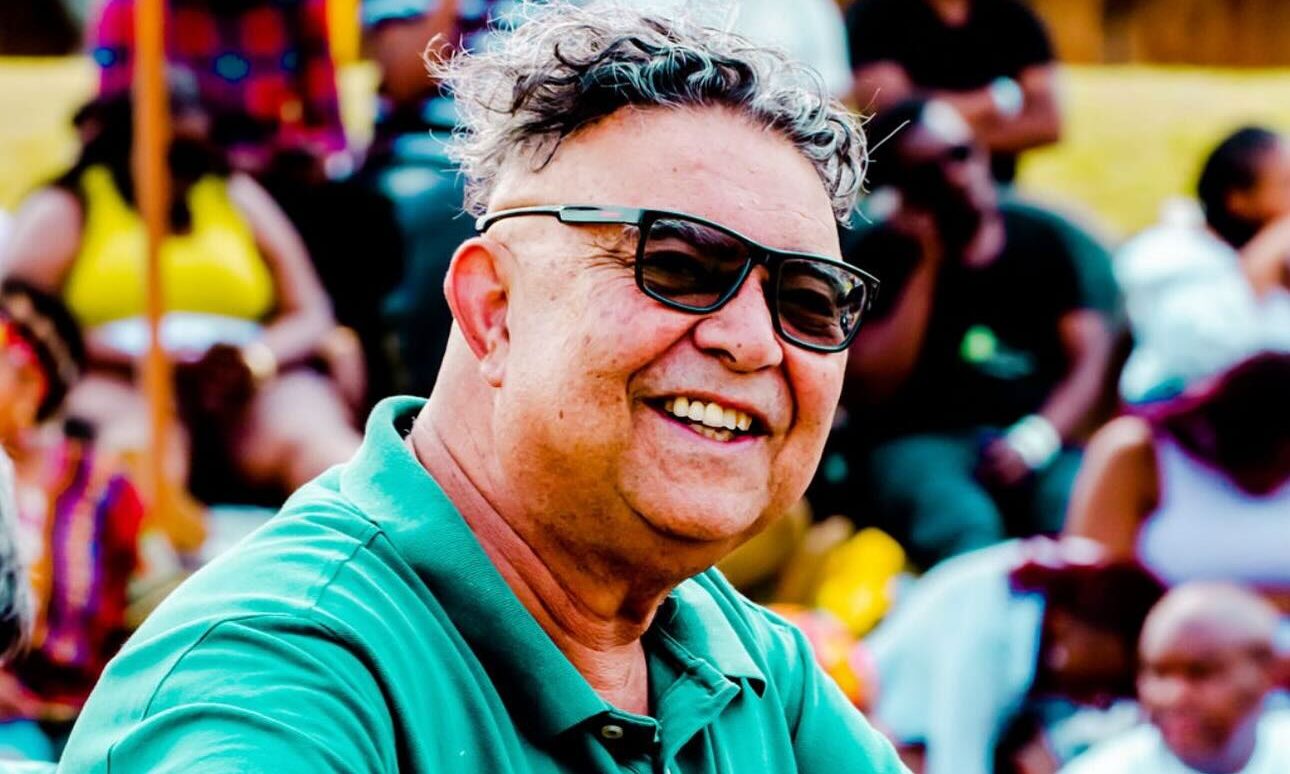
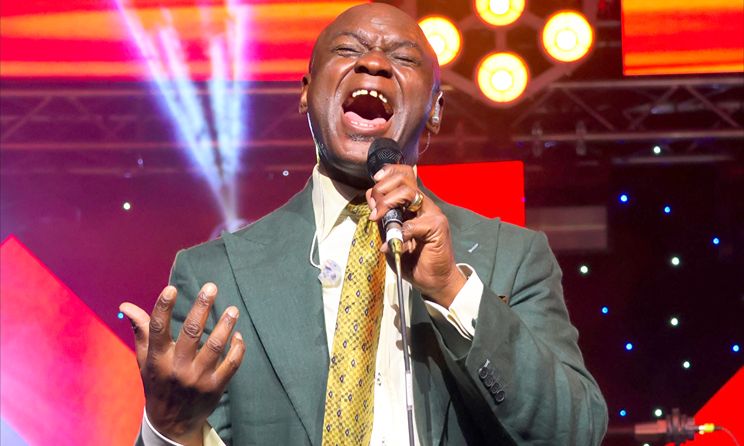
The Music In Africa Foundation (MIAF) is proud of its partnership with the Industrial Development Corporation (IDC) as a Strategic Implementing Partner (SIP) for its Social Employment Fund (SEF). Through this collaboration, MIAF is running a national programme that is creating jobs, addressing skills gaps, and strengthening South Africa's creative industries — in line with the SEF's overarching goal to generate work for the common good and build community value through employment, social contribution, and inclusive economic participation. Operating under the banner NEFCISA (National Employment Facility for Creative Industries in South Africa), the initiative is recruiting and training participants, matching them with host organisations, and has already placed 1 500 workers across the country — surpassing its original target of 1 000. NEFCISA is delivered through a network of 20 host organisations spanning five provinces, who are actively hosting participants and contributing to work for the common good across South Africa's creative and cultural industries. Key Objectives: Support employment and entrepreneurship in the creative industries. Offer skills development and training programmes. Foster partnerships between public and private creative sectors. Promote South African creativity at both provincial and national levels Foster community development through social contribution.

ACCES
ACCES

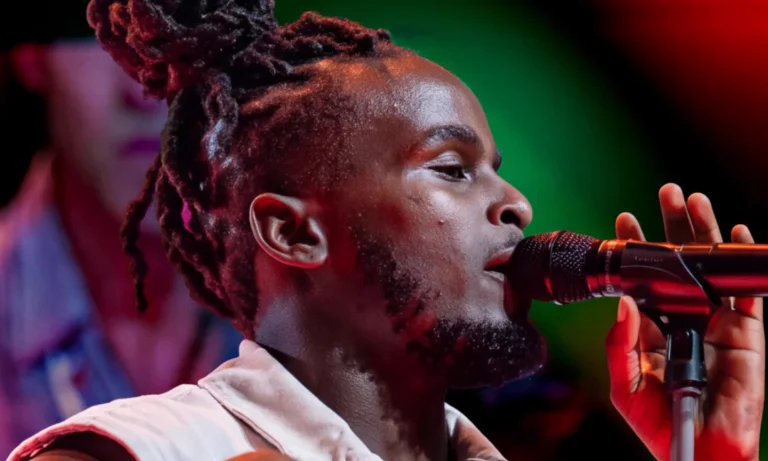
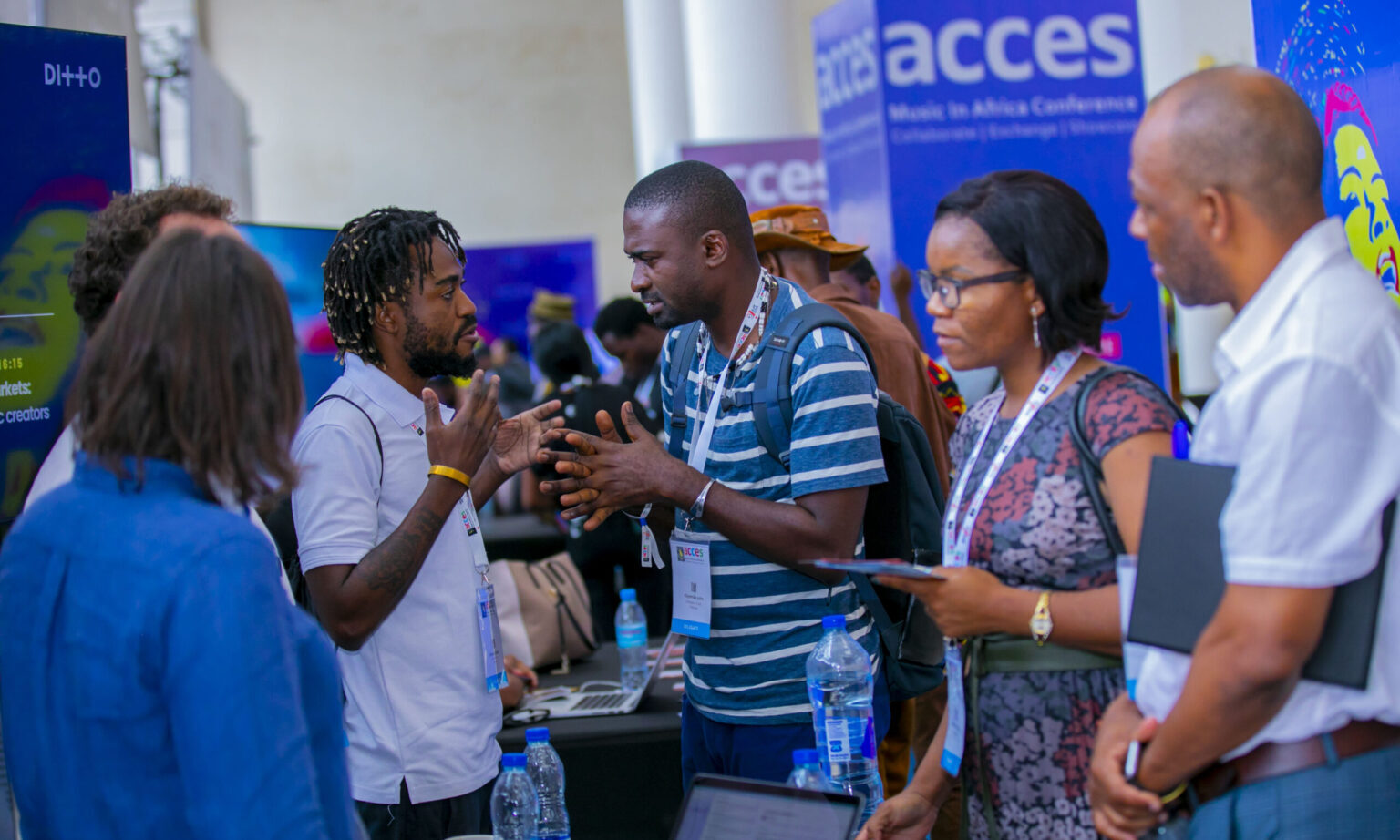
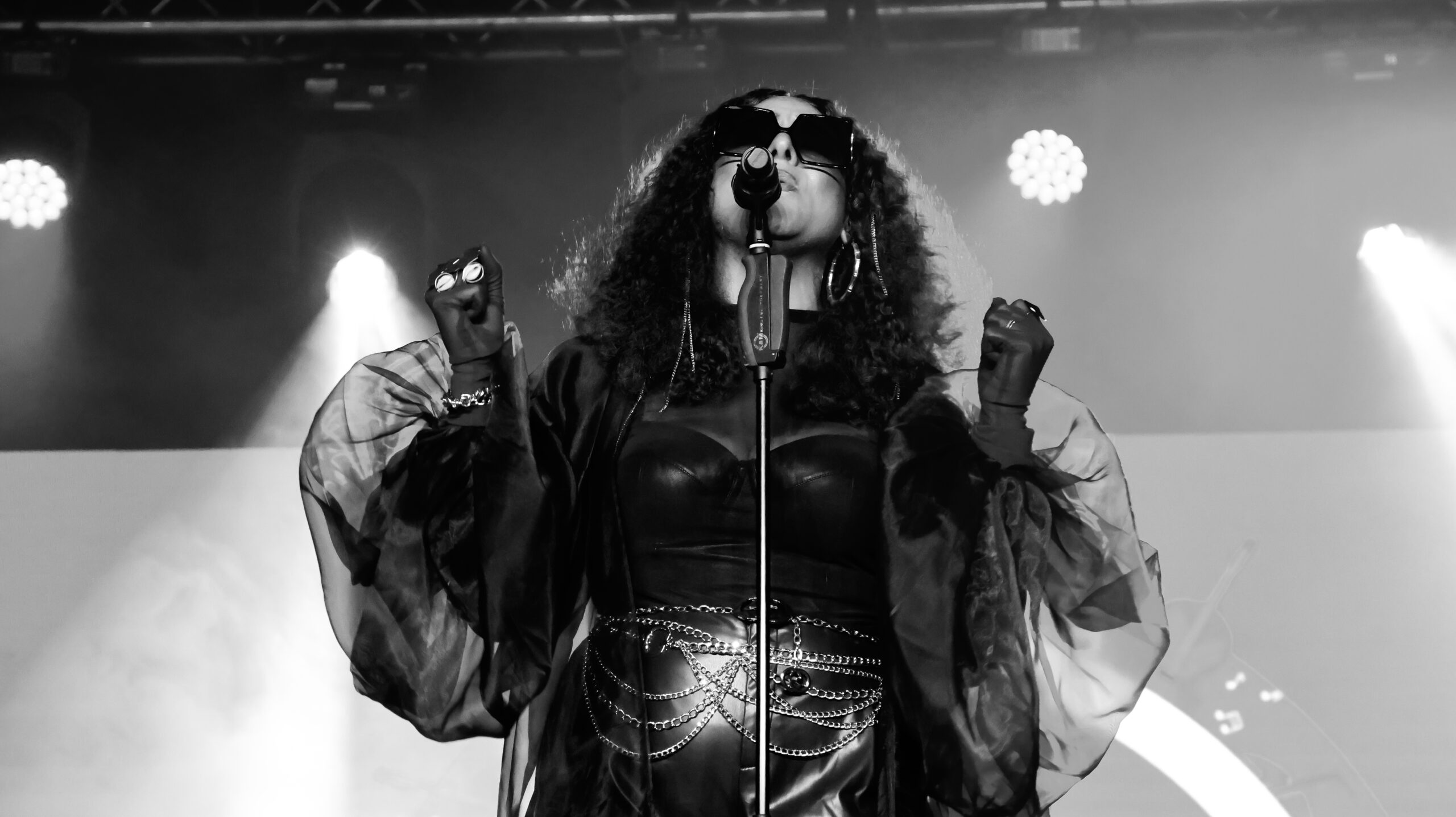
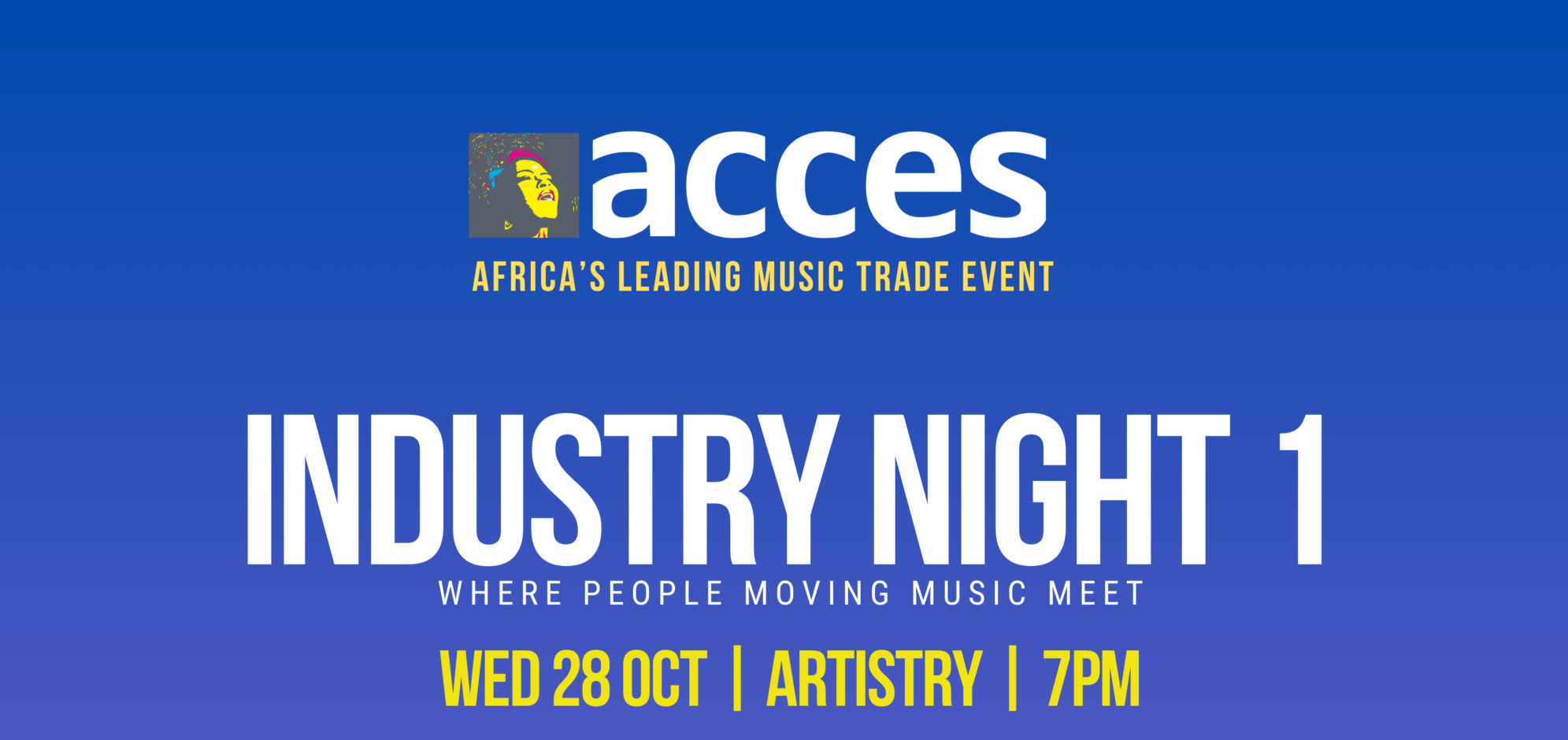
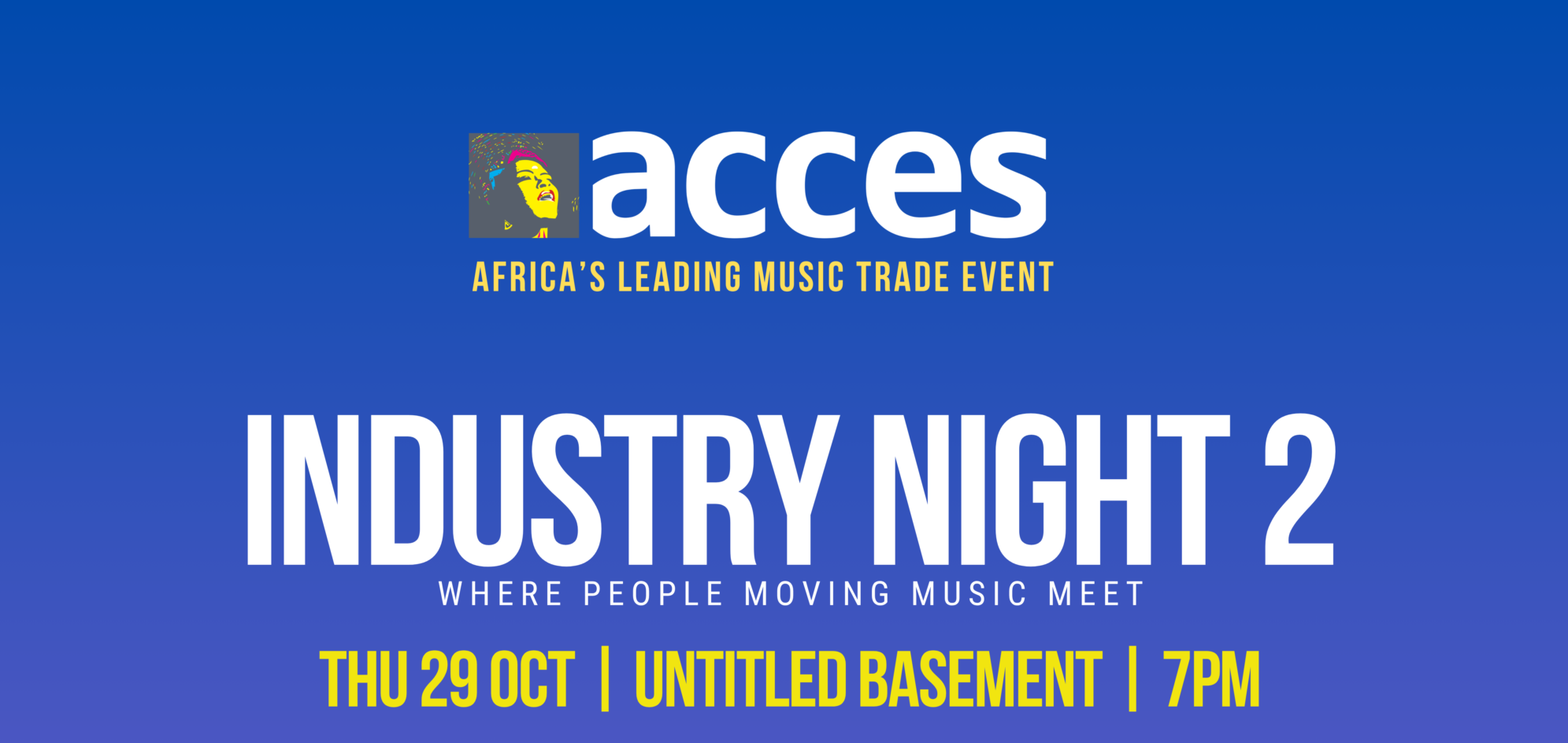
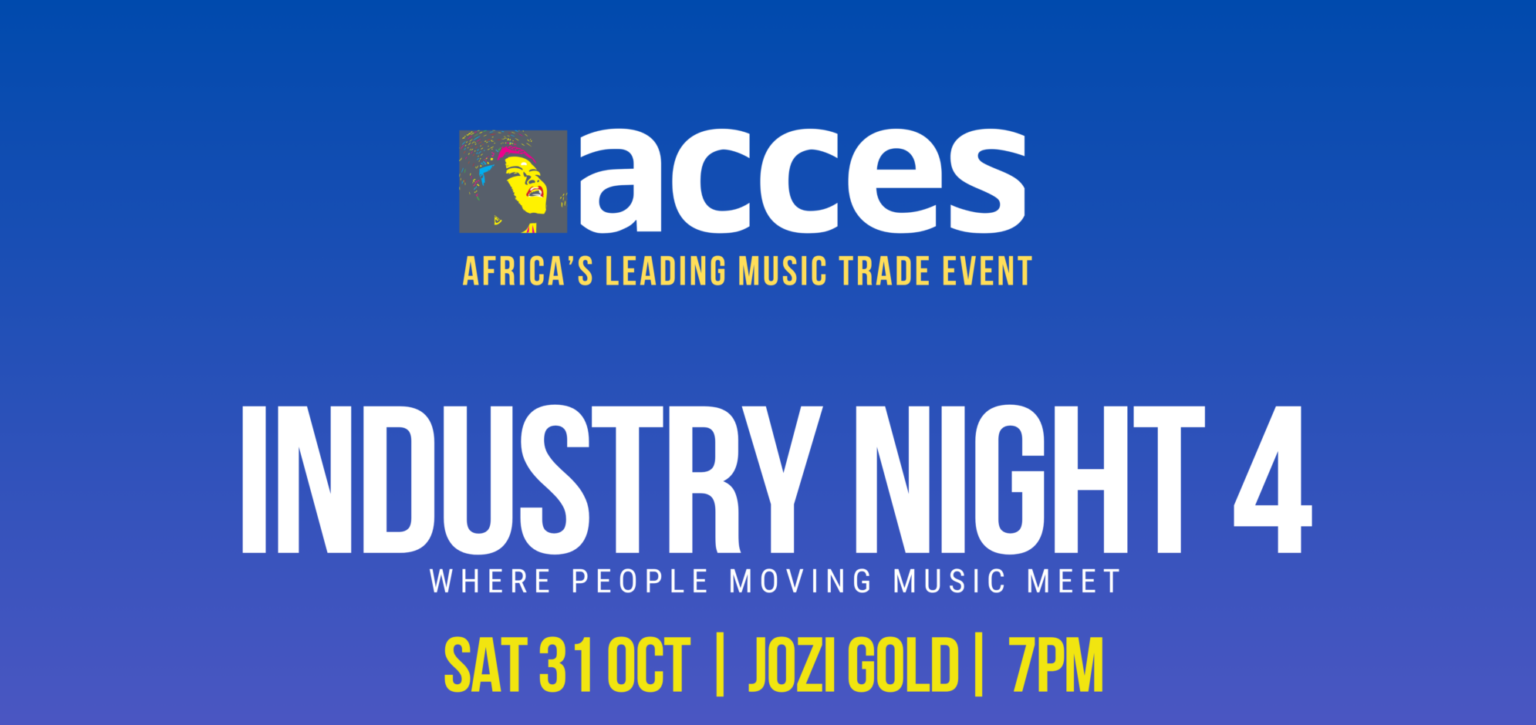
ACCES Conference and Showcase Festival is Africa's leading music industry gathering, bringing together the people shaping the future of the continent's music business. Artists, entrepreneurs, executives, investors, policymakers and cultural leaders from across Africa and around the world come to ACCES to build partnerships, exchange ideas, discover talent and create new business opportunities. Since its launch in 2017, ACCES has become the continent's premier platform for professional exchange and music market development. Combining a high-level conference with a curated showcase festival, networking, exhibitions and industry programmes, ACCES offers a unique space where creativity meets business and where African music connects with the global industry.

Gender@Work
Gender@Work

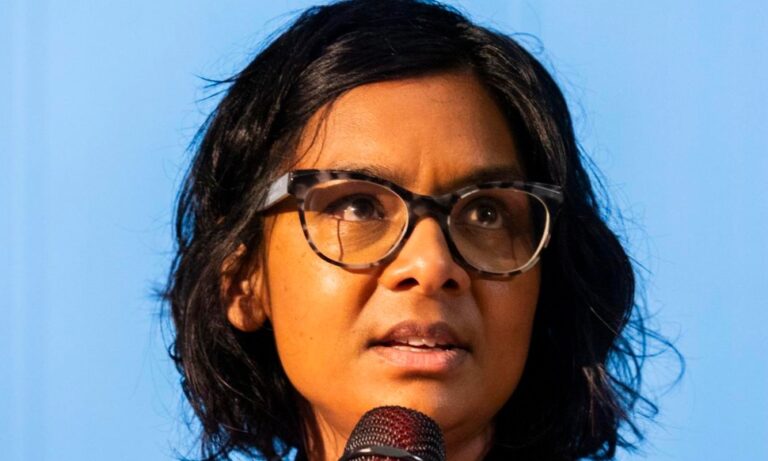
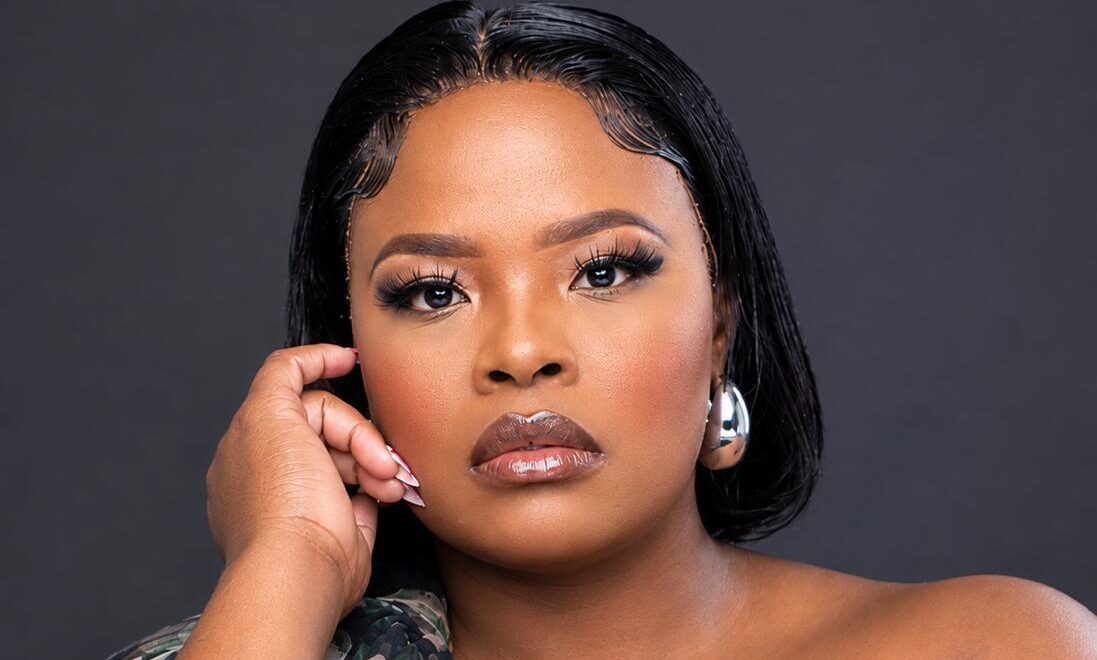
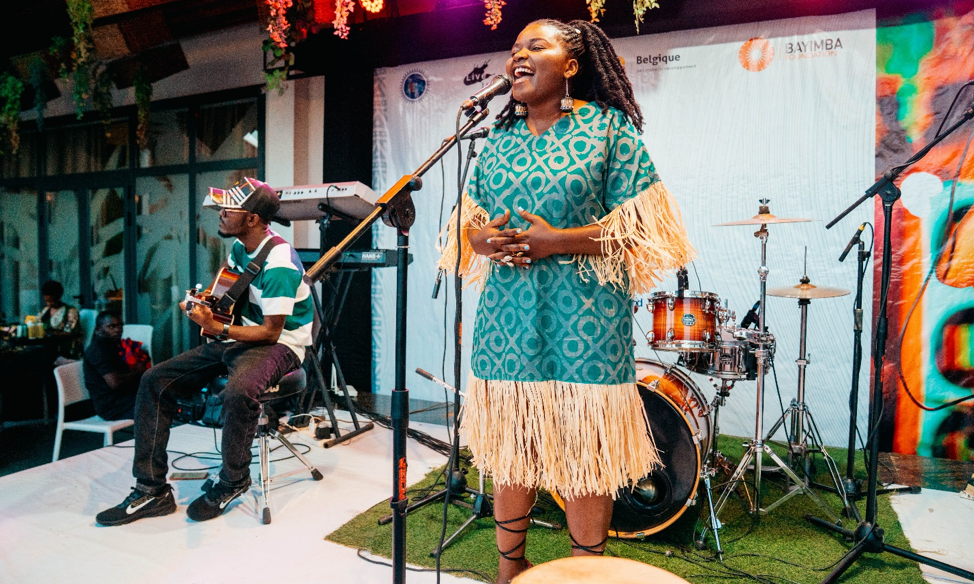
Music In Africa Gender @ Work is a three-year training programme aimed at upskilling and increasing the participation of female professionals in the African music sector. Launched by the Music In Africa Foundation (MIAF) in April 2019, the programme is connected to the MIAF’s ACCES music conference – a pan-African event held in a different African country every year. This connection enables the programme to reach new participants in a different African country every year. The programme marks the beginning of a more concerted effort by the Foundation to support the participation and inclusion of women in all facets of its programmes and the music sector in Africa as a whole. Over the three years, the programme will aim to address gender imbalances in the sector through training, lobbying, facilitating knowledge exchange and dialogues that foster the interest of women. The broader objectives of the programme are to: Provide industry training for women on critical music industry skills, focusing on: Stage management Electronic music production and recording Music business management Technical knowledge Provide an opportunity for both professional and aspiring women to benefit from the Music In Africa network and its broad range of activities in 2019, 2020 and 2021. Provide a solution-based platform in the form of a round table at ACCES with a view to identify challenges, discuss opportunities and lobby for the interests of female practitioners. Offer participants the opportunity to benefit from programmes offered by MIAF’s partners. Increase access to educational materials. Integrate participants in the broader ACCES programme to maximise experience and exposure to the industry. Record and present training materials on the www.musicinafrica.net, including but not limited to tutorials, templates and other best-practice materials. Communicate women-based themes that support the initiatives and messages of the programme. MAIN TRAINING ACTIVITIES Training in first country (Ghana): In the first year, participants will be trained on all aspects of stage management by a team of experienced stage managers from 10 to 17 November 2019. The programme will offer robust classroom training as well as practical, hands-on training in which participants will also be given the opportunity to manage various aspects of the ACCES performance programme. Training in second country: The second training iteration will take place at ACCES 2020 when the programme will diversify its course to include music production lessons and training on other music business topics. A round-table platform will also be introduced to coincide with the ACCES programme. Training in third country: The third training iteration will take place at ACCES 2021 in a different country, offering an advanced course. HOW DO YOU GET INVOLVED?  As a participant, facilitator or trainer: The programme enrolls up to 12 trainees every year. All opportunities are advertised publicly on this website, and will be added to this page. Please keep checking this page for new calls (below under UPDATES & CURRENT OPPORTUNITIES). As a partner Please contact Claire Metais at [email protected]. APPLY The call for applications for 2020 will be announced soon. The Music In Africa Gender @ Work programme is made possible with the support of the Prince Claus Fund, Siemens Stiftung and Goethe-Institut.

Sound Connects Fund
Sound Connects Fund

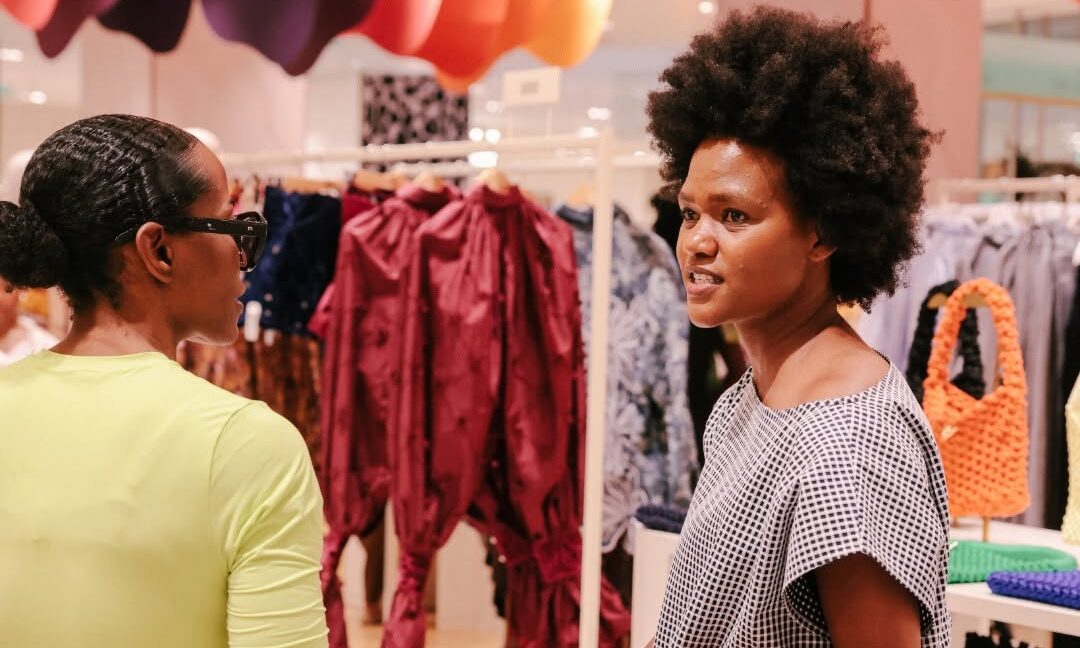
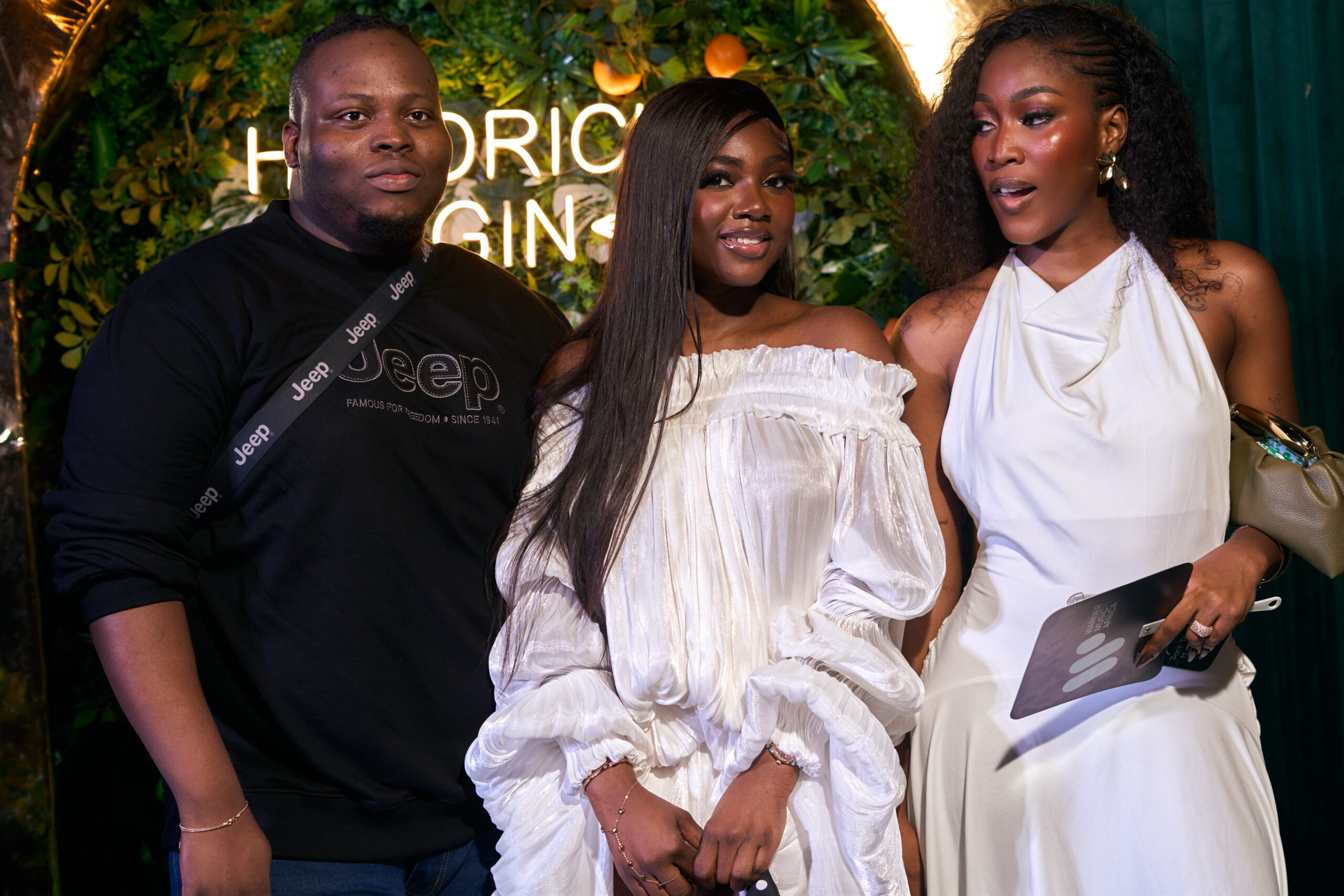
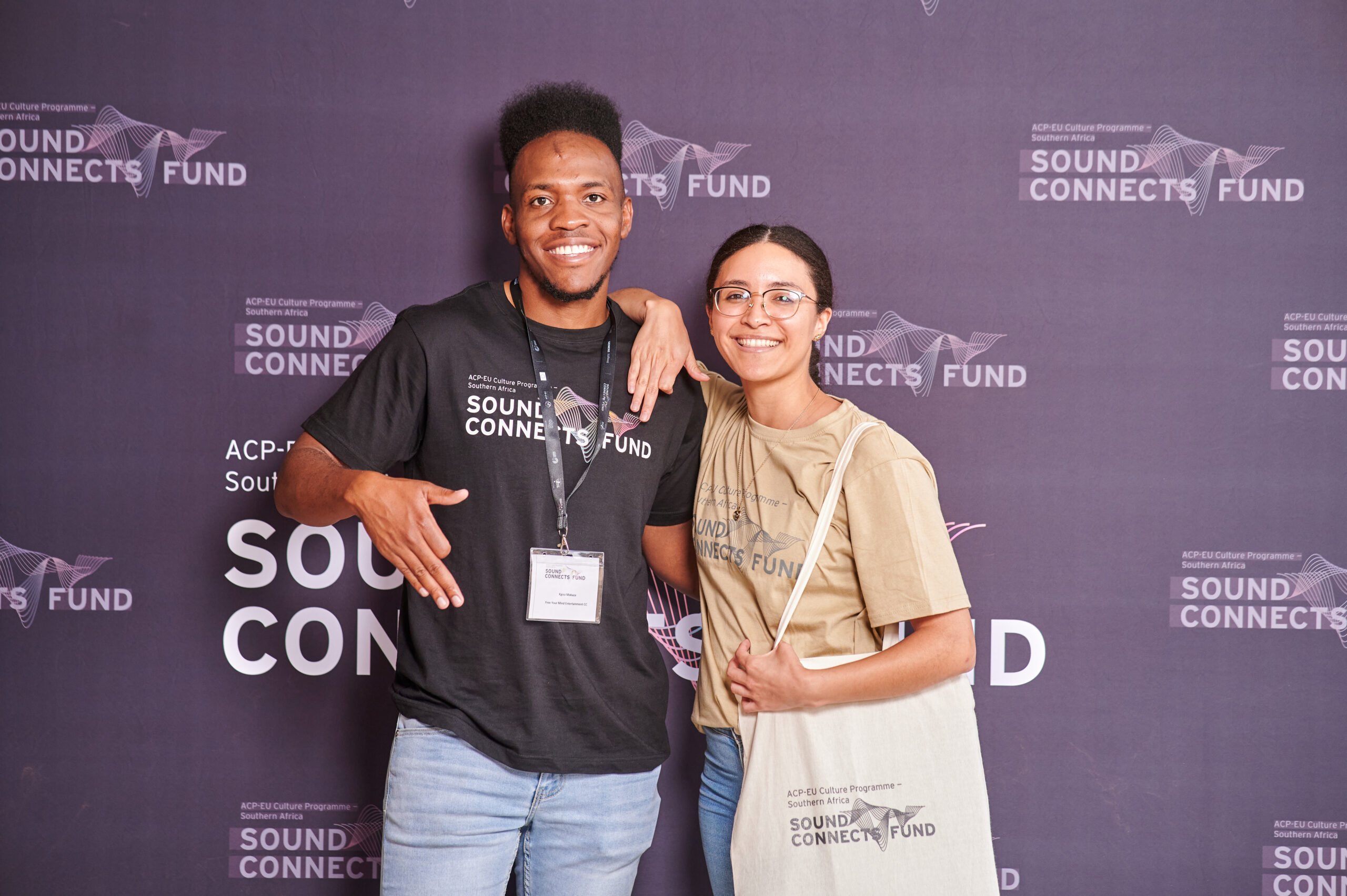
For cultural and creative practitioners and organisations operating in southern Africa, access to funding remains a major challenge. The COVID-19 pandemic has also had a massive impact on government policy, spending and the economy in general, and has seen spending on culture being moved further down the list of priorities. Further, the cultural and creative industries repeatedly cite four main areas where investment is needed for growth, which are increased visibility, mobility including access to new markets, finance and support structures.

Instrument Building And Repair Project

Experience the Vibrations African Instruments Exhibition online in 3D

#malackceangwayi#freddiegwala#Mtharimba#southafrica#zimbabwe

Zimbabwean born artist-manager, Malackcean Gwayi raises icons through purposeful stewardship.

Sibongile Kobo By Sibongile Kobo

03 Feb 2026 - 12:25

cc-img flag-img


Zimbabwean born artist-manager, Malackcean Gwayi is stewarding legacies with the assurance and humility of an industry veteran. In a conversation with Music In Africa’s Sibongile Kobo and Tshifhiwa Tendani Mungoni, the music producer and songwriter reflected on the beginning of a casual commitment that turned into a calling, and the character and hard work that it takes to maintain it to this day. 

 

Humbleness builds solic Foundations

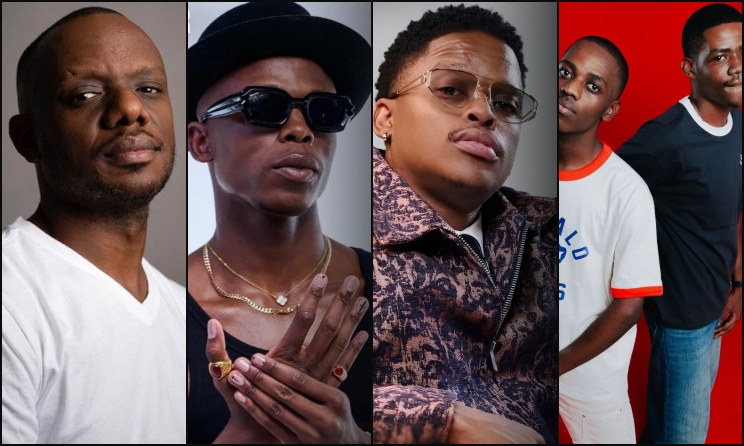
Freddie Gwala, Jacqueline, Neo Maphaka (CJB), Tshedi Malaika, Om Alec, and Mpho Majiga are among the iconic artists under Gwayi’s management. His roster also includes Martin and Ndolwane Super Sounds, Platform ONE, Bafana Kunene, Tafula, and Mini Cooper. Further names on the list are Mtharimba, Sphura Thee Level, Masokana, Mazinywensimbi, Mahlalela, as well as Mike Sibanda and The Sons of the Soil. “There are a lot of artists that I manage,” he explains.

But Malackcean Gwayi is adamant that managing artists started more out of necessity, than a proper plan. “It wasn’t my dream or my aim,” he says. His first experience came around 2013, through working with DJ Oskido’s younger brother, At the time, he admits, he was not looking at management as a lasting career.

But as people around him began to notice the good work he was doing, they continually encouraged him. And in 2020, after consistent hard work, he managed his first big artist: Freddie Gwala. “My first big artist played a huge role in showing me that I can do it,” says Gwayi. This pivotal moment came when a Zimbabwean comedian he was working with, introduced him to one of his colleagues. This visit led them to Freddie Gwala’s home in Soweto and that meeting became the catalyst for a long-term working relationship.

Managing artists and retaining relevancy

His artists vary, in terms of sound, from Afro-influenced music to disco and Amapiano. When it comes to choosing artists, he does not focus on genre. “I don’t choose,” he explains. “I can work with an artist for six months without signing.” For him, the priority is compatibility and understanding. “I want us to understand each other.”

Belief is central to his approach. “You have to believe in the artist first,” he says. Once the artist is signed, that belief translates into a relentless effort to maintain the relevancy of that artist. “Sometimes I don’t sleep,” he says. “I have to be on social media. I don’t just do any marketing, I do aggressive marketing.”

Gwayi plans daily for each artist under his management, always looking to introduce something new. “So I work really hard.” But managing multiple artists at once, for Gwayi, goes beyond contracts. “It’s not all about managing,” he explains. “It’s about checking on them. Asking them, ‘are you okay? Is everything okay?’” He understands that an artist is not merely a music-making-machine, but a human being, and this understanding personally allows him to better advise them, help them navigate challenges and get a level of excellency out of them.

With his artists consistently being booked throughout the year, Gwayi believes that a major key to being a good artist manager begins with a good personal relationship between the artist and the manager. “We must have a connection,” he says. “I must know your cousin. I must know your mom.” He even admits that many of the artists he works with know his family personally, including his mother. “That’s how I work,” Gwayi exclaims. “Like we are a family.” This philosophy extends to promoters, sponsors and event organisers. He makes it a point to actively build relationships by maintaining regular contact.

The African market and the exploitation of artists

His work has extended beyond South Africa into Botswana, Namibia and Zimbabwe, where he has built connections through workshops and collaborations. While he admits it is difficult to compare markets, he believes South Africa currently offers strong opportunities. “South Africa is doing very well when it comes to the market,” he says.

Reflecting on the history of music in Southern Africa, he acknowledges that many iconic artists of the past were exploited. This awareness shapes how he works today. His focus on transparency, trust and long-term relationships is his way of ensuring artists feel protected and valued.

Through consistent hard work, empathy and the constant determination to do better, Malackcean Gwayi is slowly redeeming the failures of the music industry, while building lasting relevance in a business that tends to be brutal at times.

For booking information, contact Malackcean Gwayi here. On (065 )312 3151 or Email :[email protected]

Please log in to post a comment.

Most popular

Disclaimer: Music In Africa provides a platform for musicians and contributors to embed music and videos solely for promotional purposes. If any track or video embedded on this platform violates any copyrights please inform us immediately and we will take it down. Please read our Terms of Use for more.

newsletter banner

Subscribe to our monthly Newsletter

Follow us on social media