
















NEFCISA
NEFCISA

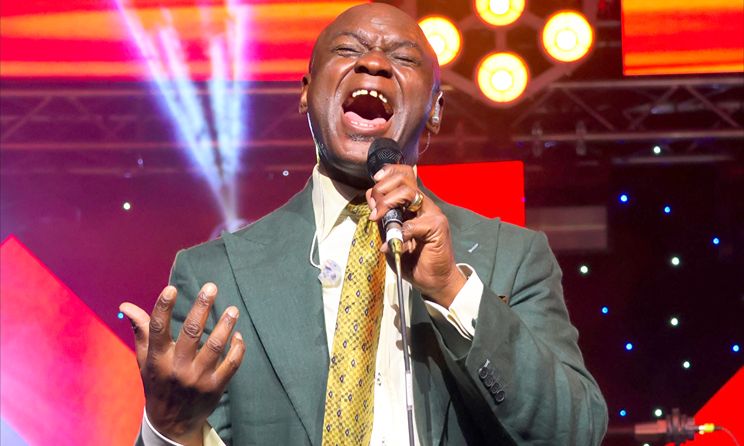
The Music In Africa Foundation (MIAF) is proud of its partnership with the Industrial Development Corporation (IDC) as a Strategic Implementing Partner (SIP) for its Social Employment Fund (SEF). Through this collaboration, MIAF is running a national programme that is creating jobs, addressing skills gaps, and strengthening South Africa's creative industries — in line with the SEF's overarching goal to generate work for the common good and build community value through employment, social contribution, and inclusive economic participation. Operating under the banner NEFCISA (National Employment Facility for Creative Industries in South Africa), the initiative is recruiting and training participants, matching them with host organisations, and has already placed 1 500 workers across the country — surpassing its original target of 1 000. NEFCISA is delivered through a network of 20 host organisations spanning five provinces, who are actively hosting participants and contributing to work for the common good across South Africa's creative and cultural industries. Key Objectives: Support employment and entrepreneurship in the creative industries. Offer skills development and training programmes. Foster partnerships between public and private creative sectors. Promote South African creativity at both provincial and national levels Foster community development through social contribution.

ACCES
ACCES

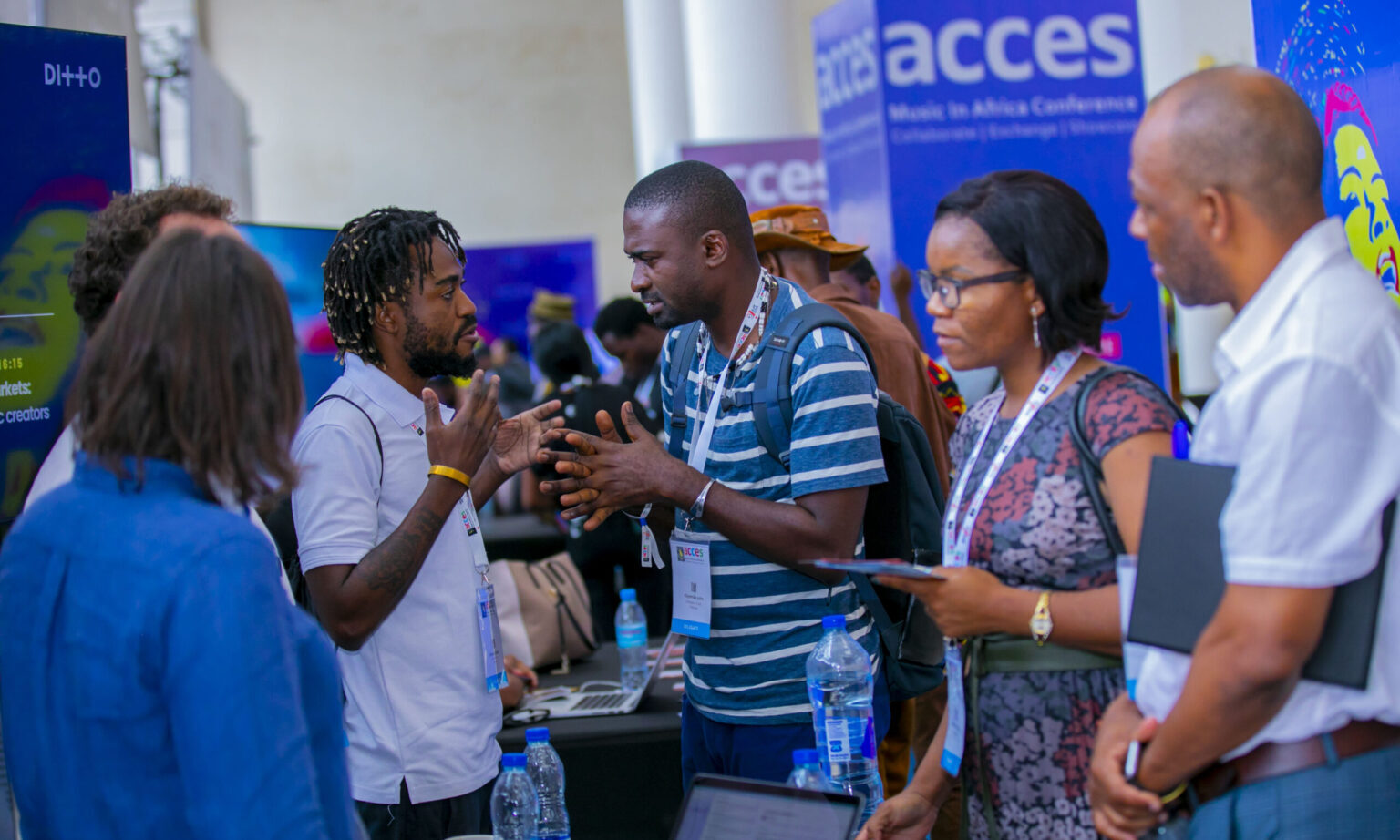
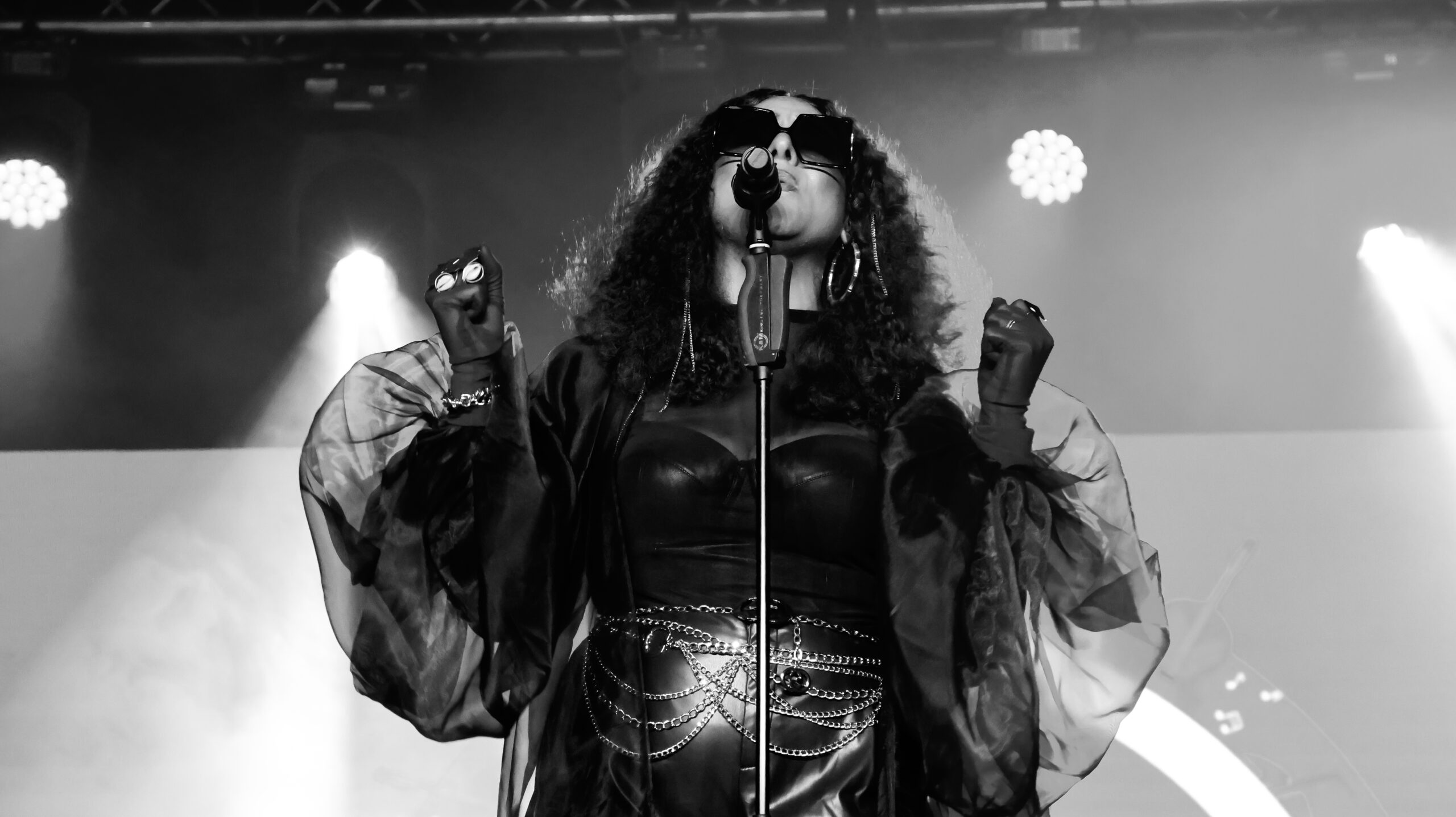
ACCES Conference and Showcase Festival is Africa's leading music industry gathering, bringing together the people shaping the future of the continent's music business. Artists, entrepreneurs, executives, investors, policymakers and cultural leaders from across Africa and around the world come to ACCES to build partnerships, exchange ideas, discover talent and create new business opportunities. Since its launch in 2017, ACCES has become the continent's premier platform for professional exchange and music market development. Combining a high-level conference with a curated showcase festival, networking, exhibitions and industry programmes, ACCES offers a unique space where creativity meets business and where African music connects with the global industry.

Gender@Work
Gender@Work

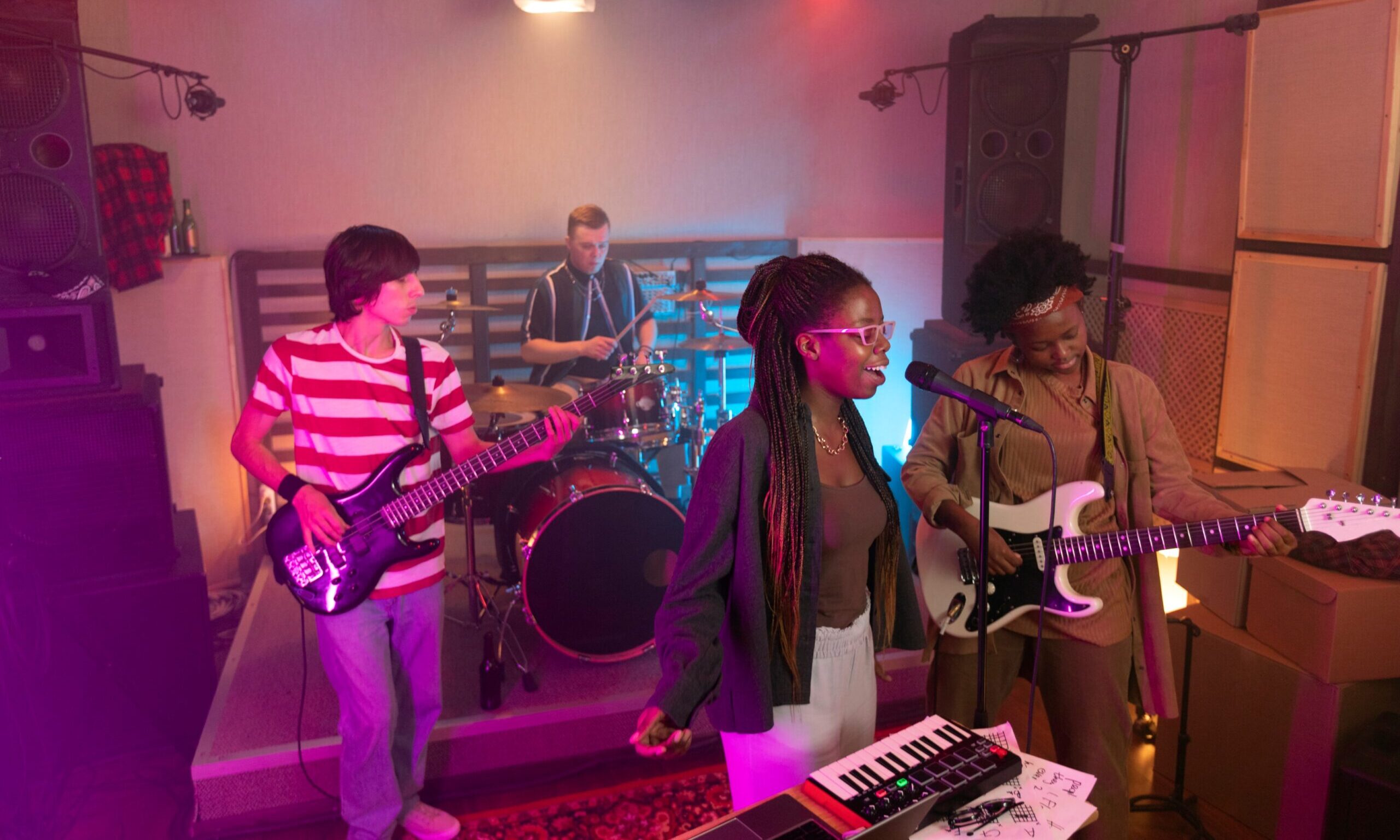
Music In Africa Gender @ Work is a three-year training programme aimed at upskilling and increasing the participation of female professionals in the African music sector. Launched by the Music In Africa Foundation (MIAF) in April 2019, the programme is connected to the MIAF’s ACCES music conference – a pan-African event held in a different African country every year. This connection enables the programme to reach new participants in a different African country every year. The programme marks the beginning of a more concerted effort by the Foundation to support the participation and inclusion of women in all facets of its programmes and the music sector in Africa as a whole. Over the three years, the programme will aim to address gender imbalances in the sector through training, lobbying, facilitating knowledge exchange and dialogues that foster the interest of women. The broader objectives of the programme are to: Provide industry training for women on critical music industry skills, focusing on: Stage management Electronic music production and recording Music business management Technical knowledge Provide an opportunity for both professional and aspiring women to benefit from the Music In Africa network and its broad range of activities in 2019, 2020 and 2021. Provide a solution-based platform in the form of a round table at ACCES with a view to identify challenges, discuss opportunities and lobby for the interests of female practitioners. Offer participants the opportunity to benefit from programmes offered by MIAF’s partners. Increase access to educational materials. Integrate participants in the broader ACCES programme to maximise experience and exposure to the industry. Record and present training materials on the www.musicinafrica.net, including but not limited to tutorials, templates and other best-practice materials. Communicate women-based themes that support the initiatives and messages of the programme. MAIN TRAINING ACTIVITIES Training in first country (Ghana): In the first year, participants will be trained on all aspects of stage management by a team of experienced stage managers from 10 to 17 November 2019. The programme will offer robust classroom training as well as practical, hands-on training in which participants will also be given the opportunity to manage various aspects of the ACCES performance programme. Training in second country: The second training iteration will take place at ACCES 2020 when the programme will diversify its course to include music production lessons and training on other music business topics. A round-table platform will also be introduced to coincide with the ACCES programme. Training in third country: The third training iteration will take place at ACCES 2021 in a different country, offering an advanced course. HOW DO YOU GET INVOLVED?  As a participant, facilitator or trainer: The programme enrolls up to 12 trainees every year. All opportunities are advertised publicly on this website, and will be added to this page. Please keep checking this page for new calls (below under UPDATES & CURRENT OPPORTUNITIES). As a partner Please contact Claire Metais at [email protected]. APPLY The call for applications for 2020 will be announced soon. The Music In Africa Gender @ Work programme is made possible with the support of the Prince Claus Fund, Siemens Stiftung and Goethe-Institut.

Sound Connects Fund
Sound Connects Fund

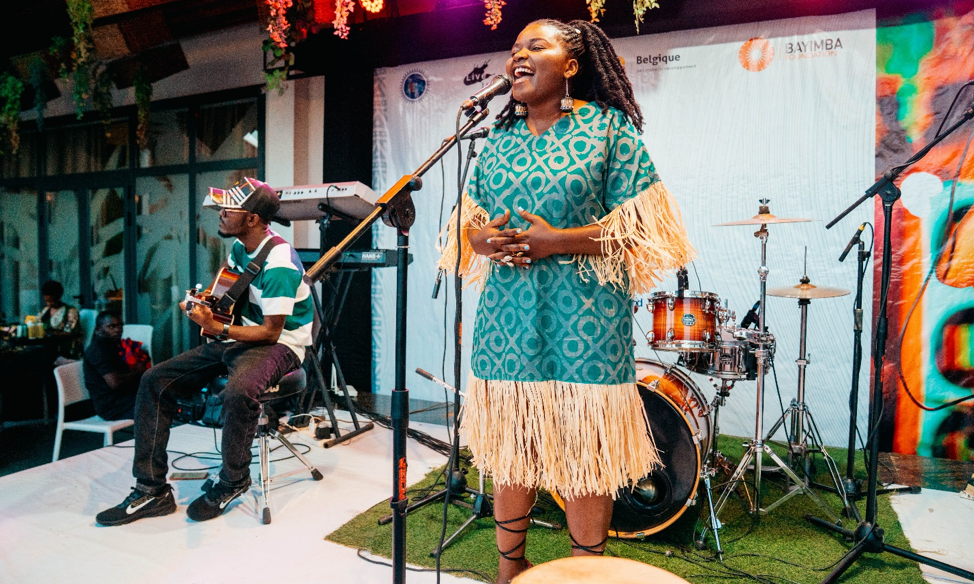
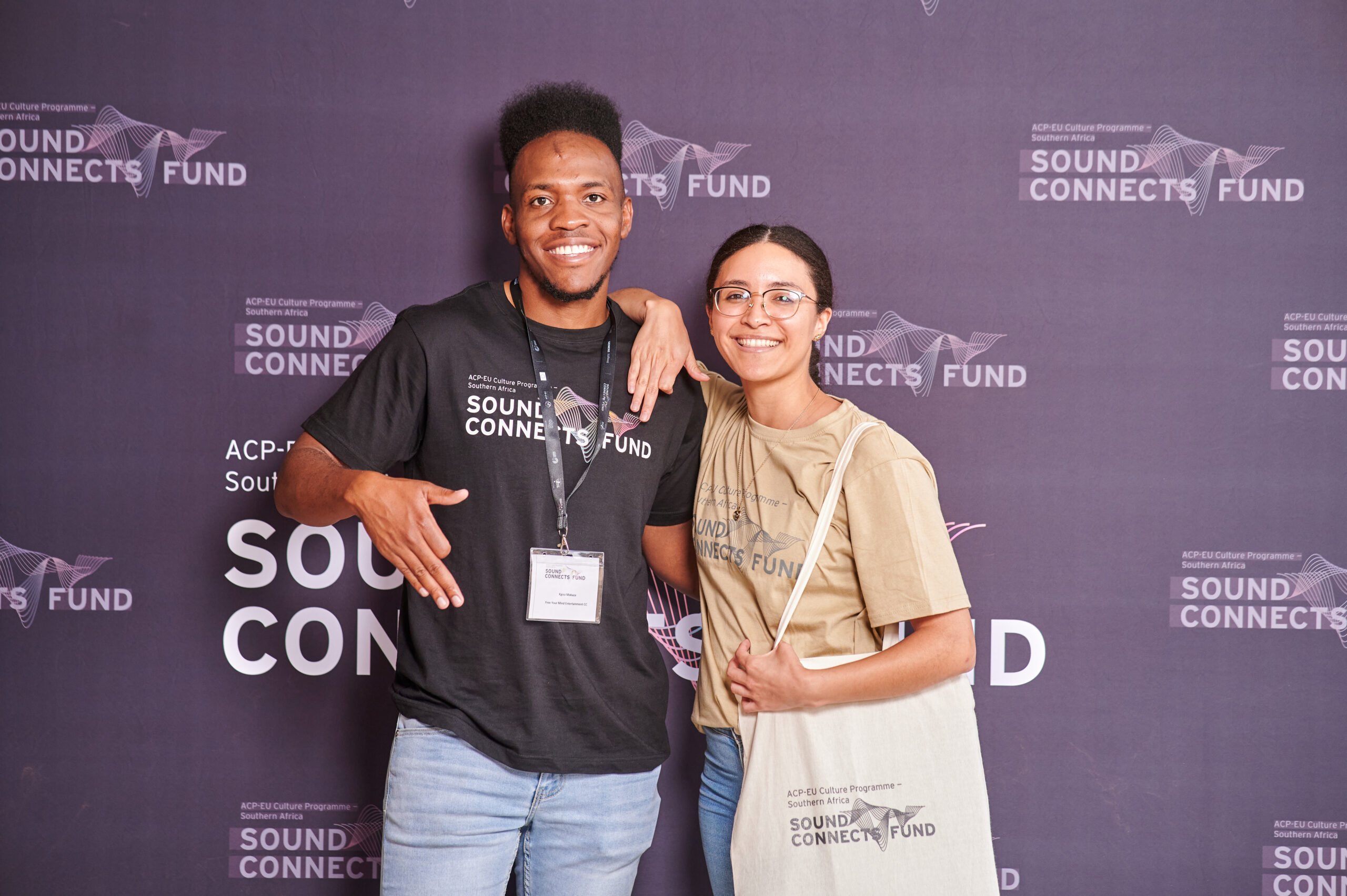
For cultural and creative practitioners and organisations operating in southern Africa, access to funding remains a major challenge. The COVID-19 pandemic has also had a massive impact on government policy, spending and the economy in general, and has seen spending on culture being moved further down the list of priorities. Further, the cultural and creative industries repeatedly cite four main areas where investment is needed for growth, which are increased visibility, mobility including access to new markets, finance and support structures.

Instrument Building And Repair Project

Experience the Vibrations African Instruments Exhibition online in 3D

Features

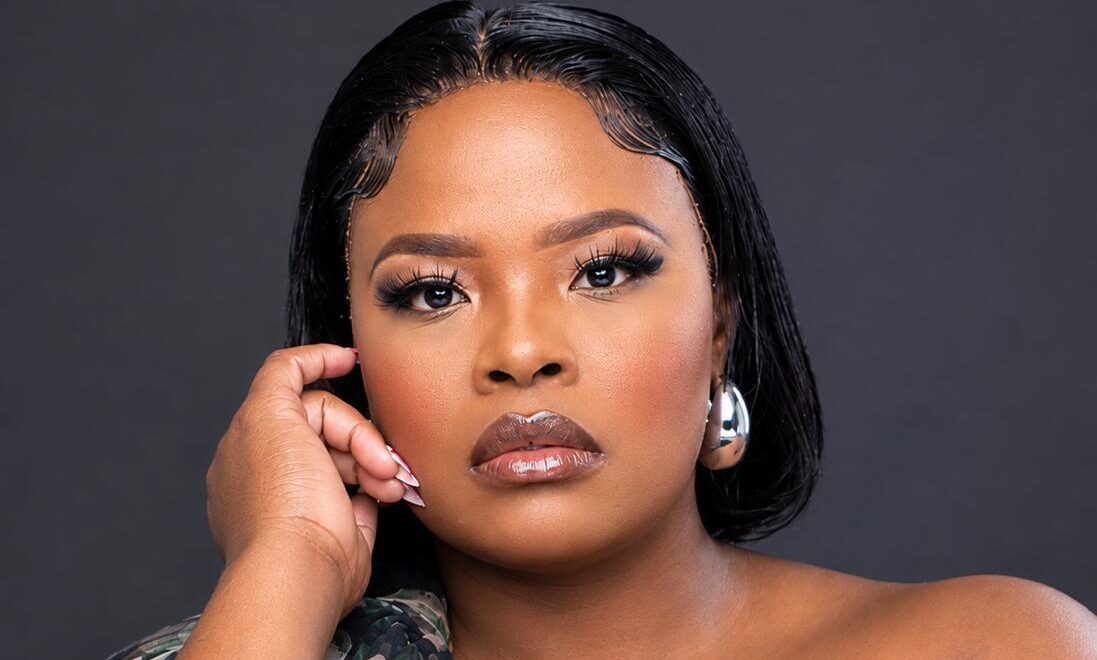
Zinhle Madela is weaving African identity into music, fashion and film
20 Jul 2026 - 13:37

cc-img flag-img

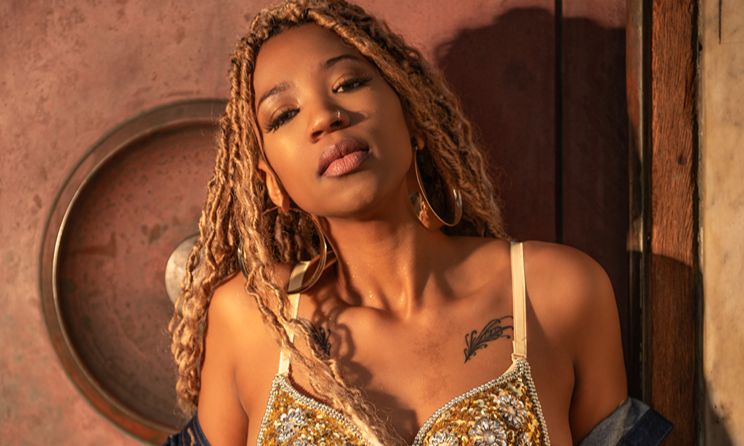
Describing Zinhle Madela simply as a singer-songwriter would overlook the breadth of her creative vision. Rooted in Zulu culture and guided by the philosophy of umuntu ngumuntu ngabantu (a person is a person through other people), Madela is building an artistic identity that extends beyond music to embrace fashion, film and community. Her work explores not only nostalgia, but also the possibilities of what African identity can look, sound and feel like in the present day.
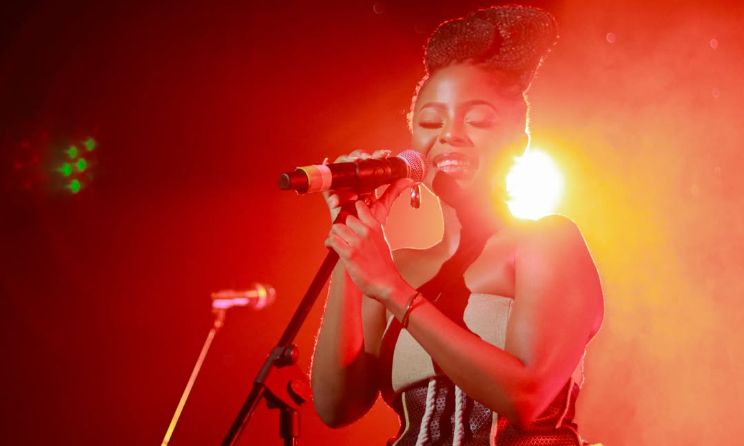
Zinhle Madela.

Collaboration sits at the heart of that vision. Whether performing on stage or working with fellow creatives, Madela creates immersive experiences grounded in culture, colour, love and storytelling.

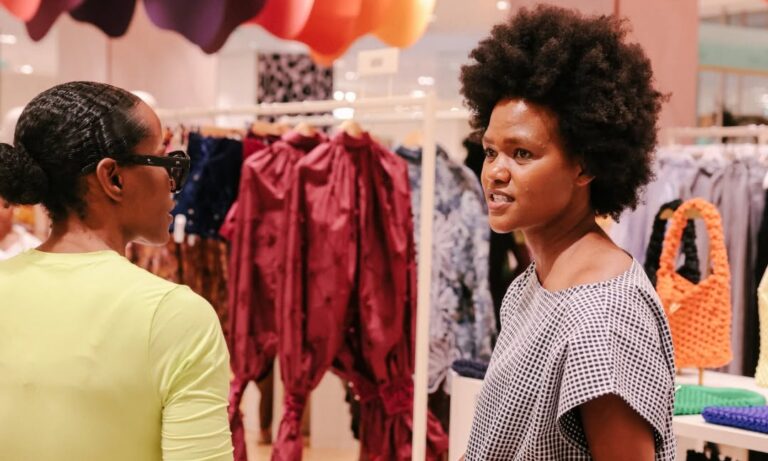
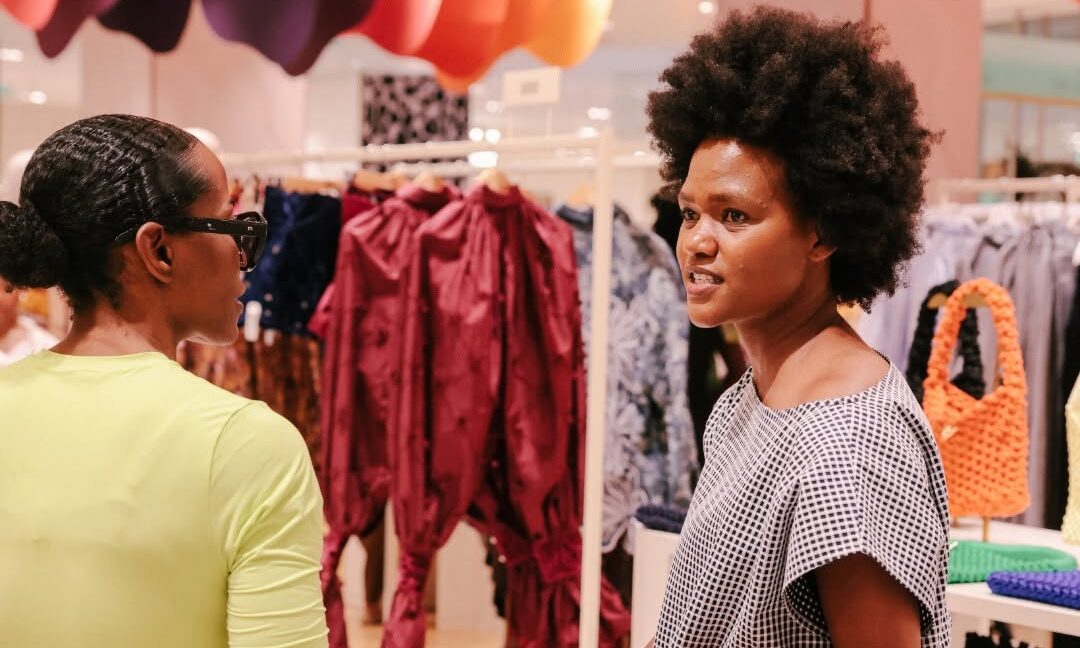
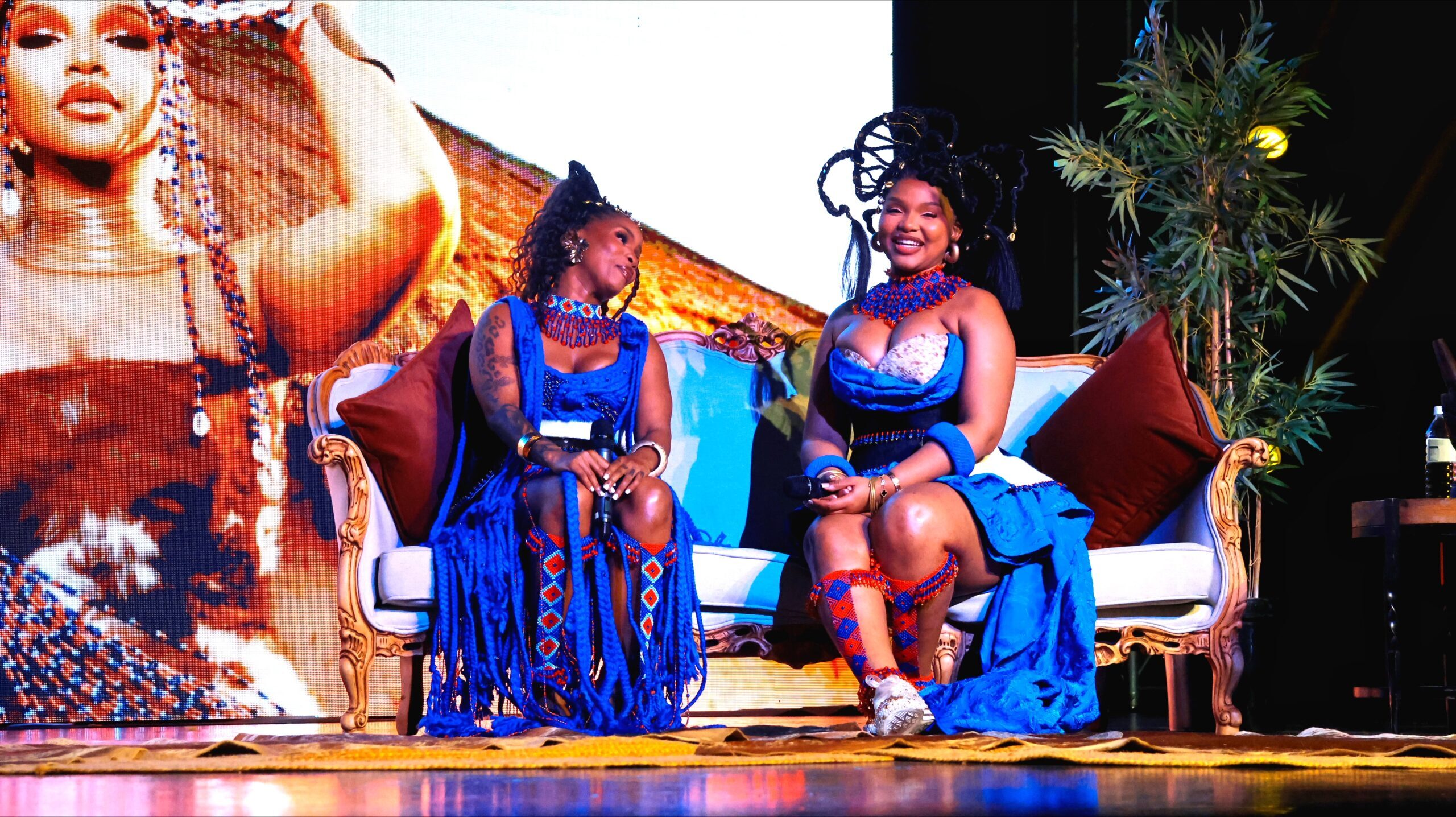
That philosophy drew her to a partnership with Iqhosha House of Fashion, whose handcrafted garments mirror her own commitment to heritage and authenticity.

“I fell in love with their story. I believe sometimes we first buy into the story and then we relate to the product. Like myself, what sets me apart in the music industry is my story. It is my fingerprint,” Madela says.

Iqhosha's designs feature traditional materials such as beads, buttons, twine and cowry shells, transforming everyday objects into wearable works of art. Madela sees a reflection of her own creative process in the brand's aesthetic.

“She uses things that she had when she was a child,” Madela explains.

Like the designer, Madela continually draws inspiration from the traditions that shaped her upbringing. Vibrant African prints, intricate beadwork and traditional attire have become defining elements of her stage wardrobe, reinforcing the stories embedded in her music.

Those stories began long before she stepped onto professional stages. As a child, preparing for traditional ceremonies became her earliest introduction to performance and community.

“We would go door to door asking to borrow ubuhlalu (traditional Zulu beadwork),” she recalls.

For Madela, the beadwork represented more than decoration. Traditionally used as a form of communication and storytelling, it became an enduring symbol of identity that continues to influence both her personal style and artistic expression.

Her earliest performances also emerged from those community gatherings rather than formal venues.

“When people ask where I started singing, I let them know it wasn't at church. It was umgunqo, which is a rehearsal leading up to ceremonies like umemulo. As soon as people congregated to hear me sing or perform, that place became Isigcawu – a once unoccupied space that becomes filled with people who gather to commune and celebrate,” she says.

“I never got to perform in any theatre when I was young because I am from a township very far from everything. My first theatre was Isigcawu.”

The concept of Isigcawu has since become central to Madela's creative philosophy. More than a physical space, it represents belonging, shared experience and the power of storytelling through performance.

Her artistic journey has also been shaped by a personal search for harmony between faith and tradition. Raised in a traditional Zulu family before embracing Christianity, Madela once questioned whether the two identities could coexist. Rather than viewing them as opposing forces, she found common ground, allowing both to inform her worldview and creative practice.

That perspective now underpins every aspect of her work, where spirituality, culture and tradition exist side by side rather than in conflict.

Her latest project, developed in collaboration with The Music Imbizo, brings these themes together through the musical film Isigcawu – A Journey to the Heart, which is scheduled to premiere on 26 August 2026 at the UNISA Durban Campus.

The film forms part of a broader creative vision that includes an album of the same name. The project has been three years in the making and represents what Madela describes as a deeply personal return to her roots.

“Isigcawu is a journey back to the heart,” she says.

Through carefully crafted storytelling, she hopes to recreate the sense of grounding, belonging and sacred community that defined her childhood experiences.

Musically, Madela blends traditional Zulu influences with contemporary sounds, creating a style that feels both familiar and forward-looking. Her music speaks particularly to young women navigating the space between cultural heritage and modern identity, offering songs that celebrate authenticity without sacrificing evolution.

In an era when many artists focus on trends, Madela is choosing a different path. By weaving together music, fashion and film through an unapologetically African lens, she is crafting more than a career. She is building a body of work that celebrates identity, preserves cultural memory and demonstrates that tradition and modernity can not only coexist but enrich one another.

Please log in to post a comment.

Most popular

Disclaimer: Music In Africa provides a platform for musicians and contributors to embed music and videos solely for promotional purposes. If any track or video embedded on this platform violates any copyrights please inform us immediately and we will take it down. Please read our Terms of Use for more.

newsletter banner

Subscribe to our monthly Newsletter

Follow us on social media