




























































5 reasons Wizkid’s Sounds from the Other Side is no triumph

21 Jul 2017 - 14:02


As expected the new Wizkid project, which was released on 14 July, has met an enthusiastic reception online.
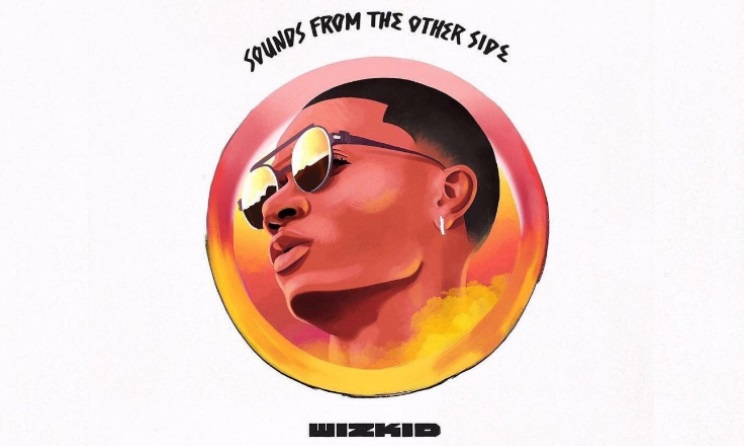
Already visible for weeks in anticipation, the #SFTOS hashtag quickly moved up the trending list with arrival of the artist's third studio project.
It is unlikely that any album from a Nigerian act will see an equal level of promotion this year. It is just as unlikely that the album would define the pop music space as Wizkid's first album, Superstar, did six years ago. Of course, the stakes are different. Where once he played the national game, Wizkid is now looking at the world. He wants SFTOS to be called a great project, Sony Music wants it to sell outrageous figures globally, Nigerians probably want it to get to the Grammys.
All three wishes are unlikely to happen—not on the scale that is hoped. Here are five reasons why.
1. Singles are the rage
It is quite the irony that the culture of singles that Wizkid contributed greatly to might affect the chances of his album finding the significance of his first album. A few years ago, seemingly recognising the importance of constantly putting out material in a time of streaming, Wizkid went on a spree of singles. That period, tagged StarBoyMondays, saw the release of some of his strongest tunes since Superstar. Those songs ensured Wizkid was constantly visible on screens, on radio and in the clubs. Each song in its way contributed to the man's commercial viability.
But an album aspires to more: it wants to be a commercial entity but it also wants to be an outlet for artistry. If it looks unlikely that SFTOS does massive numbers, it is even less certain that anyone listening to the album gets an idea of Wizkid beyond his coming across as an African act in search of a global hit.
Already there are telling signs: A week since its release noise around the album has dwindled. The next wave of Wizkid-interest will come with the next video. By then, many may have forgotten that the single belongs to an album.
2. SFTOS doesn’t have an Ojuelegba
There is no single song on SFTOS that would come to define this phase of Wizkid’s career. Although the album has no awful track, it has no great ones either. Sounds from the Other Side is a slick package of danceable music. But the absence of a clearly personal track dooms SFTOS to little more than a compilation of club music. Ojuelegba prove that it was possible for Wizkid to bring the autobiographical to the dancefloor. His sophomore, Ayo, was a mediocre album elevated by Ojuelegba. There’s nothing of that quality, or of that ambition, on SFTOS.
3. No memorable features
Fans were disappointed when Drake failed to appear in the video for Come Closer. Drake also went solo in the video for One Dance. Some blogs have speculated that this rather cold shoulder treatment is why Wizkid unfollowed the Canadian on Instagram. Well, Come Closer happened via text as Wizkid has said, but at least Drake sounded semi-interested. One can hardly say same for the other western acts on the new project—except for Chris Brown, who attempts Naija pidgin, but if its online trail is to be believed, then African Bad Gyal was recorded a while ago.
Both Trey Songs and Ty Dolla Sign are forgettable on Gbese and One for Me respectively. You wish Wizkid featured a local act. You imagine a Nigerian artist would work hard, knowing to respect the importance of the Wizkid moment.
4. Wizkid is still not a good songwriter
No one has ever accused Wizkid of great songwriting. He might not even be a good one. Instead his songs have an unspeakable affability. His hooks can be sang by anyone regardless of the language he chooses. Listen to how he turns the rather ordinary “I can feel the wave/Omoge watch your shoulder/See as you fine like picture—Kodak” on album highlight Picture Perfect into something blissful.
Yet for an artist occupying the space Wizkid does at the moment, it is a little dispiriting to find him stuck in the same spot with his songwriting. On SFTOS, there is hardly a line that gives the listener pause. He may be the ultimate popstar in how good he makes you feel, but as songwriter Wizkid is still all catchy chorus, and little substance. His poor songwriting is one reason that despite Twitter chatter Wizkid doesn't belong in Fela's firmament.
5. The monotony of topics
While Sony and several streaming platforms are selling Sounds from the Other Side as an album, Wizkid has said it is "like an EP". Chances are he is trying to avoid the pressure. Or perhaps, he recognizes that even if flawed his earlier albums had some variation in concerns. Both Ayo and Superstar had a spine of songs about girls, but offered other things. SFTOS is 100 percent concerned with women, and not in inventive ways. Wizkid's lyrics are still preaching sexual availabilty and female parts.
The beat almost changes from song to song on SFTOS, but that is variety partly made possible by the album’s team of producers—DJ Mustard adds vibey hip hop to ‘Dirty Whine’, DJ Maphorisa contributes soft South African house to All for Love. With regards to lyrics, for Wizkid, the more things change, the more they stay the same.
Buy Sounds from the Other Side on iTunes


Most popular

Top Naija songs of 2026
31 Mar 2026

Top Afrobeats songs of 2026
19 Mar 2026

Top amapiano songs of 2026
16 Feb 2026
Ghana: Mr Eazi and MOLIY’s ‘Comfort’ earns Urban Music Awards nomination
21 Oct 2026
Open call: CANEX Music Business Lab and Songwriting Camp
15 Oct 2026

Nigeria: CANEX WKND unveils 2026 programme
21 Oct 2026
Disclaimer: Music In Africa provides a platform for musicians and contributors to embed music and videos solely for promotional purposes. If any track or video embedded on this platform violates any copyrights please inform us immediately and we will take it down. Please read our Terms of Use for more.

Subscribe to our monthly Newsletter
Follow us on social media


Please log in to post a comment.