



















































ACCES 2024 interview: Nigerian lawyer Foza Fawehinmi

05 Nov 2024 - 12:19


This year’s Music In Africa Conference for Collaborations, Exchanges, and Showcases (ACCES) slated for Kigali, Rwanda, from 14 to 16 November will feature the music trade show’s ‘best ever speaker line-up’, according to organisers.

These include over 60 speakers from more than 50 countries, along with a showcase festival presenting bands from across Africa, exhibitions, workshops, a songwriting camp, and much more.
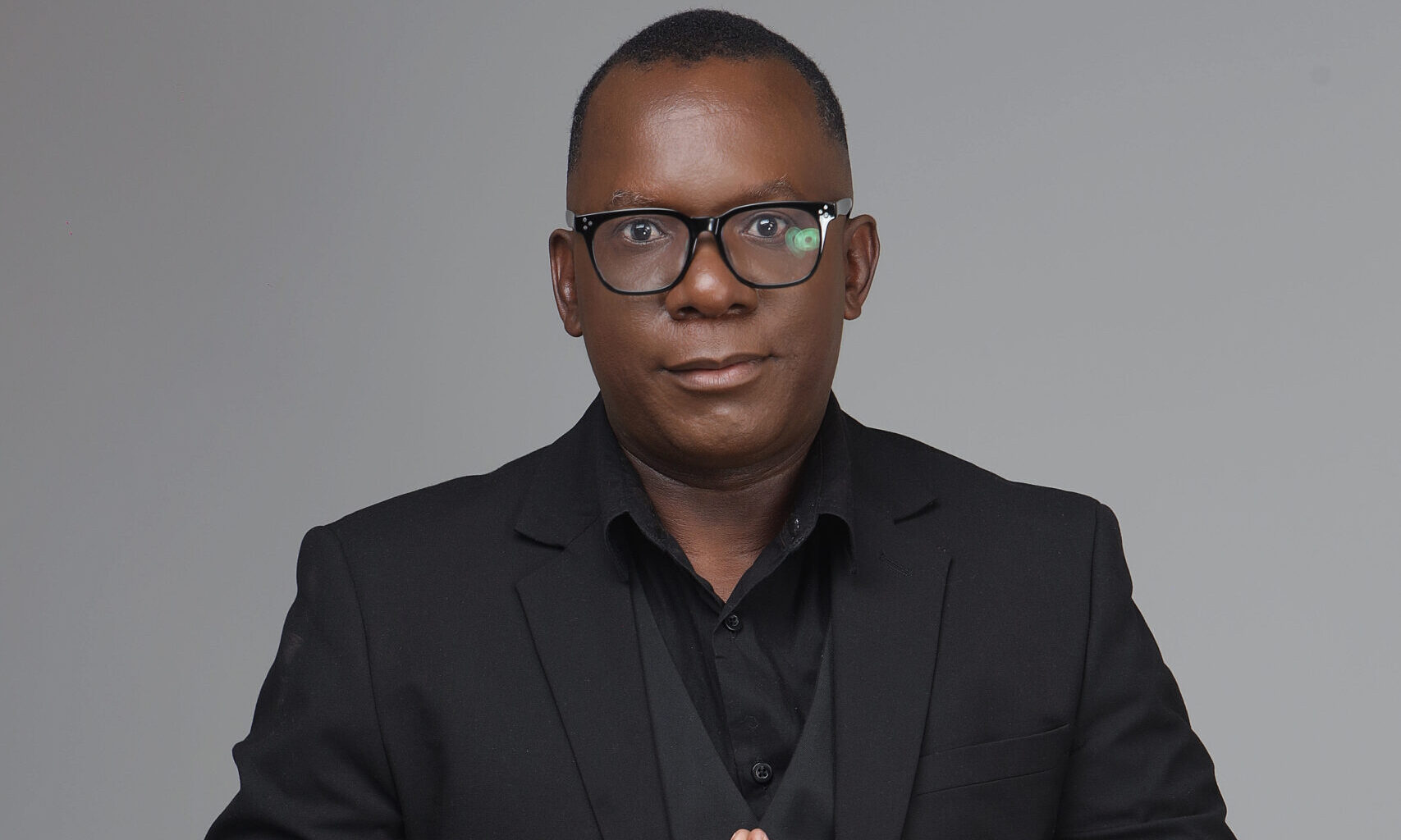
Award-winning Nigerian lawyer Foza Fawehinmi is among confirmed speakers for this year’s event. Fawehinmi, who is the founder of Greenlight Music Publishing, co-founder of the Sarz Academy for upcoming Afrobeats talent, and acclaimed for securing recording deals for her artists with Sony Music France, ONErpm, and Sony Music Publishing, will speak at a Society of Authors, Composers and Publishers of Music (SACEM) conference session focused on how evolving digital economic models can ensure fair remuneration for African music creators.
Ahead of the session, which will highlight the roles of streaming platforms, regulatory frameworks, and global cooperation in fostering sustainable growth within the music economy, Fawehinmi spoke to Music In Africa, opening up on issues such as the current state of music valuation, the need to rethink current economic models, and the future of African music.
“I think that music as a product or commodity is grossly underpriced and undervalued just generally in the world,” she said, adding that current economic models prioritise consumer interests over those of the creatives. She holds that bundled packages, for instance, which typically offer access to vast music libraries at low monthly fees, often leave artists with a fraction of the revenue generated. “You’re left with maybe less than 50% of that money to be shared amongst 5 000 contributors.”
Even if issues like low internet penetration and piracy are prominent in Africa, Fawehinmi insists these challenges are not unique to the continent. However, she notes that Africa’s infrastructure problems and lower disposable income exacerbate the situation. Despite these hurdles, Fawehinmi is certain the African music industry is uniquely positioned to redefine its future. How? “We’ve seen everybody make their mistakes. We have bright young minds that can start thinking of the next thing that the world should be doing, and I think that that’s the position where we should be functioning from, so, if it’s to create models, that’s what we should be doing.”
She also stressed the need for innovative models tailored to local contexts rather than merely adopting global standards, warning against the reliance on foreign currency and investment models that do not account for the realities of the local music scene. She questioned this approach, noting that “the necessary and required investment that you have to do locally is not being done.” This lack of investment, she observes, stifles the growth of the local industry. “If we’re not finding the right capital to fix those types of problems, then there’s a problem.”
Addressing these challenges requires a fresh perspective on capital investment, Fawehinmi said. Traditional financing models, to her, are inadequate for the unique needs of the creative sector, particularly when it comes to building essential infrastructure like live performance venues. “You can’t escape building venues because that’s how 50% of the industry locally has to make money,” she argued. “We’re a continent of 1 billion people by 2030. Artists cannot conveniently tour within Africa to make their own money. It makes zero sense. If we’re not finding the right capital to fix those types of problems, then there’s a problem. How do we create financial models that are not the type of financial models that currently exist?”
Fawehinmi stressed the need for regulation in the largely unregulated and entrepreneurial music industry. “Now, Africa has gotten to the point where we have to regulate,” she said, advocating for government involvement to protect artists’ rights and calling for the establishment of structures to manage visa and tax negotiations between countries, which can only be effectively addressed through government action.
Although innovations like streaming have reduced the prevalence of physical piracy, Fawehinmi noted that it has simultaneously introduced new challenges, such as digital piracy and artificial intelligence concerns. “Every industry fixes itself as it goes on,” she says, touching on the necessity for ongoing adaptation and advocacy within the music industry.
Granted, health, education, and infrastructure for a country are crucial. Even so, “the reason Nigeria is attracting a lot of attention is not because we have a good health system or we have a good education system. It’s because we have Burna Boy and Wizkid.
“If we have that soft power and we’re attracting such attention to the country, why can’t we unionise and negotiate for the things that we want?”
She believes that artists could leverage their influence to push for bilateral agreements with countries like the US regarding tax treaties, which would significantly reduce the 30% tax levied on earnings before they reach the artists. “If that’s the only thing [ our governments] do for us in their tenure, they’ve put more money in our pockets, which means that we’re able to pay more taxes.”
On what new conversations must be had apart from regulation, Fawehinmi said: “Essentially, just understanding context and perspective – understanding the economics of how Africa is functioning and having that conversation. I don’t think that conversation has been had on a political scale in general.”
She also believes lawyers constitute the last missing piece of the industry. “This is because the industry essentially trades on rights, and lawyers understand the complexity of the rights from a legal point of view. Some people understand it also from a business point of view.
“I think it’s time for us to start focusing on equipping the lawyers that are functioning in the space. That way, a lot of conversations will change… we have a very limited time as a continent to exploit the current exposure that we have to ensure that it translates into sustainable currency for everybody in the industry.
Finally, on what excites her most about speaking at ACCES 2024, she said: “It’s to see people that are doing different things from across Africa. It’s very easy to just be sitting in your country and thinking that you’re the only one that has that problem. When you begin to interact with professionals from different regions within your continent, you find peculiarities.
“ACCES fosters collaboration, so I’m excited to share my views and see how people react. ACCES is a ground for everybody to collaborate within Africa for Africa as opposed to trying to fit into a global world that doesn’t necessarily understand where we’re coming from and where we want to go while understanding the African context.”


Most popular

Gambia: Suntou Susso announce UK tour for ‘The Path of a Griot’
09 Oct 2026

Top amapiano songs of 2026
16 Feb 2026
Open call: 2026 Gender@Work music industry training in Johannesburg
09 Oct 2026

Top Afrobeats songs of 2026
19 Mar 2026

Top Naija songs of 2026
31 Mar 2026

Call for applications: ACCES 2026 Emerging Artist Spotlight Competition
01 Oct 2026
Disclaimer: Music In Africa provides a platform for musicians and contributors to embed music and videos solely for promotional purposes. If any track or video embedded on this platform violates any copyrights please inform us immediately and we will take it down. Please read our Terms of Use for more.

Subscribe to our monthly Newsletter
Follow us on social media


Please log in to post a comment.