




















































British Council’s Farai Ncube on fostering connections and amplifying talent

12 Nov 2024 - 06:33


In the growing African live music and festivals scene, the British Council has played a pivotal role in nurturing talent, fostering cross-border connections, and supporting festival ecosystems across the continent. As the sub-Saharan Africa regional director for arts and culture, Farai Ncube brings a wealth of experience and insight into how strategic support can drive artistic innovation and build sustainable, interconnected communities.

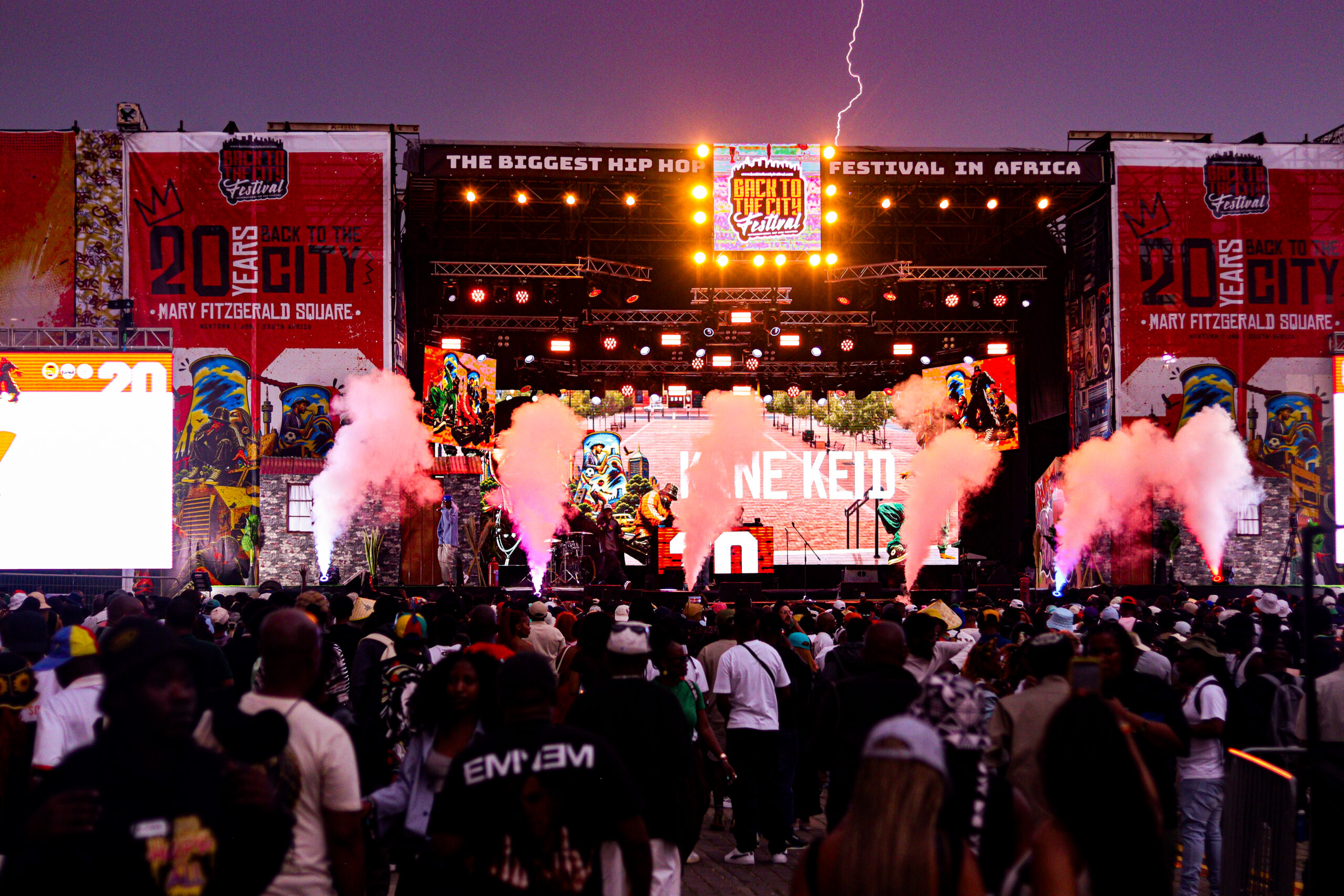
Ncube highlighted the essential role that festivals play within African communities, emphasising that for over a decade, the British Council has backed initiatives across Africa with this vision in mind. Through mechanisms like grant funding, talent development, and mobility support, the organisation has helped numerous African festivals achieve international prominence and bolster local industries.
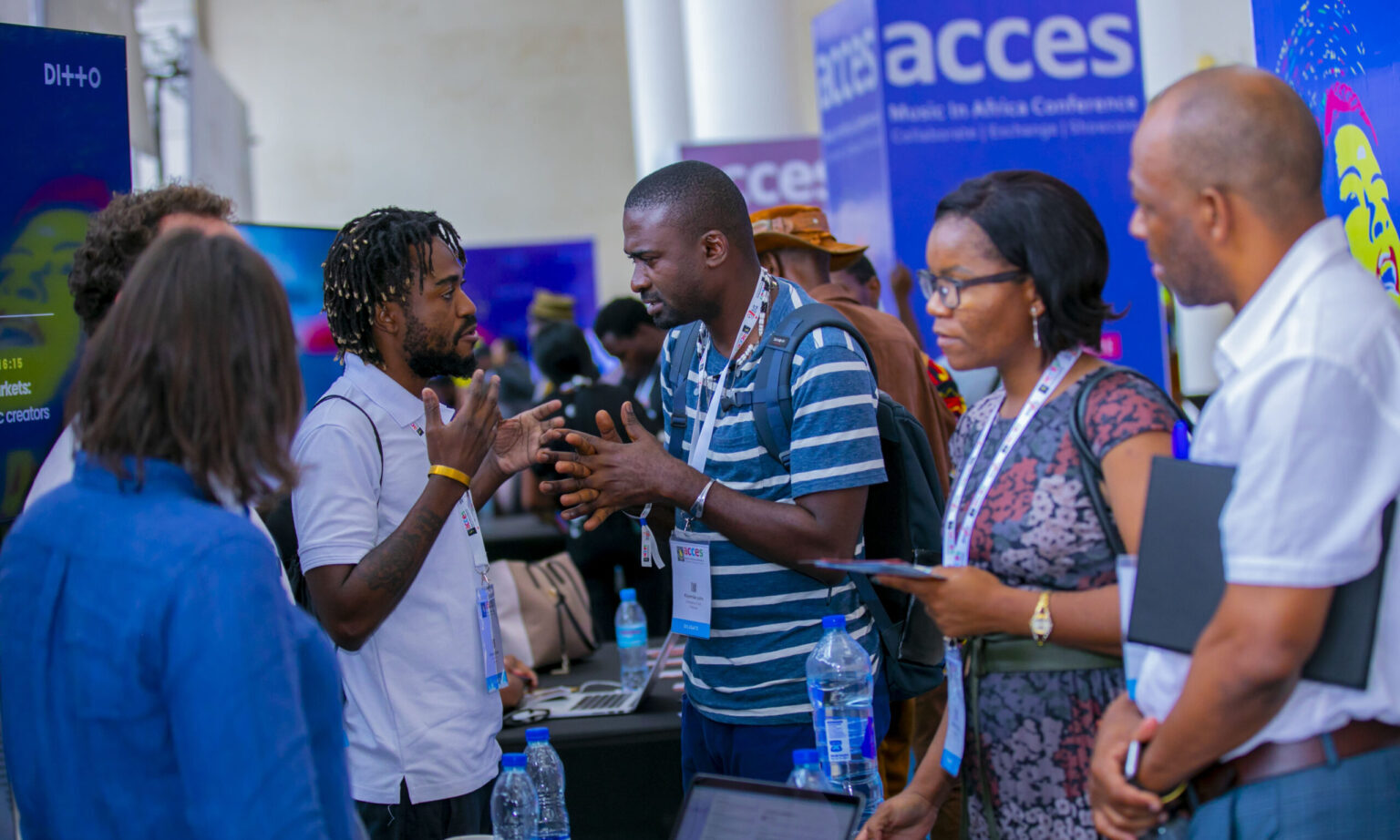
However, challenges remain. African artists and festivals face hurdles like high travel costs and logistical barriers when navigating cross-border touring. In our discussion, ahead of ACCES 2024 in Kigali, Rwanda from 14 to 16 November, Ncube outlined how the British Council is working to mitigate these obstacles, championing initiatives that not only support individual artists but strengthen the wider festival infrastructure across the continent.
MUSIC IN AFRICA: How does the British Council support festivals and live music circuits across Africa, and what impact have you seen from these efforts?
FARAI NCUBE: Festivals are critical to community ecosystems, fostering economic growth, memorable experiences, and cultural development, including heritage preservation. Recognising the transformative power of festivals to shape communities, catalyse artistic innovation, drive social impact, and enable international collaboration, we have supported festivals for over a decade. Our main support mechanisms include:
- Grant making – Direct funding, like the Festival Connect Fund launched in early 2024, allows festivals to pursue strategic ambitions, sustenance, and programming.
- Talent development – By co-designing tailored programmes, we foster talent pipelines and industry growth. Initiatives like artist residencies, Music Connects Africa, and the Cultural Producers Programme have bolstered talent and business skills development across Africa.
- Mobility support – This enables artists, festival directors, and organisations to travel for learning, showcasing, or presenting work. Notable examples include support for delegations to WOMEX in Manchester and travel grants through initiatives like the International Showcase Fund and International Collaboration Grant (ICG), the latter of which recently awarded collaboration grants to Uganda’s Nyege Nyege Festival and South Africa’s Fak'ugesi Festival.
The impact of our support has been clear in the growth of music festival ecosystems, which are essential to the creative industry and play a role in shifting narratives about Africa. Music drives cross-sectoral innovation, from film to gaming, and cultural exchange between artists from various regions promotes diversity and talent development.
What barriers do African artists face in cross-border festivals and touring networks, and how can these be addressed?
One challenge is the dominance of global promoters, which affects smaller festivals’ ability to afford headline artists due to rising fees. Additionally, travel costs within Africa, along with taxation, permit fees, and equipment liabilities, are major obstacles. At the recent Jacaranda Music Festival Business Conference in Zimbabwe, these issues were highlighted as barriers to showcasing talent. Most festivals take three to five years to establish a stable audience and economic footing, making them precarious yet rewarding ventures. We’re exploring sustainable approaches to reduce frequent travel, such as longer artist residencies and hybrid events.
How has the British Council fostered collaboration in Africa’s live music industry?
Collaboration is central to our work. Almost 90% of our music and festival programmes foster partnerships at local, regional, and international levels. For instance:
- xJazz Residency (2018): A partnership with the Lake of Stars Festival in Malawi, this all-women jazz residency brought together musicians from five countries, culminating in performances at the Lake of Stars festival and Johannesburg’s Artivist Untitled Gallery.
- Rackless Kazi (2018-2020): Co-designed with Modzi Arts, this female-exclusive DJ residency challenged traditional norms, supporting African women in electronic music.
- Scripts and Bars (2024): In Zimbabwe, this cross-sector project in literature and music, co-designed with Kay Media Africa and Reprezent (UK), showcased new talent at the Jacaranda Music Festival, with two artists now featured at ACCES 2024 in Kigali.
We will also host a major gathering of festival leaders in Lagos, Nigeria, from November 19 to 22, 2024, to foster deeper connections in the festival community and enable cross-cultural dialogue.
What role do African festivals play in enhancing African music’s visibility, and how can the British Council amplify this impact?
African festivals are essential in amplifying talent, supporting artist development, and fostering cultural collaborations that reach international audiences. The British Council connects festivals to global networks and offers financial grants, creating a platform for showcasing, knowledge exchange, and collaborative opportunities.
Why is it important for African festivals to build networks with international counterparts?
Building networks across Africa and globally strengthens music communities, enhances advocacy, and provides opportunities for professional exchange. Cross-border collaboration allows African festivals to share best practices, develop curatorial identities, and access international markets for African music. Music is a relationship-based industry, and festivals serve as conduits for connections and knowledge sharing.
How can festivals and touring networks streamline processes for artists facing logistical challenges?
Networks are pivotal in driving the festival ecosystem, which impacts local and regional communities. Festivals should prioritise artist readiness for international touring, strengthen advocacy within local sectors, and leverage grant opportunities for collaboration. Skills in management, publicity, and business acumen are essential for artists to succeed internationally.
How has the British Council’s involvement in music festivals evolved, and what are its strategic priorities?
The British Council has long supported music festivals and networks, evolving with the African music scene’s growth. Our work increasingly centres on local expertise while encouraging international connections, particularly in talent development, business skills, and festival management. We remain committed to celebrating African cultural heritage and promoting an inclusive, globally connected music industry.
What innovative approaches are emerging in African live music circuits?
The overall festival experience now extends beyond the stage, with art trails, immersive events, and residency models gaining popularity. An example is the Tanzanian band Zawose Queens, who emerged from a British Council residency and went on to perform at 17 European festivals, including Glastonbury. Some festivals are also exploring brand collaborations to offset costs.
What advice would you give to festival organisers and artists seeking cross-border collaborations?
My advice: be authentic, understand your value, and seek collaborators with shared values. Be open-minded but maintain your creative identity. Effective collaboration requires adaptability without compromising core beliefs.
What does the British Council envision for the future of African live music?
The African live music scene is crucial to our cultural landscape. We are committed to learning from the industry, supporting partnerships, and fostering sustainable music ecosystems. Through initiatives like Music Connects Africa, we hope to further African music’s global presence, prioritise youth engagement, and support cross-sector collaborations to strengthen Africa’s creative and cultural industries
About the British Council
The British Council is the UK’s international organisation for cultural relations and educational opportunities. The organisation supports peace and prosperity by building connections, understanding and trust between people in the UK and countries worldwide. The British Council does this through its work in arts and culture, education and the English language. It works with people in over 200 countries and territories and is on the ground in more than 100 countries. In 2022–23, it reached 600 million people.


Most popular

Top Naija songs of 2026
31 Mar 2026

Top Afrobeats songs of 2026
19 Mar 2026

Top amapiano songs of 2026
16 Feb 2026

Open call: CANEX Music Business Lab and Songwriting Camp
15 Oct 2026

Open call: National Arts Festival artistic director in SA
15 Oct 2026

Ghana: Mr Eazi and MOLIY’s ‘Comfort’ earns Urban Music Awards nomination
21 Oct 2026
Disclaimer: Music In Africa provides a platform for musicians and contributors to embed music and videos solely for promotional purposes. If any track or video embedded on this platform violates any copyrights please inform us immediately and we will take it down. Please read our Terms of Use for more.

Subscribe to our monthly Newsletter
Follow us on social media


Please log in to post a comment.