













































NEFCISA
NEFCISA

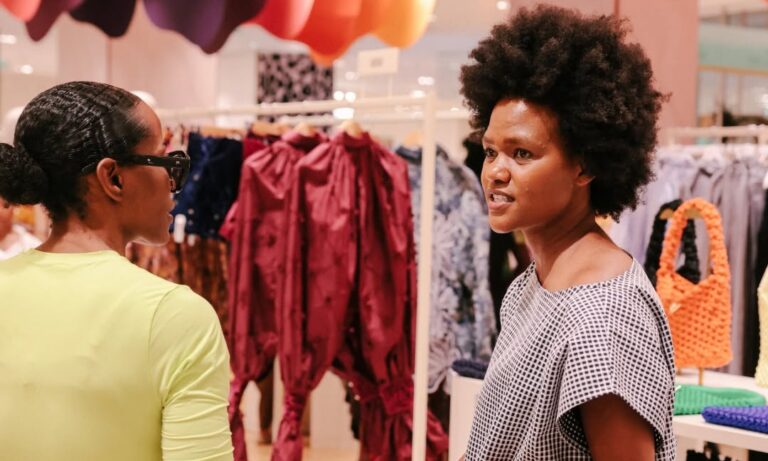
The Music In Africa Foundation (MIAF) is proud of its partnership with the Industrial Development Corporation (IDC) as a Strategic Implementing Partner (SIP) for its Social Employment Fund (SEF). Through this collaboration, MIAF is running a national programme that is creating jobs, addressing skills gaps, and strengthening South Africa's creative industries — in line with the SEF's overarching goal to generate work for the common good and build community value through employment, social contribution, and inclusive economic participation. Operating under the banner NEFCISA (National Employment Facility for Creative Industries in South Africa), the initiative is recruiting and training participants, matching them with host organisations, and has already placed 1 500 workers across the country — surpassing its original target of 1 000. NEFCISA is delivered through a network of 20 host organisations spanning five provinces, who are actively hosting participants and contributing to work for the common good across South Africa's creative and cultural industries. Key Objectives: Support employment and entrepreneurship in the creative industries. Offer skills development and training programmes. Foster partnerships between public and private creative sectors. Promote South African creativity at both provincial and national levels Foster community development through social contribution.

ACCES
ACCES

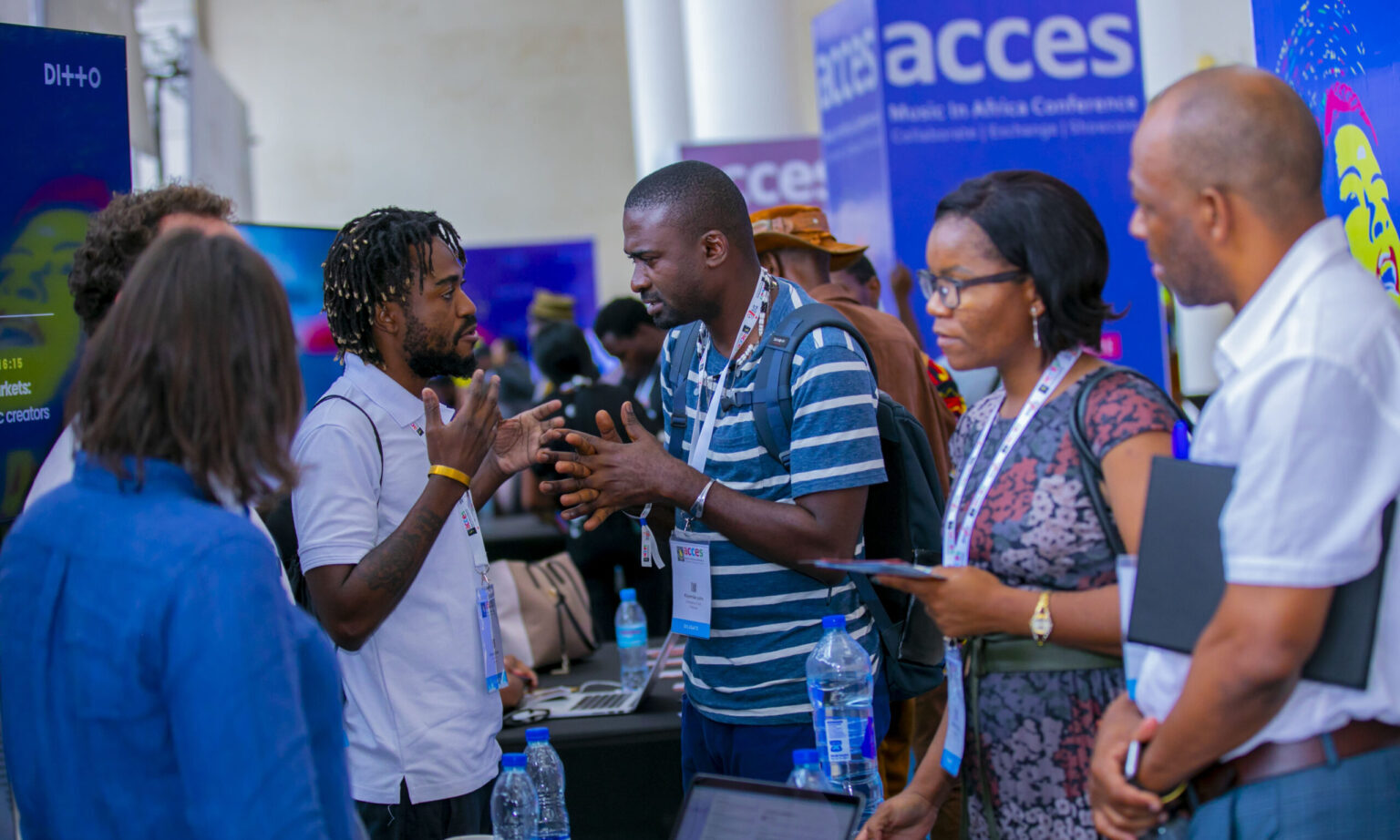
ACCES Conference and Showcase Festival is Africa's leading music industry gathering, bringing together the people shaping the future of the continent's music business. Artists, entrepreneurs, executives, investors, policymakers and cultural leaders from across Africa and around the world come to ACCES to build partnerships, exchange ideas, discover talent and create new business opportunities. Since its launch in 2017, ACCES has become the continent's premier platform for professional exchange and music market development. Combining a high-level conference with a curated showcase festival, networking, exhibitions and industry programmes, ACCES offers a unique space where creativity meets business and where African music connects with the global industry.

Gender@Work
Gender@Work

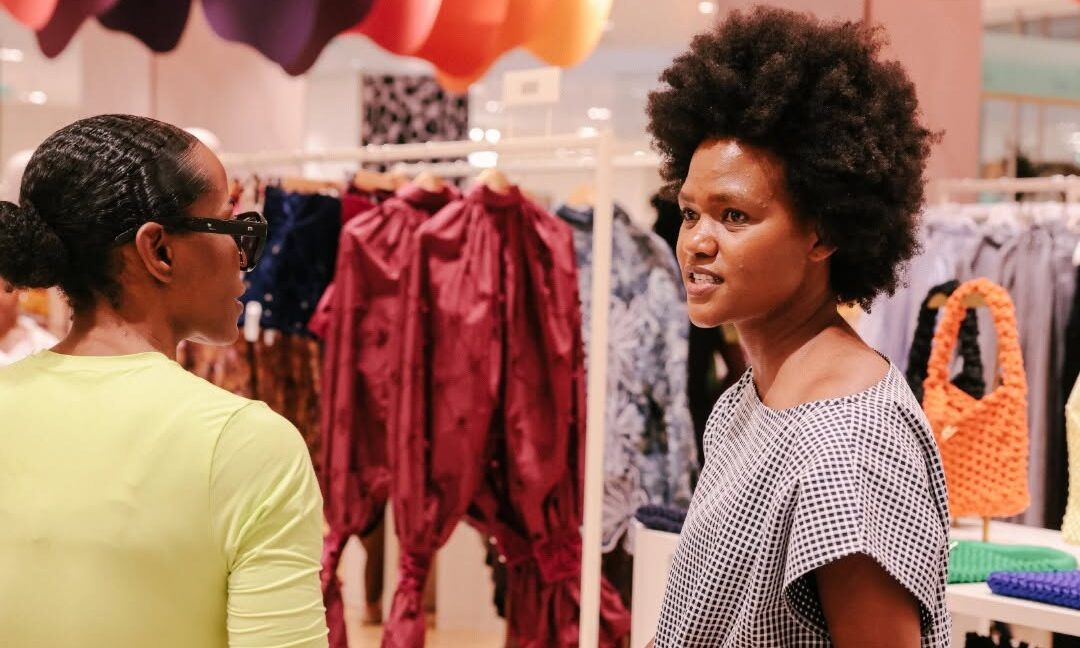
Music In Africa Gender @ Work is a three-year training programme aimed at upskilling and increasing the participation of female professionals in the African music sector. Launched by the Music In Africa Foundation (MIAF) in April 2019, the programme is connected to the MIAF’s ACCES music conference – a pan-African event held in a different African country every year. This connection enables the programme to reach new participants in a different African country every year. The programme marks the beginning of a more concerted effort by the Foundation to support the participation and inclusion of women in all facets of its programmes and the music sector in Africa as a whole. Over the three years, the programme will aim to address gender imbalances in the sector through training, lobbying, facilitating knowledge exchange and dialogues that foster the interest of women. The broader objectives of the programme are to: Provide industry training for women on critical music industry skills, focusing on: Stage management Electronic music production and recording Music business management Technical knowledge Provide an opportunity for both professional and aspiring women to benefit from the Music In Africa network and its broad range of activities in 2019, 2020 and 2021. Provide a solution-based platform in the form of a round table at ACCES with a view to identify challenges, discuss opportunities and lobby for the interests of female practitioners. Offer participants the opportunity to benefit from programmes offered by MIAF’s partners. Increase access to educational materials. Integrate participants in the broader ACCES programme to maximise experience and exposure to the industry. Record and present training materials on the www.musicinafrica.net, including but not limited to tutorials, templates and other best-practice materials. Communicate women-based themes that support the initiatives and messages of the programme. MAIN TRAINING ACTIVITIES Training in first country (Ghana): In the first year, participants will be trained on all aspects of stage management by a team of experienced stage managers from 10 to 17 November 2019. The programme will offer robust classroom training as well as practical, hands-on training in which participants will also be given the opportunity to manage various aspects of the ACCES performance programme. Training in second country: The second training iteration will take place at ACCES 2020 when the programme will diversify its course to include music production lessons and training on other music business topics. A round-table platform will also be introduced to coincide with the ACCES programme. Training in third country: The third training iteration will take place at ACCES 2021 in a different country, offering an advanced course. HOW DO YOU GET INVOLVED?  As a participant, facilitator or trainer: The programme enrolls up to 12 trainees every year. All opportunities are advertised publicly on this website, and will be added to this page. Please keep checking this page for new calls (below under UPDATES & CURRENT OPPORTUNITIES). As a partner Please contact Claire Metais at [email protected]. APPLY The call for applications for 2020 will be announced soon. The Music In Africa Gender @ Work programme is made possible with the support of the Prince Claus Fund, Siemens Stiftung and Goethe-Institut.

Sound Connects Fund
Sound Connects Fund

For cultural and creative practitioners and organisations operating in southern Africa, access to funding remains a major challenge. The COVID-19 pandemic has also had a massive impact on government policy, spending and the economy in general, and has seen spending on culture being moved further down the list of priorities. Further, the cultural and creative industries repeatedly cite four main areas where investment is needed for growth, which are increased visibility, mobility including access to new markets, finance and support structures.

Instrument Building And Repair Project

Experience the Vibrations African Instruments Exhibition online in 3D

Reviews

Brymo — Klitoris

04 Aug 2016 - 10:17

cc-img flag-img

Artist: Brymo
Album: Klitoris
Label, Year: Independent, 2016

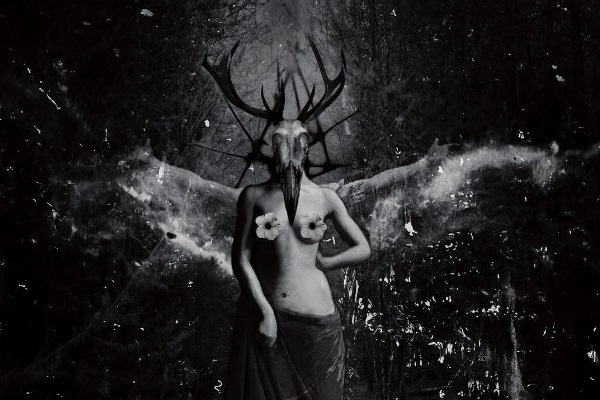
Cover artwork for Brymo's 'Klitoris'

In a way you and Brymo are in a fight. You want him happy. He sings like happiness is overrated. You want to keep him happy because his music becomes something you can dance to, you can set to happy times. In ten years, you will remember those good times. Brymo, though, wants the purer emotion of sadness, of sobriety. Tell him God forbid.

Yet if you have been listening, you can understand Brymo's reluctance to shed this fabric of semi-pathos. It served the man well, setting his sound apart from the gleeful mindlessness of most Nigerian pop.

You remember ‘Down’, his ditty of societal dysfunction, both for the song itself and for how different it sounded within the landscape of dance-pop. You remember ‘Eko’ for its disappointment in Lagos, Brymo’s city. Both songs were on his third album Merchant, Dealers and Slaves (2013). That album was borne of harsh times: His record label had prevented him from releasing new material. The injunction was lifted but the news lifted the man’s mood only by a fraction.

By Tabula Rasa (2014), signs of happiness began to show. For one, we got the uber-sex song ‘Fe Mi’. Coaxing vocals! Buoyant beat! Rhythmic drum-thumps as though in time to a lover’s strokes! All evidence of a man free of legal troubles. And yet when it was time to release promo videos for the album, the choice was the sober ‘Je'le O Sinmi’, and the relatively joyful ‘One Pound’. You had to buy the album to know of Brymo’s other side. Happy, horny Brymo, it appeared, must be kept secret.

With his new album, the remarkable Klitoris, perhaps the secret is out. No one unused to the workings of that part of the female anatomy would feel comfortable naming an album after it, metaphor be damned. Appropriately, the album’s first song is titled ‘Naked’. Somehow, the song doesn’t quite become happy. The Brymo who believes that soberness and age go together remains. (This is a particular feature of young men who feel undeserving of their youth. You want to tell them to relax, age leaves no one behind.)

But, of course, Brymo makes the triteness of this brand of cynicism easy to take. Deep as they be in the doldrums of soberness or indulgent of their maker’s lyrical depth, many of his songs retain a suppleness that while unyielding to full-on dance, do have a propelling quality. So that with this artist, a cerebral recognition of his gifts doesn't preclude a physical response to the music. The representative of this Brymo-genre on Klitoris is ‘Kosayami’. At a point on this song, the beat breaks down and the next words are:

I dey fear to commit
To promise
You dey fear to succeed
To be free
We dey beat round the bush

Somehow Brymo has equated a fear of commitment—a plight of many a young man—to the fear of success. A tricky comparison to be sure, but a thread does run through: the fear in both cases is not the result but the transitory process. Change is a hard thing to engage with both for the underachiever and the single man. It is lines such as these that Brymo has built his reputation on.

Klitoris, stripped and personal, is not quite as excellent as Tabula Rasa, Brymo’s broad masterwork, but it is a much happier album than its predecessors—already a video has been made for one of its happy tunes, 'Something Good is Happening'. Even so Brymo understands that in the Afrobeat genre, a happy beat is an ambiguous device. It either masks unhappy lines or emphasises happy ones.

Whatever the mood, the genre insists on the usefulness of dance, of the swaying of hips on a makeshift dancefloor. Here the other happy songs ‘Alajo Shomolu’ and ‘Happy Memories’ show both sides of the Afrobeat man’s approach to joy. The latter is no Afrobeat song as far instrumentation goes. Its percussive patterns are different. A love song, ‘Happy Memories’ recalls the simple pleasures of a man lost in the vastness of love: If you bring me happy memories / I’ll be your happy memory.

Banal perhaps. And yet you can see the narrator and his love interest walking, hand in hand, down a deserted street looking at the ruins of ancient buildings. Perhaps, this is an image incompatible with Fela’s ultra-masculine Afrobeat. But even the late, great musician is no match for the potency of love.

With ‘Alajo Shomolu’, our Afrobeat man is back to Fela as it is a celebration of survival despite the dismal circumstances of Nigeria. Reminiscent of ‘One Pound’, the lyrics go from

I go from grace to grass
Back to grass to grace
Life na roller coaster
to
When the time no dey dey
And the leader too dey play
And the people too dey hurry
If you manage to survive
Dem go say
Orie e pe bi alajo shomolu
(Rough translation: When the leaders are unserious and the people impatient, if you survive, they’ll say you have as much sense as an ancient thrift collector.)

The first bit is autobiographical as it covers Brymo’s own rise to stardom and then the lawsuit years and, finally, his return to releasing music. But then, the personal moves out to take in the political. It was Fela’s approach to songwriting as well. The man’s feminist takedown track ‘Lady’ (1972) is said to have been about his own elder sister, and within a few lines this family member became the emblem of a certain notion of womanhood in Nigeria. This, however, is not knowledge needed to enjoy Klitoris.

Respond as you please: dance to some of it, think to some of it. You could also fight with the artist’s insistence on mid-tempo music. Brymo will win though. Not too many artists can elicit that wide a range of responses from a 35-minute album.


To buy 'Klitoris' visit the iTunes store.

Please log in to post a comment.

Most popular

Disclaimer: Music In Africa provides a platform for musicians and contributors to embed music and videos solely for promotional purposes. If any track or video embedded on this platform violates any copyrights please inform us immediately and we will take it down. Please read our Terms of Use for more.

newsletter banner

Subscribe to our monthly Newsletter

Follow us on social media