




























































Country music is big in Africa but most of it is imported
29 Nov 2017 - 13:08


By Stewart Maganga
Music transcends race, nationality and creed. Even country and Western music, with its image of being the genre of choice for predominantly (although not exclusively) white, redneck American fans, has transcended national and even continental barriers.
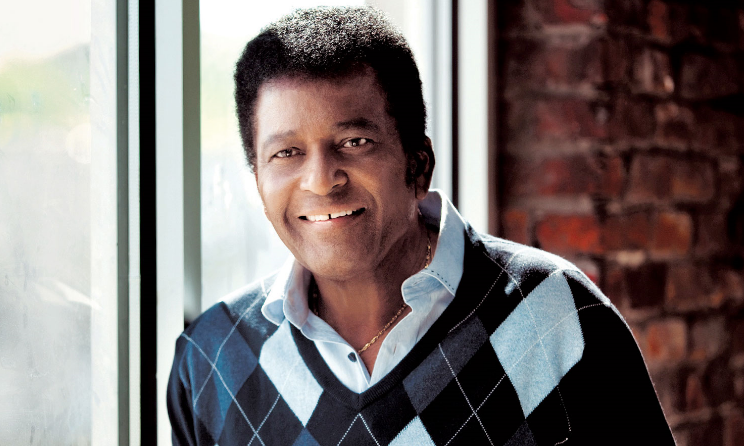
This was illustrated by country and Western star, Don Williams, who died early in September. He played a style of plain-spoken traditional country that epitomised the image of the genre’s hardcore white American fans. Yet Williams had a serious following in Africa. He was one of a few international country stars to tour the continent – in 1997 he released a DVD, Into Africa, which was recorded live in Zimbabwe.
A quote from a Kenyan satirist and journalist Ted Malanda, in an affectionate obituary on The Standard, illustrates the crooner’s influence on Kenyans from different backgrounds. "A moment of silence for the thousands of Kenyan kids who were conceived with Don Williams crooning in the background." Malanda said.
Despite its popularity, the genre continues to be dominated by white musicians. This is true both in the US and Africa. Yes, there have been black country and Western musicians such Charley Pride, Darius Rucker and Mickey Guyton. But the fact remains, country continues to be the domain of white musicians. However, this hasn’t diminished its appeal in a number of African countries.
Africa loves country
Country is played religiously on a number of radio stations in Africa. In Malawi, for instance, where I grew up, country music is popular. Malawi Broadcasting Corporation’s MBC Radio Two devotes an hour to the music on Saturday mornings. However, nearly all the featured music is from the US – the programme hardly plays music from Malawi or from elsewhere on the continent.
The programme continues to be dominated by white musicians such as Don Williams, Kenny Rogers, Dolly Parton, Dan Seals, Mel McDaniel, Shania Twain, Leann Rimes and Taylor Swift.
In Kenya, local country star Elvis Otieno or Sir Elvis as he’s known there, told American broadcaster CBS News there’s a huge audience in Kenya for country music."Way back then from the 1950s and 1960s there has always been a country music program on the airwaves on Kenyan soil," Otieno said.
When NPR’s Gwen Thompkins visited Kenya she was blown away by country and Western’s popularity. Thompkins explains that “the allure of country music in Africa is its iconic characters the gamblers and highway men, the handwringing mothers and cock-sure sons, the Rubys, Lucilles and Joleens, the grievous angels and folks who just ain’t no good”.
Kenya Broadcasting Corporation programming head Henry Makhoka told her: “Most of the country music we play talks about country life, talks about the farm life and so on. That kind of environment was abundantly available where I was born.”
Up and coming Kenyan country singer, Esther Konkara, said she could identify with the stories told by artists such as Dolly Parton. “I really love singing her songs. Most people say I sing like her or she sings like me. Country has such rich themes inclduing love, God and country roads.” Konkara said.
Kenya’s biggest radio station, Radio Citizen, which targets “the man on the street”, is planning to launch a new country music show soon.
Programme director Fred Ofune told Thompkins the genre resonates with his listeners because, like working class country fans in other parts of the world, they’re “struggling to put food on the table, take their kids to school. They are people who are frustrated by the politicians and the government, who feel let down”.
Music writer Dan Juma once stated that it is not strange to find black Africans relating to this kind of music. After all, the banjo, which is a mainstay instrument in the country and Western genre, has its roots in Africa.
The contribution of black musicians
Black people have contributed significantly to this genre. One of the genre’s first black stars was influential harmonica player DeFord Bailey. Dubbed “The Harmonica Wizard”, his famous train mimicking song ‘Pan American Blues’ became an instant hit upon its release in 1927. He was one of the top stars on the WSM Barn Dance Show, which became the hugely popular weekly Grand Ole Opry – It's still the longest-running radio broadcast in US history.
Although Bailey was the first African-American country musician to perform on the Grand Ole Opry he did not receive the recognition he deserved until his death in 1982. Bailey was only inducted into the famous Country Music Hall of Fame 23 years after his death. Thus far, Bailey and Charley Pride remain the only black country musicians to be inducted in the Hall of Fame.
Despite this accomplishment, country and Western music still has a long way to go in terms of accepting black country musicians in their fold. A great deal has been said about the contributions of African-Americans to country music. But not much credit has been given to Africans from the continent who have contributed to this genre.
It’s true that white South African musicians such as Lance James, Tommy Dell, Barbara Ray, Sally Vaughn, Clive Bruce and Bernie Williams have made a significant contribution to the genre. But the contribution of black Africans hasn’t been given as much attention.
Kenya’s Elvis Otieno is one of them, as are Nigerian stars like Ogak Jay Oke, Emma Ogosi and Poor Charley Akaa. Although not technically a country and Western musician, Malawian gospel artist Allan Ngumuya has merged gospel with country.
It’s surprising that the genre has not grown to its full potential in Africa like genres such as RnB and reggae. What can be done to change this?
The continent’s broadcasters have the largest role to play here by giving a regular platform to Africa’s country and Western musicians.
Stewart Maganga is a doctoral candidate at Nelson Mandela University. This article was first published on The Conversation.


Most popular

Top Naija songs of 2026
31 Mar 2026

Top Afrobeats songs of 2026
19 Mar 2026

Top amapiano songs of 2026
16 Feb 2026
Open call: CANEX Music Business Lab and Songwriting Camp
15 Oct 2026
Ghana: Mr Eazi and MOLIY’s ‘Comfort’ earns Urban Music Awards nomination
21 Oct 2026
Nigeria: CANEX WKND unveils 2026 programme
21 Oct 2026
Disclaimer: Music In Africa provides a platform for musicians and contributors to embed music and videos solely for promotional purposes. If any track or video embedded on this platform violates any copyrights please inform us immediately and we will take it down. Please read our Terms of Use for more.

Subscribe to our monthly Newsletter
Follow us on social media


Please log in to post a comment.