








































NEFCISA
NEFCISA

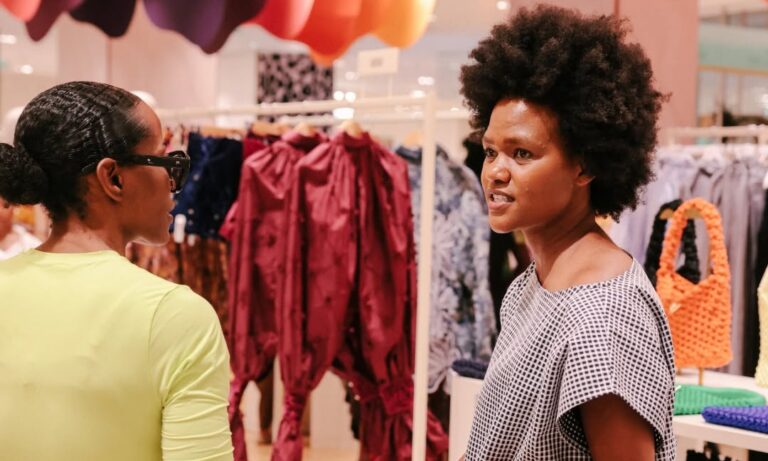
The Music In Africa Foundation (MIAF) is proud of its partnership with the Industrial Development Corporation (IDC) as a Strategic Implementing Partner (SIP) for its Social Employment Fund (SEF). Through this collaboration, MIAF is running a national programme that is creating jobs, addressing skills gaps, and strengthening South Africa's creative industries — in line with the SEF's overarching goal to generate work for the common good and build community value through employment, social contribution, and inclusive economic participation. Operating under the banner NEFCISA (National Employment Facility for Creative Industries in South Africa), the initiative is recruiting and training participants, matching them with host organisations, and has already placed 1 500 workers across the country — surpassing its original target of 1 000. NEFCISA is delivered through a network of 20 host organisations spanning five provinces, who are actively hosting participants and contributing to work for the common good across South Africa's creative and cultural industries. Key Objectives: Support employment and entrepreneurship in the creative industries. Offer skills development and training programmes. Foster partnerships between public and private creative sectors. Promote South African creativity at both provincial and national levels Foster community development through social contribution.

ACCES
ACCES

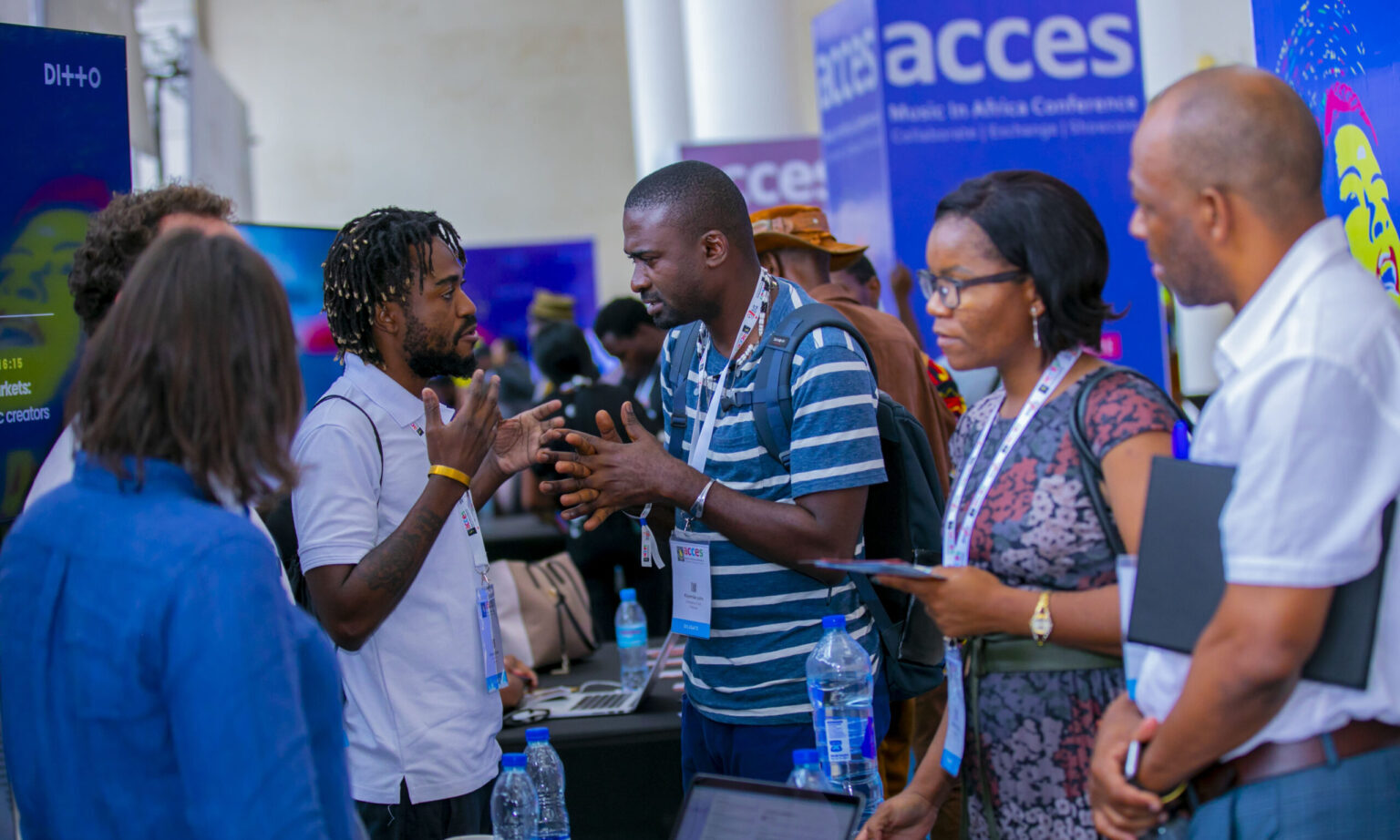
ACCES Conference and Showcase Festival is Africa's leading music industry gathering, bringing together the people shaping the future of the continent's music business. Artists, entrepreneurs, executives, investors, policymakers and cultural leaders from across Africa and around the world come to ACCES to build partnerships, exchange ideas, discover talent and create new business opportunities. Since its launch in 2017, ACCES has become the continent's premier platform for professional exchange and music market development. Combining a high-level conference with a curated showcase festival, networking, exhibitions and industry programmes, ACCES offers a unique space where creativity meets business and where African music connects with the global industry.

Gender@Work
Gender@Work

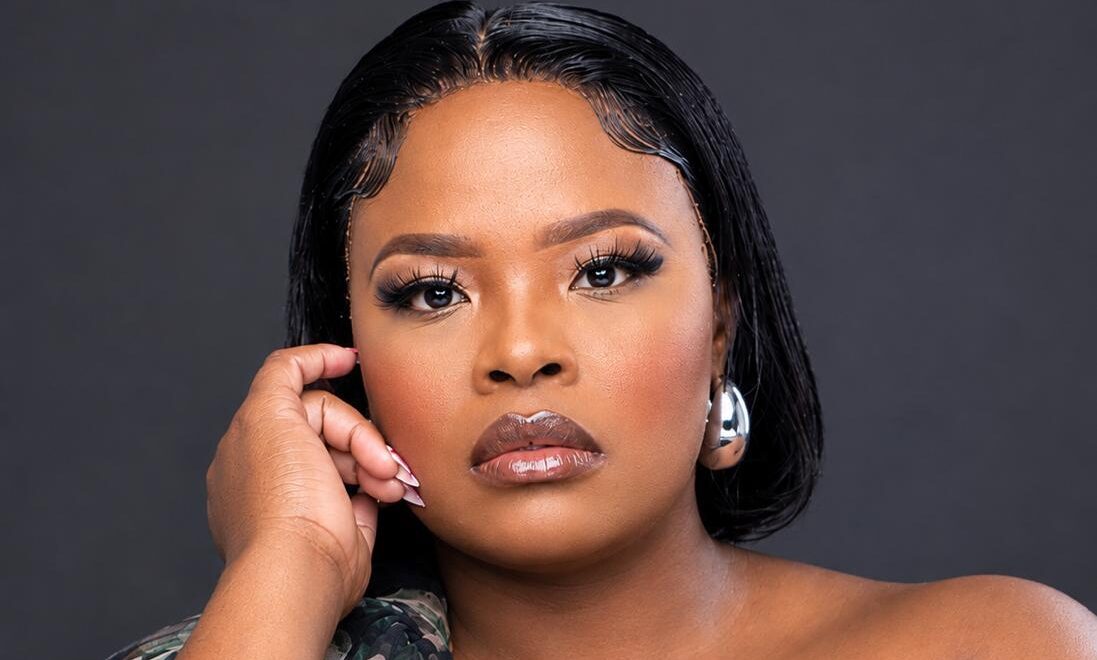
Music In Africa Gender @ Work is a three-year training programme aimed at upskilling and increasing the participation of female professionals in the African music sector. Launched by the Music In Africa Foundation (MIAF) in April 2019, the programme is connected to the MIAF’s ACCES music conference – a pan-African event held in a different African country every year. This connection enables the programme to reach new participants in a different African country every year. The programme marks the beginning of a more concerted effort by the Foundation to support the participation and inclusion of women in all facets of its programmes and the music sector in Africa as a whole. Over the three years, the programme will aim to address gender imbalances in the sector through training, lobbying, facilitating knowledge exchange and dialogues that foster the interest of women. The broader objectives of the programme are to: Provide industry training for women on critical music industry skills, focusing on: Stage management Electronic music production and recording Music business management Technical knowledge Provide an opportunity for both professional and aspiring women to benefit from the Music In Africa network and its broad range of activities in 2019, 2020 and 2021. Provide a solution-based platform in the form of a round table at ACCES with a view to identify challenges, discuss opportunities and lobby for the interests of female practitioners. Offer participants the opportunity to benefit from programmes offered by MIAF’s partners. Increase access to educational materials. Integrate participants in the broader ACCES programme to maximise experience and exposure to the industry. Record and present training materials on the www.musicinafrica.net, including but not limited to tutorials, templates and other best-practice materials. Communicate women-based themes that support the initiatives and messages of the programme. MAIN TRAINING ACTIVITIES Training in first country (Ghana): In the first year, participants will be trained on all aspects of stage management by a team of experienced stage managers from 10 to 17 November 2019. The programme will offer robust classroom training as well as practical, hands-on training in which participants will also be given the opportunity to manage various aspects of the ACCES performance programme. Training in second country: The second training iteration will take place at ACCES 2020 when the programme will diversify its course to include music production lessons and training on other music business topics. A round-table platform will also be introduced to coincide with the ACCES programme. Training in third country: The third training iteration will take place at ACCES 2021 in a different country, offering an advanced course. HOW DO YOU GET INVOLVED?  As a participant, facilitator or trainer: The programme enrolls up to 12 trainees every year. All opportunities are advertised publicly on this website, and will be added to this page. Please keep checking this page for new calls (below under UPDATES & CURRENT OPPORTUNITIES). As a partner Please contact Claire Metais at [email protected]. APPLY The call for applications for 2020 will be announced soon. The Music In Africa Gender @ Work programme is made possible with the support of the Prince Claus Fund, Siemens Stiftung and Goethe-Institut.

Sound Connects Fund
Sound Connects Fund

For cultural and creative practitioners and organisations operating in southern Africa, access to funding remains a major challenge. The COVID-19 pandemic has also had a massive impact on government policy, spending and the economy in general, and has seen spending on culture being moved further down the list of priorities. Further, the cultural and creative industries repeatedly cite four main areas where investment is needed for growth, which are increased visibility, mobility including access to new markets, finance and support structures.

Instrument Building And Repair Project

Experience the Vibrations African Instruments Exhibition online in 3D

Overviews

Music and its influence in Zimbabwe

22 Sep 2016 - 11:08

cc-img flag-img

Zimbabwean music has played an important part in the country's cultural history and it continues to shape social discourse in the everyday lives of Zimbabweans. Over the years, musical compositions of different genres have provided entertainment, education and social commentary in many aspects in the country.  The role of music has even become more important in recent time as artists have become a mouthpiece of the masses in the face of economic and political challenges.
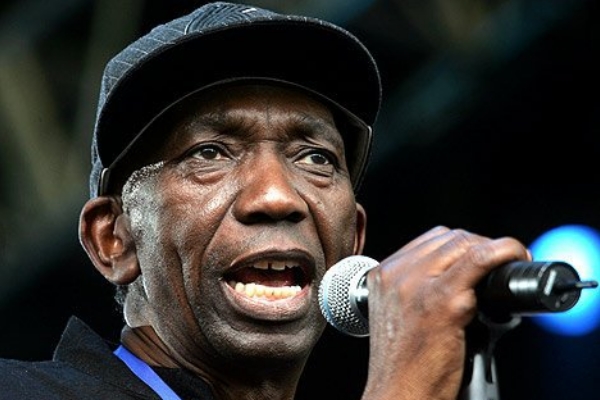
Thomas Mapfumo. Photo: www.nehandaradio.com

Music during the war

Before Zimbabwe’s independence from British colonialism in 1980, music played a crucial role in mobilising people to fight oppression. Musicians like Thomas Mapfumo, the ZANLA Choir and Zexxie Manatsa composed songs that not only inspired the beginning of the liberation war, but also lured more cadres to join the struggle. Songs like 'Tumira vana kuhondo' (send the children to war) acted as catalysts and mobilisation tools.

War songs provided inspiration, courage, hope and the zeal to fight the colonial regime. They were sung mostly in the vernacular language to create a language barrier against the authorities, unifying people to stand as one.

The changing tone of musicians after independence

In the period from the early to mid-1980s, after the country attained independence, musicians took a celebratory tone, helping society reflect on the time they had endured the pain of war. This, however, started to change in the late 80s as musicians started to criticise changing government policies and corruption. Thomas Mapfumo composed the popular song 'Corruption,' and Solomon Skuza released the controversial song ‘Love and Scandals’ which ridiculed a corruption scam implicating government officials (the Willowgate scandal).

Throughout the late 1990s, artists continued to release songs that addressed the perceived socio-economic crisis that engulfed the country. More and more compositions which spoke to the daily struggles of Zimbabweans, economic decline, poverty and bad policies became popular hymns and these issues became a rallying point for the masses as evidenced by the food riots that the country witnessed in the late 90s. Songs like ‘Mugove’ (my dues) by Leonard Zhakata, ‘Chinyemu’ by Leonard Dembo became popular tunes at Workers Day rallies and meetings because they spoke to the daily struggles of the working class in the face of an economic collapse and the inequalities that existed between the rich and the poor.

Gospel and Christianity

The influence of music was not only limited to political and socio-economic issues. Gospel music played an important role in spreading Christianity in Zimbabwe. The country's music scene had been dominated by secular music, mainly traditional music but the coming in of gospel music changed the landscape all together. Early gospel musicians such as Jordan Chataika, Mechanic Manyeruke had to compete for audiences in the then secular-music-dominated sector. Many critically-acclaimed gospel songs created huge demand for the genre, eventually leading to the establishment of a more organised recording sector for gospel music. And as gospel music became more and more popular, more people naturally became Christians.

The late 90s, going into the new millennium saw a massive rise of influential gospel musicians such as Charles Charamba, Brian Sibalo, Pastor Haisa, Elias Musakwa, Fungisai Zvakavapano, the Mahendere Brothers and Ivy Kombo. Apart from being recording artists, these musicians were part of an emerging pentecostal movement that later blossomed into various big churches in the country today. Some of the biggest churches in Zimbabwe, including Walter Magaya's PHD Ministries, even invite secular musicians such as Alick Macheso, Suluman Chimbetu, Tocky Vibes and Peter Moyo to perform.

Modern times and the rise of Zimdancehall

In recent times, Zimbabwe has witnessed the growth of a new music genre called Zimdancehall which has its roots in Jamaica. The genre is known for its hard-hitting lyrics which often encompass social commentary on issues like poverty, unemployment and drug abuse. Dominated by young musicians mostly from high density residential suburbs such as Mbare, Chitungwiza and Highfields, Zimdancehall’s impact in the country has been massive. With Zimbabwe having recently adopted the US dollar as its currency, Zimdancehall has become a source of decent income for many young musicians and music producers. For fans, the genre has become a good alternative to the traditional chimurenga and sungura music as well as the Urban Grooves genre which dominated the country in the early 2000s.

Zimdancehall, however, has been blamed for having a detrimental effect to young people in Zimbabwe, for promoting drug abuse, violence and prostitution. According to a survey conducted by a daily newspaper in Zimbabwe, NewsDay, in 2014, most of the young people who follow the genre end up following examples portrayed by the artists they listen to. The survey also found out that many teenage boys who affirm allegiance to Zimdancehall crews become bullies at school.

Please log in to post a comment.

Most popular

Disclaimer: Music In Africa provides a platform for musicians and contributors to embed music and videos solely for promotional purposes. If any track or video embedded on this platform violates any copyrights please inform us immediately and we will take it down. Please read our Terms of Use for more.

newsletter banner

Subscribe to our monthly Newsletter

Follow us on social media