






















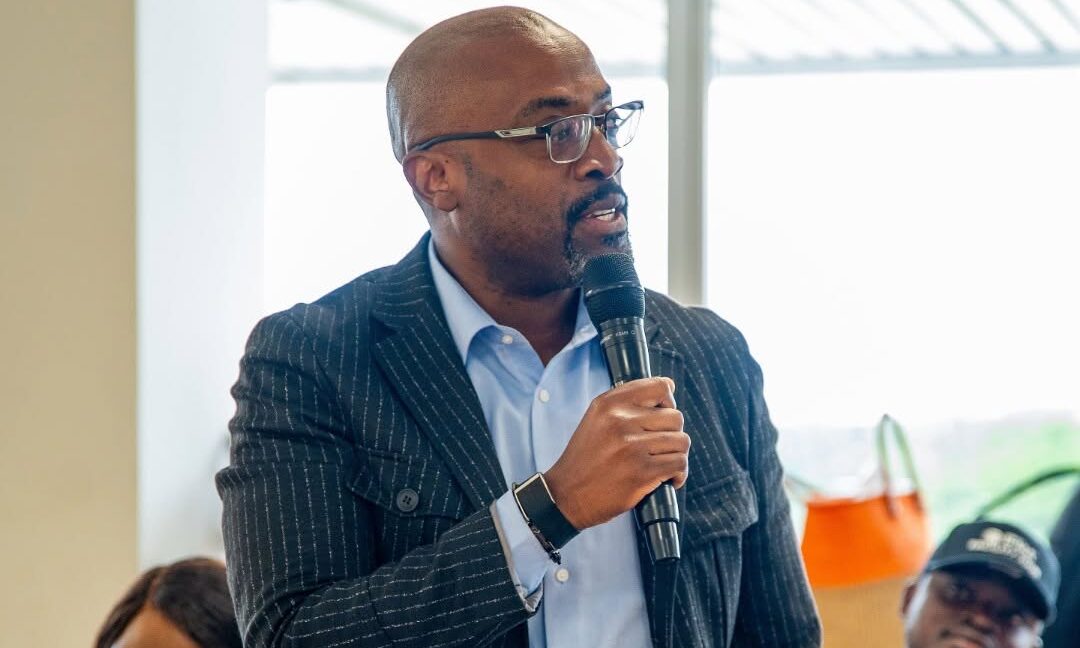




































From traditional music, in which artists tell their struggles through the use of folklore, to the waist-wriggling kwasa kwasa, Botswana has embraced a variety of musical styles over the years.
This article provides an overview of some of the popular music genres in the southern African nation.
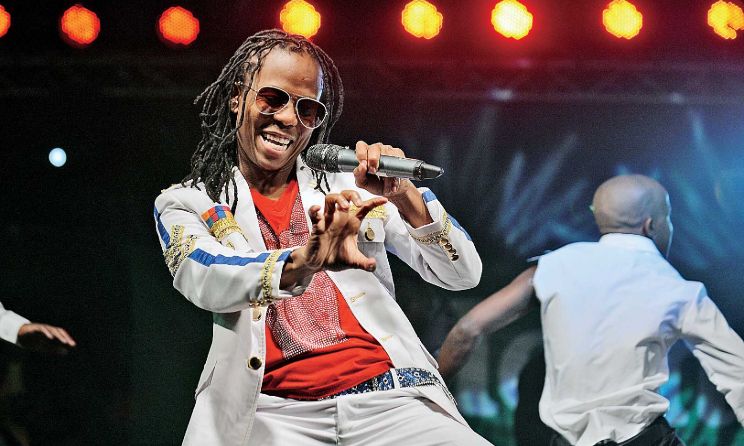
Traditional music
There are many folk music traditions in Botswana, but the most eminent ones are dithlaka and Tswana. Dithlaka is played collectively by a group whose members blow varying lengths of copper pipe. Dithlaka means ‘reeds’, as they were the original instruments used in this performance style, but copper piping is preferred these days because it is hardy and easily available. Each player in the group blows a single note on their copper pipe, with the differing lengths allowing them to play different tones in different octaves. The size of the dithlaka group and the style of the arrangement varies from village to village[1].
The broad genre of Tswana music, on the other hand, is usually reliant on stringed instruments such as the segaba, a bowed string instrument, and the setinkane, which resembles the mbira. The use of clapping to provide rhythmic accompaniment is another notable feature[2].
The rise in popularity of traditional music in Botswana owes much to the efforts of Batho Molema and his team of employees at Radio Botswana. In the years following independence in 1966, Molema led an extensive recording project, visiting villages and capturing traditional sounds. These recordings formed a comprehensive archive, whose material has been played on Radio Botswana’s Sunday morning radio programme Dipina Le Maboko (Songs and Poems) for more than 50 years[3].
As contemporary musicians took advantage of developments in recording technology, advances in marketing and promotion, and other improvements in the Botswana music industry’s infrastructure, traditional music experienced a boom between 2006 and 2010[4]. During this period, traditional music was effectively commercialised and received extensive rotation on the country’s radio stations. The music was also exported to other southern African countries, with groups such as Matsieng, Machesa Traditional Troupe and Culture Spears gaining widespread attention[5].
Culture Spears, for example, toured Zimbabwe and South Africa, where they were invited to perform for former president Thabo Mbeki in 2008. Their hit 'Khudu' won the ensemble the Song of the Year Award at the Botswana Musicians Union (BOMU) Awards in 2009, and South African DJ Bujo Mujo remixed a house version of another of the group’s tracks, 'Kulenyane'[6].
In the latter part of the 2010s, traditional music seemed to have lost some its long-standing popularity in Botswana. Experts attribute this trend to the splitting up of the country's popular groups, as more artists attempted solo careers, and a consequent decline in interest in the genre from members of the public[7].
Kwaito
Kwaito music emerged from the townships of Johannesburg, South Africa, in the 1990s – a syncretic form of music that combined a number of different rhythms and textures, from marabi of the 1920s, kwela of the 1950s, the mbaqanga and maskandi traditions of Johannesburg’s hostel dwellers, pop music from the 1980s and the African praise poetry tradition known as imibongo[8].
This dance-orientated genre crossed the border into Botswana, with a number of popular kwaito artists emerging on the local scene, such as Mapetla, Skazzo, Ghavorr and P-Mag. However, the popularity of kwaito in Botswana has also begun to wane in recent years, leaving musicians such as Troski (Michael Molefe) attempting and resuscitate the genre[9].
Kwasa kwasa
Originally from the Democratic Republic of Congo, the genre of kwasa kwasa is now deeply entrenched in Botswana’s popular music landscape. Kwasa kwasa is a dance-based form of music that resembles the rumba, but is slower in tempo and more sexually suggestive in its movements[10]. First popularised by soukous musicians in west-central Africa, the genre was localised in Botswana by artists such as Franco Lesokwane, Chris Manto 7, Les Africa Sounds and Jeff Matheatau.
While the rise of kwasa kwasa also seems to have been stalled in recent years, some artists – such as Franco Lesokwane and Alfredo Mos – still continue to find success in this genre[11].
Kwaito-kwasa
Kwaito-kwasa is a genre of music unique to Botswana, created by fusing the aforementioned genres of kwaito and kwasa kwasa. This fusion brought the faster and more insistent rhythms of kwaito to the melodies and phrasings of kwasa-kwasa, and is largely credited to the work of Vee Mampeezy[12].
A Botswana Music Award winner, Vee Mampeezy has gained international attention, with his music featuring on TV and radio channels such as MTV Base and Trace Africa. He has also toured the UK, performing in Leeds, London and Birmingham, and he has paved the way for other popular kwaito-kwasa artists such as Slizer, T-Joint, Mapetla and Mingo[13].
Resources and citations:
[1] www.bbc.co.uk/blogs/radio3/entries/550ce02b-f847-3ef2-ab59-d5fe4dc6e720
[2] http://www.knowbotswana.com/botswana-music.html
[3] https://musicinafrica.net/magazine/traditional-pop-botswana
[4] ibid.
[5] http://www.thegazette.news/?p=14610
[6] http://www.mmegi.bw/index.php?sid=7&aid=86&dir=2010/February/Thursday4
[7] http://www.thegazette.news/?p=14610
[8] http://www.sahistory.org.za/article/kwaito
[9] http://www.sundaystandard.info/troski-attempts-revive-local-kwaito-music
[10] https://en.wikipedia.org/wiki/Music_of_Botswana
[11] http://www.thegazette.news/?p=19451
[12] http://www.knowbotswana.com/botswana-music.html
[13] http://www.kutlwano.gov.bw/kut-article-detail.php?aid=931&mid=73
Disclaimer: Music In Africa's Overviews provide broad information about the music scenes in African countries. Music In Africa understands that the information in some of these texts could become outdated with time. If you would like to provide updated information or corrections to any of our Overview texts, please contact us at [email protected].
Editing by David Cornwell


Most popular

Top Naija songs of 2026
31 Mar 2026

Top Afrobeats songs of 2026
19 Mar 2026
Ghana: Mr Eazi and MOLIY’s ‘Comfort’ earns Urban Music Awards nomination
21 Oct 2026

Top amapiano songs of 2026
16 Feb 2026
Open call: CANEX Music Business Lab and Songwriting Camp
15 Oct 2026

Nigeria: CANEX WKND unveils 2026 programme
21 Oct 2026
Disclaimer: Music In Africa provides a platform for musicians and contributors to embed music and videos solely for promotional purposes. If any track or video embedded on this platform violates any copyrights please inform us immediately and we will take it down. Please read our Terms of Use for more.

Subscribe to our monthly Newsletter
Follow us on social media


Please log in to post a comment.