



















































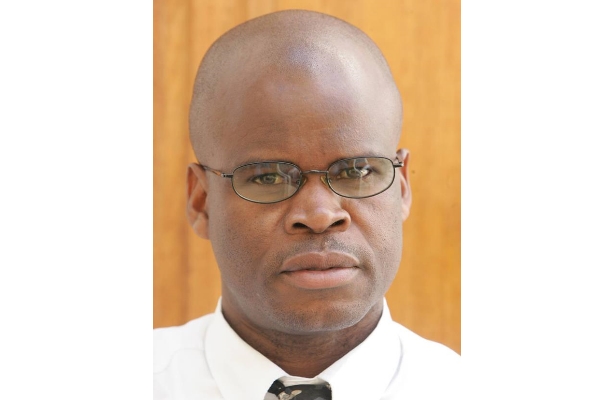


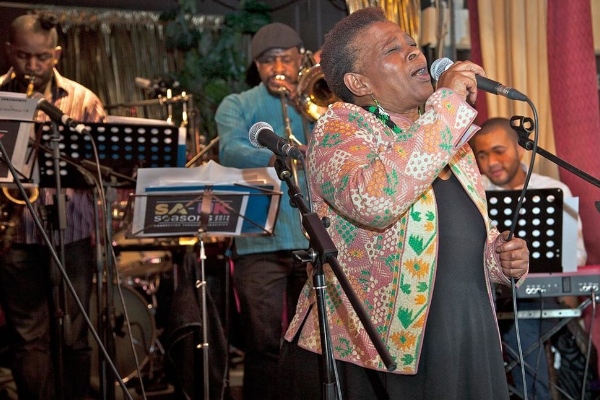
The name Pinise Saul might not sound familiar to many young fans of jazz in South Africa, but the Eastern Cape-born singer was once crowned “Queen of African Jazz” by The Guardian newspaper.
Collectors of local jazz tunes will probably recall the Soul Giants’ 1968 tribute album, I Remember Nick – dedicated to Nikele “Nik” Moyake, one of the best sax players of his generation, who went into exile with the Blue Notes in 1964 but was too homesick to survive and eventually returned a disturbed and dying man.
The same album salutes another unheralded Eastern Cape talent through a Dennis Mpale composition titled 'Pinise’s Dance'. This boisterous but soulful tune was also covered by the revered Mackay Davashe and his Jazz Dazzlers. His version appears in Archive Africa (2002), a compilation album on the golden era of South African jazz in the 1950s and 60s. It’s a rare tribute for a female artist at a time when there was very little respect for and recognition of women in showbiz. Nonetheless it’s a befitting homage to her dazzling vocal artistry and, in retrospect, her musical odyssey which includes witnessing the deaths of Blue Notes members and Eastern Cape countrymen – Johnny Dyani, Dudu Pukwana and Chris McGregor.
“It’s a strange and unique experience that when all these three died I was with them on tours. These are some of the painful memories of exile,” she observes.
In a rare moment of homecoming, the UK-based songstress will serenade local jazz followers in Sophiatown, Joburg. The last time she performed in the famous suburb that was razed to the ground in the 1950s by apartheid bulldozers was in 2012. The previous year she had wowed music lovers in neighbouring Melville at Lucky Bean – performing with a younger generation of sought-after instrumentalists like drummer Bernice Boikanyo and bassist Lucas Senyatso.
“I’m happy to be back in Johannesburg again and I’m looking forward to a night of great music,” she enthused. “It’s always a special moment for me to perform at home.”
The East London-born vocalist started singing at school where she met Tete Mbambisa, one of the greatest but unsung pianists in South Africa. Tete recruited her to join his male vocal harmony quartet, The Four Yanks, as a featured artist. With every performance at school and township concerts, the group’s profile grew and eventually led to national recognition following the release of their hit single, 'Umsenge (The Milk Tree)' in 1962. Credits on the single identified Zandile Camngca (lead vocals), Milton Lamani (alto), Ebenezer Jwayi (tenor), Tete Mbambisa (baritone/piano) and an unidentified rhythm section.
In 1961 they were joined by Durban-based drummer Dick Khoza as a manager and promoter. The Malawian-born was known by protégés as a strict taskmaster but an inspirational mentor and gifted talent scout. With the Four Yanks, he staged a number of successful performances at Cape Town’s famous jazz venues like the Vortex. Back in East London, he led another ensemble, the Jazz Wizards – with a line-up of Tete Mbambisa, Dudu Pukwana (alto), Johnny Dyani (bass), Aubrey Simani and Mongezi Feza (trumpet).
In 1963 Saul was performing in a musical titled Xapa Goes to Town with these musicians when she was approached to join the Johannesburg-based musical theatre show, Back In Your Own Backyard, as Letta Mbulu’s replacement. The latter was leaving the musical to join her husband Caiphus Semenya in the United States. Saul toured with the musical alongside familiar names like Dick Khoza, Dudu Pukwana, Nikele Moyake and Pat Matshikiza.
In 1964 she attended the Castle Lager Jazz Festival in Orlando, Soweto and decided to stay in Joburg and work with several groups.
In 1975 she left the country with the musical Ipi Tombi and went into exile. In London she first worked with ex-Malombo drummer and bandleader, Julian Bahula and his pan-African orchestra Jabula – which was composed of musicians from South Africa, West Africa and the Caribbean. Bahula had left his homeland in 1973 and settled in the UK where he established himself as one of the influential bandleaders on the British avant garde jazz scene.
Jabula’s 1975 self-titled album was dedicated to the anti-apartheid movement and set the tone for future albums. During their extensive tours in Africa and the West, Jabula’s highlights included performing alongside reggae legend Bob Marley and Patti Labelle during the Unity Festival in Boston, Massachusetts in the US. Their 1977 Live in Amsterdam recording featured Saul on vocals, Julian Bahula (drums), Lucky Ranku (guitar), Mike Rose (flute/alto sax), Dave Defries (trumpet) and bassist Steve Scipio. This album was banned by the apartheid authorities.
Saul also featured on vocals in Jabula’s subsequent albums, which were also banned by the South African government – Africa Awake (1978), African Soul (1979) and Freedom Yes! Apartheid No! The latter was also released in 1979.
Her next move was re-uniting with Dudu Pukwana, the formidable sax man who had already achieved international acclaim with the Blue Notes and someone she knew very well from her early years in South Africa. From 1981 she played and recorded in Pukwana’s various ensembles – Assegai, Spear and Zila. “Dudu was an extraordinary character with a passion for South African jazz,” she recalls fondly. “He gave young musicians a tough apprenticeship because he was a very demanding and hard-to-please bandleader. As an artist he is one of the great but not fully recognised township jazz songwriters to come out of South Africa.
“He also had the great charisma and stage presence of a great artist and you were never bored during his gigs. He kept audiences on their toes, not knowing what surprises he might spring on them next. Along with his German wife Barbara, he was also generous in welcoming people to their home in Kilburn, north London. There would always be people coming and going, jamming and rehearsing.”
Although she has performed and recorded with an array of South African exiles, it has been with guitarist Lucky Madimetja Ranku that she has been most closely associated. The pair has worked together on groups such as Township Express, the African Jazz All Stars and the Township Comets – the latter is dedicated to preserving the music of the great Dudu Pukwana. They were also instrumental in the founding of the London-based South African Gospel Singers in 1989.
Saul was with Ranku during her homecoming concert in East London, December 1990. Their first performance in Joburg was during Nelson Mandela’s 90th birthday concert.
Another key figure she continues to work with is Adam Glasser, multi-instrumentalist and harmonica specialist who joined Dudu Pukwana’s Zila in 1985 after he was recommended by South African bassist Ernest Mothle as a percussionist.
Originally published on 26 January 2016 in the African Independent.


Most popular
Open call: 2026 Gender@Work music industry training in Johannesburg
09 Oct 2026

Top amapiano songs of 2026
16 Feb 2026

Top Naija songs of 2026
31 Mar 2026

Top Afrobeats songs of 2026
19 Mar 2026
Gambia: Suntou Susso announce UK tour for ‘The Path of a Griot’
09 Oct 2026

Call for applications: ACCES 2026 Emerging Artist Spotlight Competition
01 Oct 2026
Disclaimer: Music In Africa provides a platform for musicians and contributors to embed music and videos solely for promotional purposes. If any track or video embedded on this platform violates any copyrights please inform us immediately and we will take it down. Please read our Terms of Use for more.

Subscribe to our monthly Newsletter
Follow us on social media


Please log in to post a comment.