
















































This article continues a treatise of the hiplife genre in Ghana.
Today the genre has matured and has become a multimillion cedi business with corporate endorsements, performance fees and brand extensions raking in big revenue for some hiplife artists.
Over the past 10 years, the telecommunications companies such as MTN, Glo and Tigo have signed some juicy deals with musicians starting with Samini’s game-changing MTN deal from which he walked away after almost a decade of association with the telecoms brand. During that period, he featured in many adverts for MTN and performed at concerts and charity events in return for the brand’s support for his charity work.
Glo also caused tremors on the entertainment scene when the company signed on a roster of musicians and movie actors. The musicians included both hiplife and highlife musicians. The Glo deal was viewed as counterproductive since the company at the time had not commenced operations in Ghana and the artists could not perform at shows sponsored by other telecommunications companies. However, the likes of Reggie took his money and extended his brand by investing in the hospitality industry, opening the Django nightclub and the Rockstone’s Office pub, which he co-manages with his medical doctor wife, Zilla Limann.
Okyeame Kwame, 2008 VGMA Artist of the Year, is another artist who has also extended his brand creatively by stepping into the advertising business, setting up his own company which handles media activations and develops creative material for clients as diverse as Coca-Cola and health institutions. He is still recording and collaborating with the new generation of artists such as Raquel, MzVee and his siblings Bradez, among others.
The face of hiplife today is markedly different from what it was a decade ago with many new faces having replaced the old crop of stars. Today, artists like Guru, EL, Flowking Stone, Teephlow, Pappy Kojo, Joey B, Gasmilla and Kofi Kinaata are kicking up a storm. Divas like Efya and MzVee are not outright hiplife artists, although they collaborate on hiplife songs. D Black is another artist who has coupled business savvy and creativity to position himself as a top hiplife artist and was the first Ghanaian musician in the genre to receive a BET nomination. Artists like Twi Pop General, Dr Cryme, Praye (who have regrouped although their lead singer is still plying a solo career) and others are trying to revive their careers in today’s heady competition. Fuse ODG has taken Ghanaian music and his ‘Azonto’ campaign across borders is doing brilliant work with his music and dance. He is one of the acts to watch in terms of Ghana music going places.
Hiplife greats
In terms of all-time greatness in the hiplife realm, there is a tall list of contenders. After careful scrutiny, my list is as follows:
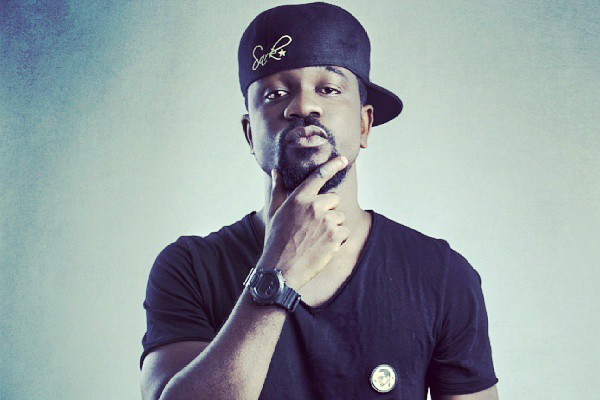
Sarkodie
Sarkodie sits atop the totem pole and this fact is even attested to by Reggie Rockstone, which is a credit to Sarkodie’s artistry and savvy as well as the team behind him which includes international lawyer Cynthia Jumu. Sarkodie has addressed students at Harvard Business College and played the Apollo Theatre in New York and Wembley in London, filling both venues to capacity. The two-time VGMA Artist of the Year has also won laurels at the BET and other international awards.
Okyeame Kwame
Rap Dr Okyeame Kwame, who has managed to remain relevant over a two-decade period, also makes the list of who is who in hiplife. Since the split of the group Akyeame, Kwame has gone to forge a solid solo career that has delivered the prestigious VGMA Artist of the Year award to him and he is still churning out hits and pushing his career. He recently performed to a select crowd of industry movers and shakers in New York City.
Obrafour
Rap Osofo Obrafour, the lyrically conscious diminutive dreadlocked rapper who released his maiden album by the turn of the century, still scores hits and continues to rock stages both locally and internationally. Apart from a short period that he considered going into the Lord’s vineyard, Obrafour has remained consistent.
Reggie Rockstone
The grandpapa of hiplife’s joining of VIP and the subsequent transformation of the group to VVIP has given him a new lease on life. Prior to that, Rockstone, who is responsible for coining the phrase hiplife, blazed a trail with his infectious raps over hip hop beats and led the experimentation with local rhythms along with his beatmaker Rab Bakari, radio station owner and entrepreneur Mike Cooke and music engineers Panji Anoff and Zapp Mallet.
Lord Kenya
Lord Kenya, who is now an evangelist, makes it on my list of all-time greatest hiplife artists. The rap ‘heavyweight champion’ as he used to call himself was a prolific hitmaker and a great performer. A former long distance runner, he gave energetic and exciting performances that have not been surpassed by a hiplife artist of his pedigree.
Other hiplife greats include the likes of Tinny, another Hammer protégé who made waves with his Ga raps during the early part of this century. Another Hammer protégé, Edem, is also in the reckoning for the hiplife greats of all-time list along with EL, the 2016 VGMA Artist of the Year, Trigmatic, Asem and Lord Kenya. Hammer is one brother who has played a seminal role in shaping the future of hiplife with his moulding of the talents of many of the hiplife heavyweights today. Of course, many people will dispute this list and serve up their own preferences. Generally speaking, the way forward for hiplife is positive and with the right environment and the collaboration of all key players, hiplife music should transcend Ghanaian borders and communities. There are a few challenges to this and these need to be addressed.
This is an excerpt from Ahuma Bosco Ocansey’s forthcoming book Conversations on the Creative Arts in Ghana. Stay tuned for the fourth and last instalment of this serial.


Most popular

Top Naija songs of 2026
31 Mar 2026

Top Afrobeats songs of 2026
19 Mar 2026
Ghana: Mr Eazi and MOLIY’s ‘Comfort’ earns Urban Music Awards nomination
21 Oct 2026

Top amapiano songs of 2026
16 Feb 2026
Open call: CANEX Music Business Lab and Songwriting Camp
15 Oct 2026

Nigeria: CANEX WKND unveils 2026 programme
21 Oct 2026
Disclaimer: Music In Africa provides a platform for musicians and contributors to embed music and videos solely for promotional purposes. If any track or video embedded on this platform violates any copyrights please inform us immediately and we will take it down. Please read our Terms of Use for more.

Subscribe to our monthly Newsletter
Follow us on social media


Please log in to post a comment.