




















































The hidden value of Zim’s creativity: How protecting IP can grow the creative economy

13 Nov 2025 - 09:31


Zimbabwe’s creative economy is rich in ideas, talent and cultural expression, from music and film to fashion, publishing, photography, design and digital content. Yet for many creators, turning that creativity into sustainable income remains difficult.
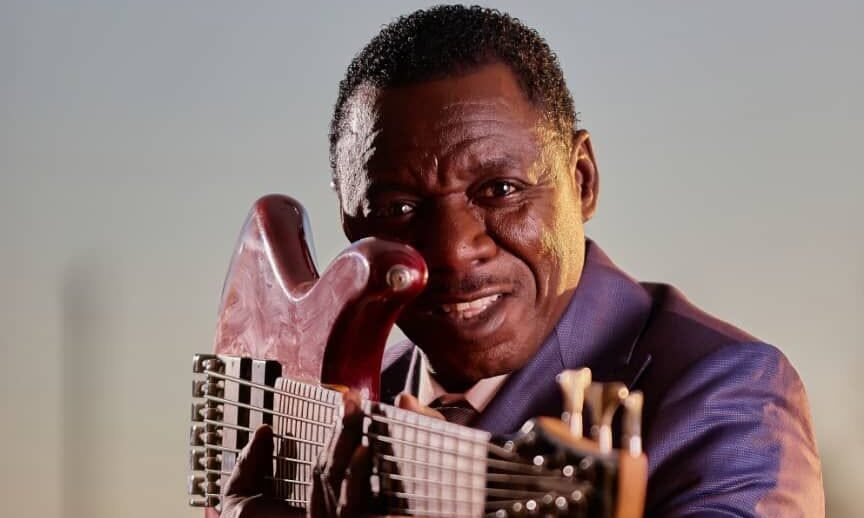
Zimbabwean sungura musician Alick Macheso.
One of the less visible barriers is intellectual property (IP), the legal framework that gives creators control over original works and allows them to benefit financially from their use.
For a musician, IP can determine who controls a song after it is recorded. For a photographer, it can determine who is allowed to reproduce an image. For a designer, it can protect a distinctive logo or visual identity. For a writer, it can establish who has the right to reproduce and distribute their work.
Understanding these rights is therefore not only a legal matter. It is increasingly a business necessity.
The song is more than a song
For Zimbabwean musicians, the commercial value of a successful recording can extend far beyond the initial release.
Consider a hypothetical artist who writes a song, records it with a producer and releases it independently. The song subsequently becomes popular on TikTok and is streamed thousands of times. A telecommunications company then wants to use it in an advertising campaign.
The artist may see the song primarily as a creative achievement. From a business perspective, however, it is also an intellectual asset.
If the artist understands their rights, they can negotiate how the music is used and under what terms. If ownership has not been clearly established, or rights have been transferred without adequate understanding, the artist may have limited control over these opportunities.
This is why contracts, copyright ownership and licensing are important even before a song becomes successful.
Zimbabwe’s music industry offers useful lessons
Zimbabwe has a long history of musicians turning cultural expression into commercially successful careers. Artists such as Oliver Mtukudzi demonstrated the international potential of Zimbabwean music, while contemporary artists such as Jah Prayzah, Winky D and Alick Macheso have built substantial audiences around distinctive musical identities.
Their careers also illustrate a broader point: an artist's value is not limited to the physical or digital copy of a recording.
There is value in the name, image, compositions, recordings, performances, visual identity and catalogue built over time.
For emerging musicians, recognising these assets early can help them think beyond individual songs and towards building a catalogue that can generate value over many years.
IP is already part of everyday life
Intellectual property can sound like a subject reserved for lawyers and large corporations. In reality, Zimbabweans encounter IP every day.
When someone buys a T-shirt featuring a popular artist's image, watches a film, streams a song, purchases a book, follows a creator on social media or sees a company logo, they are interacting with intellectual property.
The rapid growth of social media has made this even more obvious.
A photographer can post an image on Instagram and see it shared thousands of times. A musician can upload a song to TikTok and suddenly reach audiences outside Zimbabwe. A graphic designer can create a logo that becomes central to a small business's identity.
Digital platforms have dramatically increased the ability of creators to distribute their work. They have also made copying easier.
A creator may wake up to discover that their photograph has been used by a commercial account without permission, their music has been uploaded to another channel, or their design has been reproduced and sold elsewhere.
The question then becomes: Who owns the work, and who has the right to profit from it?
From creativity to business
This is particularly important for young entrepreneurs.
A fashion designer's pattern, a photographer's portfolio, a software developer’s code, a filmmaker's screenplay and a musician's catalogue are all potential business assets.
For an entrepreneur, protecting IP can therefore form part of a wider business strategy.
A strong brand, for example, can become one of a company’s most valuable assets. A distinctive name or logo can help consumers recognise a product in an increasingly crowded market. Copyright can protect original promotional materials, photographs, videos and written content.
The commercial value becomes clearer as a business grows.
A Zimbabwean clothing label selling locally may eventually seek customers in South Africa, Zambia or the United Kingdom. A musician whose songs become popular in the diaspora may attract international licensing opportunities. A filmmaker may seek distribution beyond Zimbabwe.
As businesses cross borders, questions about ownership, licensing and enforcement become increasingly important.
The social media economy has changed the equation
The rise of TikTok, YouTube, Instagram and streaming services has created new routes to audiences and income.
For creators, this is an opportunity but also a challenge.
A song can become popular through a short-form video without the artist directly controlling how the recording spreads. A photograph can circulate without attribution. A video can be reposted by accounts that monetise audiences built from somebody else's work.
At the same time, platforms have created new forms of commercial activity.
Creators can earn through advertising, subscriptions, streaming, brand partnerships, licensing and other digital revenue streams. This makes ownership of creative assets increasingly important.
The creative economy is therefore moving towards a model where attention itself can become an economic asset – but the underlying intellectual property determines who can capture part of that value.
Collective management also matters
Individual creators cannot always negotiate or monitor every use of their work themselves.
This is where collective management organisations and industry bodies can play an important role. In Zimbabwe, organisations such as the Zimbabwe Music Rights Association (ZIMURA) have a role in administering certain rights and collecting royalties on behalf of creators.
For musicians, joining an appropriate rights organisation and understanding what it administers can help ensure that royalties generated through qualifying uses of their work are not overlooked.
However, collective management is only one part of the picture. Artists still need to understand their individual contracts, ownership arrangements and licensing agreements.
The contract can determine the future of a creative work
One of the biggest misconceptions among emerging creators is that creating a work automatically means they will benefit financially from every future use of it.
Ownership and commercial control can become complicated when creators work with record labels, publishers, producers, distributors, broadcasters, brands or other commercial partners.
Before signing an agreement, a creator should understand questions such as:
- Who owns the copyright?
- What rights am I giving away?
- For how long?
- Where can the work be used?
- Who can license it to third parties?
- How will revenue be divided?
- What happens if the relationship ends?
These questions do not mean creators should avoid partnerships. Rather, they underline the importance of entering partnerships with a clear understanding of what is being exchanged.
AI is creating new IP questions
The rapid development of generative artificial intelligence is adding another layer to the debate.
AI tools can now generate music, images, text and video within seconds. This has created opportunities for experimentation but also raised questions about authorship, copyright, consent and the use of existing creative works to develop AI systems.
For Zimbabwean creators, these debates are not distant technological issues. As AI-generated content becomes more common on social media and digital platforms, creators will increasingly need to understand how their work can be used and how they can identify and respond to unauthorised uses.
The question of IP is consequently becoming connected to a much larger debate about who controls creative data and who benefits from technological change.
Protecting IP is ultimately about building value
Zimbabwe's creative economy cannot grow solely by producing more content. It also needs mechanisms that allow creators to retain ownership, negotiate fairly and earn from the value they generate.
This requires greater IP awareness among artists and entrepreneurs, but also stronger education for managers, producers, publishers, businesses and consumers.
For a young musician, understanding copyright could mean the difference between simply releasing a song and building a valuable catalogue.
For a photographer, it could mean turning a portfolio into a licensing business.
For a designer, it could mean protecting a visual identity that eventually becomes a recognisable brand.
For an entrepreneur, it could mean recognising that the company's name, logo, content, software and designs are not merely marketing tools but assets.
Zimbabwe’s greatest creative resource is its people and their ideas. The challenge is ensuring that those ideas do not simply generate attention for others, but can also generate sustainable economic value for the people who create them.
Protecting intellectual property is therefore not about putting creativity behind a wall. It is about giving creators the tools to decide how their work is used, negotiate its value and participate more fully in the economy they help to create.


Most popular

Top amapiano songs of 2026
16 Feb 2026

Top Afrobeats songs of 2026
19 Mar 2026

Top Naija songs of 2026
31 Mar 2026
Open call: 2026 Gender@Work music industry training in Johannesburg
09 Oct 2026

ACCES unveils stellar programme for 2026 edition
17 Oct 2026
The big interview: Temwa Gondwe on CANEX WKND 2026 – part 1
19 Oct 2026
Disclaimer: Music In Africa provides a platform for musicians and contributors to embed music and videos solely for promotional purposes. If any track or video embedded on this platform violates any copyrights please inform us immediately and we will take it down. Please read our Terms of Use for more.

Subscribe to our monthly Newsletter
Follow us on social media


Please log in to post a comment.