























































Why musicians die in poverty – South African study reveals battle to make ends meet
19 Jul 2024 - 10:31


By Gwen Ansell
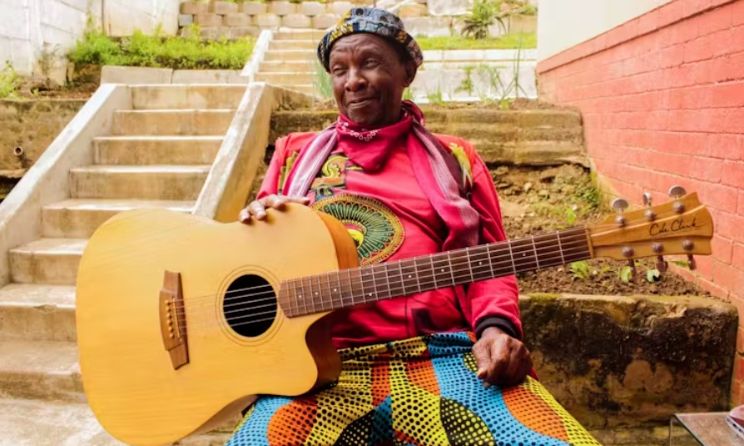
Benefits and appeals were recently launched to support the medical costs of veteran South African guitarist Madala Kunene. It’s not the first time such initiatives have been necessary, nor the first time that media and politicians have expressed astonishment that a renowned musician “died in poverty”.
Musicians’ dire financial circumstances are sometimes wrongly blamed on irresponsible spending; a musicians’ pension plan is often proposed as a solution. But until very recently, no data existed about what musicians in South Africa really earn, what costs they carry, and the tough trade-offs between professional and household costs they often need to make in order to survive.
As a music researcher who has written frequently on the economics of music work, I welcomed the opportunity to conduct long-term research with a team at IKS Cultural Consulting into a relief fund supporting SA jazz musicians during the COVID-19 period. That work has now given us concrete information to better understand the picture. Surprisingly, far fewer research projects anywhere in the world have looked at individual musicians than at how “the industry” (major music businesses) fares.
What we found confirms what has been understood anecdotally for a long time. Even “star” musicians are not nearly as well paid as the public believes. In fact, their working costs are sometimes high enough to drive them away from music as a profession.
And mining the fund’s administrative data affirmed how valuable such data is for far more than accounting. It can inform policy too.
The research
The main purpose of the study was to evaluate the impact of the Swiss Jazz Income Relief Fund, administered by Pro Helvetia Johannesburg during the pandemic. Pro Helvetia took on the relief fund as a special project – with finance from a Swiss donor – in the context of its longstanding commitment to sustaining exchange and collaboration in the jazz field between Switzerland and South Africa. The fund paid regular monthly disbursements based on self-reported household income shortfall for 6- or 12-month periods between July 2020 and October 2021.
Identifying details of the fund’s 700-plus recipients were removed before we analysed the income and spending data they submitted. A voluntary anonymous survey followed in 2022, which 311 of those completed. More extended retrospective reflections followed late in 2023 with seven on-the-record interviews.
Musicians’ experience of the fund itself was overwhelmingly positive. And there are significant potential learnings for grant-makers and policy-makers about what a difference it can make when accessible processes are tailored to the patterns of musicians’ earning and spending.
When we asked recipients to say how the funding helped, “Saved me” and “I/we survived” were the words that came back most often. Diverse, innovative ways of using the support to sustain and grow careers were also reported. We heard many heartening stories of community initiatives: food parcels; opening homes to serve as rehearsal spaces; educating the young.
Although our research population was jazz musicians, and we don’t claim their situation is identical to that of musicians making other kinds of music, we’re confident their circumstances apply far more widely. More than 90% of them, like their counterparts worldwide, work in other genres too. Studies across multiple genres from elsewhere concur about the patterns of earnings and working costs we found.
The findings
Our research was skewed towards experienced musicians, some at the height of their careers. They averaged earnings similar to the South African average wage: not what a “star” might earn, but what a formally employed mid-level South African motor mechanic or payroll clerk does – around R26 000 ($1 392) a month.
However, musicians have no formal employment contracts or packages, or a guaranteed monthly wage. Work is irregular and project-based, with no regulated 35-hour week or any tax concession for the tools of their trade – in fact many instruments are taxed as “luxuries”.
Musicians earn from multiple “income streams”: they’re paid from many sources. However, many other COVID-19 relief grants demanded formal proofs of only one consistent wage. Said vocalist and music educator Zodwa Mabena:
“You’re running around looking for company numbers, things like that … things most of us don’t have.
Musicians carry significant opportunity costs in terms of the long and usually unpaid rehearsal and practice hours they have to put in to stay skilled. During that time, they cannot do other work. They carry significant working costs: instrument and equipment purchase and upkeep; studio and venue hire; and – most significantly for many – transport. Some reported turning down engagements because travel costs would be higher than the fee offered.
Lasting impact of COVID
Worldwide, musicians have been experiencing a “cost of working crisis” since the pandemic. So are South Africans.
There was a 31% drop-off in the number of people who reported earning their main income from music between 2019 and 2021. And 45% of our respondents expressed pessimism about their future in music. All costs have risen. Bassist Shane Cooper told us:
“We have a band member living in another city … We used to be able to make it work … (but now) it’s just not financially viable. We don’t play.”
Studios and other service providers also have to compensate for the devastating losses incurred during the pandemic. Because some venues have closed and events ceased, work is scarcer, and the fees offered are static or have even dropped.
Meanwhile, musicians have their own COVID-period debts to repay. Some have to repurchase instruments and equipment they were forced to sell. Many lost old colleagues to COVID, and report now having to forge new working relationships with younger freelance players who may expect higher fees. Professional development costs, such as upgrading equipment or making better recordings and promotional videos, fall most heavily on younger, less established musicians.
All this happens in a context where musicians constantly face a trade-off dilemma between spending on sustaining or growing their music and putting food on the table, paying school fees and everything else that must be budgeted for.
So, as we found, it’s not surprising that musicians spend much less on retirement planning than other earners, and proportionately more on dependants, communication and insurance (instrument insurance costs are high).
What needs to happen
But a national artists’ pension scheme might not offer an answer. Musicians might not be able to contribute regularly, because of intermittent work. Should they make the pension scheme payment – or use that money to travel to a gig that might be the only work in sight that month?
Our findings suggest that policy and grant-making need to be rooted far more deeply in understanding the real circumstances of musicians’ working lives. Correcting opaque bureaucratic processes, implementing an income streams perspective that understands musicians may have multiple sources of earnings, and giving consideration to musicians’ costs of working, for example, might better help to sustain this important creative industry.
Gwen Ansell is associate of the Gordon Institute for Business Science, University of Pretoria. This article first appeared in The Conversation.


Most popular

Top Naija songs of 2026
31 Mar 2026

Top Afrobeats songs of 2026
19 Mar 2026

Ghana: Mr Eazi and MOLIY’s ‘Comfort’ earns Urban Music Awards nomination
21 Oct 2026

Top amapiano songs of 2026
16 Feb 2026

Open call: CANEX Music Business Lab and Songwriting Camp
15 Oct 2026
Nigeria: CANEX WKND unveils 2026 programme
21 Oct 2026
Disclaimer: Music In Africa provides a platform for musicians and contributors to embed music and videos solely for promotional purposes. If any track or video embedded on this platform violates any copyrights please inform us immediately and we will take it down. Please read our Terms of Use for more.

Subscribe to our monthly Newsletter
Follow us on social media


Please log in to post a comment.