

















































The Sierra Leonean music industry is male-dominated, a fact apparent in the small number of female professionals (MCs, vocalists, rappers, instrumentalists and managers) currently active.
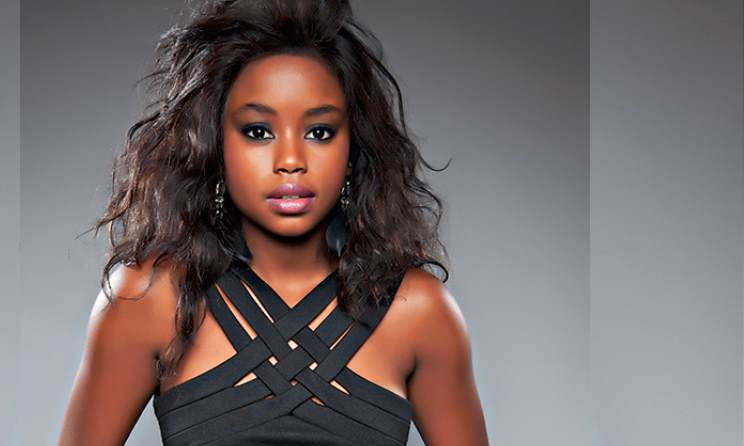
For most live music events in the country, the line-up tends to consist merely of male musicians. However, there are females, especially recording artists, who have made and are still making impact on the music industry. The text below presents an overview of female musicians including links to social media platforms and listening examples categorised by genre.
Traditional musicians
Amie Kallon: She was born and raised in Kenema (eastern Sierra Leone) and belongs to the matriarchic Mende tribe. She is one of the most influential musicians of her time. Amie Kallon played an important role during the Sierra Leone Civil War (1991-2002) as she was one of few artists who continued producing music and made public her views on the rebels.
Kallon performs traditional Mende music, sung in the native tongue. Part of her repertaire are parables and Mende folklore. A live performance of hers include 8-10 instrumentalists and dancers. It is unclear when Amie Kallon started her musical career, but she is currently still active.
Fantacee Wiz: She was born in Kabala (northern district) and currently lives in Freetown. A traditional folksinger, songwriter and actress who started her career as part of the performing art group Sierra Leone Freetong Players International, Fantacee Wiz started her own group called the Sierra Unity Playas in 2011. They toured schools across the country with a Stay in School campaign.
Fantacee Wiz has developed a unique style that combines folk and modern afrobeat, sung in both Koranko and Madingo, her local tribal languages. She uses the bata and the balangi, traditional Sierra Leonean instruments, for her live performances. Fantacee Wiz has collaborated with hip hop and dancehall artists as well, including Drizilik, Shine de Godson and Dallas Bantan. Fantacee Wiz was influenced by Amie Kallon, and is a known feminist. She has campaigned against child marriage and rape.
Reggae
Khady Black: A reggae artist, Khady Black (Khadyja Fofana) is a social activist that sings and raps in English, Krio and Madingo. She started her career in 2002 and was active up to 2008. She is best known for her song ‘Mr Government,’ in which she critiques the political situation in Sierra Leone. In 2005 she won the TBS Music Award for best reggae album for her Mr. Government album.
Afropop/ contemporary
Mijay: Mijay, whose career started in 2012, had her first hit in 2014. Titled ‘Makeneh Love,’ it featured Markmuday, one of the most popular male artists in Sierra Leone. She is one of few artists who focus on live music performances and has a close connection with Freetown Uncut, the leading live band of the country. Her music style can be described as a combination of afropop, dancehall and R&B.
Rozzay: Rozzay Sokota started her music career as being part of a duo with Markmuday. They were known for hits such as 'Pepeh Wata' and 'Life Goes On' (2016) . She is active as a solo artist and has been signed by the KME record label.
Lady Felicia: Felicia Grant Turay, popularly known as Lady Felicia, was born in the Kailahun district of Sierra Leone. She started her career in 2004 and became popular with the song 'Sweet Salone'. In 2009, she started the educative television talk show called The Lady Feli Show. During the Ebola crisis she became part of the ‘Artists With One Voice’ association, a group of Sierra Leonean artists, both part of the diaspora and those who were located in Sierra Leone, that voiced their support in the battle against ebola in 2014. Her last album, ‘Pressing On’, was released last year.
Empress Pee: An afropop artist, Empress Pee is one of the leading female New School artists. She is currently managed by Ellen Kister, one of Sierra Leone’s leading female MCs. Her hit 'Boom Bam Boom' was released in 2016
Heyden Adama: Heyden Adama Bangura is a musician, model and actress who currently lives in the United States of America. Her hitsingle, 'Fit in Gbet' (meaning, just perfect), was well received upon its release in 2011. Her music style is a combination of afropop, dancehall and traditional folk music. She is still active and has collaborated on a new song with Supa Saa in the start of 2017.
Gospel artists
Vicky Fornah: A gospel musician born and raised in Freetown, Vicky Fornah currently resides in the United States of America. She started her singing career at the age of 10 when she became part of her church choir. In 1995 she released her first album Don’t Bend the Law.
In 1999, she gained popularity with the song ‘Cry Africa’, which was used as soundtrack in the film ‘Burn Salone'. In 2002 she released Hold my Hand, her best selling album up till date. She is also a social activist and was part of the Artists with One Voice group.
Hannah Williams: In 1994, Hannah Williams released her first album ‘Joyful Day’ in 1994 at the age of 26. She has released several albums since including the 2007 album ‘God Nar me Papa.’
References
- Aruna Turay, “Africa Needs More Women like Lady Felicia’… BBC Recommends,” May 27th, 2010. Awareness Times.
- AYVNews. “Lady Felicia and Vicky Forna Join Ebola Fight”
- awoko.org. 01-11-2016. “Amie Kallon Takes over Freetown”
- Nuxoll, Cornelia. “We Listened to it Because of the Message” Juvenile RUF Combatants and the Role of Music in the Sierra Leone Civil War.” Music & Politics, Winter 2015. Volumi IX, Issue 1. Link to page
- Fantacee Wiz Soundcloud.


Most popular

Top amapiano songs of 2026
16 Feb 2026

Top Afrobeats songs of 2026
19 Mar 2026

AFRIMA 2026: All the winners
12 Jan 2026
Open call: Goethe-Institut grants for Southern African creatives
08 Sep 2026

Top Naija songs of 2026
31 Mar 2026

Call For Applications : ACCES seeks a UK-based performer
10 Sep 2026
Sun-El Musician confirmed for ACCES 2026 in Joburg
15 Sep 2026
Disclaimer: Music In Africa provides a platform for musicians and contributors to embed music and videos solely for promotional purposes. If any track or video embedded on this platform violates any copyrights please inform us immediately and we will take it down. Please read our Terms of Use for more.

Subscribe to our monthly Newsletter
Follow us on social media


Please log in to post a comment.