



















































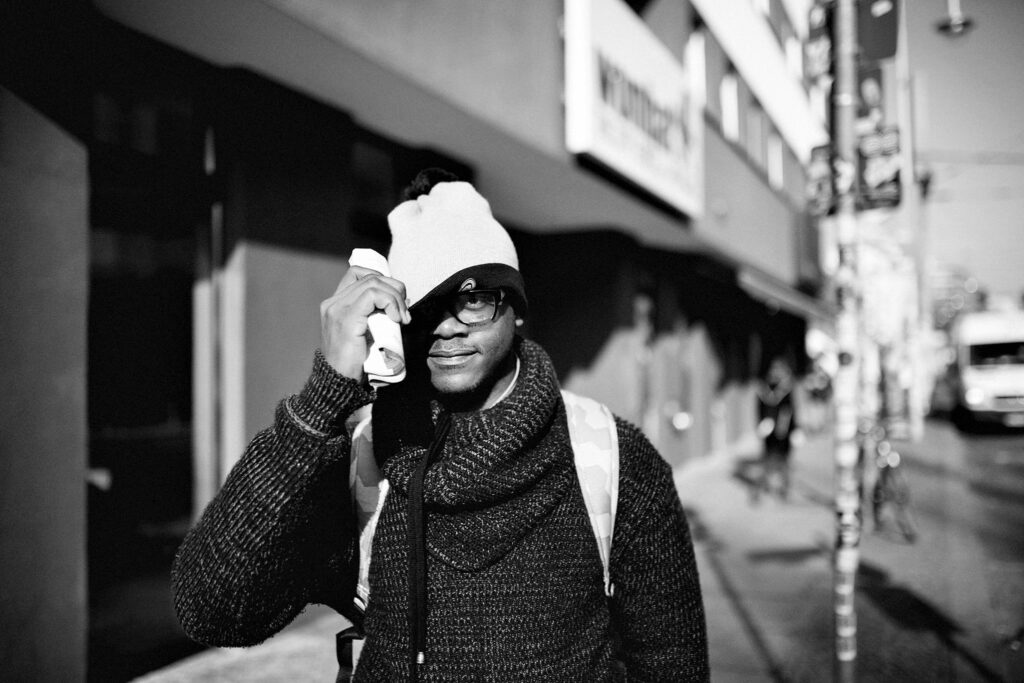


By Kwame Write Aidoo
Some say music is the universal language; others are in doubt of this statement. In either case, we all bear witness to its communicative qualities and its international appeal, independent of dialect. The complex properties in music trigger emotional responses, even when one cannot make out the literal meaning of the content. Whereas spoken conversations put the brain to work to process the semantics or meaning of the words, studies show that regardless of the linguistic element or cultural background, the emotional tendency of music extends the reach or listenership. As sociologist Herbert Spencer (1820-1903) put it: “Music is the language of emotion.” Today, modern telecommunications, and particularly the internet, have greatly extended the reach of music – social media have played a large role in increasing public awareness of the music of the world. One genre that has gained international attention over recent years, though remaining grounded in local language and culture, is Ghana’s hiplife music.

Origins
Generally, hiplife can be defined as a Ghanaian musical style which fuses highlife and some elements of hip-hop. It is often characterized by simple Twi lyrics (with several other Ghanaian languages used later) over hip-hop beats, with highlife samples and/or palmwine rhythms.
The subject of who is the specific originator of hiplife is a controversial matter, due to improper documentation at the time it first emerged in the 1990s. One cannot discuss hiplife without making mention of Reginald Yaw Osei, aka Reggie Rockstone. Though considered by some as the "Godfather of hiplife", there is much speculation as to whether or not he spawned the genre. The indisputable fact is that he is one of the main icons who facilitated its popularization by inspiring a host of imitators following the success of his 1997 debut album Makaa Maka, particularly the hit single ‘Choo Boi’.
Other pioneers of the genre include Da Multi Krew, a group based in Holland who were rapping in Twi as early as 1992. Talking Drums, consisting of Kwaku-T and Abeiku (now known as Jay Gartey) released the first ever hiplife video in 1994, ‘Aden’, produced by Panji Anoff, experimenting with a chorus in Twi before Reggie’s arrival. In this track, Panji sampled a highlife beat from C.K. Mann’s ‘Asafo Beson’, arranged by the legendary Ebo Taylor.
In the 1990s, musicians and producer/engineer Jay Q (real name Jeff Tennyson Quaye) also pioneered some of the earliest hiplife hits, introducing Jama or kpanlogo influences (traditionally associated with the Ga ethnic group) on songs such as as Buk Bak’s ‘I’m going to come’ and guiding the careers of artists such as Castro, Shilo and Dr. Doh.
Here is the twist, however: Gyedu Blay Ambolley as early as 1973 released ‘Simigwado’, which was dense with fast-spoken rapping portions in Fanti over jazzy highlife sounds, so some might argue that these tracks could also be termed hiplife.
Rise to mainstream
Reggie Rockstone’s first album Makaa Maka (1997) made waves and introduced a new sound to radio and dancefloors nationwide. The early years of Reggie’s music were characterized by sampling of older songs by the likes of Alhaji K. Frimpong and Fela Kuti. Reggie usually worked with engineers like Mike Cooke, Rab Bakari, Zapp Malet and Coal House.
Ace music producer Hammer of The Last Two (real name Edward Nana Poku Osei) brought into the mainstream Ghanaian hiplife acts Obrafuor and Kwaw Kese. Other influential producers of the genre include Kaywa, Killbeatz, Appietus and Mix Master Garzy, while Chicago is considered one of the pioneers of Ewe-language hiplife.
International appeal
In a line from the hit ‘African Rapper No 1’, Nigerian artist M.I raps: “This one na highlife and hip-hop combination”. The intriguing thing about hiplife is that it allows artists to perform and record internationally accessible music in the native tongue. Artists enjoy a relatively broad space for engaging their audience, both locally and globally, with the appeal of the energetic, danceable rhythms - even when listeners have no idea what is being said. It's for this reason that Sarkodie, Edem, Tinny and other talented hiplife artists stand out.
Though Sarkodie raps in Twi, he has gained recognition on the international scene. His versatility is comparable to Yaa Pono, who also hails from Tema. In 2010 Sarkodie earned a nomination for the MTV Africa Awards (MAMA). In 2012, he became the first Ghanaian rapper to bring home a BET Award for the Best International Act (Africa). His nomination in 2014 at the BET Awards and his performance at the BET Experience’s 'LA Live' event on Saturday 28 June deepens his global relevance. As a trend-setting and inventive rapper, Sarkodie took his career international with clean-cut hit songs like ‘Lay Away’ (featuring Sway from the UK) and ‘Internationally Known’ with Blitz the Ambassador. He recently performed his hit track ‘Adonai’, recorded at Vivivi studio in Accra, exclusively for BBC Radio 1 Extra.
Edem (formerly known as Ayigbe Edem) currently writes most of his lyrics in Ewe. Edem rose to fame with the release of his maiden album, The Volta Regime, in 2008, which has songs like the hit ‘U Dey Craze’, ‘Bra Fremi Fremi’, ’ Nyornuviade’, ‘Give It Up’, ‘Emmre Sesa’ and ‘Lorlortor’, executively produced by Hammer of The Last Two. Edem’s 2012 video ‘Heyba’ was premiered to a worldwide audience on the influential American urban music show ‘106&Park’ on BET International.
Tinny (full name Tinny Nii Addo Quaynorhas) has a phenomenal knack at making the Ga language sound appealing through music. His 2003 debut Makola Kwakwe was released simultaneously in Africa, Europe and North America and included the hit ‘Oofee Dull’, which helped put him in the international limelight. In 2009 he was named African Artist Of the Year at the Hip-Hop World Awards and picked up numerous nominations at the Ghana Music Awards in 2008 to 2010. Tinny used his status to sign lucrative deals with telecom giant Glo Ghana and Cadbury.
Related sub-genres
As hiplife has grown, it has given rise to a number of subgenres. For example, Jay-Q brought Asokpor to the mainstream, just as Sarkodie has popularized Azonto. Twi Pop is promoted by D. Cryme, while contemporary hiplife birthed GH Rap, a hybrid inspired by hiplife but with pidgin English lyrics. More recently, one can hear the influence global genres like dancehall and reggae making their way into hiplife music. Batman Samini is known to have perfected the mix of hiplife and Ragga, known as Raglife, a style that was pioneered by Terry Bonchaka.
Future predictions
In view of the widespread usage in popular music of global languages such as English, one might assume that Ghanaian artists use of local dialects might restrict their target markets, but the above successes shows that several few Ghanaian acts have managed to find international success not by imitating Western artists but by selling local sounds to a global audience. Language as a tool for communication in music cannot be disregarded, and has undoubtedly been a factor that bridges the local and the global and broadens the scope of appreciation for a song. Cultural cosmopolitanism has been the open forum that many creative and courageous Ghanaian hiplife artists have put across to their audiences, due to the fact that they are not afraid to put some 'Ghana' in their music.
Given the international success that hiplife artists have enjoyed to date, an optimist might assume that it’s only a matter of time before Ghanaian artists - regardless of the language used in their music - will be taking home Grammys and performing worldwide to enthusiastic fans. The future looks bright for hiplife.


Most popular

Call For Applications : ACCES seeks a UK-based performer
10 Sep 2026

Top amapiano songs of 2026
16 Feb 2026

Top Afrobeats songs of 2026
19 Mar 2026
Open call: Goethe-Institut grants for Southern African creatives
08 Sep 2026
AFRIMA 2026: All the winners
12 Jan 2026

Open call: Ernst von Siemens Music Foundation 2026 funding programmes
04 Sep 2026
Open call: FAME Week Africa, Pressure Cooker Studios songwriting camp
09 Sep 2026
Disclaimer: Music In Africa provides a platform for musicians and contributors to embed music and videos solely for promotional purposes. If any track or video embedded on this platform violates any copyrights please inform us immediately and we will take it down. Please read our Terms of Use for more.

Subscribe to our monthly Newsletter
Follow us on social media


Please log in to post a comment.