



















































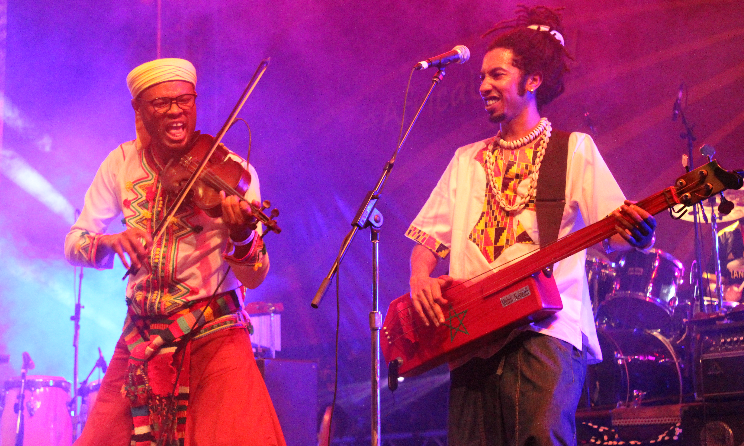
Sauti za Busara (SzB) is arguably one of the best music festivals on the African continent. That the festival is listed as one of the BBC’s ‘7 African music festivals you really have to see’ is a testament to its longstanding success.
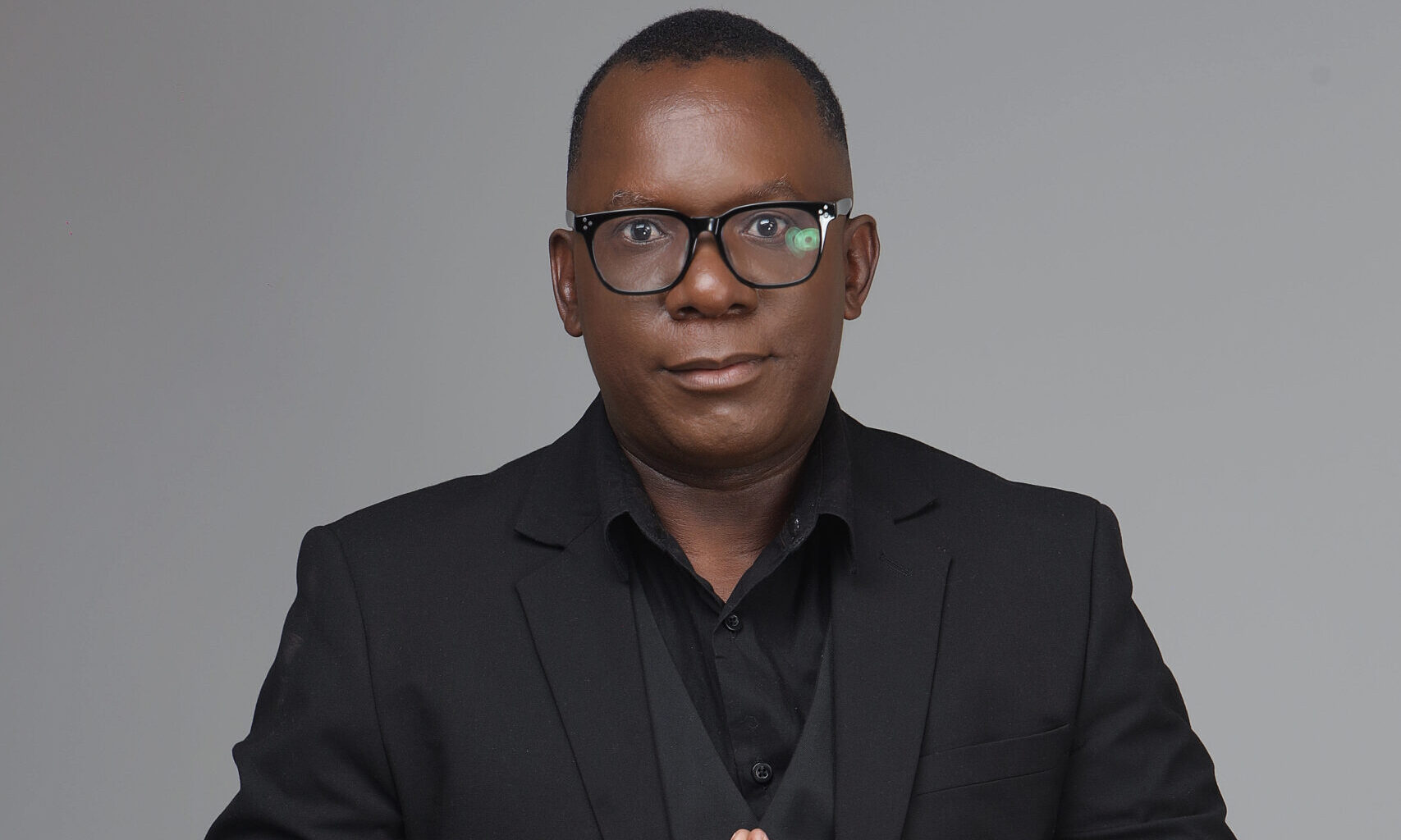
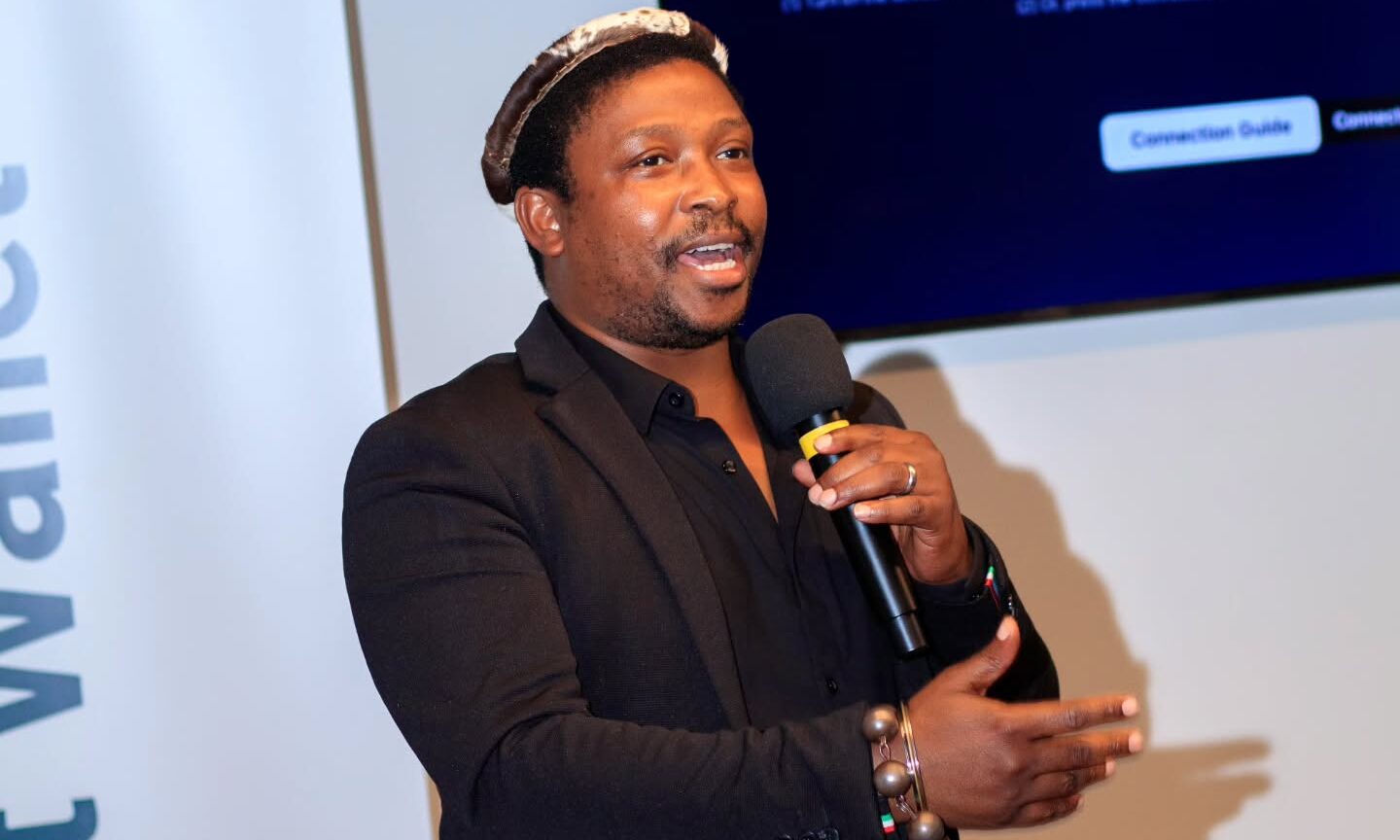
Much of the festival’s accomplishment as a must-see cultural gathering is owed to Busara Promotions CEO Yusuf Mahmoud who has contributed greatly to its success and vision despite various challenges the event has faced in previous years.
Mahmoud travelled to Zanzibar from the UK in 1998 to help coordinate the first Zanzibar International Film Festival (ZIFF). What he thought would be a six-month stint became five years in which he worked as a music director. After leaving ZIFF, Mahmoud set up the NGO Busara Promotions from which SzB was born.
The inaugural SzB primarily focussed on Tanzanian music and eventually the annual event grew to include acts from across the African continent.
Music in Africa spoke to Mahmoud about what can be expected at this year’s SzB, which takes place at the Old Fort in Stone Town from 8 to 11 February.
MUSIC IN AFRICA: How will this year's event be different from previous editions?
YUSUF MAHMOUD: Sauti za Busara festival showcases and celebrates the richness and diversity of live music existing around the African continent and diaspora. I believe this year’s line-up is our strongest ever, with a powerful mix of musicians representing East Africa and beyond.
In 2016, the event had to be cancelled. What challenges have you faced leading up to the 15th edition?
We were hoping the 2016 festival cancellation might be a wake-up call for hotels, airlines, tour and travel companies, the government and other local beneficiaries to realise the value of Sauti za Busara for the local economy. The festival is organised by Busara Promotions, a non-profit NGO, and we really need business buy-in to help keep it alive.
Unfortunately, in 2018 the very same challenges still exist. We are confident ticket sales will cover about 30% of festival expenses. Part of the balance is supported by the Norwegian and Swiss embassies, Africalia, small local businesses, media partners including Music in Africa, and of course the artists themselves, who usually have to find their own travel sponsors.
To be honest, we wonder how much longer it will be realistic to keep the festival going, without a radical rethink such as hiking up ticket prices or moving to a different location where there is more support for arts and culture.
There is a particular emphasis on discounted tickets for Africans and citizens of Zanzibar. Why did you opt for this route rather than a general price for all tickets sold for the event?
The audience mix is important – an element that makes Sauti za Busara so special and unique. International visitors experience shows differently when standing shoulder to shoulder with the local population. However, living standards in Zanzibar and Tanzania are such that many families struggle to survive on only a few dollars a day. If you were to compare average incomes locally and internationally, it would feel criminal to charge the same admission for all.
Why is it important for SzB to bring together artists from different regions?
In a world that’s increasingly divided, music reaches across borders and connects: people to people, heart to heart. Together in the universal language of music, we show the world that Africa is joyful, vibrant, rich and diverse in its cultural expressions.
By bringing together people of different ages and backgrounds, festivals promote and strengthen civil society. Festivals create opportunities for artists and practitioners to meet and learn from each other. They also help to promote peace, unity and respect for cultural diversity.
Sauti za Busara festival gives priority to original music with cultural identity. Young and emerging talents perform alongside established artists, where each is inspired by the other, helping to cross-pollinate local music styles and take these forward in new directions.
Will there be a collaboration between the various artists who will be performing there?
Usually we organise a music residency the week before the festival for local and visiting artists to collaborate. Sadly, due to budget constraints this year it was one of the projects that had to be cut.
What can be expected from the festival parade?
The starting point and first shows of Sauti za Busara 2018 will be on Thursday 8 February from 3pm at Kisonge, near Michenzani, a busy residential suburb about 2km from Stone Town. The festival will kick off with spectacular drummers and acrobats, then a community flash mob, as led by the Haba na Haba contemporary dance troupe from Dar es Salaam.
The Carnival Parade will set off shortly afterwards, on the one day of the year when even the Zanzibar police officers are smiling! Local participants will include beni brass bands, ngoma drummers, capoeira, mdundiko and kilua dancers, acrobats, stilt walkers, mwanandege (umbrella women), Maasai and Reki warriors, people of all ages and a dizzying kaleidoscope of colours.
Everyone is welcome to join, as we stop the traffic and rock the streets to arrive at the Forodhani Gardens, Stone Town, where a community stage will host free daily performances for the four days of the festival.
Who will be the headliner at the event?
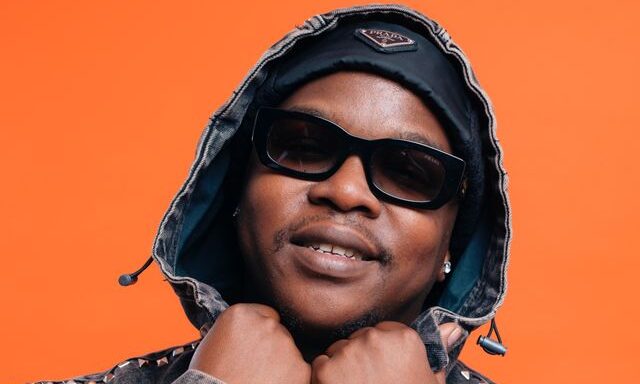
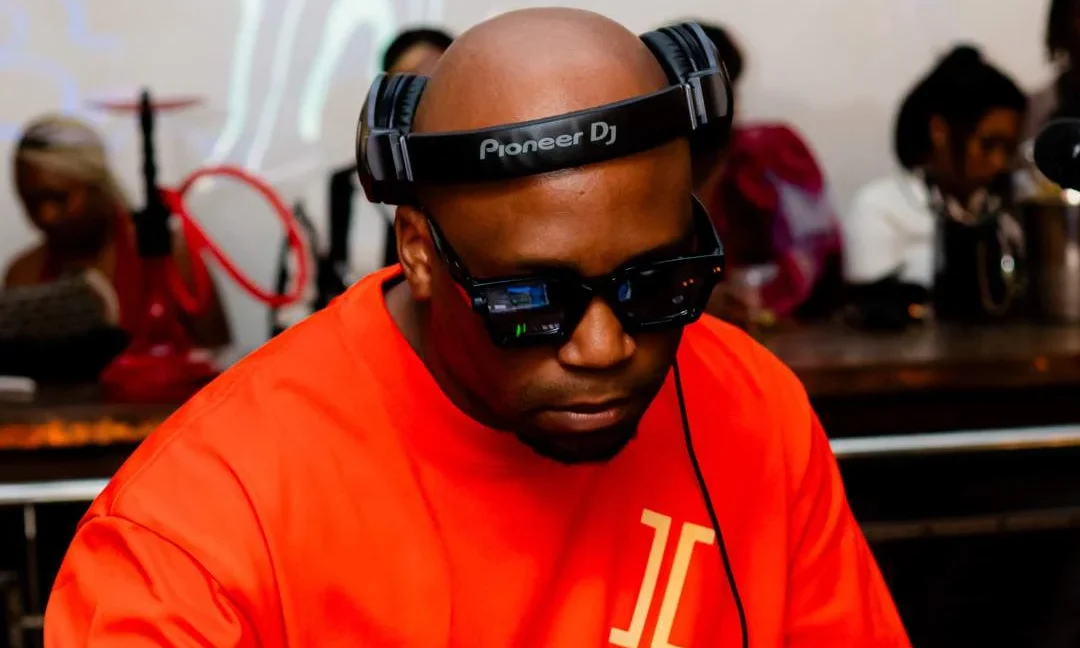
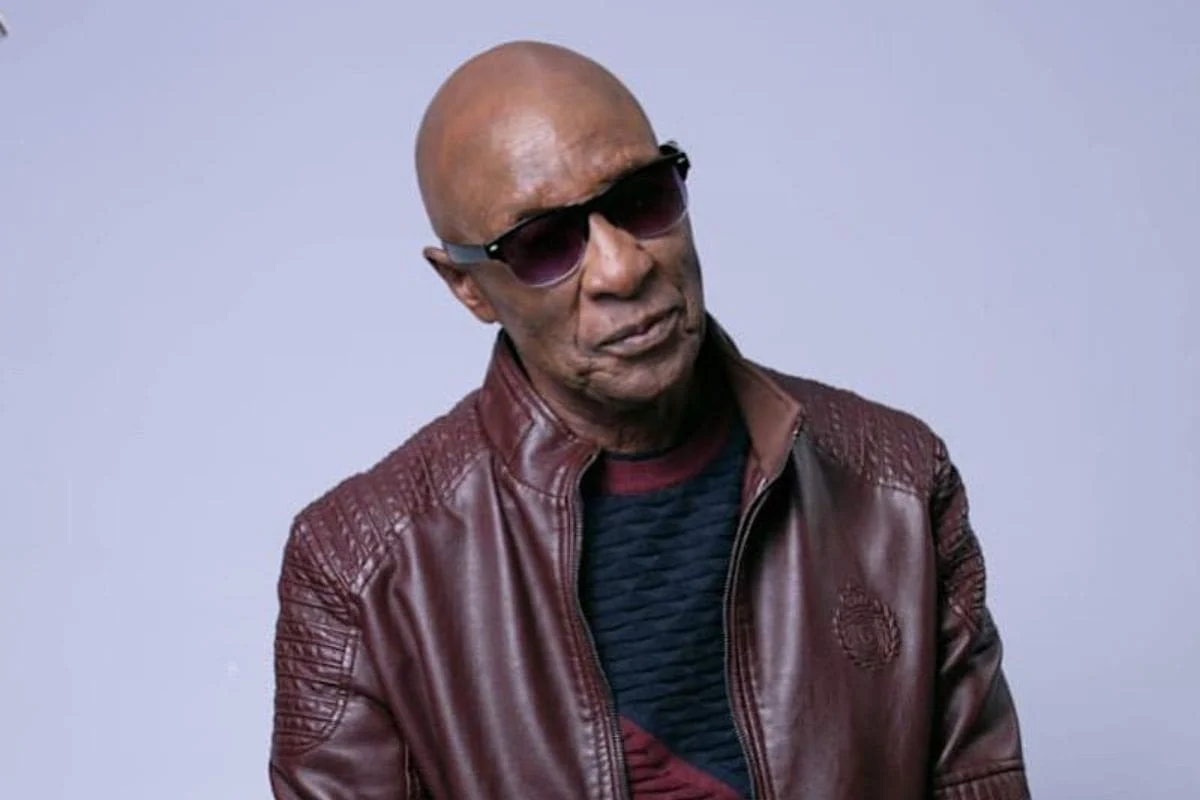
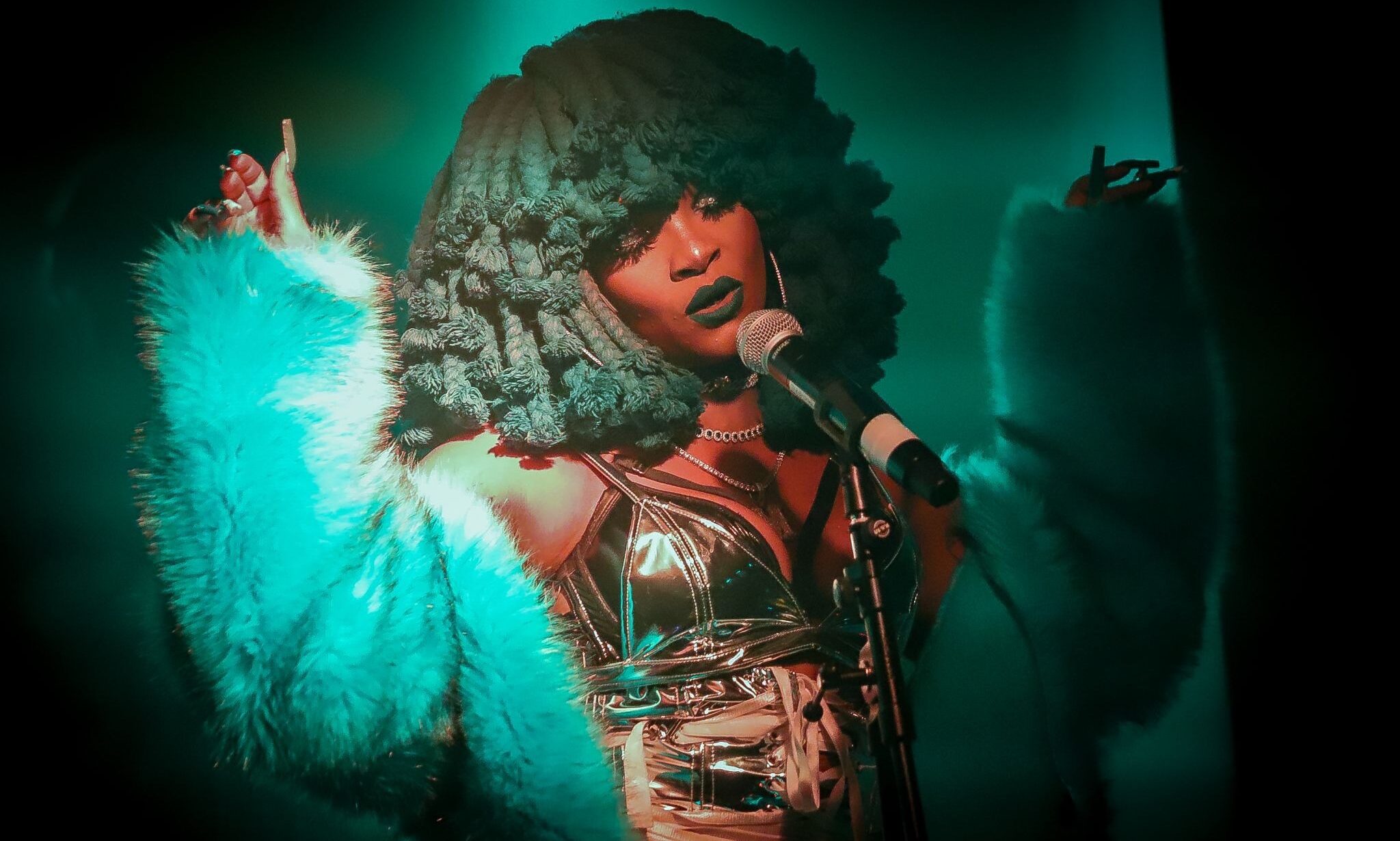
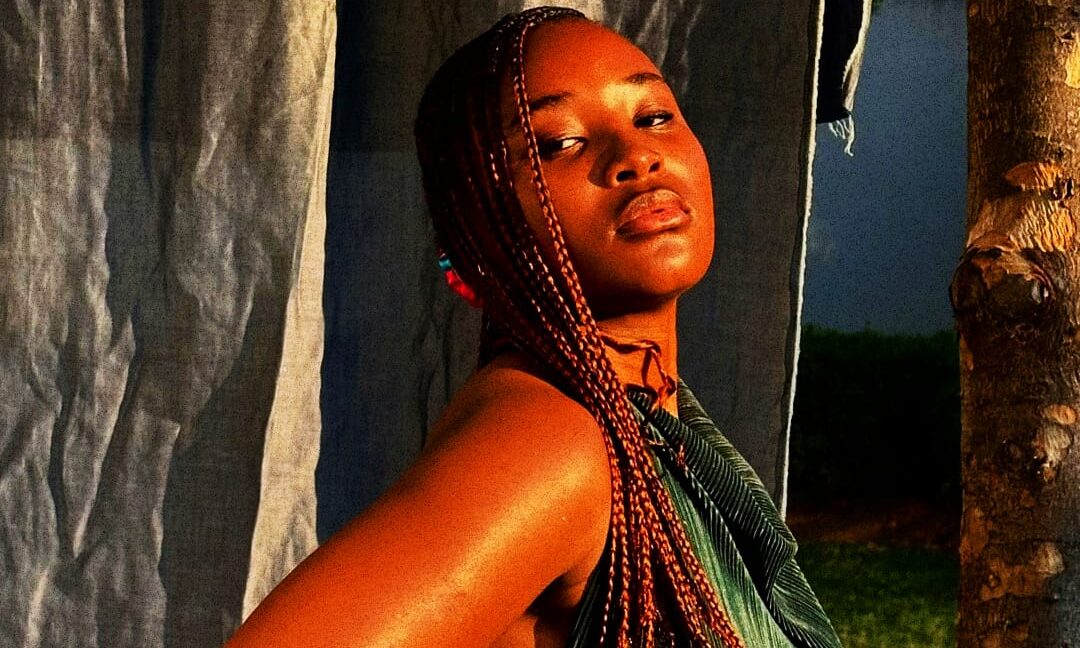
This year’s festival has many headliners, including Zakes Bantwini (South Africa), Kasai Allstars (DRC), Saida Karoli (Tanzania), Somi (Uganda/USA), Ribab Fusion (Morocco), Kidum & the Boda Boda Band (Burundi/Kenya) and the Mlimani Park Orchestra (Tanzania). None of these are famous like Taylor Swift or Lady Gaga but we believe they should be and could be, with similar levels of media attention.
What are you personally looking forward to at this year's festival?
All the music, seeing the smiles, feeling the vibes and excitement and 20 000 people over four days.
For more information, visit the Sauti za Busara official website.


Most popular

Call for applications: ACCES 2026 Emerging Artist Spotlight Competition
01 Oct 2026

Top amapiano songs of 2026
16 Feb 2026

Top Naija songs of 2026
31 Mar 2026

Top Afrobeats songs of 2026
19 Mar 2026
Open call: 2026 Gender@Work music industry training in Johannesburg
03 Oct 2026

AFRIMA 2026: All the winners
12 Jan 2026
Disclaimer: Music In Africa provides a platform for musicians and contributors to embed music and videos solely for promotional purposes. If any track or video embedded on this platform violates any copyrights please inform us immediately and we will take it down. Please read our Terms of Use for more.

Subscribe to our monthly Newsletter
Follow us on social media


Please log in to post a comment.