



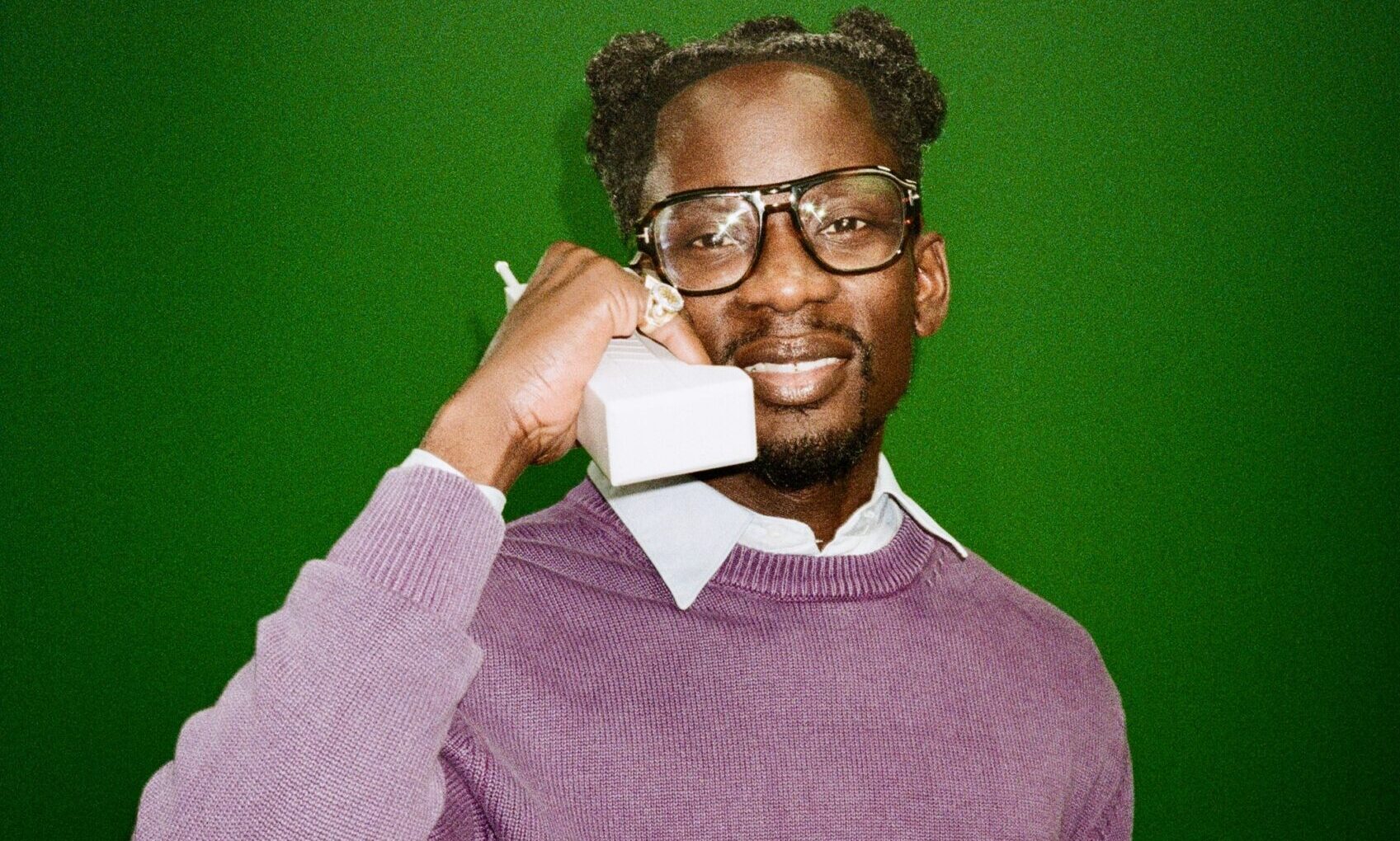
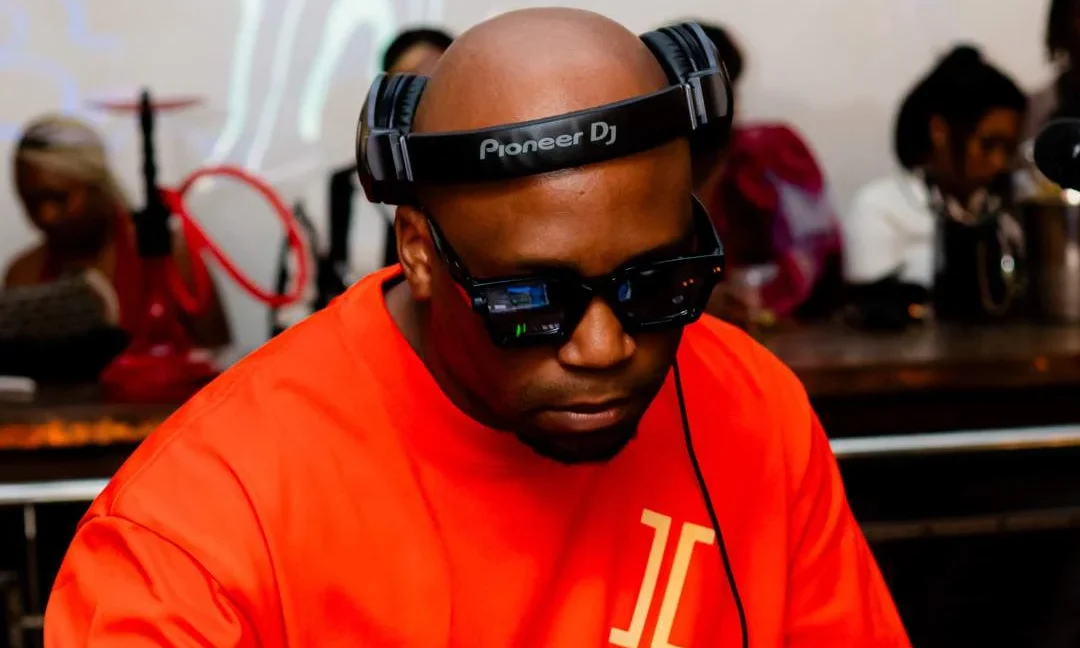
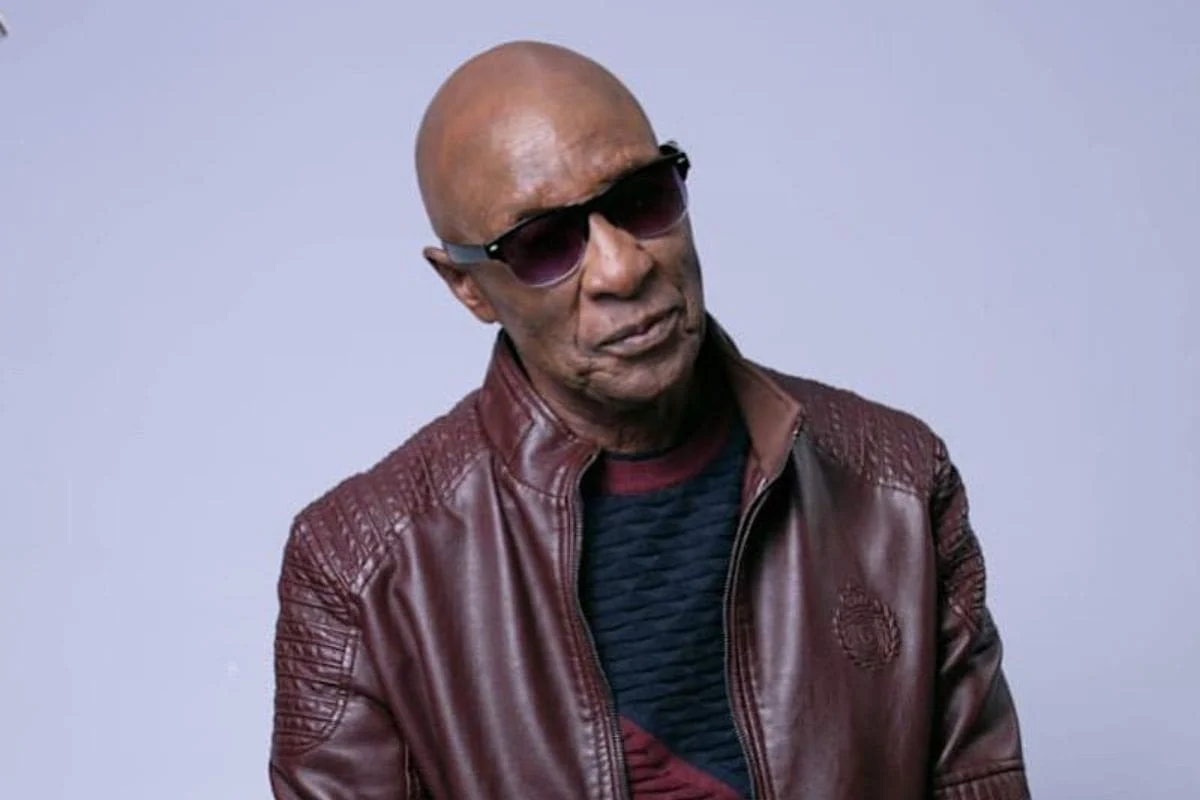














































Considered by many as the King of radio, Fred Obachi Machoka still runs one of the most popular shows on radio and TV, 43 years down the line. His show, Roga Roga, entails a throwback catalogue of the African Rhumba and African tunes that have made him a living legend.
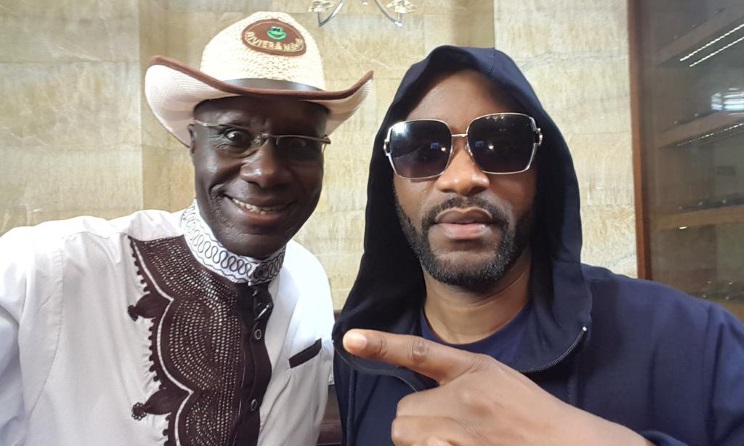
In 1975 Machoka was given a chance to do a small segment in Sanyo Juu Sanyo tops radio show, by then host Said Omari Kasungu and Mohamed Rama. This one window not only began his twenty-year run at the radio show, but also laid the foundation for a long career in entertainment media. The show was so popular that advertisers, Sanyo electronics, refused to cancel it even during the 1982 coup attempt, when all their stock was looted. Machoka went on to star in the Ugua Pole na Lucozade radio show for 11 years. Through the radio show, sponsored by GSK, Machoka visited countless people in hospital and offered them a bottle of Lucozade. Over the years, Machoka has hosted over 20 sponsored radio shows and numerous TV shows. Most notable was the Music Times show on KBC TV in the late 1980s and early 1990s. The show cemented Machoka’s dominance in the media proving his showmanship went beyond the radio booth. The show was so iconic that it became a blue print for all that came after it.
With numerous years of industry experience, Machoka has watched the evolution of the local and global music industry. He is a walking encyclopedia of African music and a testament to the power of consistency.
“Back in the day Poligram (Later named polida) and cbs records run by Mike Andrews and his brother Ron Andrews were the big players in Kenya. Other record labels included Matunda records run by Joe Mwangi, Fidelity records under Simeon, Andrew Crawford production international and Melodica,” Machoka told Music in Africa
“The 1970s and 80s where the golden ages of Music in Kenya; when music was still on Vinyl. Everything changed when tapes and cd came in; piracy was on the rise and profits dwindled. At that point Record labels preferred to go to South Africa because there was more order there.”
According to him, a lack of originality and aping of Western music is what plagues Kenyan music today. This degradation, he holds, began in the 1990s when Kenyan urban music began sounding less and less Kenyan. In his view, this lack of authenticity is the reason why Kenyans love foreign and regional content while local stars struggle to get recognition. It is for this reason that to date, the old Kenyan music of Daudi Kabaka, Them Mashrooms and les Wanyaki trumps contemporary music. This nostalgic appeal to the old hits is what he believes makes his show such a huge success. He also attributes the success of contemporary artistes such as Sauti sol, Suzanna Owiyo and Eric Wianana to their fidelity to the Kenyan sound.
“I met Eric Wainana when he was doing RnB with Five Alive and I told him that American sound will take him nowhere,” Machoka says. “After he went to Berklee College of Music in the US he came back singing Benga and you see how well he is doing.”
Longevity is something of anomaly in the entertainment business; it takes a certain level of talent to remain relevant for four decades. Fred Obachi Machoka epitomizes the skill, talent, presence and the je ne sais qui of a true legend. His captivating voice, high energy and an absolute love for African music keeps him fresh. Machoka has for decades fed his audience on a staple diet of African music and is responsible for making African stars shine in Kenyan. To date, he still commands a large audience on his radio show. Consequently, his road shows record a large turnout whenever he goes on tour. Over the years, he has met with and interviewed just about every star on the continent. This includes: Tabu ley, franco, Ladysmith black Mambazo, San fam Thomas, Manudibangu, Hugh Masekela, Brenda Fasi, Miriam Makeba, Anna Mwale, Lucky Dube, and Papa Wemba, just to mention a few.
“I was the first person to play Evoynne Chaka chaka’s music in Kenya, and I played a big role in bringing Kanda Mbongo man to Kenya,” Machoka says. “During his show at the Nyayo Stadium, we had over 40,000 people in attendance. It was probably one of the biggest shows we have ever had in this country.”
Despite his massive success, Machoka remains humble and very teachable. He counts himself extremely blessed to be paid to do what he loves. Having served in the paramilitary unit GSU, Machoka has a deep respect for those who serve in the discipline forces. On his part, he has remained a patriotic critic of those in power, never shying away from the real issues that affect society. His many years of success have inspired countless media personalities; some of the top media practitioners in Kenya owe their careers to Machoka.
“I was the first person to put Catherine Kasavuli on TV, when she did a voice over for a Cerelac advert,” Machoka says.
“My platform has never been for sale; it is a blessing that I don’t take for granted I have tried to use it to inspire people. I called myself the blackest man in Black Africa, because black has always been associated with negative things and I wanted to show people that I am proud to be black.”
With so much experience, and having survived many waves in the industry, Machoka is a treasure trove of information. He admits that most musicians don’t listen to advice, especially when it concerns creative direction. Nonetheless, he advises artistes to hold listening parties before releasing content to get feedback from the industry. For radio and tv presenters he advises them to simply figure out what the audience want and consistently give it to them. One of major pitfalls that he blames for the downfall of many TV and Radio shows is bribery. According to Machoka, Dj’s and radio presenters who play music just because they were paid by artistes are committing career suicide.
“Our musicians will go nowhere as long as we have hawkers selling music on the streets for a song. That is why at least 90% of our artistes are paupers, living with their mothers. Someone can have 2 million views on Youtube, but translating that into monetary gains is a completely different issue. Artistes need know their rights, work smart, and push the government to put in place regulations that will streamline the industry,” Machoka says.
“For Kenyan music to compete on the global stage our artistes need to go back to our roots; our traditional music has great rhythms and sounds that can inspire them to produce massive hits.”


Most popular

Top amapiano songs of 2026
16 Feb 2026
Call for applications: ACCES 2026 Emerging Artist Spotlight Competition
01 Oct 2026

Top Naija songs of 2026
31 Mar 2026

Top Afrobeats songs of 2026
19 Mar 2026
AFRIMA 2026: All the winners
12 Jan 2026
Open call: 2026 Gender@Work music industry training in Johannesburg
03 Oct 2026
Disclaimer: Music In Africa provides a platform for musicians and contributors to embed music and videos solely for promotional purposes. If any track or video embedded on this platform violates any copyrights please inform us immediately and we will take it down. Please read our Terms of Use for more.

Subscribe to our monthly Newsletter
Follow us on social media


Please log in to post a comment.