

































NEFCISA
NEFCISA

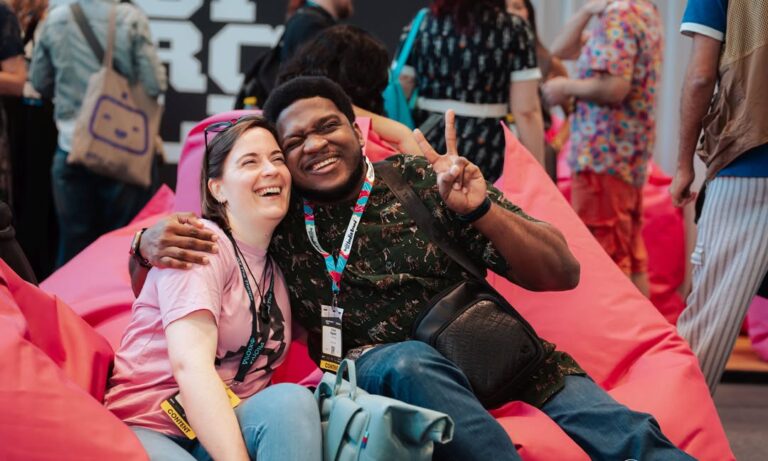
The Music In Africa Foundation (MIAF) is proud of its partnership with the Industrial Development Corporation (IDC) as a Strategic Implementing Partner (SIP) for its Social Employment Fund (SEF). Through this collaboration, MIAF is running a national programme that is creating jobs, addressing skills gaps, and strengthening South Africa's creative industries — in line with the SEF's overarching goal to generate work for the common good and build community value through employment, social contribution, and inclusive economic participation. Operating under the banner NEFCISA (National Employment Facility for Creative Industries in South Africa), the initiative is recruiting and training participants, matching them with host organisations, and has already placed 1 500 workers across the country — surpassing its original target of 1 000. NEFCISA is delivered through a network of 20 host organisations spanning five provinces, who are actively hosting participants and contributing to work for the common good across South Africa's creative and cultural industries. Key Objectives: Support employment and entrepreneurship in the creative industries. Offer skills development and training programmes. Foster partnerships between public and private creative sectors. Promote South African creativity at both provincial and national levels Foster community development through social contribution.

ACCES
ACCES

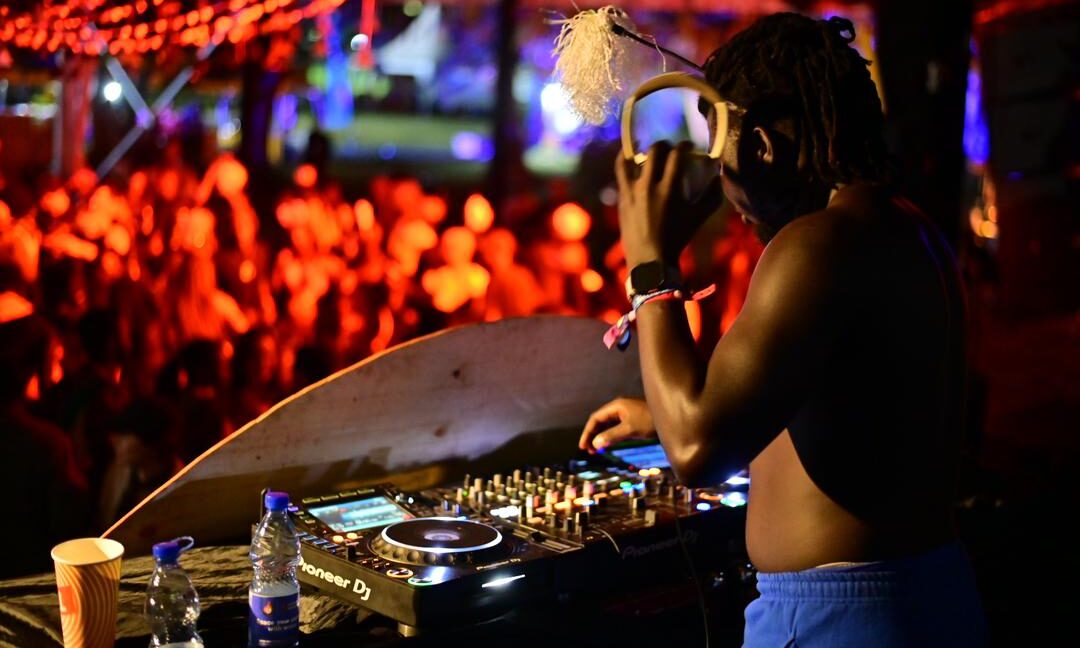
ACCES Conference and Showcase Festival is Africa's leading music industry gathering, bringing together the people shaping the future of the continent's music business. Artists, entrepreneurs, executives, investors, policymakers and cultural leaders from across Africa and around the world come to ACCES to build partnerships, exchange ideas, discover talent and create new business opportunities. Since its launch in 2017, ACCES has become the continent's premier platform for professional exchange and music market development. Combining a high-level conference with a curated showcase festival, networking, exhibitions and industry programmes, ACCES offers a unique space where creativity meets business and where African music connects with the global industry.

Gender@Work
Gender@Work

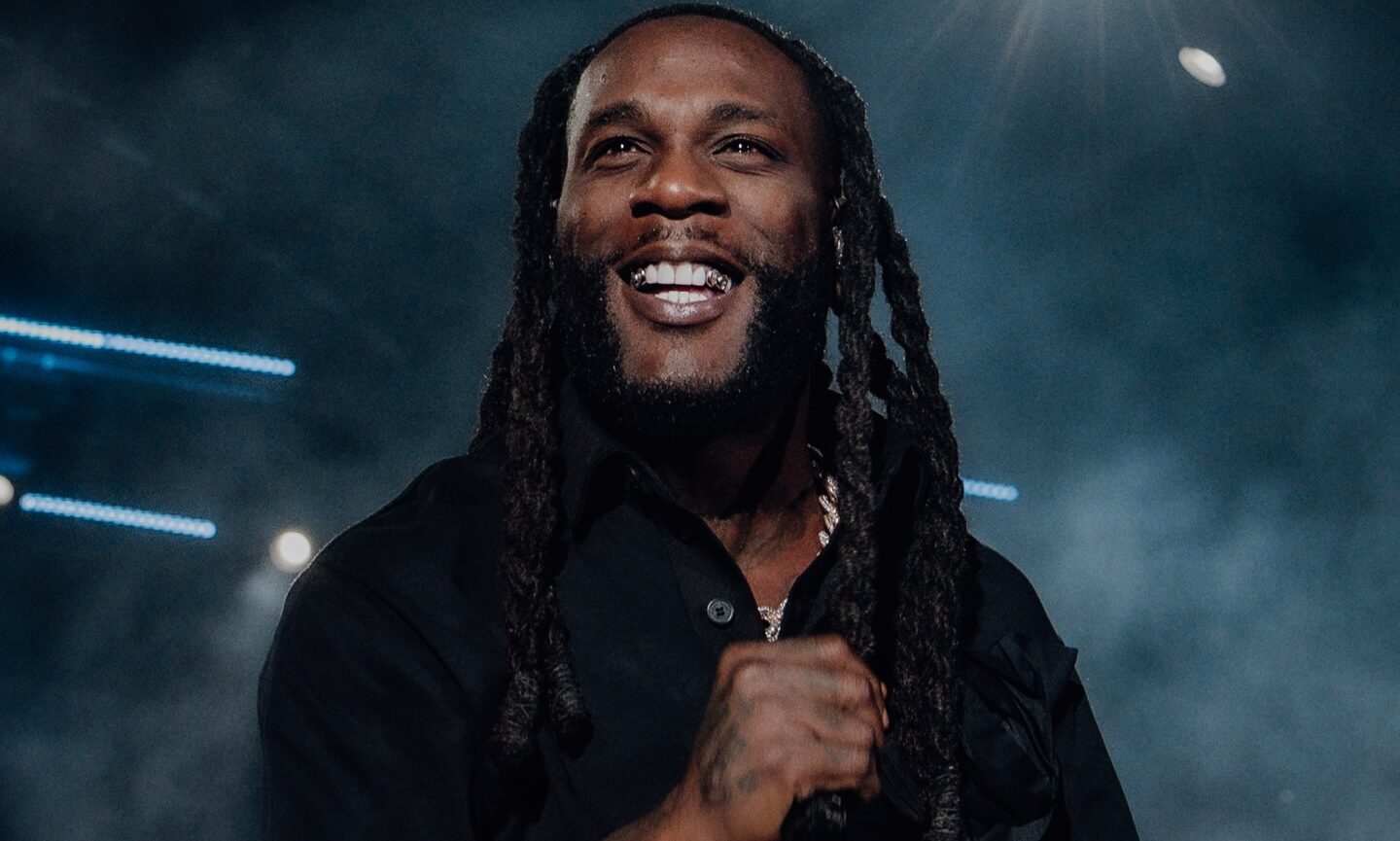
Music In Africa Gender @ Work is a three-year training programme aimed at upskilling and increasing the participation of female professionals in the African music sector. Launched by the Music In Africa Foundation (MIAF) in April 2019, the programme is connected to the MIAF’s ACCES music conference – a pan-African event held in a different African country every year. This connection enables the programme to reach new participants in a different African country every year. The programme marks the beginning of a more concerted effort by the Foundation to support the participation and inclusion of women in all facets of its programmes and the music sector in Africa as a whole. Over the three years, the programme will aim to address gender imbalances in the sector through training, lobbying, facilitating knowledge exchange and dialogues that foster the interest of women. The broader objectives of the programme are to: Provide industry training for women on critical music industry skills, focusing on: Stage management Electronic music production and recording Music business management Technical knowledge Provide an opportunity for both professional and aspiring women to benefit from the Music In Africa network and its broad range of activities in 2019, 2020 and 2021. Provide a solution-based platform in the form of a round table at ACCES with a view to identify challenges, discuss opportunities and lobby for the interests of female practitioners. Offer participants the opportunity to benefit from programmes offered by MIAF’s partners. Increase access to educational materials. Integrate participants in the broader ACCES programme to maximise experience and exposure to the industry. Record and present training materials on the www.musicinafrica.net, including but not limited to tutorials, templates and other best-practice materials. Communicate women-based themes that support the initiatives and messages of the programme. MAIN TRAINING ACTIVITIES Training in first country (Ghana): In the first year, participants will be trained on all aspects of stage management by a team of experienced stage managers from 10 to 17 November 2019. The programme will offer robust classroom training as well as practical, hands-on training in which participants will also be given the opportunity to manage various aspects of the ACCES performance programme. Training in second country: The second training iteration will take place at ACCES 2020 when the programme will diversify its course to include music production lessons and training on other music business topics. A round-table platform will also be introduced to coincide with the ACCES programme. Training in third country: The third training iteration will take place at ACCES 2021 in a different country, offering an advanced course. HOW DO YOU GET INVOLVED?  As a participant, facilitator or trainer: The programme enrolls up to 12 trainees every year. All opportunities are advertised publicly on this website, and will be added to this page. Please keep checking this page for new calls (below under UPDATES & CURRENT OPPORTUNITIES). As a partner Please contact Claire Metais at [email protected]. APPLY The call for applications for 2020 will be announced soon. The Music In Africa Gender @ Work programme is made possible with the support of the Prince Claus Fund, Siemens Stiftung and Goethe-Institut.

Sound Connects Fund
Sound Connects Fund

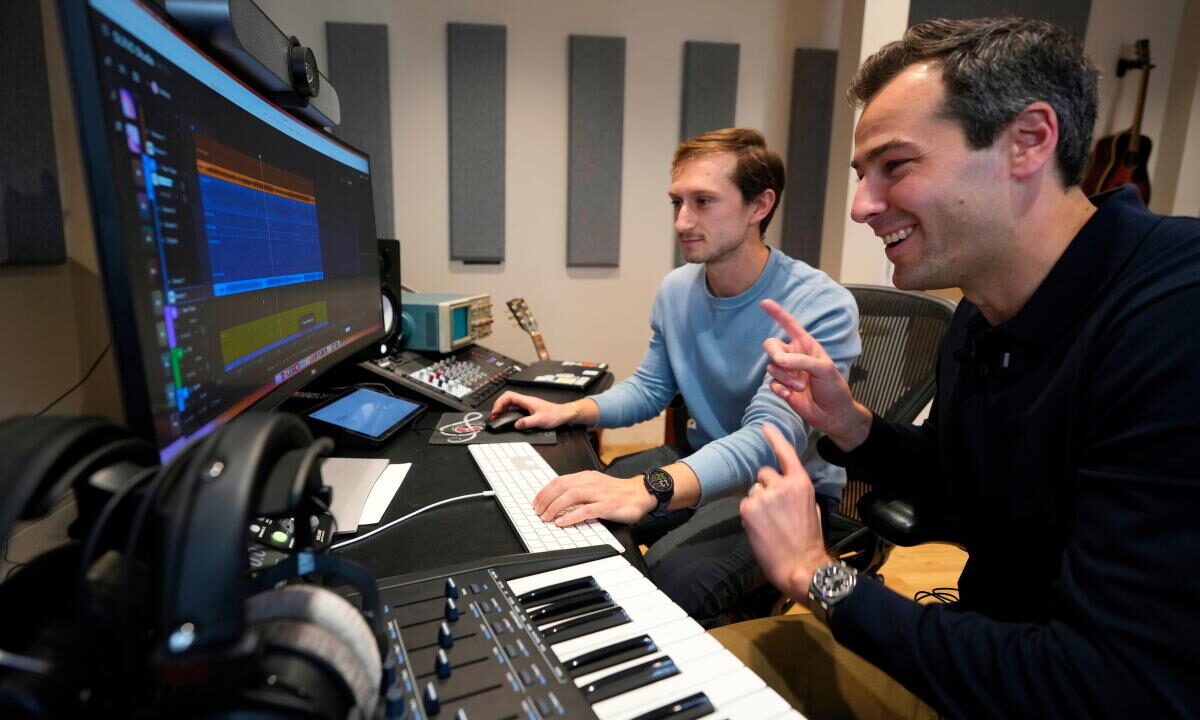
For cultural and creative practitioners and organisations operating in southern Africa, access to funding remains a major challenge. The COVID-19 pandemic has also had a massive impact on government policy, spending and the economy in general, and has seen spending on culture being moved further down the list of priorities. Further, the cultural and creative industries repeatedly cite four main areas where investment is needed for growth, which are increased visibility, mobility including access to new markets, finance and support structures.

Instrument Building And Repair Project

Experience the Vibrations African Instruments Exhibition online in 3D

Features

In conversation with Ibejii

26 Jun 2020 - 11:23

cc-img flag-img

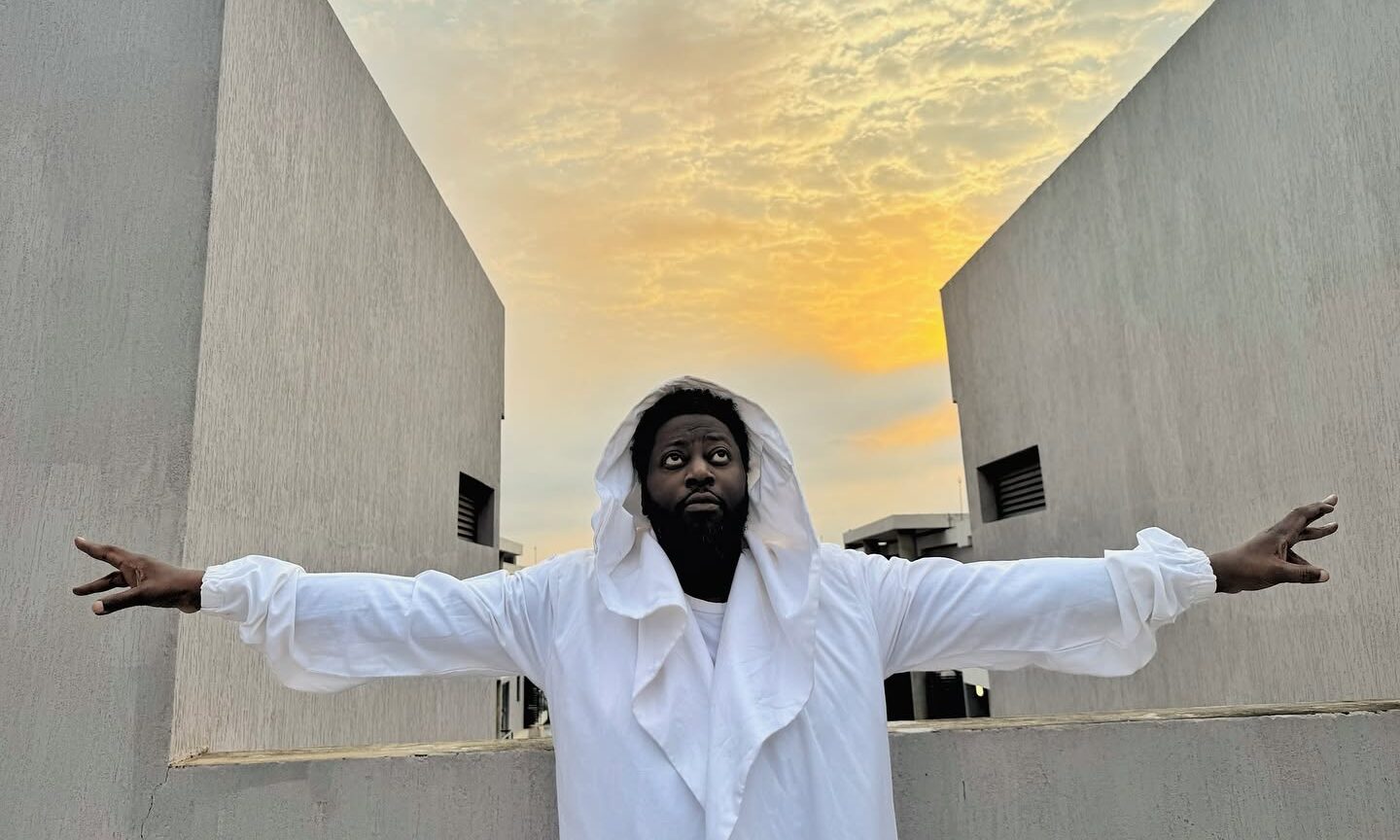
Ibejii, a London-born, Afro-fusion artist of Nigerian origin, released his latest album Ilu Ilu on 12 June. The album mixes Afro-jazz, rock and soul, and flirts with Yoruba folklore. This music places him in the category of artists best described as freethinkers – unconventional and radical.

Ibejii.

Very little is known about Ibejii. All he has shared is that he has a twin brother, and that he grew up listening to rock, juju, electro, jazz and R&B. He caught the attention of Nigerian fans with the release of 'Ayanfe' in 2016. The following year, he launched the first edition of the Ibejii Live Experience, which features alternative artists and coincides with Nigeria's Democracy Day on 12 June.

Ilu Ilu follows the simultaneous release of GreenWhiteDope 001 and GreenWhiteDope 002 – his debut albums – in 2017. Tribal Marks and MSML were released in 2018 and 2019.

The new project is an expression of Ibejii's environment, emotions and background. It also invites fans to join his journey of self-discovery – one that embraces hope and promise, but also self-doubt and diffidence.

Ibejii recently spoke with Music In Africa about Ilu Ilu.

MUSIC IN AFRICA: Could you talk about the use of English and Yoruba in your music?

IBEJII: I have always mixed Yoruba and English, but I confess that I am more comfortable singing in Yoruba. In this project, Yoruba is my predominant language and English is secondary.

You have recorded and released several projects over the years. What makes Ilu Ilu different?

Ilu Ilu is the documentation of an era, a season, a place and a time of reflection, and introspection. Its release couldn't be more significant, as it comes in reflection upon a season that we haven't experienced before as a people. So yes, Ilu Ilu is tied inextricably to the COVID-19 pandemic.

What sources – musical, biographical or mythical – did you draw from to make the album?

First and foremost, my journey as an international citizen born and raised in the West but endowed with the rich and deep Yoruba culture. Secondly, my readings and my writings.

Over the years you have created an air of mystique about who Ibejii really is. Are you willing to give us more about your background?

Ibejii is principally a sound, a phenomenon, Ibejii is less man and more persona. Ibejii is less celebrity and more 'journey'. So it's not about the man but more about the music. It's not that there is anything hidden, but the idea here is to speak about the music rather than the character behind the music.

On your song 'Lekelele' you ask for the old times to return. What is your relationship with nostalgia and are there specific moments you would like to return to?

It is not so much about returning but recalling. The beauty of the human mind is that we can tap into the best moods – into childhood, the age of innocence, a season where doubt was limited and hope was at its brightest.

The album appears to have a very strong visual element and could be described as cinematic. Was this intentional?

Ibejii lives in stories. Storytelling is what Ibejii does best. So almost all my works have been cinematographic or at the very least thematic. Thematic is telling stories through wild and broad images, which take you on journeys.

What are your thoughts on Nigerian music today and your place in it?

Nigerian music is awesome. I love Nigerian music of all forms. However, I like to think that my journey is about telling stories. I would say my music is a little more mature, more introspective, more reflective. I hope that space for it grows over time.

How do you see your work in relation to the COVID-19 pandemic? Do you think art has a place at a time of crisis?

Absolutely. There cannot be a better time to dig into reflection art. Culture is all about reflection and this is a season of reflection. It is a time when all of us are having to look deep within to express more compassion, to care more about those around us. This is a time for introspection, and I like to think that musicians like myself have a bigger opportunity to express and engage.

Could you tell us about the motivation and meaning behind the songs 'Omo Olu Iwa' and 'Troubled Soul'?

'Omo Olu Iwa' derives from me being disgusted with the leadership of the world's biggest power, the US. For decades, it has sought to denigrate people based on ethnicity, race and religion. The song is a reminder to people to hold tight to their culture, values, and looks – we are beautiful just the way we are.

'Troubled Soul' is a very meaningful song to me. I am a big lover of Marvin Gaye – his works, the pain and troubles. For me, they are reflective of what drives most creatives. We all come from a broken place. We are shattered glass, in my view, and this song preaches to those who are broken like Ibejii. The message is that you are not alone.

Now that the album is out, what can we expect next from the unusual mind of Ibejii?

Ibejii is going to be doing something a little bit different between 2021 and 2022. I am looking to use highlife and fast beats to drive sound. So I want to see if I can make people dance next year and bring joy and happiness.

Stream Ibejii's Ilu Ilu here.

Please log in to post a comment.

Most popular

Disclaimer: Music In Africa provides a platform for musicians and contributors to embed music and videos solely for promotional purposes. If any track or video embedded on this platform violates any copyrights please inform us immediately and we will take it down. Please read our Terms of Use for more.

newsletter banner

Subscribe to our monthly Newsletter

Follow us on social media