






























Ghana’s Music Industry: A Legacy of Rhythm, A Future in Question
Culture development

Profile added by Sisi Nkabinde on 04 Mar 2026

Accra, Ghana
1970
Ghana’s Music Industry: A Legacy of Rhythm, A Future in Question
BIO
Ghana’s music industry has evolved through multiple cultural and technological phases, shaping its identity as one of Africa’s most influential creative sectors. From the early foundations of highlife to contemporary Afrobeats and digital distribution, Ghanaian music reflects both continuity and reinvention.
Modern Ghanaian popular music traces its roots to the colonial and post-independence eras, when highlife emerged as a dominant urban sound. Pioneers such as E.T. Mensah and The Tempos popularised orchestral highlife that blended indigenous rhythms with jazz and swing influences, aligning music with Ghana’s independence movement and national pride. During the 1970s and 1980s, bands such as Osibisa carried Ghanaian sounds onto global stages, introducing Afro-rock and highlife-fusion to European and American audiences.
The 1990s marked another turning point with the emergence of hiplife, a genre that fused hip-hop with local languages and rhythms. This movement, championed by figures like Reggie Rockstone, redefined youth culture and made music a central element of urban identity. Groups such as VIP and later acts like R2Bees expanded the genre’s commercial reach, laying the groundwork for Ghana’s participation in the broader Afrobeats wave of the 2010s.
By the late 2000s and 2010s, Ghanaian artists were increasingly integrated into global pop networks. Grammy recognition for Fuse ODG and Killbeatz for their work on Ed Sheeran’s Divide symbolised this shift. Artists such as Sarkodie, Stonebwoy, and Samini gained recognition from international platforms including BET, MOBO, AFRIMMA, and the World Music Awards. Earlier successes by Kojo Antwi and Shasha Marley at the KORA Awards had already positioned Ghana as a serious continental contender.
Structurally, Ghana’s music industry has long relied on artist unions and rights organisations for coordination and protection. Bodies such as MUSIGA and GHAMRO were established to regulate royalties, collective bargaining, and copyright enforcement. However, persistent governance disputes, weak data systems, and limited youth participation have reduced their effectiveness. Legislative efforts such as the Copyright Act of 2005 sought to modernise intellectual property protection, yet enforcement remains inconsistent, particularly in the digital era.
Economic participation in the sector has expanded significantly. The 2021 Population and Housing Census recorded growth from approximately 40,000 to over 230,000 people working in the arts since 2010, with music forming a substantial component across performance, production, management, and promotion. Government cultural tourism initiatives, most notably the Year of Return programme launched in 2019, repositioned Ghana as a cultural destination and demonstrated the economic value of music as part of national branding and diaspora engagement.
Despite this historical richness and growing workforce, the industry continues to face systemic challenges. Investment remains limited, and many artists operate without access to venture capital, structured label support, or export financing. Infrastructure deficits persist, including the scarcity of world-class studios, professional venues, and touring circuits. Training systems are fragmented, leaving many artists without knowledge of music business management, digital marketing, or intellectual property law.
Piracy continues to undermine earnings, while the absence of a coherent local revenue model has increased dependence on foreign streaming platforms with low payout structures. Globalisation has intensified competition, exposing Ghanaian artists to dominant international content without equivalent protective policies for local music. The result is an industry rich in talent but weak in financial sustainability.
Yet, Ghana’s historical resilience suggests opportunity. Its diaspora represents a global extension of the domestic market, while digital platforms allow artists to bypass traditional gatekeepers. Strategic engagement with major record labels and international distributors could improve export readiness. Language adaptation, particularly through the use of English alongside local languages, broadens accessibility while preserving cultural identity. Most critically, the development of a distinct Ghanaian musical brand rooted in highlife heritage, hiplife innovation, and contemporary Afrobeats aesthetics offers a competitive edge in global markets.
Ghana’s music industry stands at a crossroads shaped by history and innovation. From independence-era orchestras to digital-era streaming stars, it has repeatedly reinvented itself. However, without institutional reform, investment mobilisation, and stronger copyright enforcement, its global relevance will remain fragile. With coordinated leadership between government, private capital, and creative practitioners, Ghanaian music can move from episodic international success to sustained global influence, transforming cultural legacy into economic power.
Photos
No photos available
Music
Videos

Sarkodie - Deja Vu ft. KiDi (Visualizer)
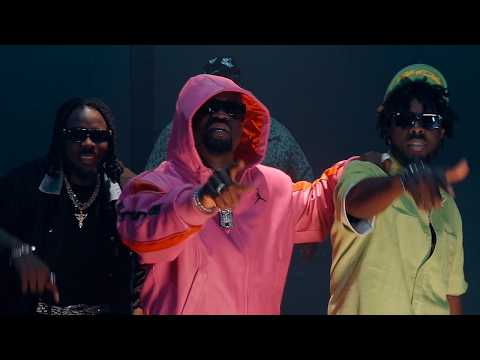
Sarkodie - Eno Easy feat. DopeNation (Official Video)

Sarkodie - IBRAHIM TRAORÉ ft. Worlasi (Lyrics Video)

Sarkodie - Major League ft. Kweku Smoke (Audio Slide)

Sarkodie x Shatta Wale - Everlasting (Official Video)

Sarkodie - Odo Pa feat. Kweku Flick (Official Music Video)

Sarkodie Live at Royal Albert Hall Rapperholic UK 2026 🇬🇧 (Behind The Scenes)

Sarkodie x Yaadman (FKA Yung L) - Wins & Losses (Official Music Video)

Sarkodie Ft Olivetheboy - You & I [Remix] (Lyrics Video)

Sarkodie - You & I (Lyrics Video)

Sarkodie - Put It On God ft. AlorG (Lyrics Video)

Sarkodie - Asante Y3 Oman (Visualizer)

Sarkodie - Lavida Loca ft. Lasmid (Official Video)

Sarkodie - Violence ft. Kweku Smoke (Audio Slide)

Sarkodie - Violence ft. Kweku Smoke (Official Video)
Social Networks and Websites
Disclaimer: Music In Africa provides a platform for musicians and contributors to embed music and videos solely for promotional purposes. If any track or video embedded on this platform violates any copyrights please inform us immediately and we will take it down. Please read our Terms of Use for more.



