




























The big interview: Temwa Gondwe on CANEX WKND 2026 – Part 2

21 Oct 2026 - 07:15


This is part 2 of an interview with Afreximbank’s director of creatives and diaspora Temwa Gonde. Read part 1 here.
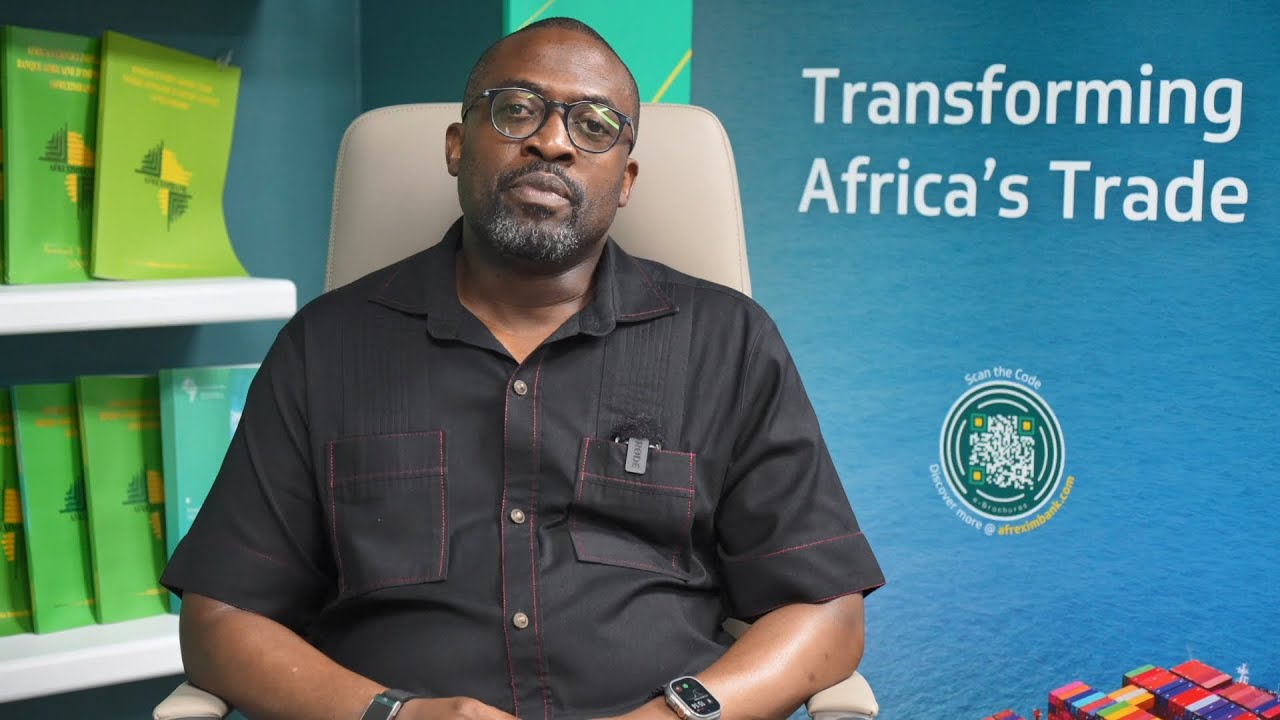
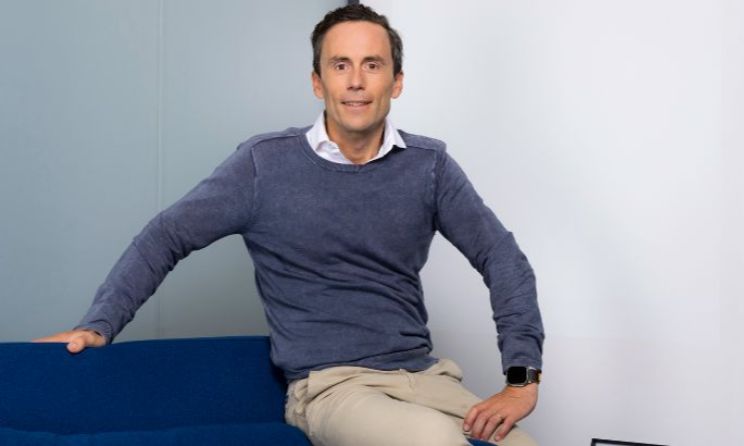
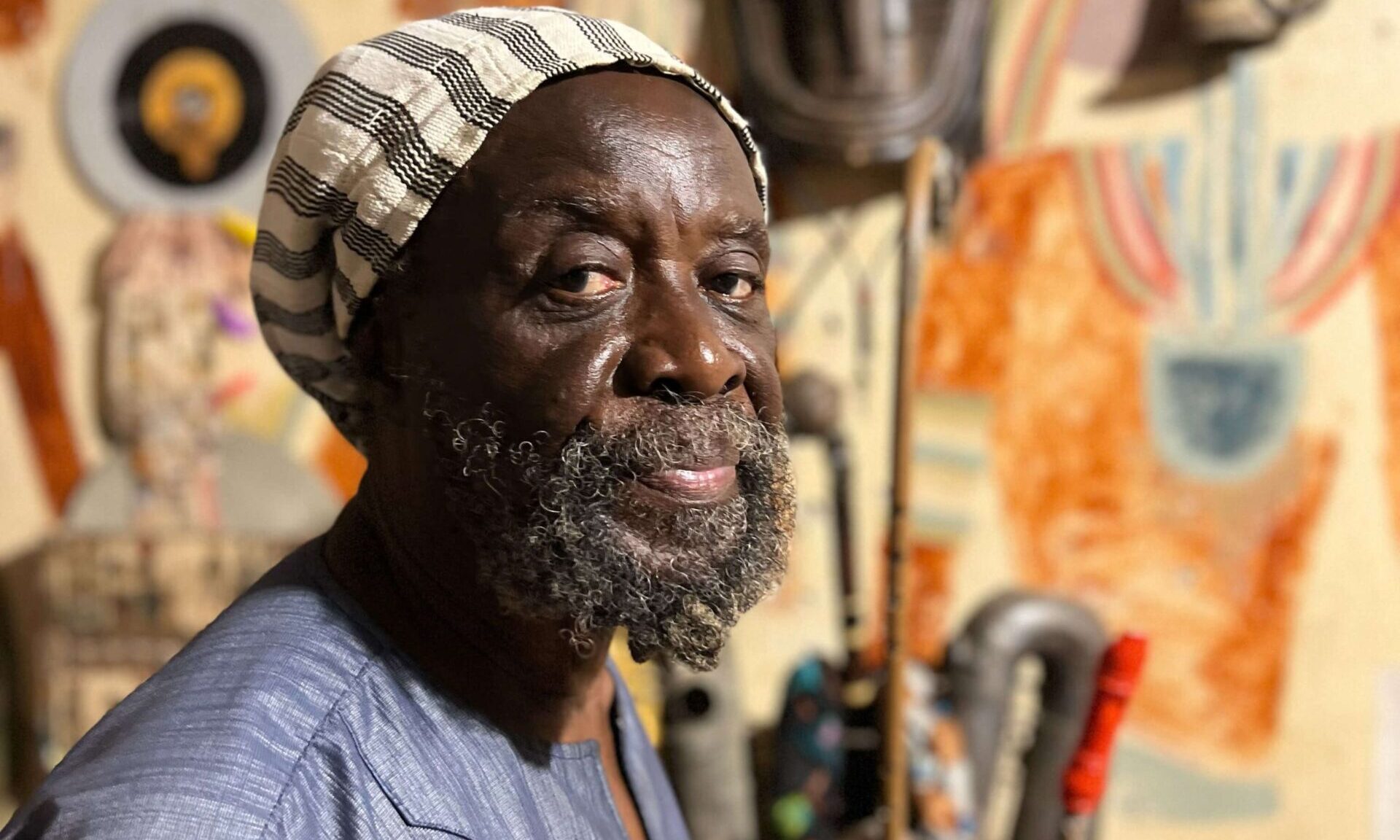
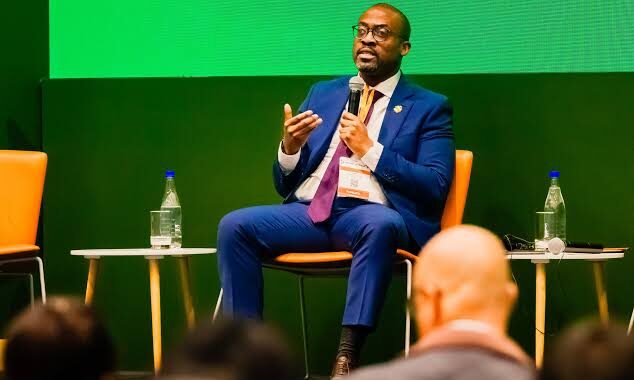
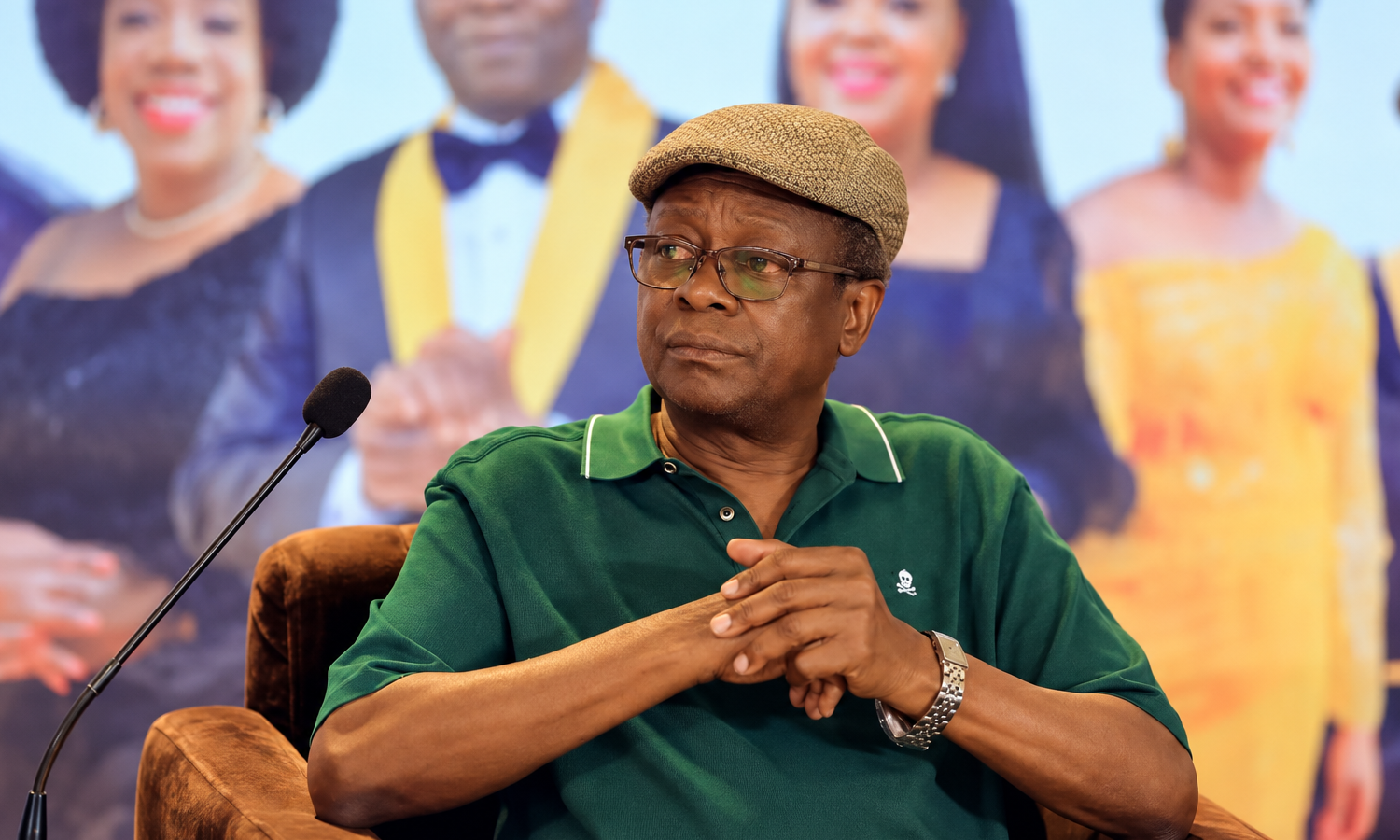
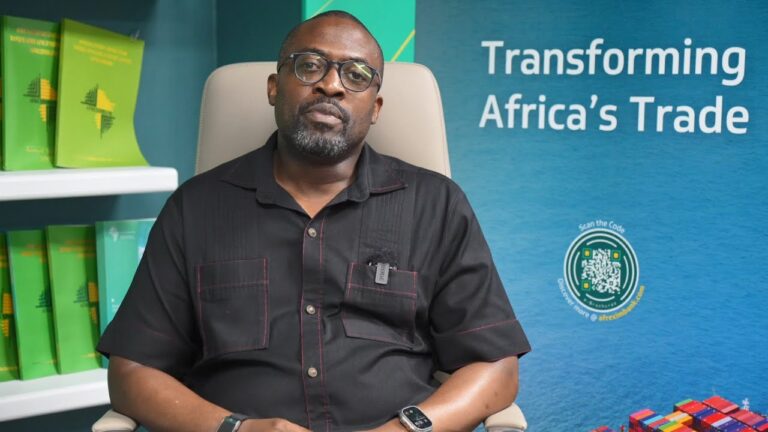
Afreximbank director of creatives and diaspora Temwa Gonde.
Access to finance remains one of the major challenges facing African creatives and creative businesses. What financing opportunities will CANEX WKND 2026 provide, and how can entrepreneurs turn their participation into actual investment or business opportunities?
Access to finance remains a structural constraint, but the challenge is not only the availability of capital. It is also the availability of well-structured, investment-ready opportunities and financial instruments that reflect the realities of creative businesses.
The CANEX Finance Summit and Deal Room will connect viable enterprises and projects with banks, equity investors and other financial partners. This is complemented by Afreximbank’s broader financing commitment, equity investment through FEDA and CANEX Creations Inc., and sector-specific vehicles such as the Pan-African Film Fund.
Entrepreneurs must nevertheless come prepared. They should be able to articulate a compelling business model, demonstrate market demand, present credible financial information and state precisely what capital they require and how it will be deployed. CANEX can create access and facilitate the right conversations; converting those conversations into investment depends on preparation, commercial discipline and readiness for due diligence.
With CANEX WKND now only weeks away, how are preparations progressing in Lagos, and are there any new developments or programme highlights that participants should be particularly excited about?
Preparations for CANEX WKND 2026 are progressing with considerable momentum. From 5 to 8 November, Lagos will host a programme that deliberately combines commerce, investment, capacity building and cultural presentation.
The programme includes the CANEX Finance Summit and Deal Room, the Luxury Fashion Xchange, CANEX Shorts, the Music Business Lab, the Book Fair, visual-arts programming, gastronomy showcases, sports activities and major live events.
A particularly important dimension is skills development. The Future Tech Live Entertainment initiative, for example, will provide Nigerian participants with technical training and practical experience in sound, lighting, stagecraft and audio-visual production. This reflects our wider philosophy: CANEX must not only showcase excellence; it must strengthen the capabilities, businesses and infrastructure that allow excellence to be produced sustainably.
Registration is currently open for CANEX WKND 2026. How has the response been so far, and what kinds of participants – creatives, investors, buyers, policymakers, businesses and other industry stakeholders – are you hoping to see represented in Lagos?
The response has been encouraging, with interest from across Africa, the Caribbean and the wider diaspora. We will communicate registration figures once they have been fully validated, but our principal measure of success is not attendance alone.
What matters is assembling the right ecosystem: market-ready creative enterprises, investors seeking viable opportunities, buyers and distributors looking for African content and products, policymakers able to improve the enabling environment, and professional and technical partners capable of supporting scale.
CANEX is not designed merely as a conference or festival. It is conceived as a marketplace. The composition of the audience must therefore enable substantive conversations between those who create value, those who finance it, those who regulate it and those who can take it into new markets.
Beyond attending panels and performances, what practical opportunities will delegates have to make connections, secure business, access new markets or develop partnerships during the four-day event?
The four-day programme is structured to move participants from visibility to commercial engagement. Delegates will be able to present projects through the Deal Room, showcase products to buyers, participate in targeted business-to-business and business-to-government engagements, and meet prospective investors, distributors and production partners.
The sector markets, exhibitions and masterclasses will complement those engagements by addressing practical questions of finance, export readiness, intellectual-property protection and enterprise development.
The value proposition is therefore very clear: a participant can deepen their knowledge, test their proposition, meet a commercial partner and establish a pathway towards investment or market entry within the same platform. Our objective is to ensure that delegates leave Lagos not only inspired, but with qualified leads, concrete relationships and clearly defined next steps.
CANEX has placed considerable emphasis on developing African intellectual property, building creative businesses and connecting creators with international markets. What do you believe needs to change for Africa to capture a larger share of the global creative economy?
Africa must transition from being predominantly a supplier of talent and content to becoming an owner, financier and commercialiser of intellectual property.
This requires stronger copyright and collective-management systems, more effective valuation of intangible assets, fit-for-purpose financing and greater sophistication in contracting, management and negotiation. We also need reliable industry data, stronger production and distribution infrastructure, and policies that facilitate the movement of creative goods, services and professionals across African markets.
Africa’s constraint is not creativity; it is the architecture required to convert creativity into sustained economic value. Our task is to ensure that African creators and enterprises retain ownership, build scalable institutions and capture a fairer share of the global revenues generated by their work.
For an African creative or creative entrepreneur considering attending CANEX WKND 2026, what do you say they stand to gain from being in Lagos from 5 to 8 November, and what should they do now to make the most of the opportunity?
For a creative entrepreneur, CANEX WKND offers a rare concentration of opportunity: access to financiers, buyers, distributors, collaborators, policymakers and industry leaders within a single continental platform.
However, the value participants derive will be proportionate to the quality of their preparation. They should register, study the programme and define the specific outcome they want, whether that is finance, market access, a production partnership, distribution, or professional development. They should refine their pitch, update their portfolio and company information, prepare their financial documentation and identify the people and organisations they need to engage.
My message is straightforward: do not come merely to attend; come to transact, learn and build. CANEX will provide the platform, the connections and the visibility. Participants must arrive ready to convert that access into enduring commercial value.


Most popular
Top Naija songs of 2026
31 Mar 2026

Top amapiano songs of 2026
16 Feb 2026

Top Afrobeats songs of 2026
19 Mar 2026
Open call: 2026 Gender@Work music industry training in Johannesburg
09 Oct 2026

ACCES unveils stellar programme for 2026 edition
17 Oct 2026
The big interview: Temwa Gondwe on CANEX WKND 2026 – Part 2
21 Oct 2026
Disclaimer: Music In Africa provides a platform for musicians and contributors to embed music and videos solely for promotional purposes. If any track or video embedded on this platform violates any copyrights please inform us immediately and we will take it down. Please read our Terms of Use for more.

Subscribe to our monthly Newsletter
Follow us on social media


Please log in to post a comment.