






















Interview: Myra Gold explores cultural identity and creative freedom on ‘Alchemy’
21 Oct 2026 - 08:18


South African singer-songwriter Myra Gold explores identity, self-worth and creative freedom on Alchemy, her seven-track sophomore album blending Afro-Pop and Afrobeats. Developed over two years, the project reflects her evolving artistry, from exploring her Khoi heritage through Khoekhoegowab on 'ANU' to examining love, intimacy and confidence on “Gold Skin” and “Show Me Love”.
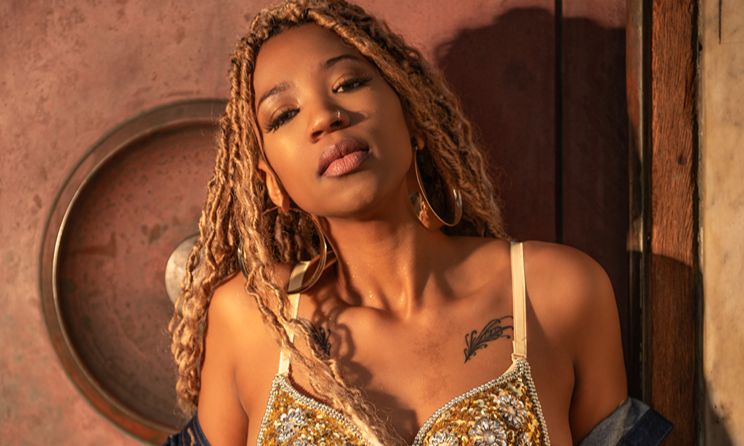
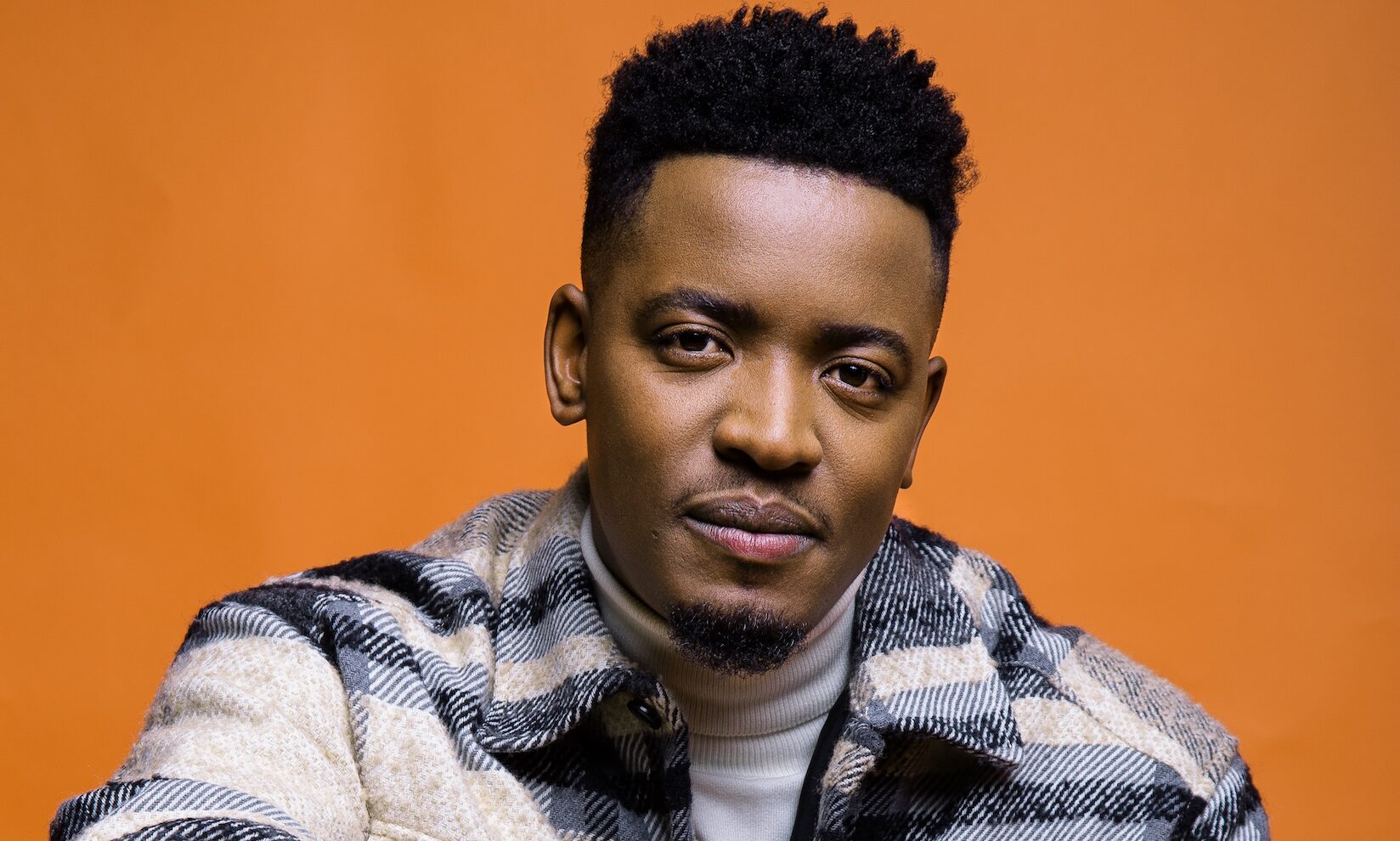
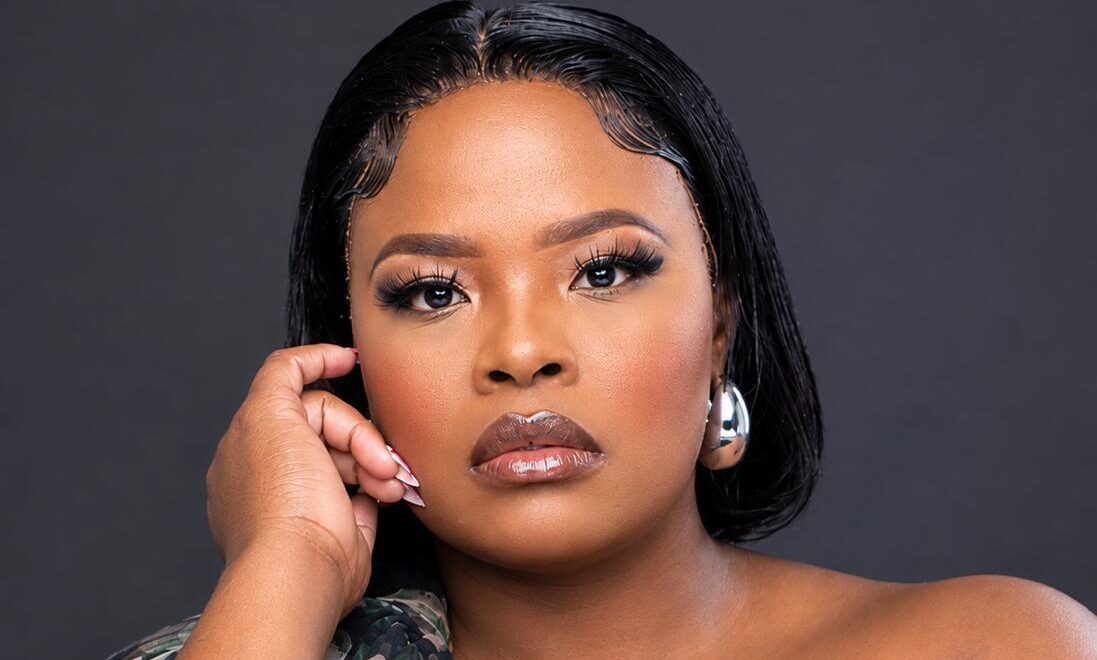
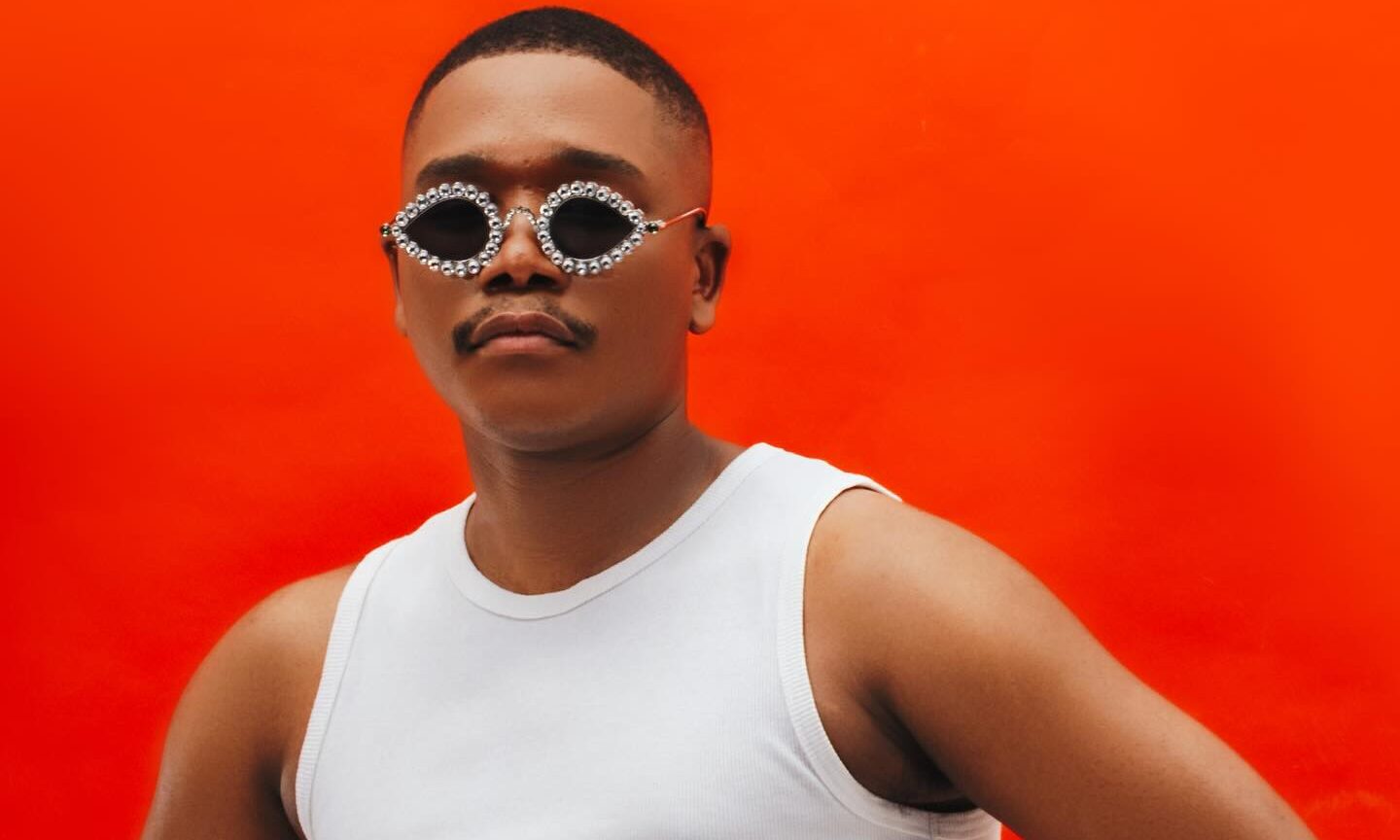
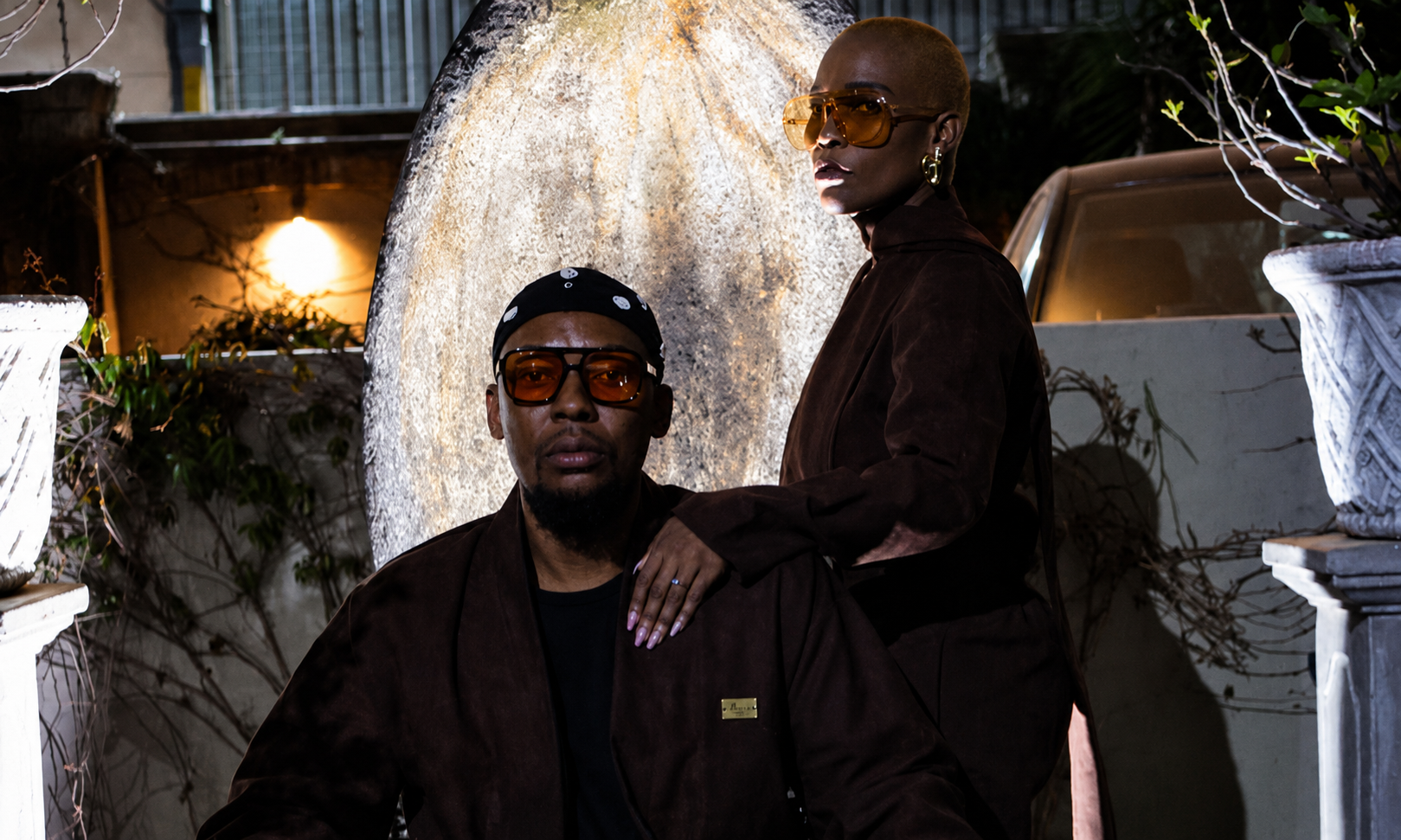
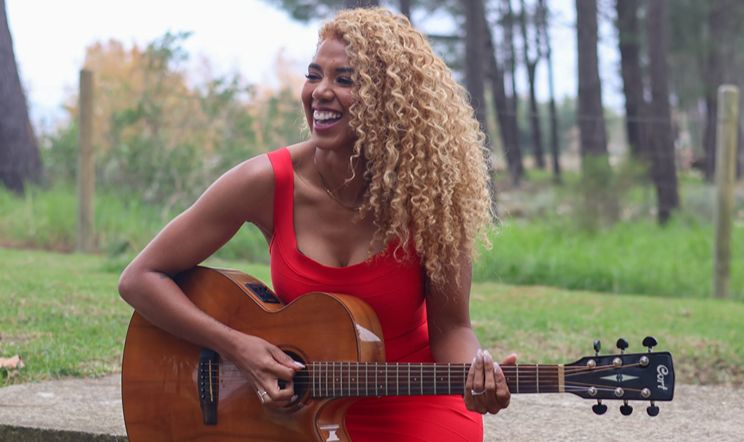
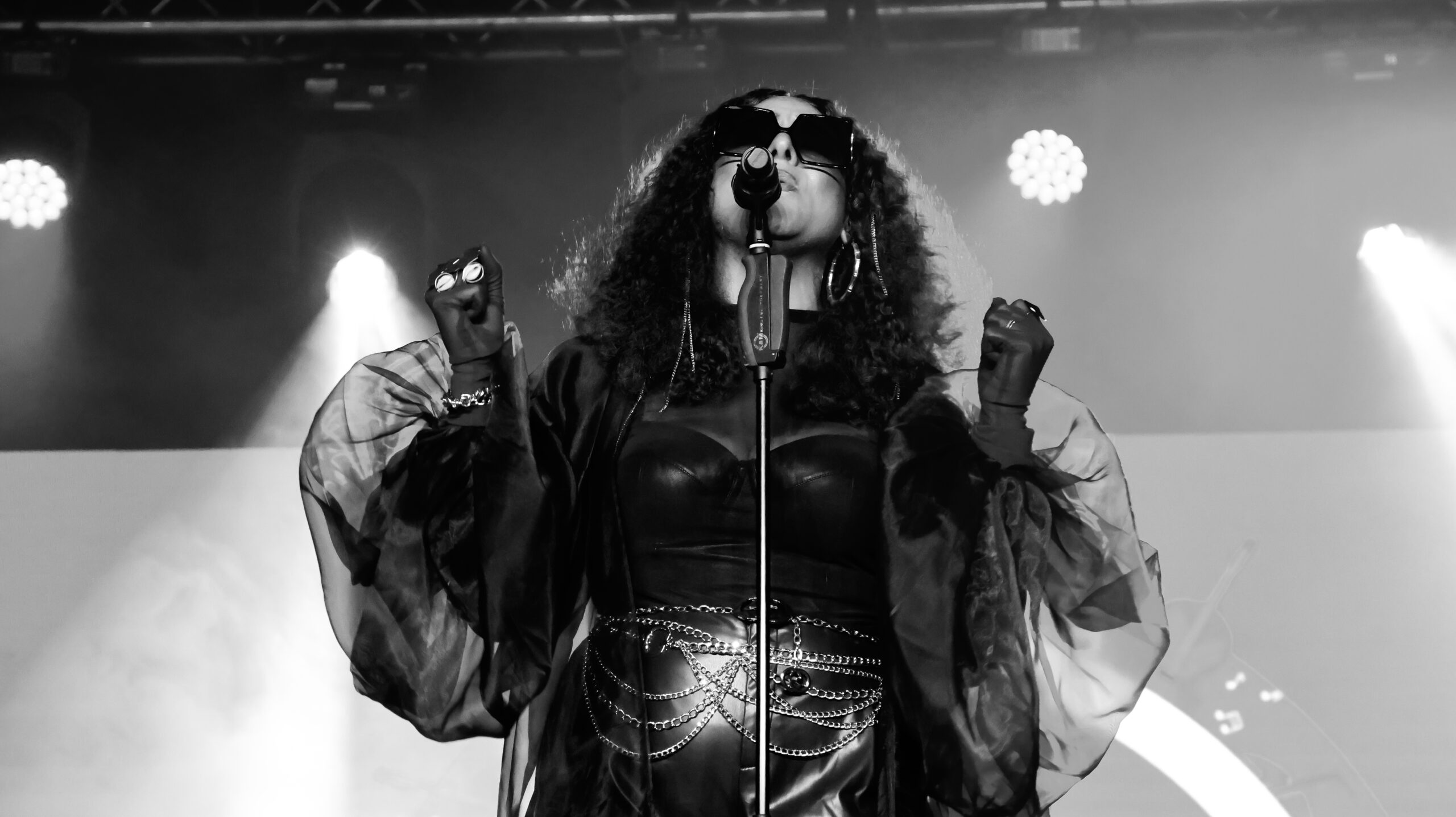
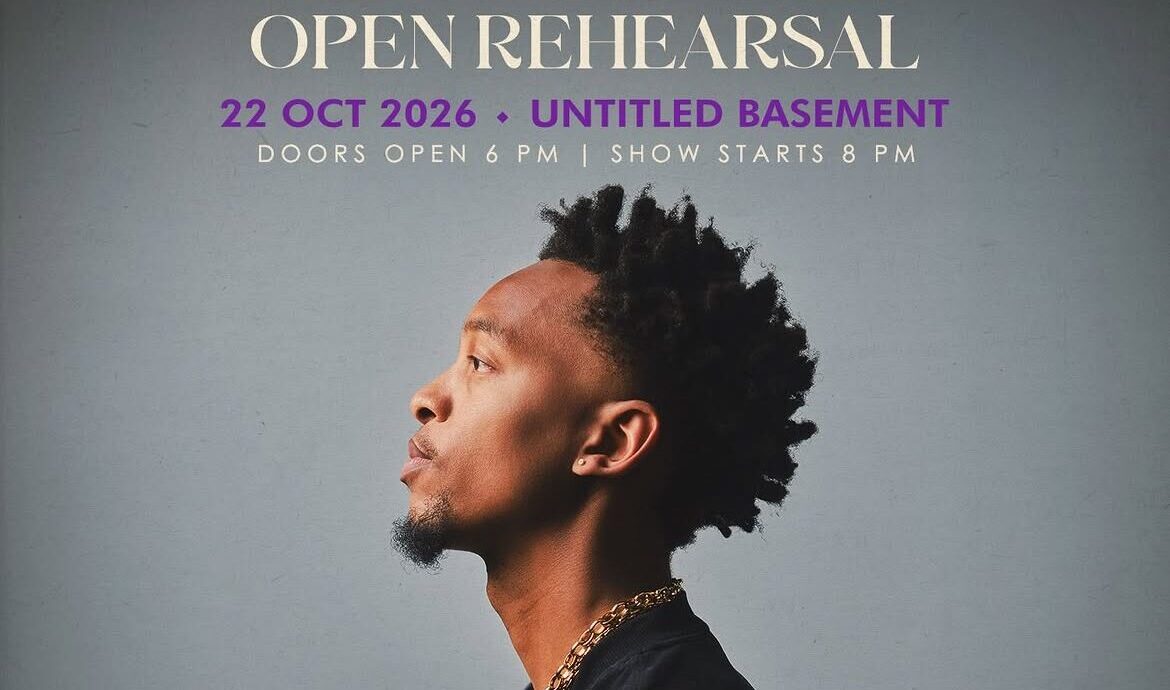
Myra Gold.
In this exclusive Q&A, Gold discusses the making of Alchemy, Gqeberha’s influence on her artistry, the importance of cultural expression and the collaborations behind the album. She also shares her ambitions across music, acting and film.
MUSIC IN AFRICA: Alchemy marks your sophomore album and a new chapter in your career. Developed over two years, the project reflects personal growth and creative experimentation. What does the album represent at this point in your artistic journey, and how did that period shape its final sound?
MYRA GOLD: Alchemy represents coming home to myself. I’m tired of trying to be palatable and constantly thinking about how other people experience me. I get to live this life once, in this body, with all these beautiful intricacies inside me. I want to explore them.
I feel like I’ve stepped into the most fearless part of myself, and this is just the introduction. Now I get to look around and ask, “What’s here? What can I discover? What can I bring out?” I don’t know exactly where that’s going to take me, but I’m bubbling with excitement about the possibilities.
Those two years gave me room to experience life and bring those experiences into the music. I was changing, and my understanding of myself was changing too. Different songs came from different moments, conversations and feelings.
I also gave myself room to experiment with a sound that was different from my earlier work. It took time and collaboration to get to something I could recognise myself in. When the seven songs came together, they felt like a collection of all those discoveries. I could hear the growth, but I could also hear myself.
The title Alchemy speaks to transformation, while songs such as “Gold Skin”, “Show Me Love” and “Lose Myself” explore self-worth, vulnerability, love and desire. How did your personal journey influence these themes, and what did you want to communicate through the music?
The biggest transformation was giving myself permission to be seen. I’m daring, but I’m still soft. I’m still loving. There’s just this part of me that wants to keep breaking out, and I’m finally giving it space.
The title connects to a book about alchemy that I’ve returned to over time, and this idea that the gold is already within you. That’s how making the album felt: bringing what was inside me into the world. I’d carried so many feelings without fully expressing them. Giving them a voice through the music was really cathartic.
All of those things exist in me, sometimes at the same time. I can feel confident and still want love. I can enjoy desire, be soft, ask questions and know that I’m worthy. I wanted to give those feelings somewhere to live.
As women, we’re so often taught to be quiet or to make ourselves easier for other people to accept. I’m tired of that. I wanted to express what I actually feel without worrying so much about whether it would make me seem too much. I’m a complex human being, and I’m allowing that complexity into the music.
It’s where so much of the music begins. A conversation stays with me, or I feel something that I don’t quite know how to explain yet. Writing gives me a way to sit with it and let it come out.
Sometimes singing something helps me understand what I was feeling in the first place. The experience might be personal, but the feeling can be shared. Someone listening doesn’t need to know exactly what happened in my life to hear themselves in the song. I love that about songwriting.
With “Lose Myself”, it’s that feeling of wanting to get so close to someone that words almost aren’t enough. You’re drawn to them, you want to be with them, and you allow yourself to feel that desire fully.
I wanted to express that intimacy without being embarrassed by it. There’s something beautiful about allowing yourself to surrender to a feeling. For me, I can experience that closeness and still have value, still be worthy, still be myself. It’s one part of my emotional world that I wanted to give room to breathe.
'ANU' introduces Khoekhoegowab into the album, reflecting another dimension of your artistic identity. How does your connection to your Khoi heritage inform your music, and what does this cultural expression mean to you?
'ANU' came from connecting with an affirmation in Khoekhoegowab: “I am worthy, we are worthy.” That meaning really stayed with me. The song began at the piano around four in the morning, and it became a way of bringing worthiness and my cultural identity together.
I’d used Afrikaans lyrics in my music before, but this felt like going further towards the root of who I am. I’m still learning and exploring that connection. To express something so personal through Khoekhoegowab felt meaningful. It gave that part of me a place on the album.
There’s a lot for me to unpack around cultural identity and being Coloured in South Africa. Travelling made me more aware of how differently that word can be understood elsewhere, and it brought up questions about how I understand and describe myself.
I’ve been on that journey for a long time. I’m grateful that I’m now finding ways to bring my Khoi heritage into a commercial pop sound. That’s exciting to me. I get to keep learning about my roots while exploring how they can live in the music I’m making today.
Alchemy brings together Afro-pop and Afrobeats, building on your earlier work in soul, R&B and jazz. How has your sound evolved, and how do your collaborations and creative process help you achieve a sound that feels authentically yours?
It’s been a process of getting closer and closer to a sound that reflects who I am. My earlier work leaned towards soul, R&B and jazz. “Open Heart Surgery” was a beautiful introduction to this chapter, and “Yaga” felt so personally me. With Alchemy, I feel even more at home in this Afro-pop and Afrobeats world.
I almost want to say it’s perfectly me, but I embrace imperfection in my life, and musically it’s no different. I want the feeling, fun and storytelling to come through. There are more songs waiting, but right now I’m thoroughly enjoying exploring this offering.
Collaboration was everything. These songs didn’t all begin with me bringing an idea into the room. We were all tapped into the fact that we were making a body of work, and everyone brought parts of themselves into it.
My producers and co-songwriters Muzz, Mthokozisi Mabuza really invested their creativity, time and energy into the project. They helped bring it to a place where I could hear it and say, “Yes, this is Myra Gold.” There’s something beautiful about people putting so much of themselves into helping you express who you are.
I’ve never worked on a body of work that made me sweat quite like this one. I felt it in my bones. It was like extracting all these different parts of myself and bringing that gold out into the world. In that sense, I’ve given you a piece of my home.
I also turned down the external voices telling me what an artist should look or sound like. My question became, “Can I see myself in this music?” Especially with the change in sound, I needed to feel connected to what I was creating. And I do. I’m really proud of this offering.
The seven songs on Alchemy were selected from a much larger body of material, while the album’s visual identity draws on Afrofuturism, royalty, gold and femininity. How did you decide which songs belonged on the project, and how deliberately do you connect the music to its visual presentation?
Honestly, they naturally found their way together. It was instinctive: “Yes, this one. That one too. No, that one needs to wait for another time.” I didn’t sit down and analyse every song’s message. It was about how they felt together, and these felt right.
They came from different moments across those two years, but somehow, they belonged beside each other. I always knew there would be seven, though. Seven has a personal significance for me; I associate it with a new beginning. I knew the number before I knew exactly which songs would fill it.
The visual side is very deliberate, and I’m having so much fun discovering it. I have so many creative ideas that I feel like there aren’t enough hours to bring them all to life. I can see how the Afrofuturism, royalty, gold and femininity come together. I’m physically DIYing things and putting pieces together, which makes it even more exciting.
The music is fun, and I want that to come through in how I share the Myra world. I always say that, as an artist, you have to vividly design what you want. You’re a co-creator of that world, and you have to give it a form that other people can experience.
As an artist based in Gqeberha, how has the city shaped your development, and what role do you believe the Eastern Cape can play in South Africa’s contemporary music industry?
I’ve travelled and looked in so many other places for answers, so there’s something beautiful about finding so much of what I needed right here in Gqeberha. It ties into Alchemy for me: the gold is right here. This is where I studied classical piano and started learning songwriting. Those foundations shaped how I express myself today.
Talent has never been the issue in the Eastern Cape. We need more opportunities and spaces that support it. That’s part of why my friends and I started Spaan Hub Studios. Our vision is a creative hub serving artists and clients, helping us build an economy here without feeling we have to leave to make things happen.
What do you believe Alchemy reveals about you that your previous work could not, and what conversations do you hope it starts with listeners around identity, love, vulnerability and self-worth?
Alchemy is a beautiful collection of where I am as a woman. I’m exploring wanting love, enjoying desire, asking questions, recognising my beauty and having confidence in myself. All of those feelings get to exist together.
I can say, “Show me love.” I can feel like losing myself in someone and still know that I have value, that I’m worthy. This album is me offering those different parts of myself and saying, “This is how I feel sometimes.” I’m less hesitant to express it. I’m giving myself the freedom to let you hear more of me.
First, I want people to be honest with themselves. They don’t even have to say anything out loud. Just understand that you’re a complex human being. You don’t have to move through life from a place of perfection. Progress is everything.
I also hope someone sees me expressing myself freely and wonders, “What did she do to get there?” My answer is that I gave myself permission. I reminded myself that I’m worthy, and encouragement from outside myself helped me recognise that too.
Let Alchemy be that encouragement for someone else. Dare to take the chance. Dare to do what sets your soul on fire. Give yourself permission to explore who you are.
Looking beyond Alchemy, how do you plan to bring the album to life on stage, and what other creative areas would you like to explore?
Right now, I really want to explore these songs and make them come alive on live stages. I want to strip them down and discover how they feel in a small, intimate venue, then bring them to a big festival stage with a completely different energy. I’m excited to uncover what else lives in the music.
I also express myself through character voice work, acting and film, and I’m looking forward to bringing all those parts of me together under Myra Gold. I want to build performances that give people a fuller experience of who I am. There’s so much I want to play with. This feels like the beginning.
With Alchemy, Myra Gold embraces self-discovery, creative independence and a deeper connection to her roots. The seven-track album reflects her commitment to making music that represents her identity while encouraging listeners to embrace their individuality without fear of judgement or expectation.
As she prepares to bring the project to live audiences and pursue opportunities in acting and film, Gold remains focused on expanding her artistic reach while staying true to herself.


Most popular
Top Naija songs of 2026
31 Mar 2026

Top amapiano songs of 2026
16 Feb 2026

Top Afrobeats songs of 2026
19 Mar 2026
Open call: 2026 Gender@Work music industry training in Johannesburg
09 Oct 2026
Open call: CANEX Music Business Lab and Songwriting Camp
15 Oct 2026
Ghana: Mr Eazi and MOLIY’s ‘Comfort’ earns Urban Music Awards nomination
21 Oct 2026
Disclaimer: Music In Africa provides a platform for musicians and contributors to embed music and videos solely for promotional purposes. If any track or video embedded on this platform violates any copyrights please inform us immediately and we will take it down. Please read our Terms of Use for more.

Subscribe to our monthly Newsletter
Follow us on social media


Please log in to post a comment.