














NEFCISA
NEFCISA

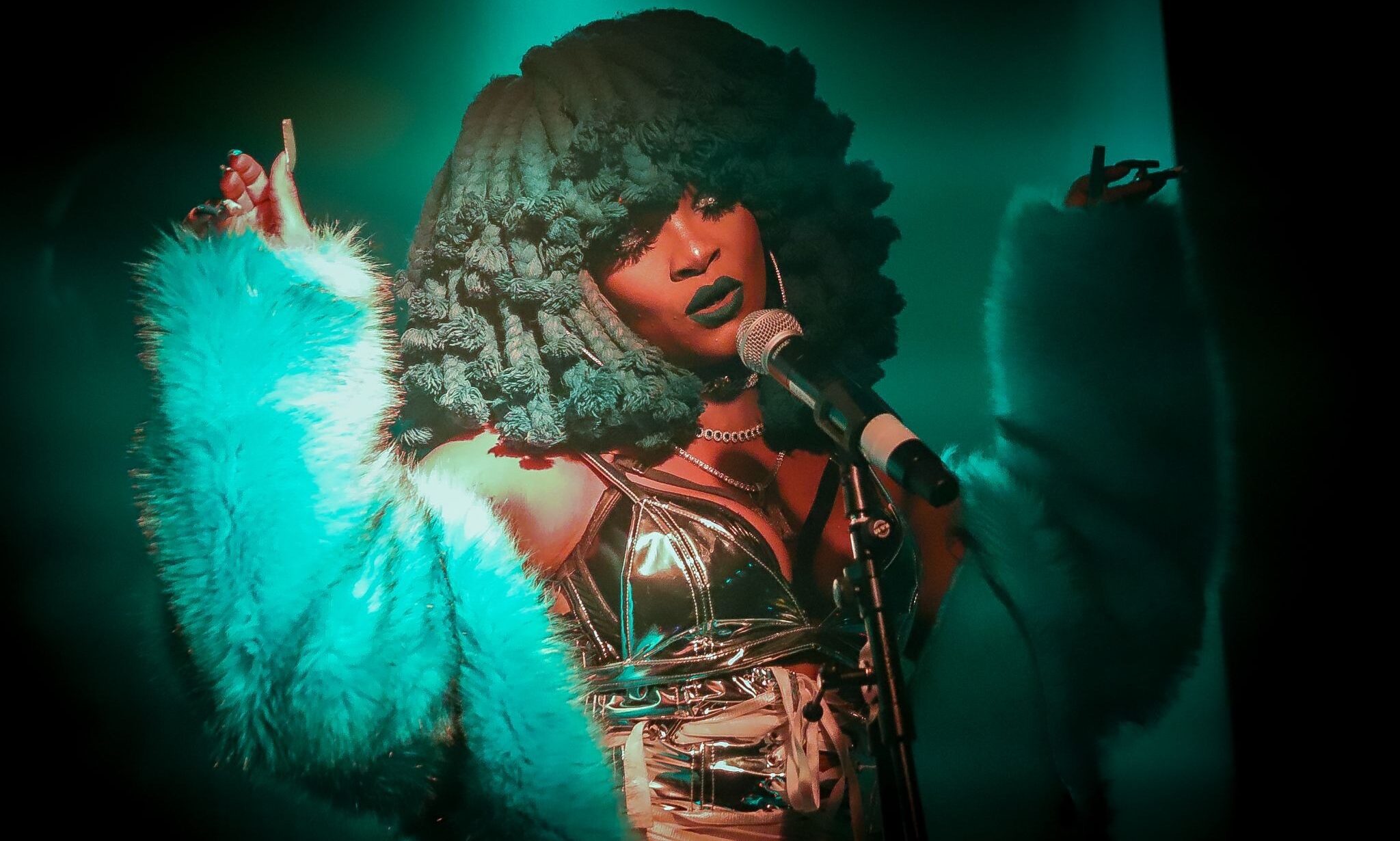
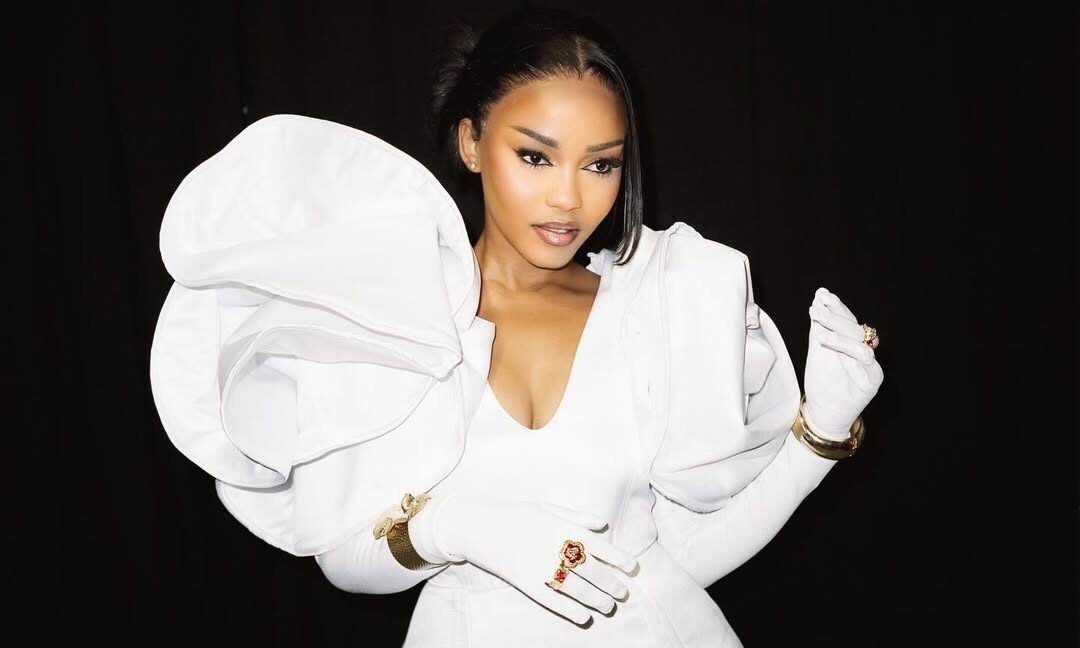
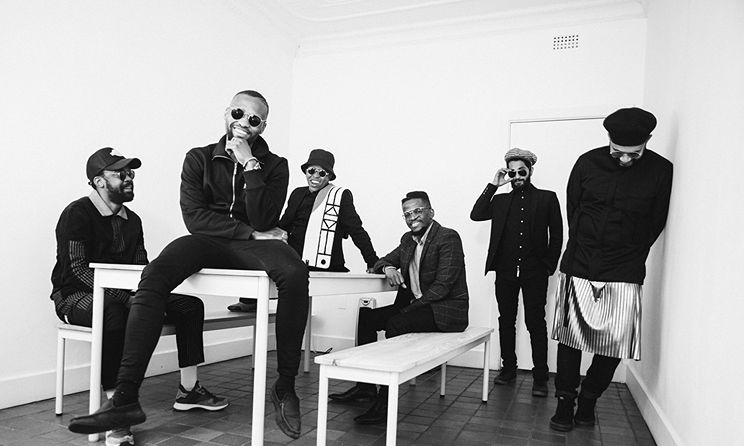
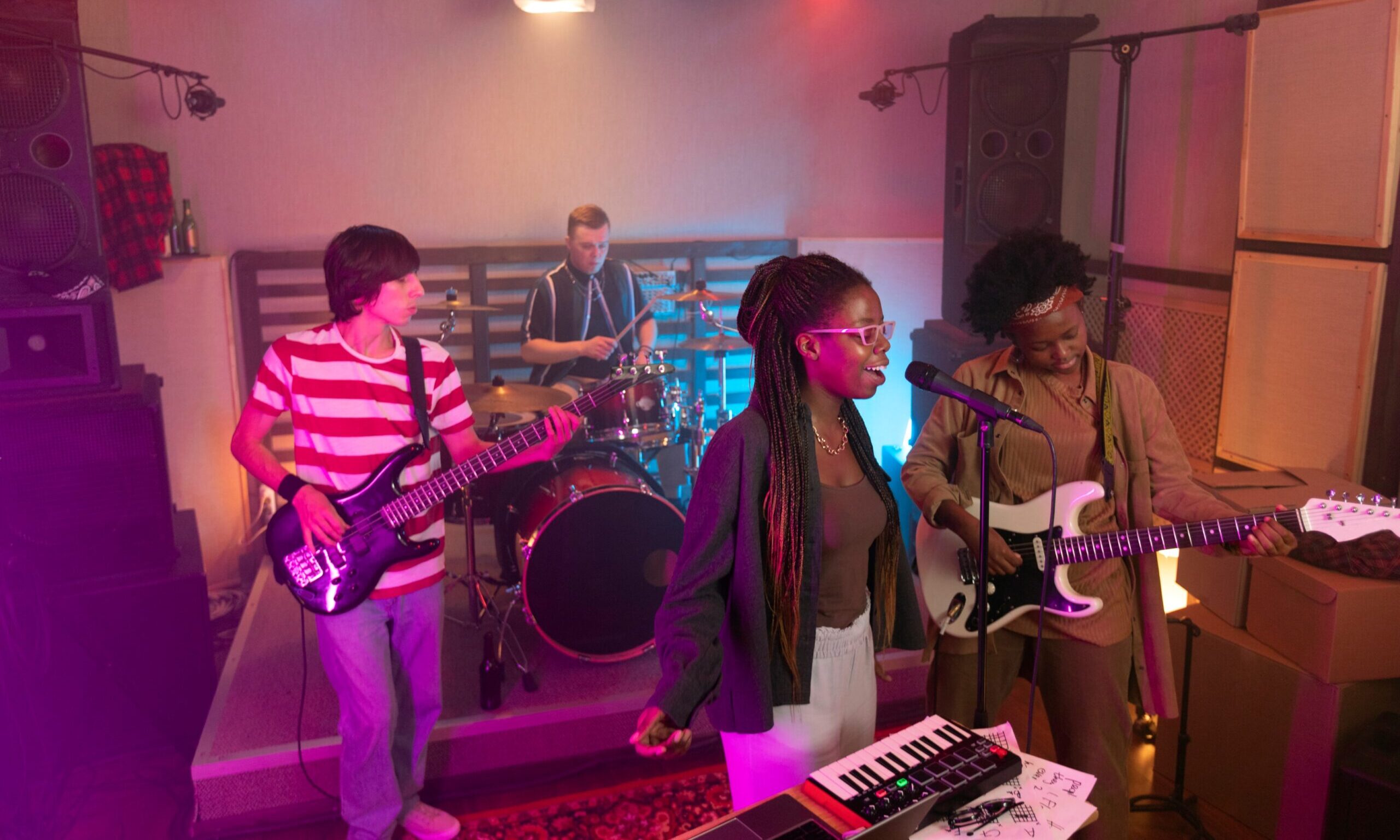
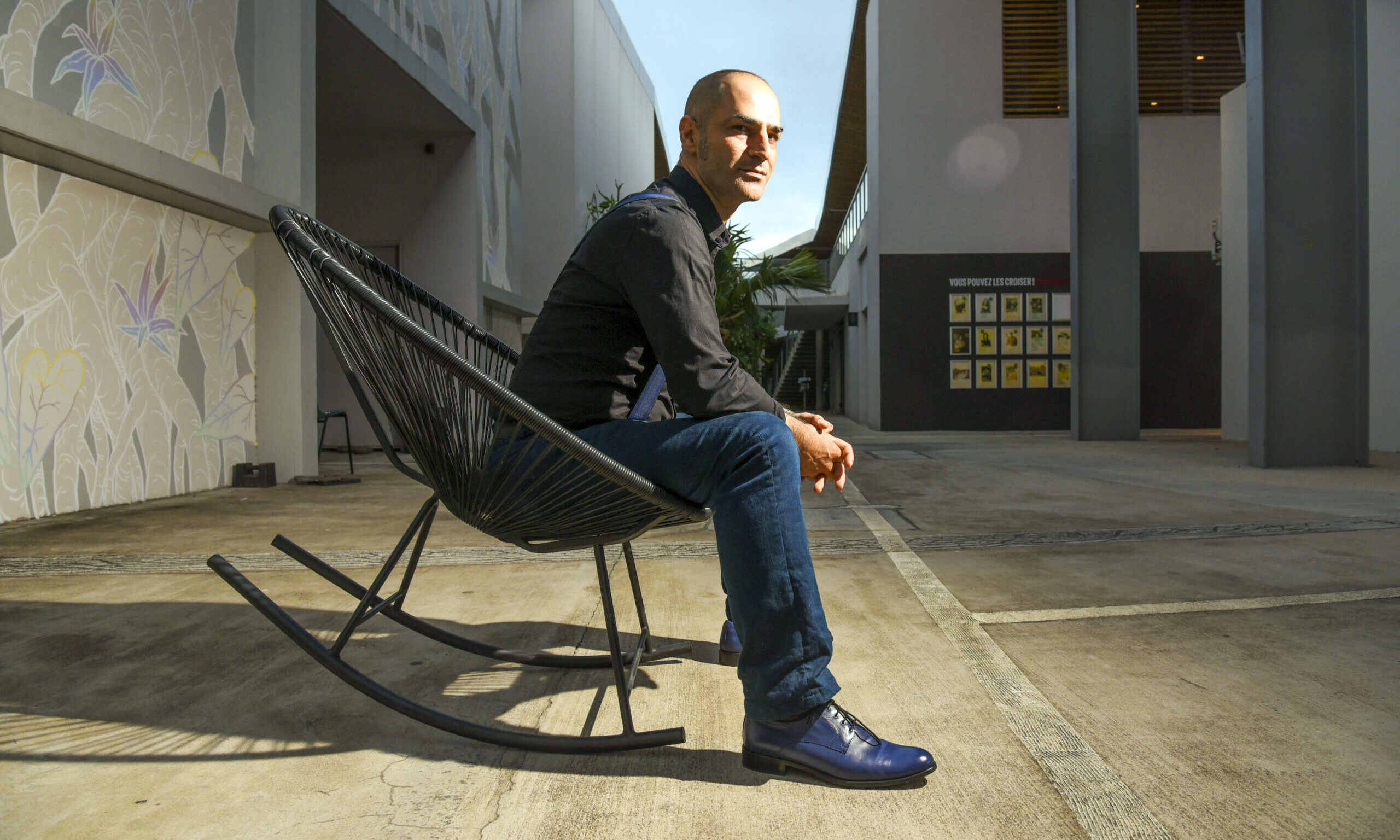
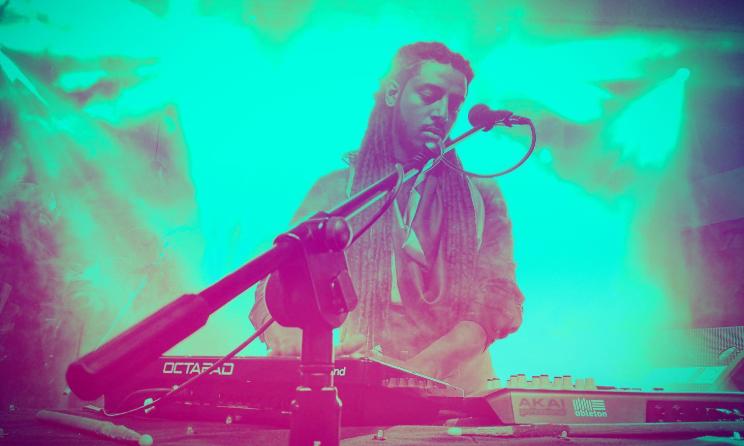
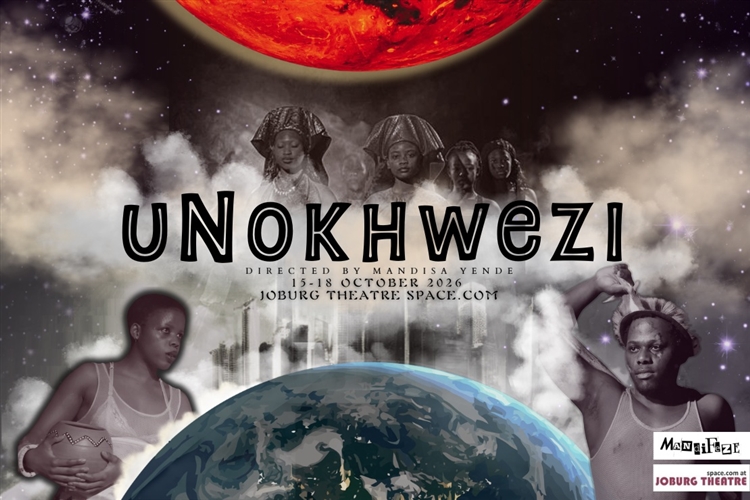
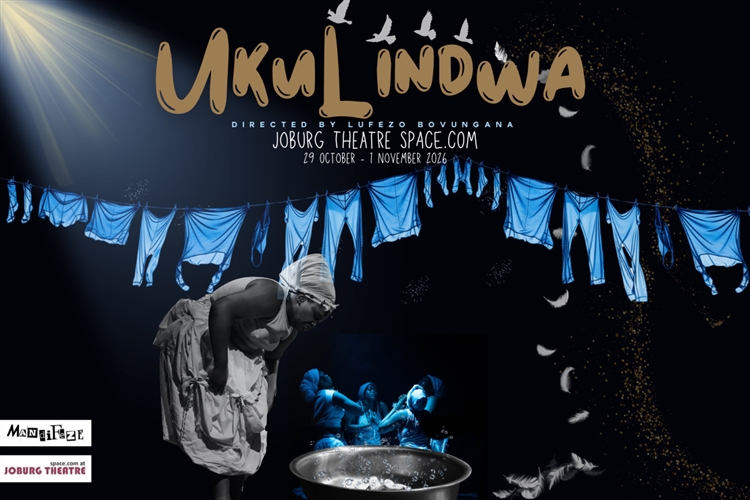
The Music In Africa Foundation (MIAF) is proud of its partnership with the Industrial Development Corporation (IDC) as a Strategic Implementing Partner (SIP) for its Social Employment Fund (SEF). Through this collaboration, MIAF is running a national programme that is creating jobs, addressing skills gaps, and strengthening South Africa's creative industries — in line with the SEF's overarching goal to generate work for the common good and build community value through employment, social contribution, and inclusive economic participation. Operating under the banner NEFCISA (National Employment Facility for Creative Industries in South Africa), the initiative is recruiting and training participants, matching them with host organisations, and has already placed 1 500 workers across the country — surpassing its original target of 1 000. NEFCISA is delivered through a network of 20 host organisations spanning five provinces, who are actively hosting participants and contributing to work for the common good across South Africa's creative and cultural industries. Key Objectives: Support employment and entrepreneurship in the creative industries. Offer skills development and training programmes. Foster partnerships between public and private creative sectors. Promote South African creativity at both provincial and national levels Foster community development through social contribution.

ACCES
ACCES

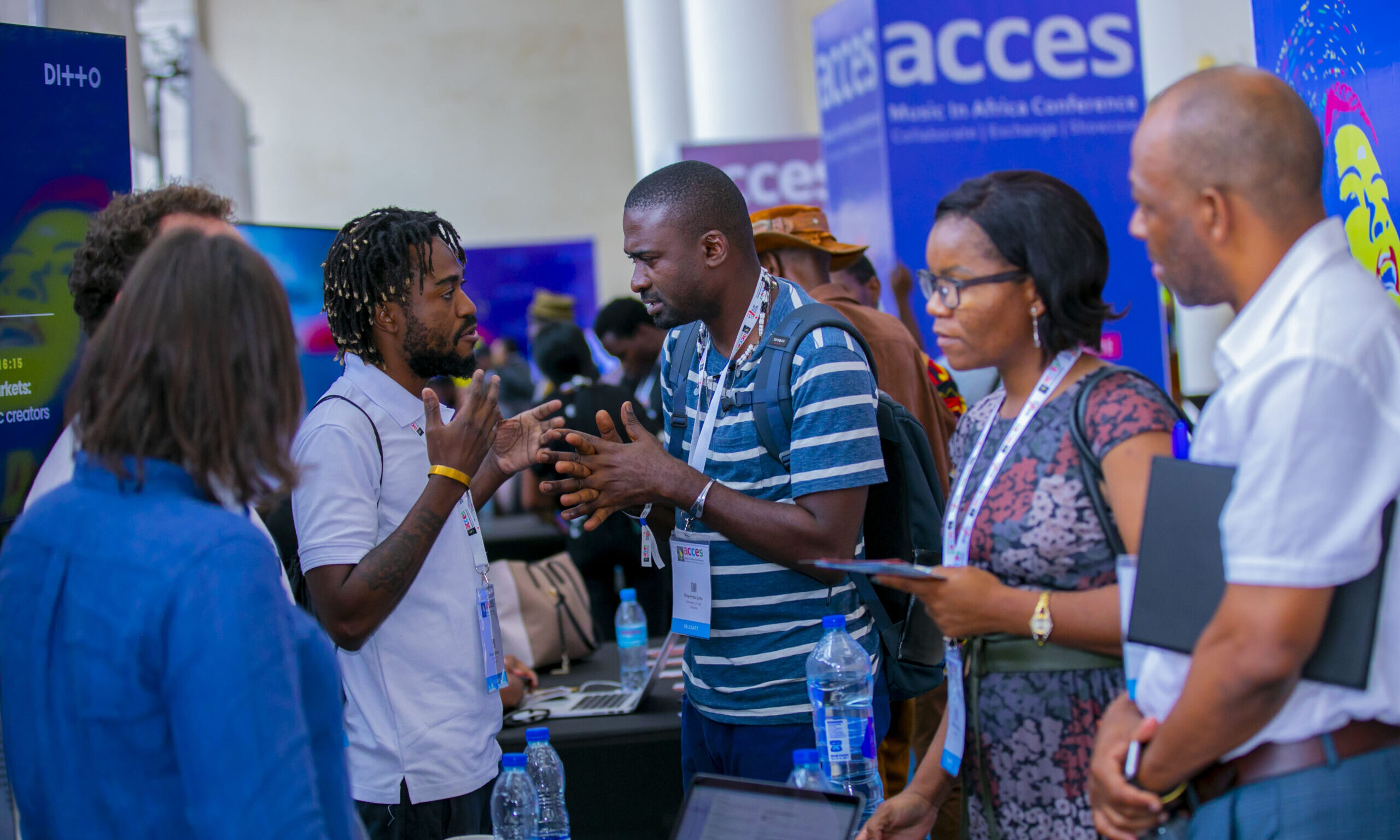
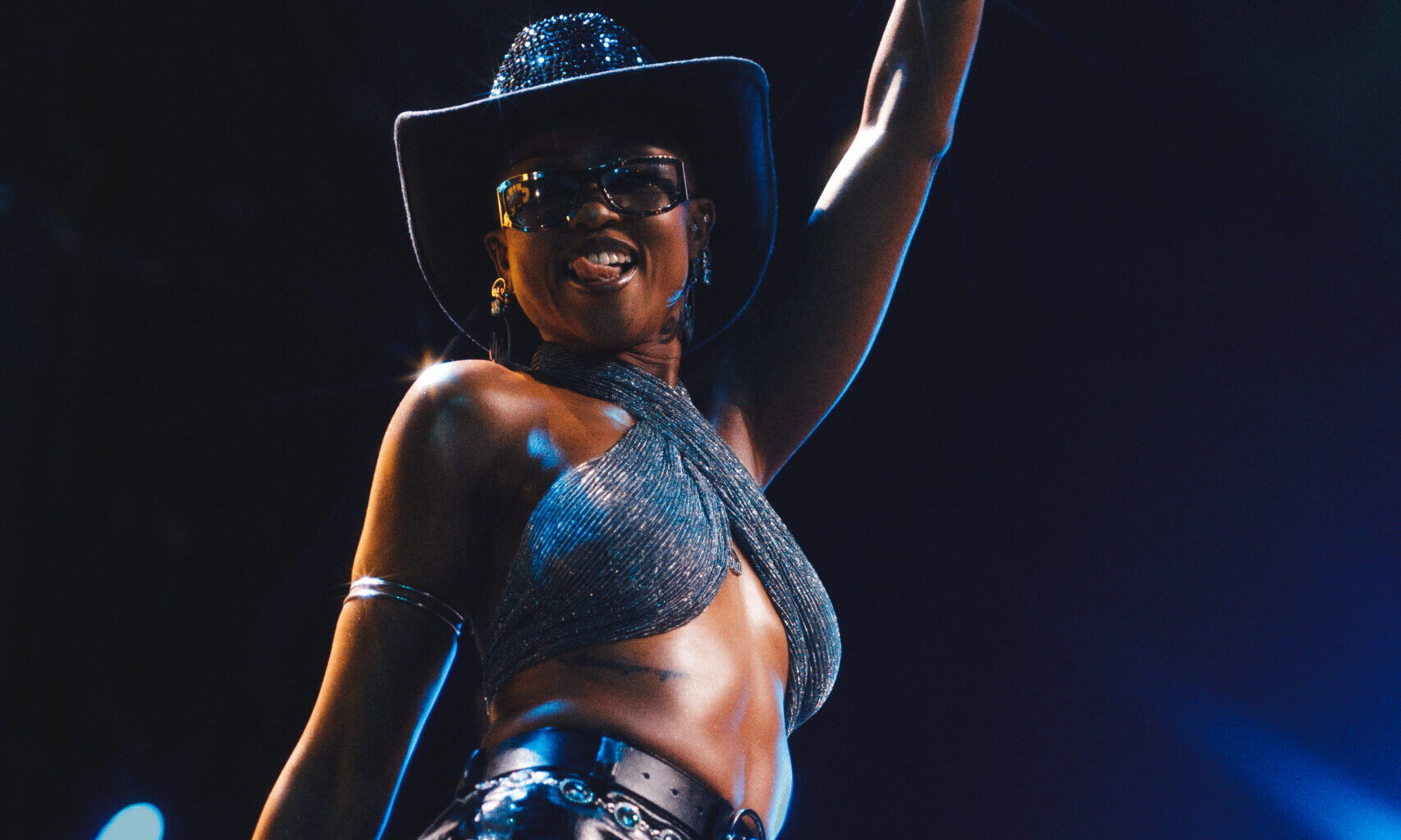
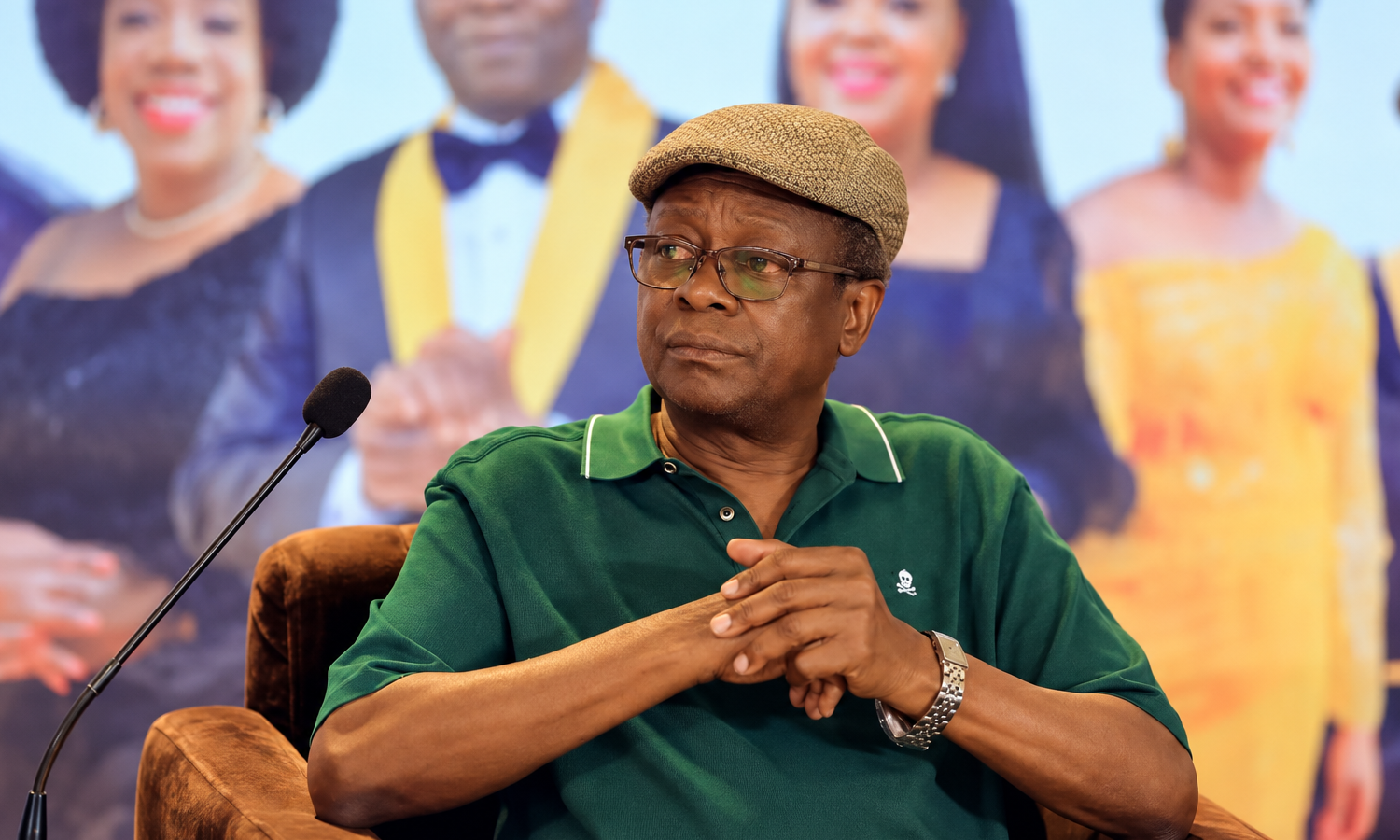
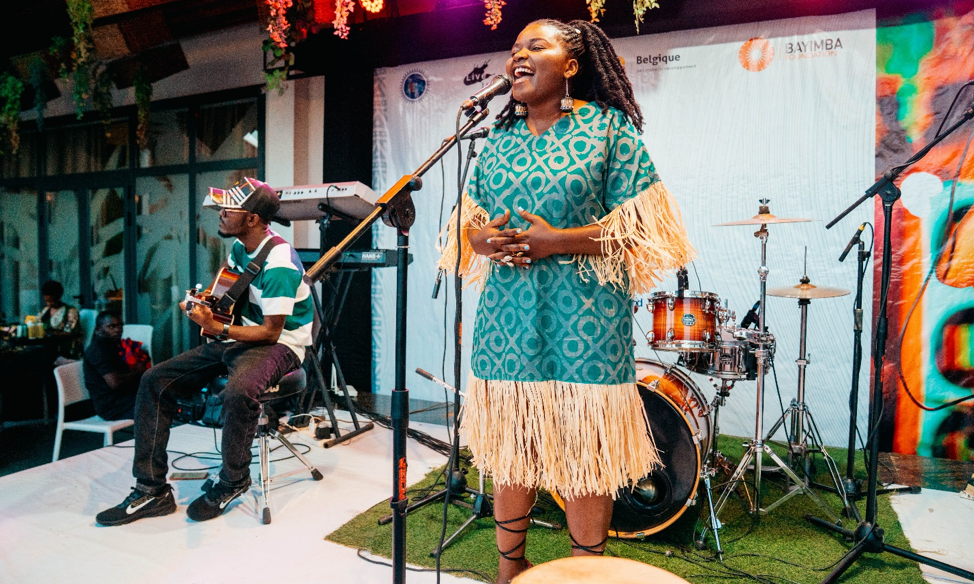
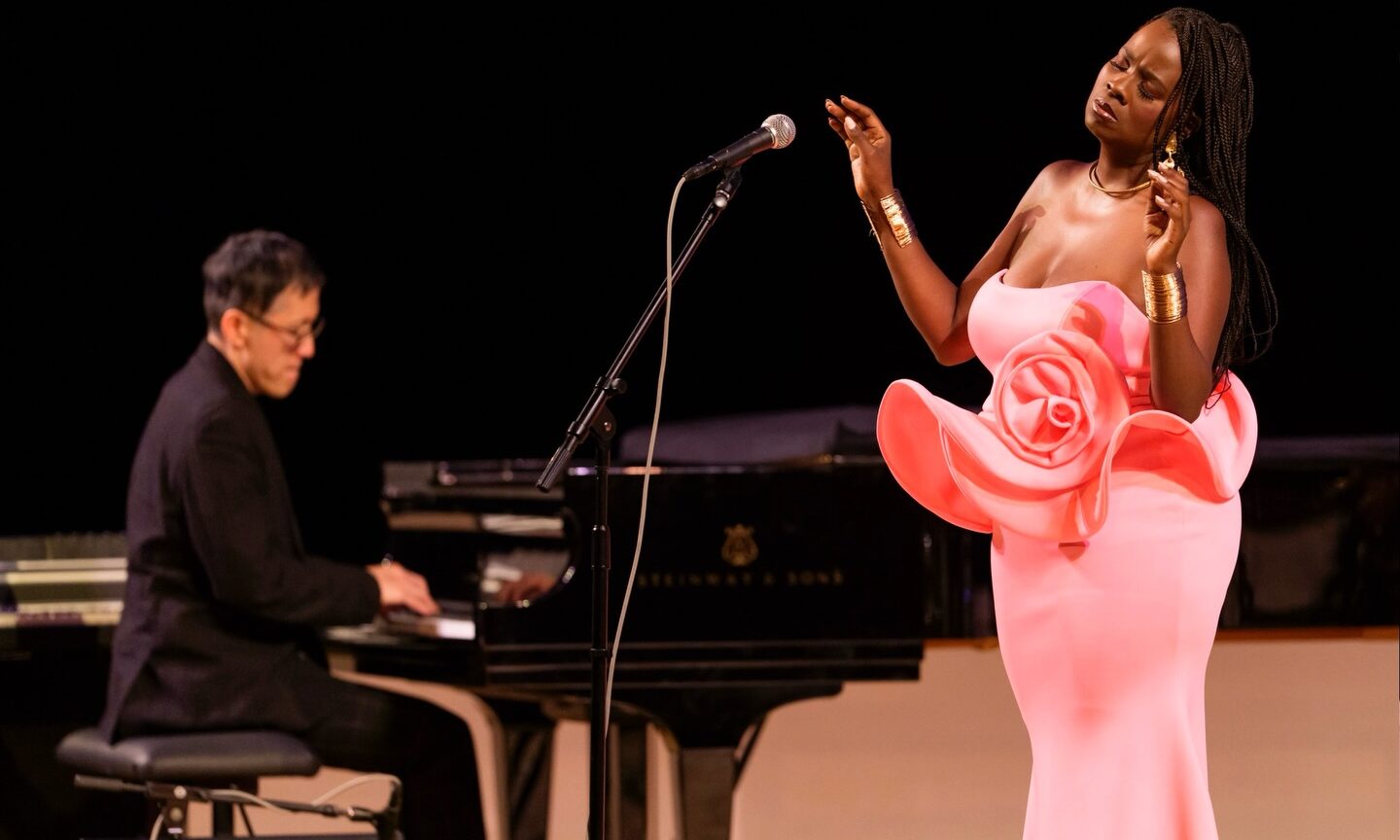
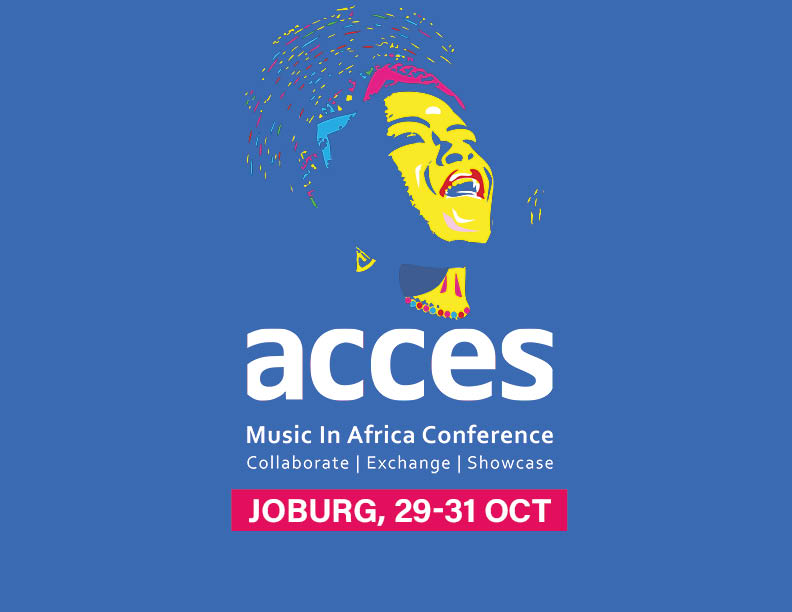
ACCES Conference and Showcase Festival is Africa's leading music industry gathering, bringing together the people shaping the future of the continent's music business. Artists, entrepreneurs, executives, investors, policymakers and cultural leaders from across Africa and around the world come to ACCES to build partnerships, exchange ideas, discover talent and create new business opportunities. Since its launch in 2017, ACCES has become the continent's premier platform for professional exchange and music market development. Combining a high-level conference with a curated showcase festival, networking, exhibitions and industry programmes, ACCES offers a unique space where creativity meets business and where African music connects with the global industry.

Gender@Work
Gender@Work

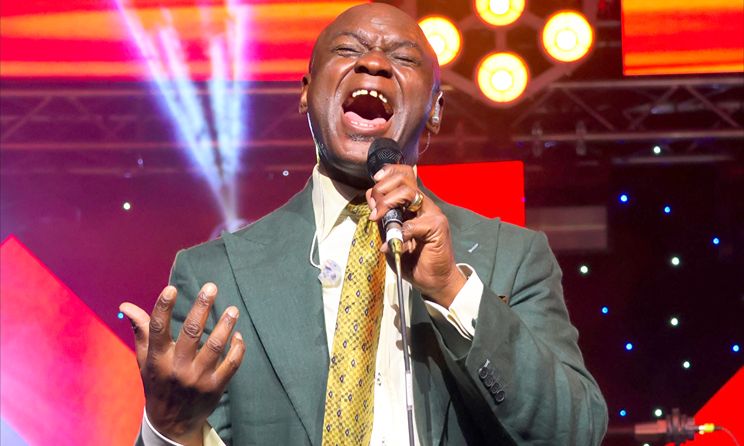
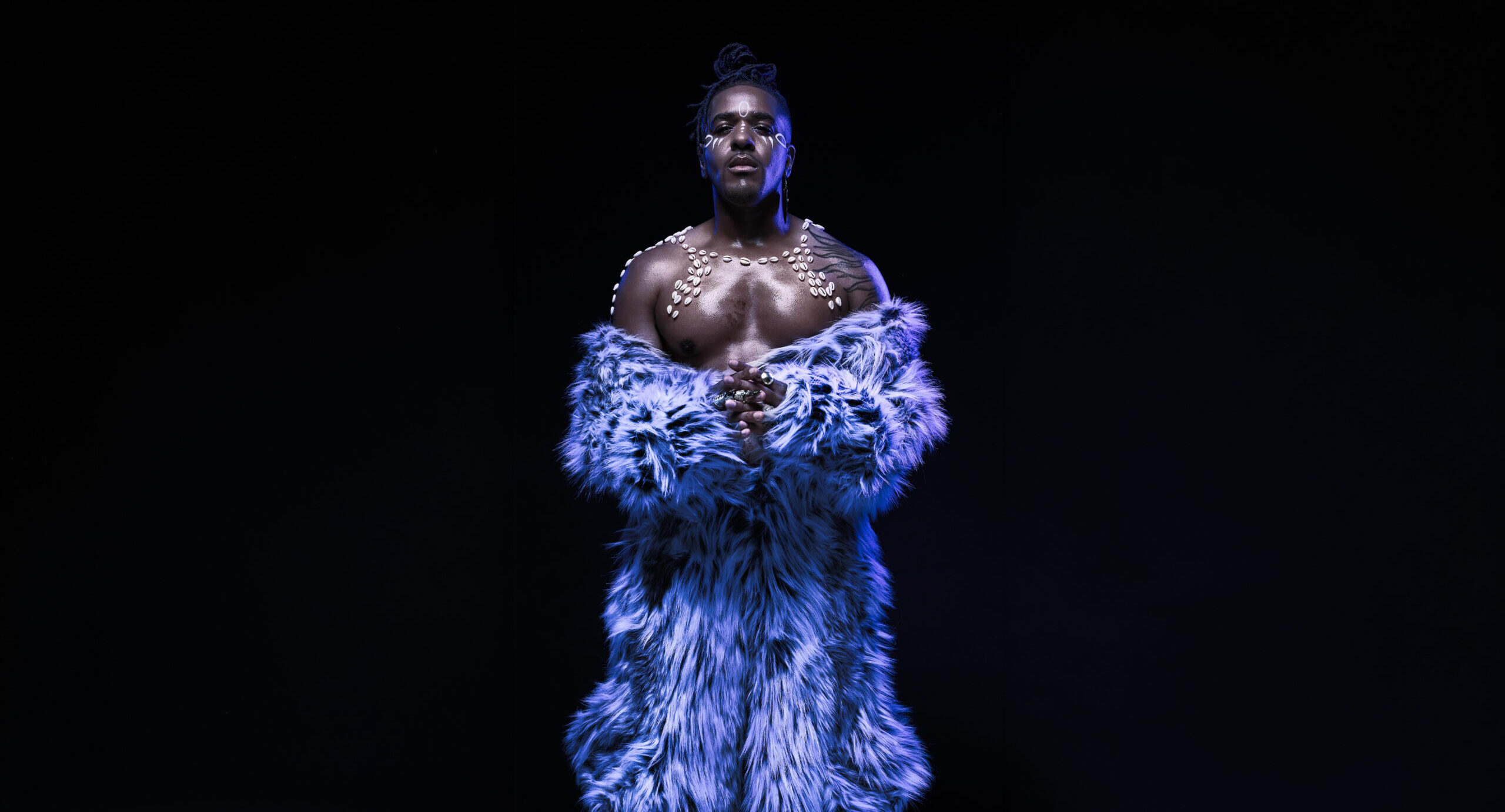
Music In Africa Gender @ Work is a three-year training programme aimed at upskilling and increasing the participation of female professionals in the African music sector. Launched by the Music In Africa Foundation (MIAF) in April 2019, the programme is connected to the MIAF’s ACCES music conference – a pan-African event held in a different African country every year. This connection enables the programme to reach new participants in a different African country every year. The programme marks the beginning of a more concerted effort by the Foundation to support the participation and inclusion of women in all facets of its programmes and the music sector in Africa as a whole. Over the three years, the programme will aim to address gender imbalances in the sector through training, lobbying, facilitating knowledge exchange and dialogues that foster the interest of women. The broader objectives of the programme are to: Provide industry training for women on critical music industry skills, focusing on: Stage management Electronic music production and recording Music business management Technical knowledge Provide an opportunity for both professional and aspiring women to benefit from the Music In Africa network and its broad range of activities in 2019, 2020 and 2021. Provide a solution-based platform in the form of a round table at ACCES with a view to identify challenges, discuss opportunities and lobby for the interests of female practitioners. Offer participants the opportunity to benefit from programmes offered by MIAF’s partners. Increase access to educational materials. Integrate participants in the broader ACCES programme to maximise experience and exposure to the industry. Record and present training materials on the www.musicinafrica.net, including but not limited to tutorials, templates and other best-practice materials. Communicate women-based themes that support the initiatives and messages of the programme. MAIN TRAINING ACTIVITIES Training in first country (Ghana): In the first year, participants will be trained on all aspects of stage management by a team of experienced stage managers from 10 to 17 November 2019. The programme will offer robust classroom training as well as practical, hands-on training in which participants will also be given the opportunity to manage various aspects of the ACCES performance programme. Training in second country: The second training iteration will take place at ACCES 2020 when the programme will diversify its course to include music production lessons and training on other music business topics. A round-table platform will also be introduced to coincide with the ACCES programme. Training in third country: The third training iteration will take place at ACCES 2021 in a different country, offering an advanced course. HOW DO YOU GET INVOLVED?  As a participant, facilitator or trainer: The programme enrolls up to 12 trainees every year. All opportunities are advertised publicly on this website, and will be added to this page. Please keep checking this page for new calls (below under UPDATES & CURRENT OPPORTUNITIES). As a partner Please contact Claire Metais at [email protected]. APPLY The call for applications for 2020 will be announced soon. The Music In Africa Gender @ Work programme is made possible with the support of the Prince Claus Fund, Siemens Stiftung and Goethe-Institut.

Sound Connects Fund
Sound Connects Fund

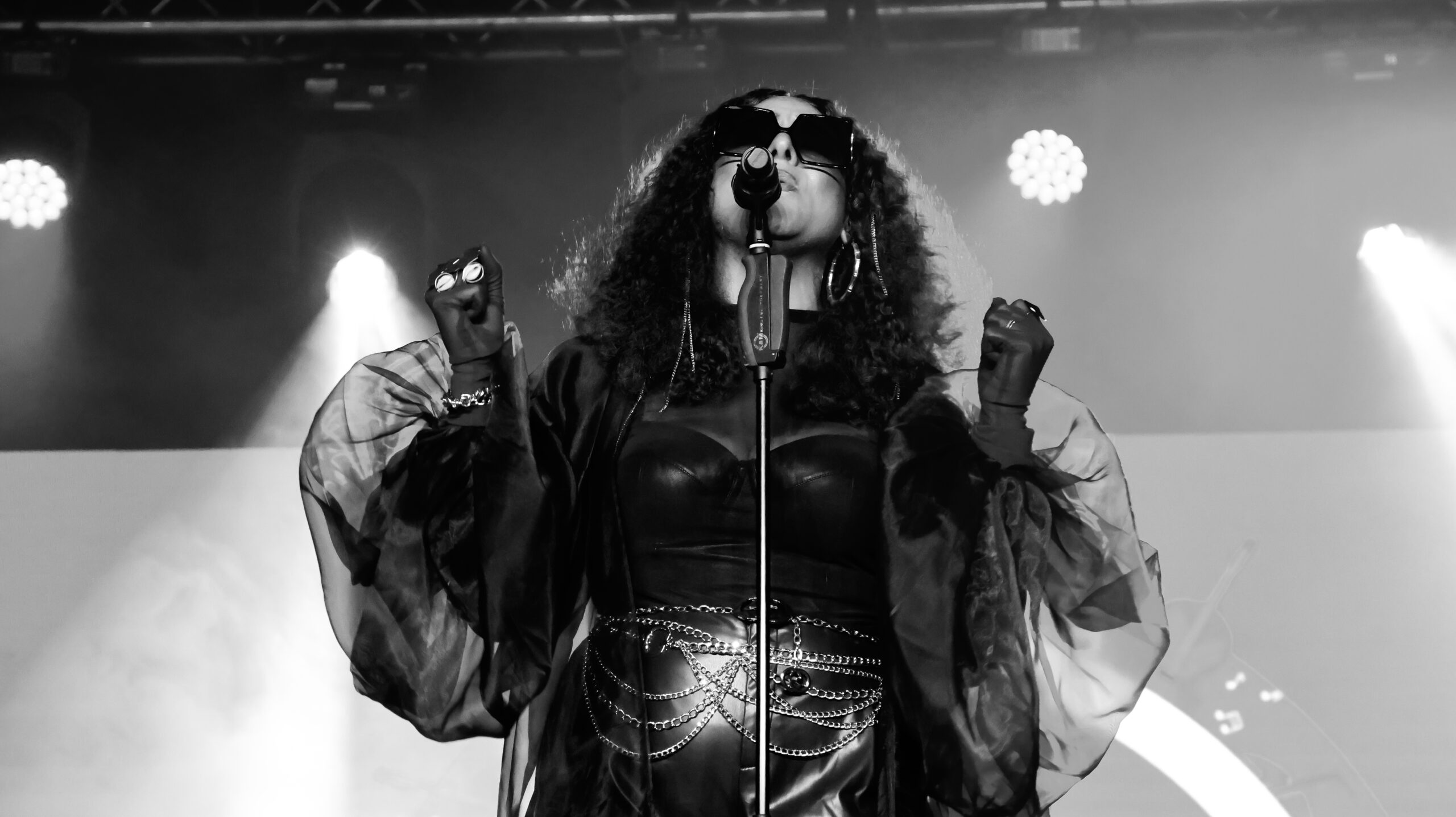
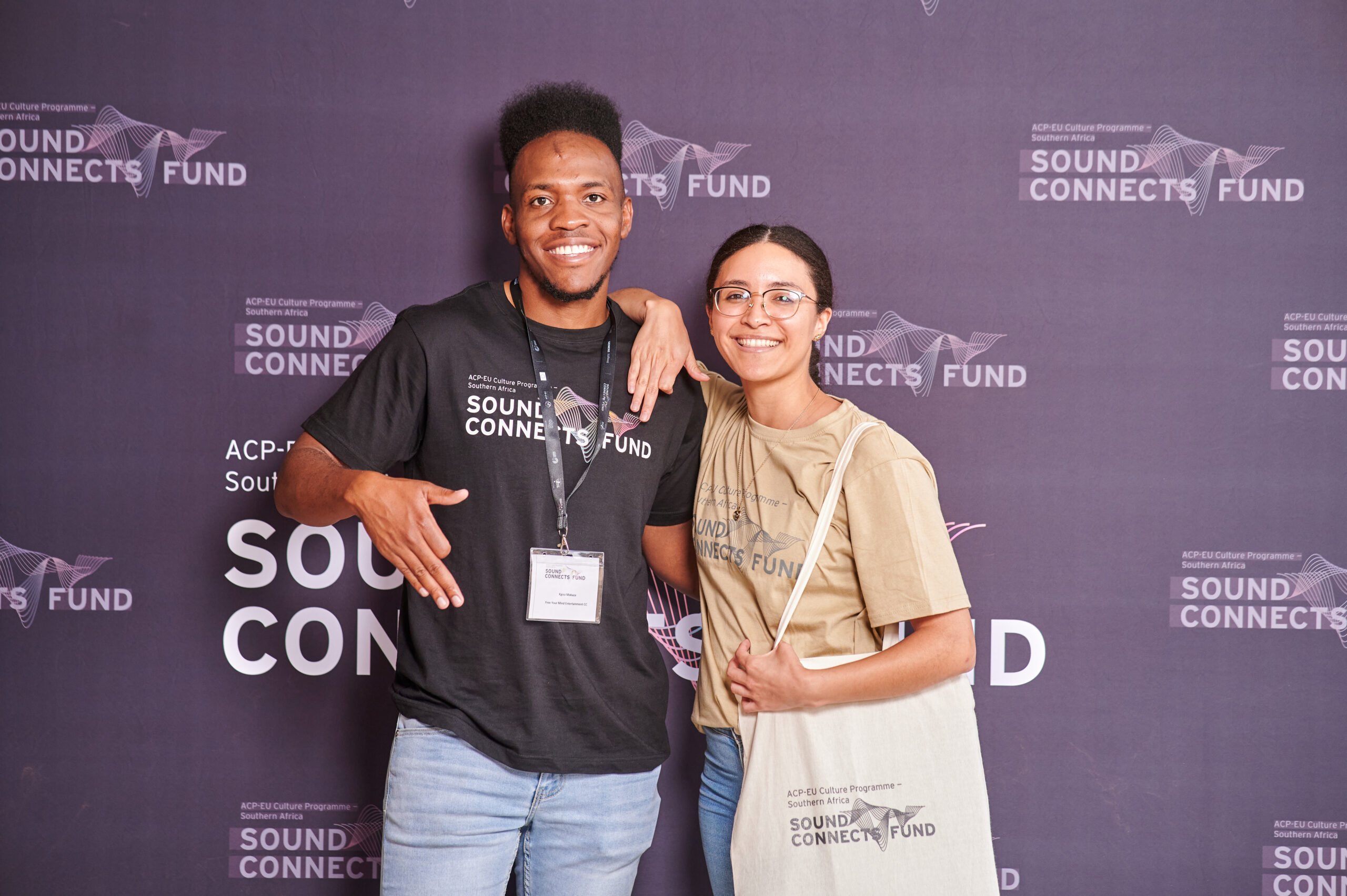
For cultural and creative practitioners and organisations operating in southern Africa, access to funding remains a major challenge. The COVID-19 pandemic has also had a massive impact on government policy, spending and the economy in general, and has seen spending on culture being moved further down the list of priorities. Further, the cultural and creative industries repeatedly cite four main areas where investment is needed for growth, which are increased visibility, mobility including access to new markets, finance and support structures.

Instrument Building And Repair Project

Experience the Vibrations African Instruments Exhibition online in 3D

J Smash

J Smash

Producers
linkedin

Profile added by Setshaba Phalane on 29 Apr 2026

Claim this profile

flag-img

Johannesburg, South Africa

In operation since:

2013

Contact person:

J Smash

BIO

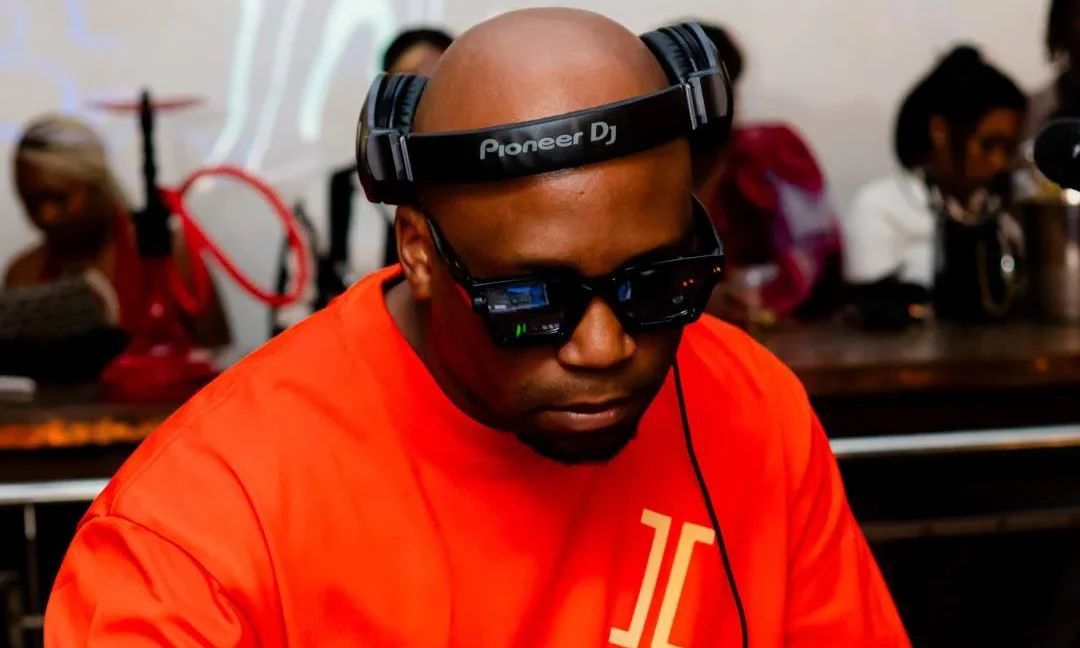
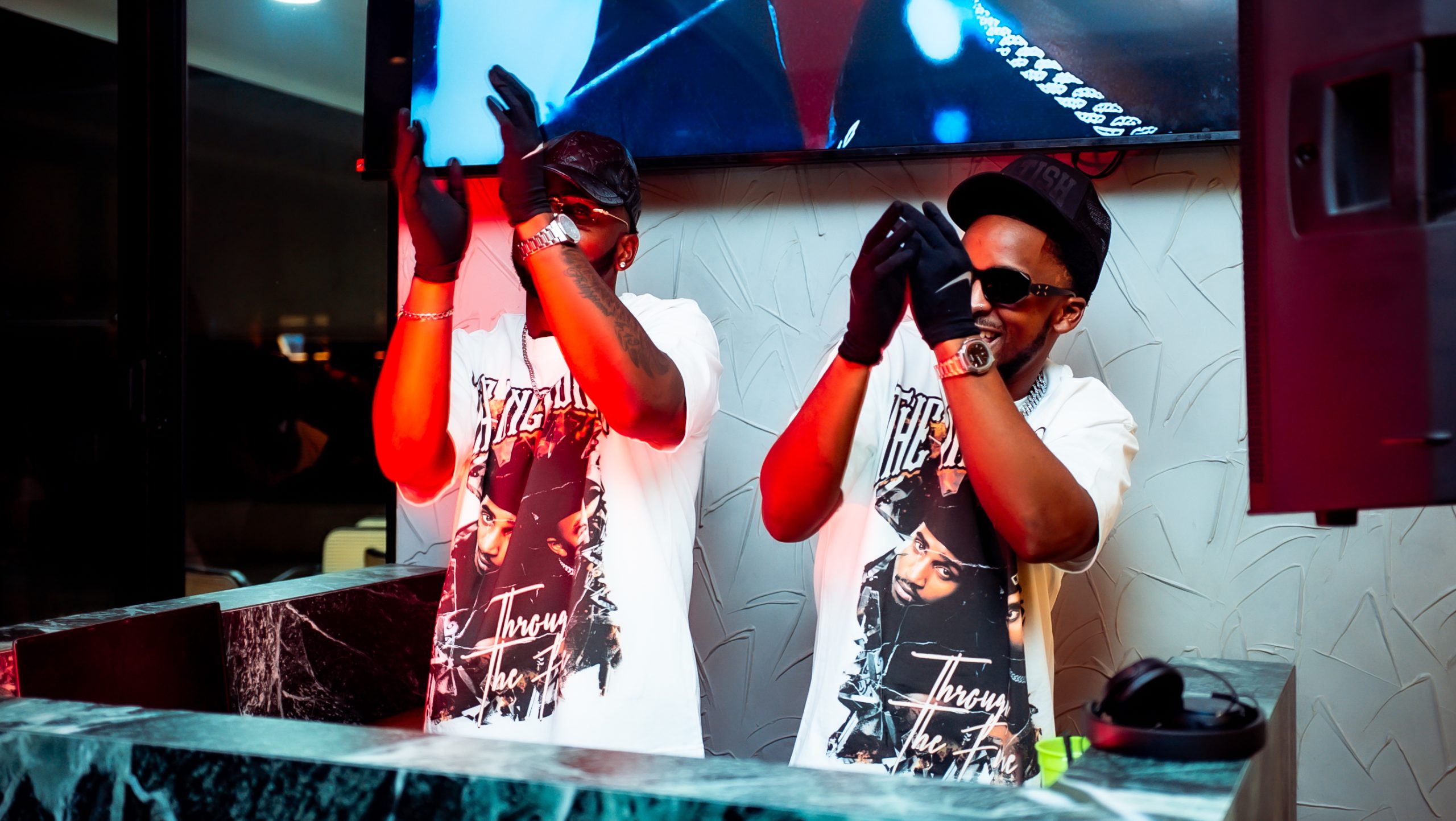
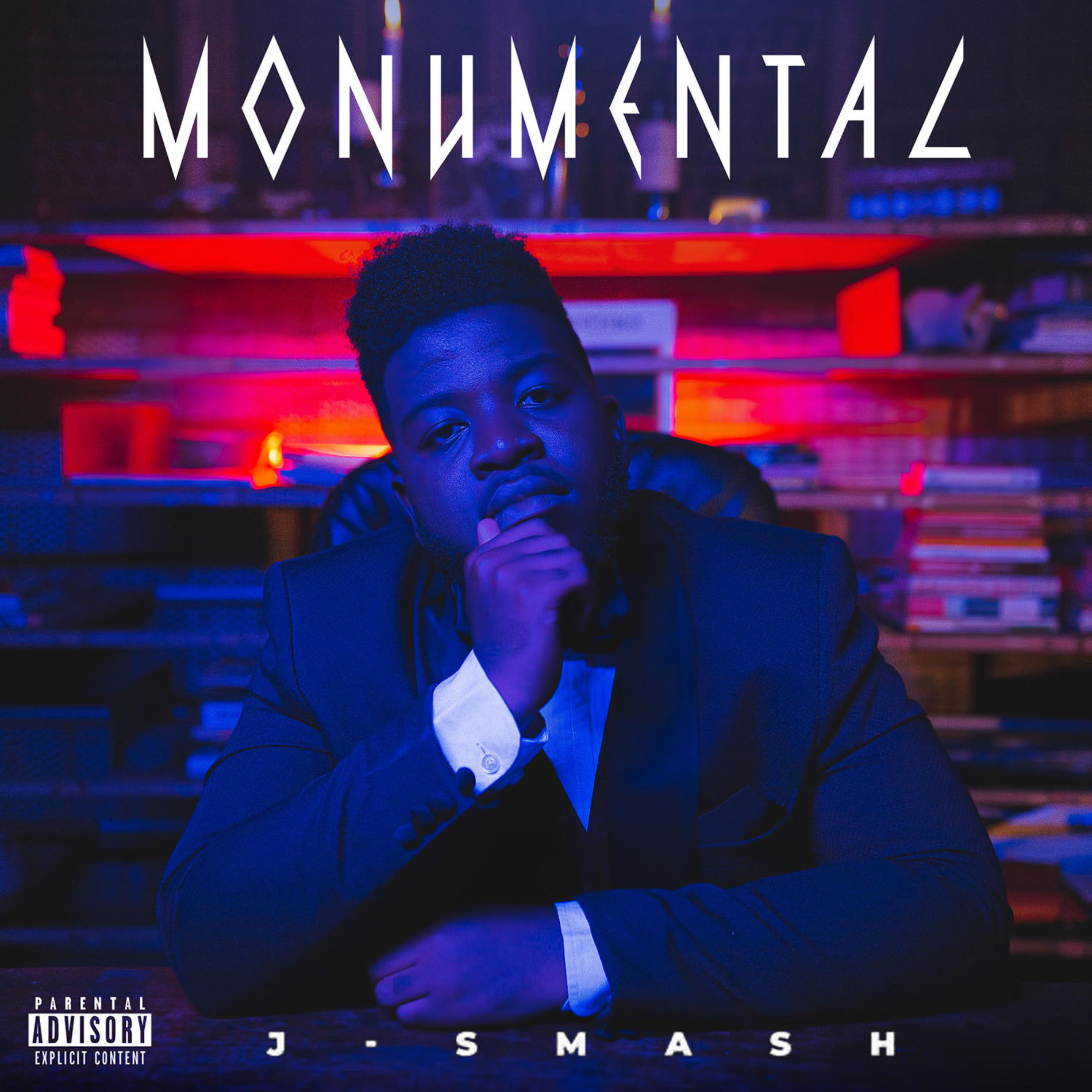
J Smash, born and raised in South Africa, is a DJ, producer, and cultural curator who has carved out a distinct lane in the country’s hip-hop ecosystem. More than just a traditional DJ, he has built a reputation as a connector of people, sounds, and movements—someone who understands that the power of music lies not only in creation but in collaboration, positioning, and timing. His work sits at the intersection of artistry and strategy, making him one of the more influential behind-the-scenes architects in modern South African urban music.

Emerging during a time when South African hip-hop was undergoing a generational shift, J Smash positioned himself not as a competitor to artists, but as a facilitator of moments. While many DJs focused on club sets and radio rotations, he leaned into the idea of curation—bringing together artists from different corners of the scene to create records that felt bigger than any one individual. This approach would later become a defining characteristic of his career.

His breakthrough came with the release of Rise of a King in 2017, a project that functioned less like a solo album and more like a carefully orchestrated cultural statement. The project featured a wide range of artists, including heavyweights such as Nasty C, Emtee, and K.O. Rather than positioning himself at the forefront, J Smash allowed the music and the collaborations to take center stage, reinforcing his role as a unifier within the industry. The project was well received and cemented his place as a key player in shaping the sound and direction of South African hip-hop at the time.

What set Rise of a King apart was its ability to feel cohesive despite its diversity. J Smash demonstrated a sharp ear for production, sequencing, and artist pairing, ensuring that each track contributed to a broader narrative. It wasn’t just a playlist—it was an experience. This level of intentionality signaled a shift in how DJ-led projects could be approached in South Africa, moving from loosely assembled compilations to fully realized bodies of work.

Building on that momentum, he released Rise of a King II in 2019, further expanding his reach and refining his sound. The sequel elevated everything—from production quality to feature selection—bringing in both established names and emerging voices. Artists like A-Reece contributed to the project, adding depth and variety. The album reinforced J Smash’s ability to stay relevant in a fast-moving industry while maintaining a clear artistic identity.

Beyond his projects, J Smash’s influence extends into how he navigates the business and cultural sides of music. He operates with an A&R mindset, identifying potential, understanding market dynamics, and creating opportunities for artists to shine. This has allowed him to remain a consistent presence even as trends shift, because his value is not tied to a single sound but to his ability to adapt and curate.

His sound is rooted in hip-hop but often incorporates elements of trap and contemporary urban music, reflecting both global influences and local realities. This balance between international appeal and South African authenticity is a key part of his success. He understands the importance of creating music that resonates locally while still being accessible to a broader audience, a crucial factor in today’s globalized music landscape.

J Smash has also built a brand that goes beyond music. As a DJ, he commands stages with a deep understanding of crowd dynamics, using his sets to tell stories and create moments rather than simply play songs. His presence in clubs, festivals, and events has helped solidify his reputation as a tastemaker—someone who not only follows trends but helps shape them.

In addition to his performance and production work, he has contributed to the culture by providing a platform for collaboration. In an industry that can often be fragmented, his projects serve as a reminder of the power of unity. By bringing artists together, he creates records that capture the spirit of the moment while also pushing the culture forward.

What makes J Smash particularly significant is his positioning. He represents a modern evolution of the DJ role—from someone who plays music to someone who builds ecosystems. He understands that in today’s music industry, success is driven by networks, narratives, and the ability to create moments that resonate with audiences. This perspective has allowed him to remain relevant and influential over time.

His journey reflects the broader evolution of South African hip-hop, a genre that has grown from a niche movement into a dominant cultural force. Through his work, J Smash has contributed to this growth, helping to amplify voices and create opportunities within the space. He stands as an example of how strategic thinking and creative vision can come together to build a lasting impact.

As the industry continues to evolve, J Smash remains a figure to watch—not just for the music he releases, but for the moves he makes behind the scenes. His ability to adapt, collaborate, and innovate ensures that he will continue to play a role in shaping the future of South African urban music.

Photos

No photos available

Music

Coming soon

Videos

Coming soon

Social Networks and Websites

Disclaimer: Music In Africa provides a platform for musicians and contributors to embed music and videos solely for promotional purposes. If any track or video embedded on this platform violates any copyrights please inform us immediately and we will take it down. Please read our Terms of Use for more.

newsletter banner

Subscribe to our monthly Newsletter

Follow us on social media