





























































Juma Tutu and the Swahili Jazz Band
Bands /groups, Community music centres

Profile added by Lucy Ilado on 27 Sep 2019

Mombasa, Kenya
2003
Juma Tutu and the Swahili Jazz Band
BIO
Juma Abdallah Atibu and the Swahili Jazz Band.
His interest in music started early influenced by his father who was a prominent and popular musician. Juma learned to play different musical instruments including percussion, drums and keyboards, but his passion and instrument of choice is the saxophone.
After completing his high school studies in 1998 Juma joined Generations Band on the recommendation of his father who wanted him to hone his musical skills. Juma credits the then band leader Muhammad Amin, a friend to his father, as being one of his earliest mentors who passed a lot of musical knowledge on to him.
In 2000 Juma went on to join the famed and much beloved Bango Sounds of the legendary Mzee Ngala. Being a renowned and experienced saxophonist himself, Mzee Ngala was a big influence and inspiration to Juma’s sound and playing style.
Later that same year Juma Tutu was recruited as the main saxophonist by the Wazalendo Band. The following year in 2001 he was again recruited by Them Mushrooms. Juma states that this was his biggest break at the time because Them Mushrooms were a household name and a very busy and active band. While in Nairobi Juma also took up teaching where he taught music, specifically saxophone playing.
In 2003 Juma received sponsorship to purchase musical equipment from one of his saxophone students, business man Albert Attias. This inspired Juma to start his own band whom he called The Tutu Band.
The Tutu Band went on to become popular and performed at numerous local functions like weddings and at hotels and corporate functions. In 2004 they travelled to South Africa as the backing band for Kenyan reggae sensation, the late Mighty King kong. On their return, they took up a two year residency at the Village Market Mall and Serena Hotel.
Juma Tutu was nominated as a finalist of the inaugural Spotlight on Kenyan Music program in 2005. He recorded and released his song Sukari as part of the Spotlight on Kenyan Music volume 1 compilation. Sukari became a Kenyan anthem and cemented Juma’s name in the Kenyan Music Industry. It brought his unique sound to the limelight and earned him high profile performances and recognition. Inspired by this new found fame Juma went on to record his debut album titled Kimombasa in which he pays homage to the Swahili culture practiced in his home city of Mombasa. The album was released in 2008.
In 2010 Juma Tutu and The Tutu Band teamed up with another Spotlight on Kenyan Music alumni Makadem for a series of shows and performances which included Makadem’s performance at the Sauti za Busara Festival in Zanzibar.
In the same year, Juma was recruited as the Band Leader and Musical Director for the Safaricom Live Project, a project that saw him tour the country and perform with various top Kenyan and regional artistes for the following two years. In 2012, Safaricom rebranded the project as Niko na Safaricom and renewed their relationship with Juma for another year.
Following this experience, Juma rebranded his band as The Swahili Jazz Band. He says this was necessary so as to announce his musical identity which is influenced by the various ethnicities and cultures that merge into the Swahili culture he grew up in, in Mombasa. He is influenced by the 9 Mijikenda tribes of the Kenyan coast as well as by the Asian and Arabic cultures.
In October 2014, Juma Tutu in collaboration with one of his mentees, Swahili Hip-hop artiste Nafsi Huru co-produced an award winning Musical play dubbed Uswahilini, performed by The Swahili Jazz Band, Iemas Dancers, Nafsi Huru and The Maskaredas Comedians.
Uswahilini is an intriguing Musical Play telling the story of the Swahili People detailing their origins, struggles and achievements. The play highlights different aspects of the Swahili culture and lifestyle through music, poetry, comedy and dance as the main instruments of communication.
Juma is determined to share his art and talent with others. He is a mentor to his band members and has also written songs for many successful Kenyan artists. Juma has penned lyrics and music for artistes such as Nina Ogot, Sauti Sol and Alai K (aka Disco Vumbi). His songs Undugu and Sukari are popular cover songs for numerous bands as well as a top choice for young artistes in talent shows.
Juma Tutu is a community leader and is passionately involved in mentoring young artists, running music programs on various platforms. He has been determined to share the knowledge he has acquired over the years.
He is a teacher and the Music Director at KCCL (Kenya Community Centre for Learning), an international school giving special kids an opportunity to learn through music, Juma Tutu has formed the first band in Kenya with children with special needs as players. He is also the Co-Director of Twende Music Master Class, an enlightenment initiative aimed at empowering needy talented individuals with proficiency skills in live Music.
Through these initiatives, Juma Tutu has developed an Alternative Music syllabus which he has successfully implemented into his music teaching curriculum through the years.
In February 2018 Juma Tutu was contracted for a month by the Italian Association of Jazz Musicians to host and mentor Italian Jazz artist Matteo De Leornado, who had won the Artist in Residence (AIR) competition in Europe as best guitarist. In 2019 Juma and Leonardo released a collaborative project titled Kabisa.
In 2020, Juma Tutu was the curator and Musical Director of the Madaraka Festival which was held digitally and featured performances by artistes from Kenya, Ghana, Nigeria, Spain, France and the USA. He recently released the first single Huku na Huku, from his forthcoming project of the same title.
Photos


Music
Videos

🎷 Sundays at Mama Samaki! | Swahili Jazz & Gogosimo Band 🎶

❤️ Toto La Mombasa 🌊🎷 | Juma Tutu ft. Kitole Kenda | Coming Oct 30!

Ziidi Shariah Launch

ZIIDI SHARIAH LAUNCH

Okomundu wants to dance

Toto la Mombasa!Okomundu amezuka kutoka mafichoni ili kuja kumuona Toto
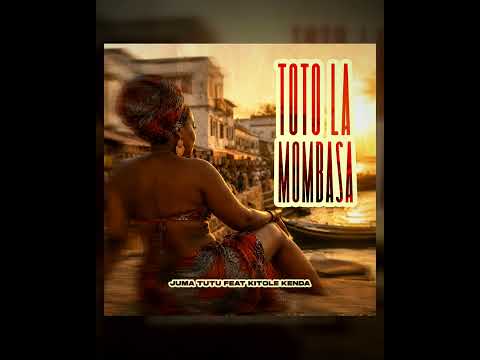
Toto La Mombasa Juma Tutu ft.Kitole Kenda.

ELEGANCE !

Live Music for Distinguished Events | Rotary Club of Karura
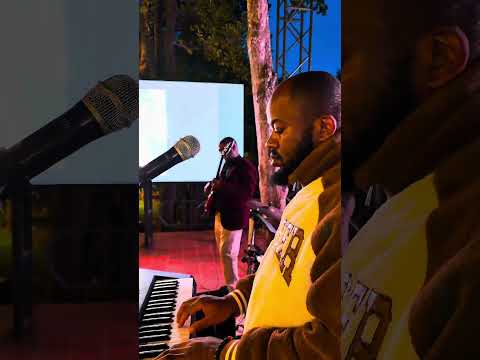
Exceptional Live Music for Exceptional Events | Swahili Jazz band 🎷

Premium Events Deserve Premium Live Music | Swahili Jazz band.

Elevating Corporate Events Through Live Music | Digital Realty Launch

Swahili Jazz Live at JW Marriot, GTC performing at the #swahilinight

Juma Tutu & The Swahili Jazz Band Live at The Geco Cafe, Kilimani, Nairobi

'Tahadhari' - Juma Tutu & the Swahili Jazz Band
Social Networks and Websites


Disclaimer: Music In Africa provides a platform for musicians and contributors to embed music and videos solely for promotional purposes. If any track or video embedded on this platform violates any copyrights please inform us immediately and we will take it down. Please read our Terms of Use for more.



