

























NEFCISA
NEFCISA

The Music In Africa Foundation (MIAF) is proud of its partnership with the Industrial Development Corporation (IDC) as a Strategic Implementing Partner (SIP) for its Social Employment Fund (SEF). Through this collaboration, MIAF is running a national programme that is creating jobs, addressing skills gaps, and strengthening South Africa's creative industries — in line with the SEF's overarching goal to generate work for the common good and build community value through employment, social contribution, and inclusive economic participation. Operating under the banner NEFCISA (National Employment Facility for Creative Industries in South Africa), the initiative is recruiting and training participants, matching them with host organisations, and has already placed 1 500 workers across the country — surpassing its original target of 1 000. NEFCISA is delivered through a network of 20 host organisations spanning five provinces, who are actively hosting participants and contributing to work for the common good across South Africa's creative and cultural industries. Key Objectives: Support employment and entrepreneurship in the creative industries. Offer skills development and training programmes. Foster partnerships between public and private creative sectors. Promote South African creativity at both provincial and national levels Foster community development through social contribution.

ACCES
ACCES

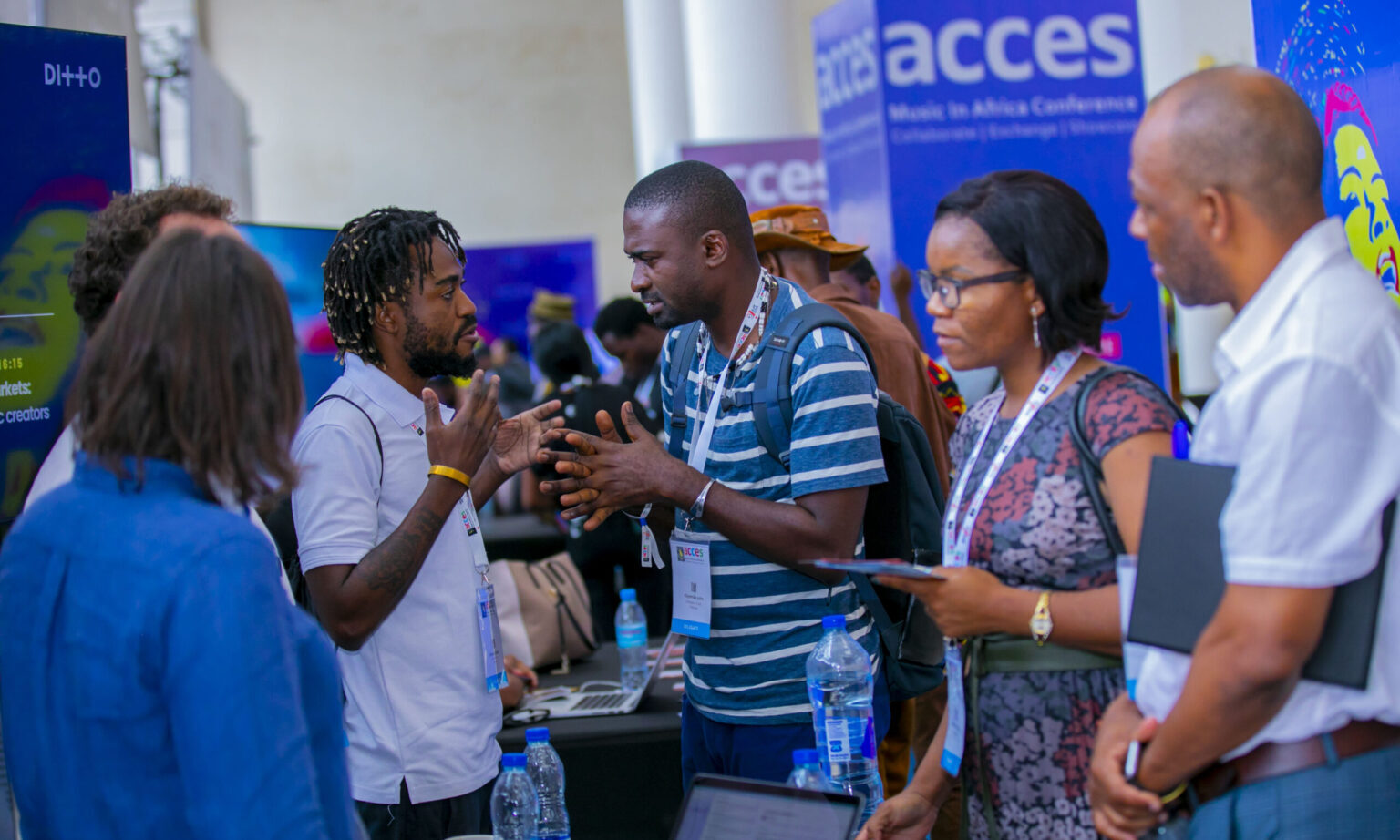
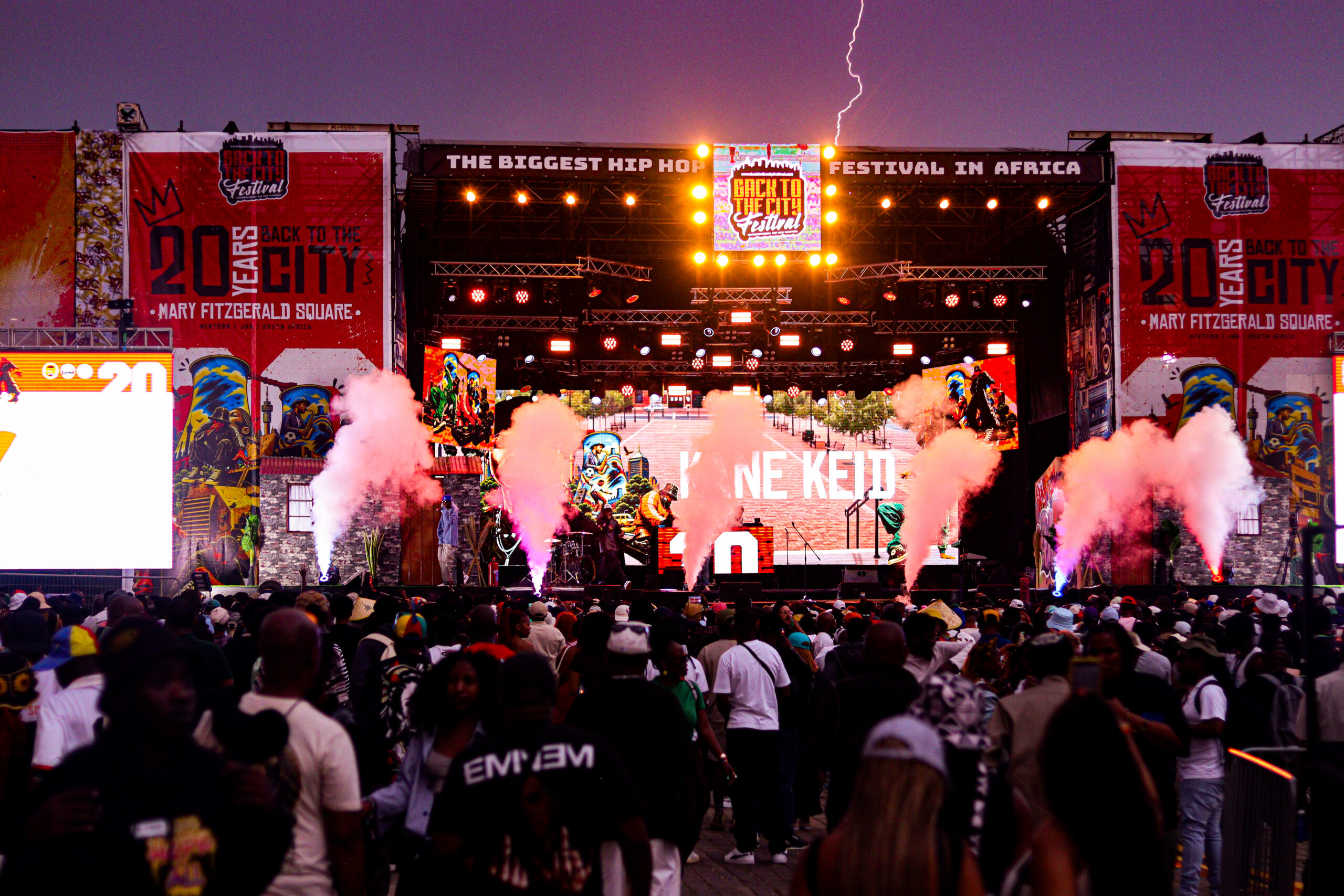
ACCES Conference and Showcase Festival is Africa's leading music industry gathering, bringing together the people shaping the future of the continent's music business. Artists, entrepreneurs, executives, investors, policymakers and cultural leaders from across Africa and around the world come to ACCES to build partnerships, exchange ideas, discover talent and create new business opportunities. Since its launch in 2017, ACCES has become the continent's premier platform for professional exchange and music market development. Combining a high-level conference with a curated showcase festival, networking, exhibitions and industry programmes, ACCES offers a unique space where creativity meets business and where African music connects with the global industry.

Gender@Work
Gender@Work

Music In Africa Gender @ Work is a three-year training programme aimed at upskilling and increasing the participation of female professionals in the African music sector. Launched by the Music In Africa Foundation (MIAF) in April 2019, the programme is connected to the MIAF’s ACCES music conference – a pan-African event held in a different African country every year. This connection enables the programme to reach new participants in a different African country every year. The programme marks the beginning of a more concerted effort by the Foundation to support the participation and inclusion of women in all facets of its programmes and the music sector in Africa as a whole. Over the three years, the programme will aim to address gender imbalances in the sector through training, lobbying, facilitating knowledge exchange and dialogues that foster the interest of women. The broader objectives of the programme are to: Provide industry training for women on critical music industry skills, focusing on: Stage management Electronic music production and recording Music business management Technical knowledge Provide an opportunity for both professional and aspiring women to benefit from the Music In Africa network and its broad range of activities in 2019, 2020 and 2021. Provide a solution-based platform in the form of a round table at ACCES with a view to identify challenges, discuss opportunities and lobby for the interests of female practitioners. Offer participants the opportunity to benefit from programmes offered by MIAF’s partners. Increase access to educational materials. Integrate participants in the broader ACCES programme to maximise experience and exposure to the industry. Record and present training materials on the www.musicinafrica.net, including but not limited to tutorials, templates and other best-practice materials. Communicate women-based themes that support the initiatives and messages of the programme. MAIN TRAINING ACTIVITIES Training in first country (Ghana): In the first year, participants will be trained on all aspects of stage management by a team of experienced stage managers from 10 to 17 November 2019. The programme will offer robust classroom training as well as practical, hands-on training in which participants will also be given the opportunity to manage various aspects of the ACCES performance programme. Training in second country: The second training iteration will take place at ACCES 2020 when the programme will diversify its course to include music production lessons and training on other music business topics. A round-table platform will also be introduced to coincide with the ACCES programme. Training in third country: The third training iteration will take place at ACCES 2021 in a different country, offering an advanced course. HOW DO YOU GET INVOLVED?  As a participant, facilitator or trainer: The programme enrolls up to 12 trainees every year. All opportunities are advertised publicly on this website, and will be added to this page. Please keep checking this page for new calls (below under UPDATES & CURRENT OPPORTUNITIES). As a partner Please contact Claire Metais at [email protected]. APPLY The call for applications for 2020 will be announced soon. The Music In Africa Gender @ Work programme is made possible with the support of the Prince Claus Fund, Siemens Stiftung and Goethe-Institut.

Sound Connects Fund
Sound Connects Fund

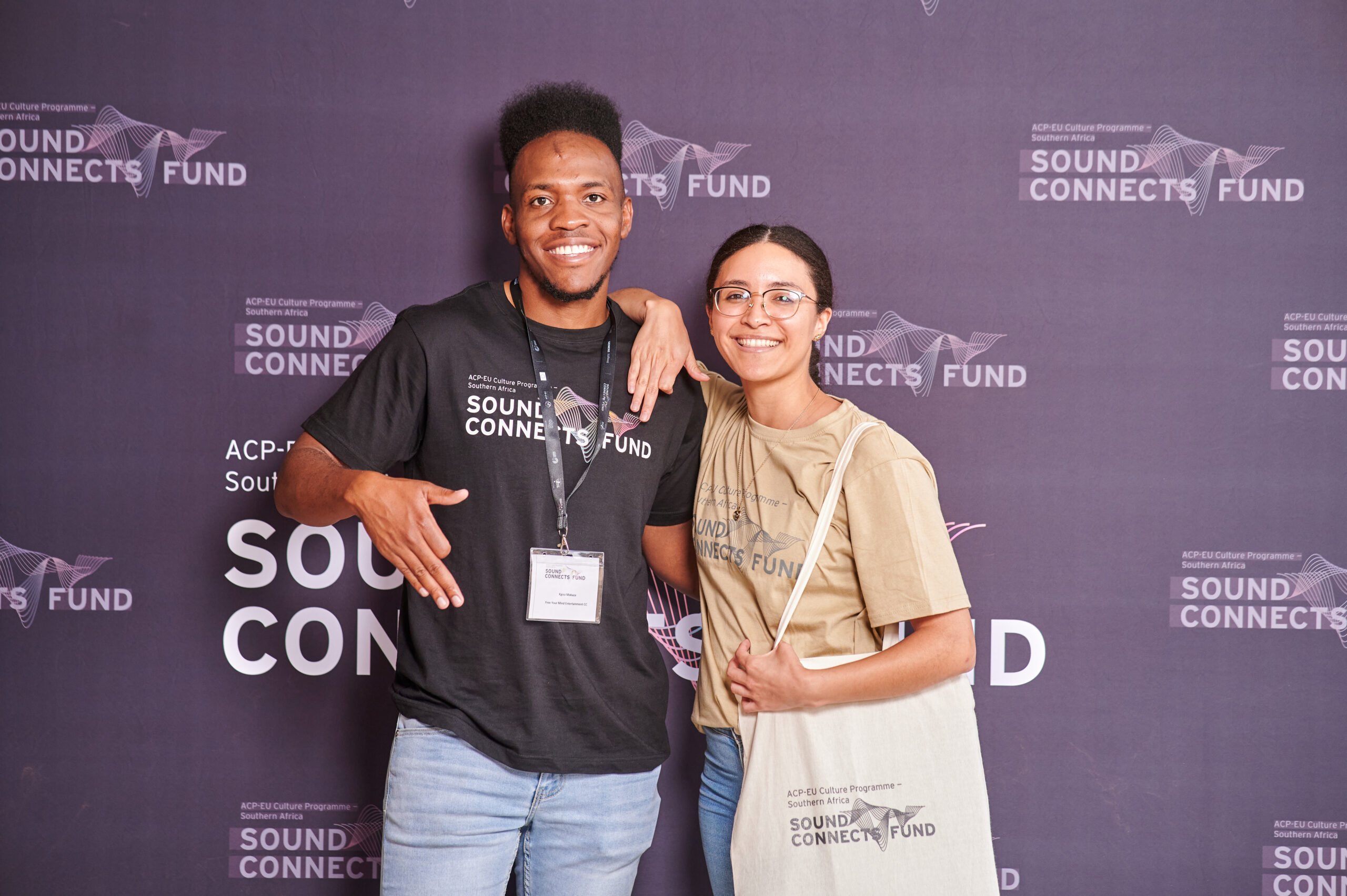
For cultural and creative practitioners and organisations operating in southern Africa, access to funding remains a major challenge. The COVID-19 pandemic has also had a massive impact on government policy, spending and the economy in general, and has seen spending on culture being moved further down the list of priorities. Further, the cultural and creative industries repeatedly cite four main areas where investment is needed for growth, which are increased visibility, mobility including access to new markets, finance and support structures.

Instrument Building And Repair Project

Experience the Vibrations African Instruments Exhibition online in 3D

News

5 testaments to Grammy nominees Ladysmith Black Mambazo’s musical power

08 Dec 2016 - 11:21

cc-img flag-img

Isicathamiya pioneers Ladysmith Black Mambazo have received their seventh Grammy nomination during the 2017 Grammy announcement on 7 December. This year, the field is led by Beyonce Knowles but on the Southern tip of Africa, Ladysmith Black Mambazo reign supreme as Grammy darlings consistently flying the flag for indigenous music.
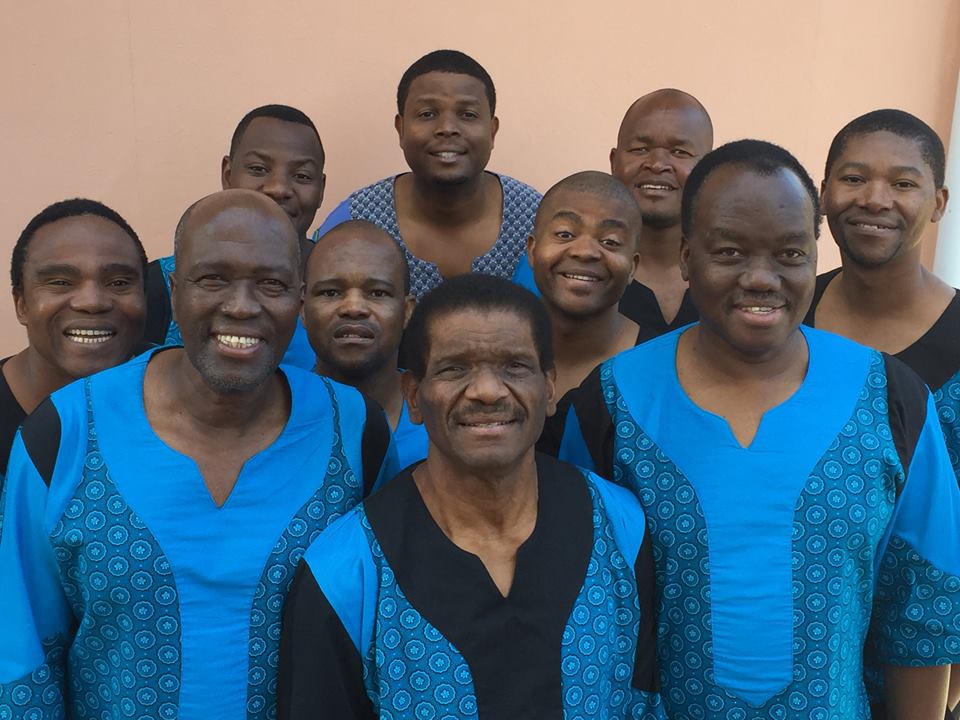
Ladysmith Black Mambazo are walking in the footsteps of their fathers with a seventh Grammy nomination.

Isicathamiya pioneers Ladysmith Black Mambazo have received their seventh Grammy nomination during the 2017 Grammy announcement on 7 December. This year, the field is led by Beyonce Knowles but on the Southern tip of Africa, Ladysmith Black Mambazo reign supreme as Grammy darlings consistently flying the flag for indigenous music.

The platinum stars received their first nomination in 1988 and haven’t slowed down with a total of four Grammy wins and three nominations. This year, two years after their last nomination, the choral singers were nominated for their album, Music from Inala in the Best World Music category.

Here are five testaments to the group’s staying power in the evolving music scene.

1. Ladysmith Black Mambazo had a solid debut with the Grammy Awards Academy

It is very difficult to talk about Ladysmith Black Mambazo without mentioning Paul Simon’s legendary album Graceland, which won a Grammy for Album of the Year in 1987. This introduction to the Grammy family helped catapult the Paul Simon’s collaborators onto the international playing field. Ladysmith Black Mambazo have since gone from strength to strength on their own.

2. Ladysmith Black Mambazo is a successful family business

When Ladysmith Black Mambazo was formed, the members of the group comprised of relatives (mostly brothers and cousins) of founder Joseph Shabalala, with many having sung with him while he was growing up on the farm where he was born. Shabalala has since retired from the group but his sons and nephews still make up a big contingent in the group. Together with the other members, they have created a long lasting musical legacy which has earned them a lot of respect in the industry and financial rewards.

3. The Ladysmith Black Mambazo name is a pop culture reference

Nothing cements a group’s influence on pop culture than a movie reference. Ladysmith Black Mambazo got the honours in Hollywood teen comedy Mean Girls written and directed by 30 Rock star Tina Fey.

4. Their MTV MAMAs performance in 2014 proves they’re always relevant

While Ladysmith Black Mambazo caters to a diverse audience around the world, their performances on African soil always leave an indelible mark on local audiences. In 2014, the group gave a remarkable performance at the MTV Base Awards remixing popular South African songs like DJ Ganyani’s radio hit Shigubhu. The crowd roars were proof enough of how good it was.

5. Music from Inala sees Ladysmith Black Mambazo working across disciplines

The choral group’s latest collaboration, which recently earned them a Grammy nomination was with Rambert Dance Company director Mark Baldwin. They have created a “Zulu ballet” together with the composer Ella Spira, Royal Ballet dancer Pietra Mello-Pittman and some of the most talented dancers from the Royal Ballet, . It premiered at the Edinburgh International Festival.

Please log in to post a comment.

Most popular

Disclaimer: Music In Africa provides a platform for musicians and contributors to embed music and videos solely for promotional purposes. If any track or video embedded on this platform violates any copyrights please inform us immediately and we will take it down. Please read our Terms of Use for more.

newsletter banner

Subscribe to our monthly Newsletter

Follow us on social media