

























































ACCES 2023 interview: Nigerian music and tech executive Ugo Akachukwu

09 Nov 2023 - 08:27


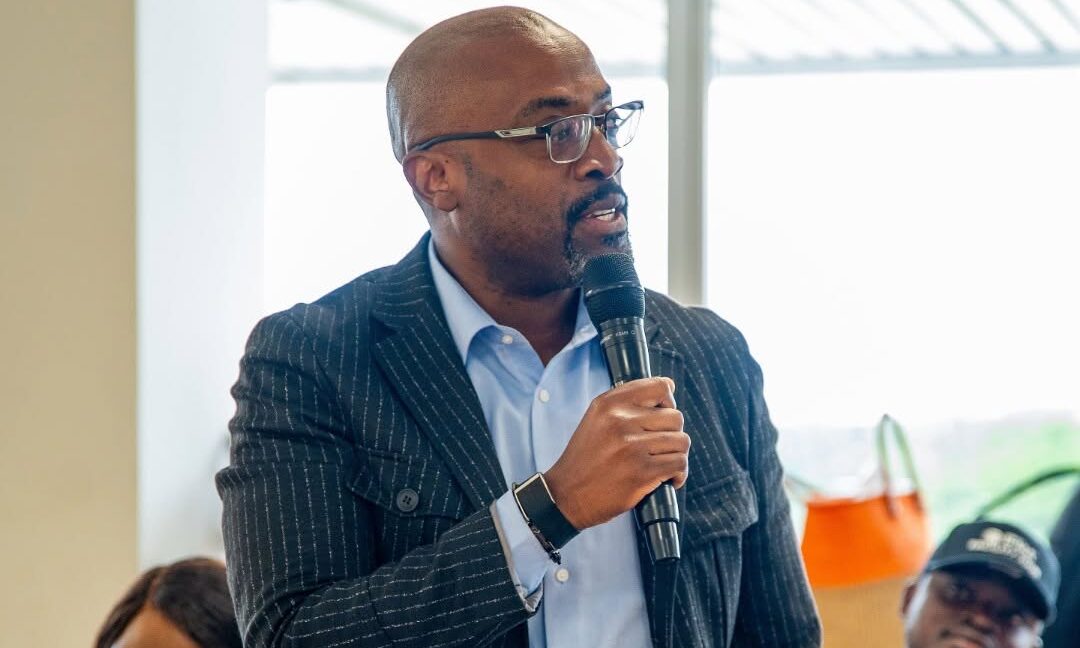
ACCES 2023 speaker Ugo Akachukwu’s work typically places him at the nexus of art and technology.
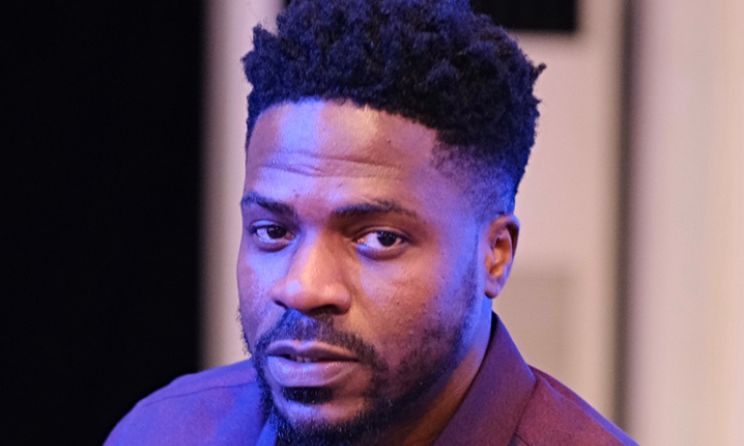
A Nigerian computer scientist and music executive, he is credited with co-founding FreeMe Music, Nigeria’s pioneering digital distribution company, serving in roles like head of distribution, A&R and label services.
His stint at Sony Music West Africa contributed to deals that brought artists like Davido and Wizkid to prominence. He is also behind Label Dots Music, representing Afrobeats artists, and has consulted for label and artist services companies across Africa.
As a tech founder and blockchain developer, Akachukwu champions finance decentralisation and is building SaveFi Tech, a smart contract-powered fintech product.
In an interview with Music In Africa ahead of ACCES 2023 slated for Dar es Salaam, Tanzania, on 9, 10, and 11 November, Akachukwu delves into a myriad of topics, including how the fusion of music and technology is reshaping the industry, and the potential for creators and tech innovators to redefine the space.
MUSIC IN AFRICA: Let’s start by discussing your role in the music industry and your strategies in artist development and A&R.
UGU AKACHUKWU: Indeed, artist development and A&R go hand in hand. Building relationships is essential in this industry. There are no enemies, everyone can be a potential collaborator. A&R involves understanding where the industry is headed and how you can contribute to it. To be effective in A&R, you need to know various aspects of the music industry, from content aggregation to legal and distribution. Negotiations can be lengthy but are necessary to secure deals for artists.
You have a background in computer science and are involved in tech ventures like SaveFi Tech. How do you see technology reshaping the music industry in Africa?
SaveFi is a blockchain product aimed at bringing financial freedom to African youth. The platform allows artists to convert their earnings into cryptocurrency and earn passive income, providing them with financial liquidity. Technology is transforming the music industry by reducing the need for middlemen and artists will have more control over their work and income. Blockchain technology and NFTs (digital collectables) will play a significant role in reshaping the landscape, allowing artists to generate income directly from their fans.
Can you tell us more about your company, Label Dots Music?
Label Dots Music is a dynamic label services company that aims to empower independent artists and creatives without the need for them to sign with a traditional record label. We recognised the evolving needs of artists in a rapidly changing music industry and set out to provide the resources and expertise typically associated with a record label but without the constraints.
Our services cover every aspect of an artist’s journey. From the moment they step into the recording studio, we offer assistance with producers, sound selection and recording to ensure the highest quality music production. We take care of distribution, marketing, branding, and networking within the music industry. Additionally, we provide financial advances, handle licensing and manage publishing to streamline the artist’s career.
What sets Label Dots Music apart is our official partnership with EMPIRE, a major player in the music distribution and publishing sector. Our collaboration with EMPIRE focuses on serving as A&R partners for their publishing side in Nigeria. This partnership has enabled us to secure deals for talented producers like Niphkeys and KukBeatz.
What are the biggest challenges you’ve faced in your work in the music and tech industry in Nigeria?
The Nigerian music and tech industry is a vibrant and exciting space, but it does come with its share of challenges. One of the most significant hurdles is the interaction with the government and the absence of forward-thinking leadership. Unfortunately, government officials often prioritise personal gain over innovation and value for the people. This lack of forward thinking can impede progress within the industry.
Regulatory frameworks in Nigeria are another challenge. The absence of a well-defined and supportive regulatory environment makes it difficult to develop the tech solutions required to advance the industry. Education is a crucial concern as well as there isn’t sufficient investment in the education system. This limits the pool of available talent and makes finding the right people to collaborate with a struggle. Moreover, the state of the Nigerian economy presents a challenge because many individuals are primarily focused on day-to-day survival, making it challenging to sell products or invest in tech solutions.
Are there any opportunities in Nigeria’s unique environment that you’ve been able to leverage in your work?
Despite the challenges, Nigeria’s unique environment offers significant opportunities for those willing to navigate it. One of the most significant advantages is the country’s large and diverse population, making it an attractive market for investors. The digital economy is on the rise, and with the advancement of technologies like blockchain and AI, there’s immense potential for creators and content producers to gain more control over their work and monetise it.
This includes the exciting possibility of monetising social media content, an avenue that is becoming increasingly viable. Furthermore, the removal of middlemen in music distribution is on the horizon, offering opportunities for businesses like Label Dots Music to assist artists and connect them with the right resources. I feel like the music industry is now a tech industry
How do you see the intersection of music and technology evolving in Africa, and what opportunities does it hold for the continent?
The future looks promising for the collaboration between music and technology in Africa. The continent is on an upward trajectory, and it’s increasingly gaining the attention of international investors and innovators. Africa is often referred to as a third-world region, but there’s a growing interest from Western entities to set up shop or leverage the potential that the continent offers.
A key force driving this interest is Africa’s large and youthful population. The digital economy is thriving, and as technologies like blockchain and AI advance, creators and content producers are poised to have more control over their work. This includes the potential to monetise social media content, a growing trend in the region. As more people gain access to the internet, competition among service providers is likely to drive down costs. The key is to focus on the direction Africa is heading. As internet quality improves and costs decrease, the digital economy will enable more young people to become self-employed by creating and distributing content.
How can these changes support emerging talent and contribute to sustainable growth in the music industry?
The evolving music and tech landscape provides substantial support to emerging talent and contributes to the sustainable growth of the industry. The rise of the digital economy means that more young people can use digital platforms to showcase their talents and build careers without the need for traditional gatekeepers. Emerging artists should capitalise on this by consistently putting themselves out there. They can use platforms like Instagram for live sessions, interact with fans, and regularly share their work. Artists should invest in creating a strong online presence, including well-maintained profiles on streaming services and social media. Utilising newsletter updates and email communications can help them stay connected with their fans and offer a unique connection.
Additionally, the affordability and accessibility of technology enable artists to produce high-quality music in their own homes, reducing the need for expensive studio time. They can collaborate with producers, engineers, and even fans from around the world. This not only cuts costs but also accelerates the creative process. The digital landscape also offers opportunities for artists to monetise their content through avenues like NFTs. Fans can invest in an artist’s music and have a stake in their success, fostering greater support and engagement. With the right strategies, emerging talent can thrive and achieve sustainable growth in this evolving industry.
How do you see music distribution and streaming evolving, and what improvements can be made in the industry?
Music distribution and streaming have come a long way, but there is still room for improvement. One area that needs attention is artist compensation. The major streaming platforms should work to ensure fair compensation for artists, as the current rates often don’t adequately reflect the value their music brings to these platforms. While streaming offers accessibility, it needs to better support the creators behind the music.
Another area where innovation is happening is blockchain technology. This can revolutionise the way music is distributed and consumed. Blockchain allows artists to tokenise their music and sell it as digital collectibles (NFTs). These NFTs can provide fans with ownership stakes in the music and a share of streaming revenue, creating a new way for artists to connect with their supporters.
Furthermore, streaming platforms can enhance the artist-fan relationship. They should create more channels for artists to interact with their fans, such as live Q&A sessions or direct communication. This fosters a stronger connection between artists and their audiences.
In terms of distribution, distributors need to invest in label services and support artists beyond simply distributing their music. They should provide infrastructure like studios, marketing teams, and resources for artists to grow their careers. This value addition can help artists succeed in a competitive industry.
What upcoming tech trends or innovations do you think will significantly impact the music industry, and how can industry players prepare for them?
One of the significant upcoming tech trends with a potential impact on the music industry is blockchain technology. Additionally, artists and industry players should focus on expanding their digital presence and online engagement. As streaming and digital platforms continue to shape the industry, it’s essential to be active on social media, interact with fans, and keep an eye on emerging platforms that can enhance the fan-artist relationship.


Most popular

Top Naija songs of 2026
31 Mar 2026

Top Afrobeats songs of 2026
19 Mar 2026

Top amapiano songs of 2026
16 Feb 2026
Open call: CANEX Music Business Lab and Songwriting Camp
15 Oct 2026
Open call: National Arts Festival artistic director in SA
15 Oct 2026
Ghana: Mr Eazi and MOLIY’s ‘Comfort’ earns Urban Music Awards nomination
21 Oct 2026
Disclaimer: Music In Africa provides a platform for musicians and contributors to embed music and videos solely for promotional purposes. If any track or video embedded on this platform violates any copyrights please inform us immediately and we will take it down. Please read our Terms of Use for more.

Subscribe to our monthly Newsletter
Follow us on social media


Please log in to post a comment.