



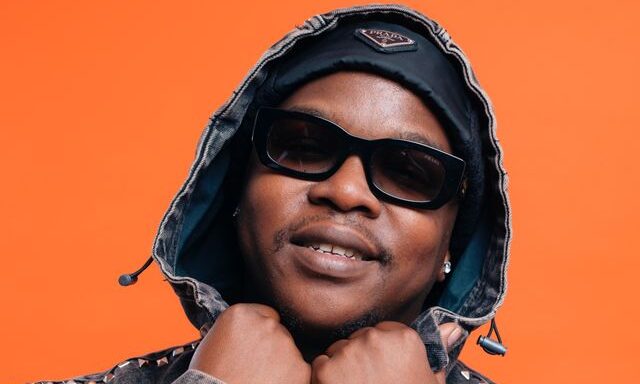

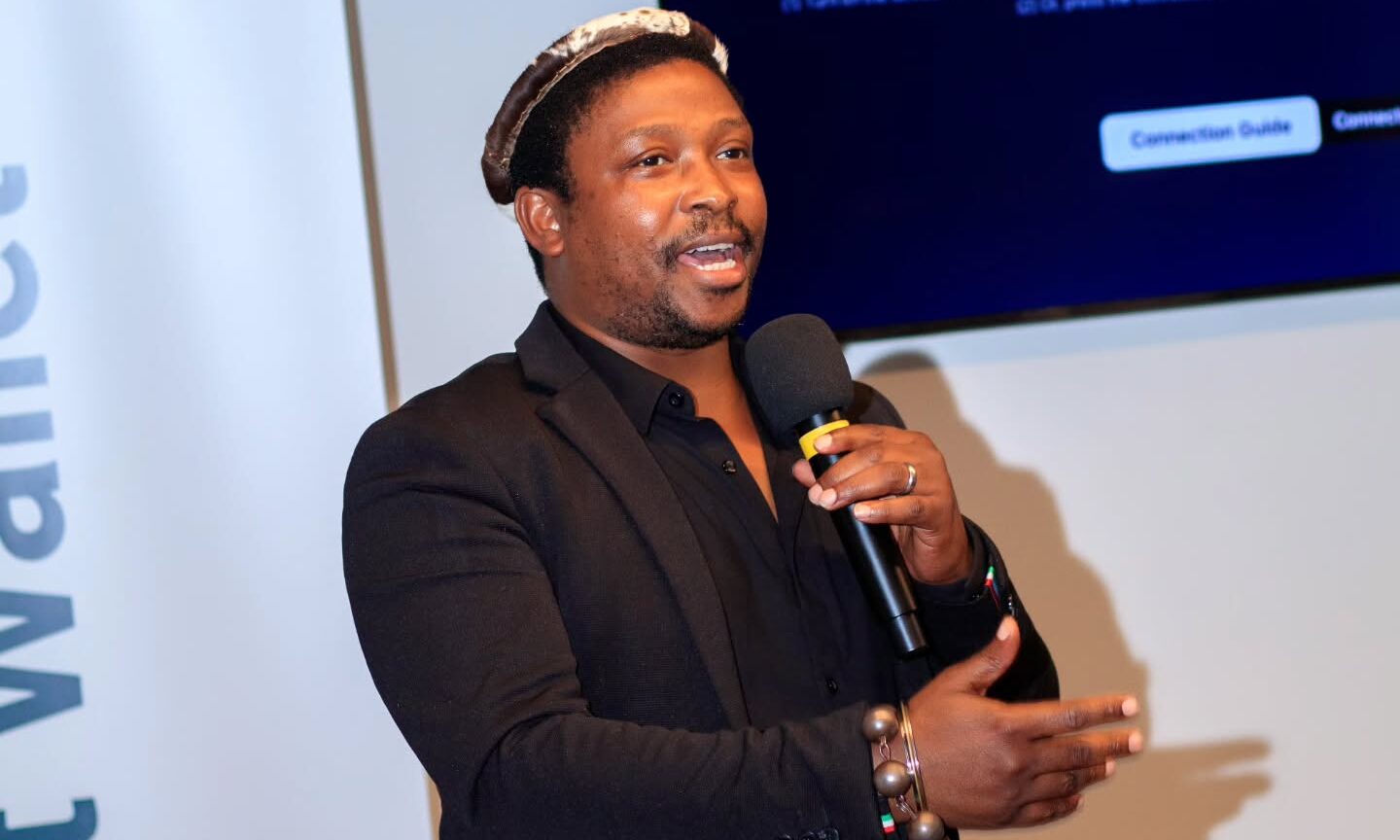



















































South African rapper Siya Metane, popularly known as Slikour, has seen success as both a music maker and media and music entrepreneur. His popular digital platform SlikourOnLife is now a household name in South Africa and beyond, and he’s even published a memoir titled Slikour: The Life Story of a Hip-Hop Pioneer.
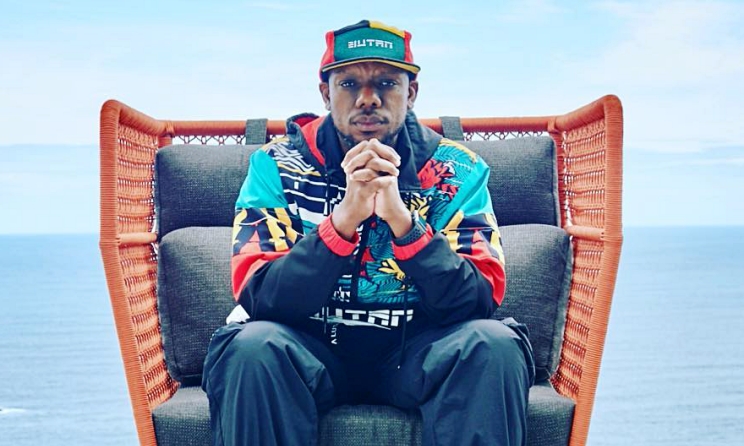
The former Skwatta Kamp member recently launched the United States of Creatives platform to help African creatives monetise their works through tailored music distribution and fintech products like SOL Distro and SOL Wallet.
Slikour will join the speaker line-up at the ACCES 2023 music conference in Dar es Salaam, Tanzania, on 9, 10 and 11 November, where he will deliver a keynote about his latest work and future plans on Saturday 11 November at 1.45pm. His talk is poised to educate delegates about the e-commerce space in the African music industry and share ideas about what needs to happen to improve revenues for local creators. Register here for free to see Slikour speak. View the full ACCES 2023 programme here.
With the music trade show just around the corner, we caught up to Slikour about what he’s been working on lately:
MUSIC IN AFRICA: What is SOL Distro all about and what distinguishes it from other music distribution services?
SIYA METANE: The best thing for us is the DYI environment out there. We have people who we could actually engage with. The music distribution industry is just so encrypted that artists get their music on the streaming platforms and they don’t know how to receive payments. Payment gateways aren’t locally based and even if they’re able to see whether they’re making money or not, they don’t have anybody to talk to and ask about the reasons their revenue is growing or not. There’s such a huge dependency on tech, human engagement, and knowledge and information sharing. Obviously, when I talk about the South African music industry, it’s like a billion rand streaming business. And for guys not to know what’s happening with their revenues, it means that there is a need to intervene. So I don’t think it’s about how different you are but about addressing a need for many artists. If they don’t know the problem, they won’t think they need a solution.
Is the service only operational in South Africa at the moment?
It’s everywhere. We are able to send payments to you and soon we’ll have our own virtual card where we pay you royalties into our fintech platform and you can withdraw them and put them into your virtual card. Then, for the rest of Africa, we have plans to integrate with mobile services so that people can move the money from our platform and send it through to their M-Pesa account or any other account. This is the intention for the rest of Africa and solving the card and mobile payments situation for music. I think this makes us unique.
In comparison to other financial management platforms, how secure is SOL Wallet and what sets it apart from other financial tools?
The security has been built in a way where we’re using Amazon services for security. We are in talks with card companies to bolster the security further once we get into the virtual card business and physical cards as well. What sets us apart is that there’s no bank that’s built for creatives and there’s no financial institution that’s built for people who love supporting creatives. When you get onto the platform, it’s like any fintech platform, but our intention is to support the creative environment, to help creatives consolidate all the payments in one place. Eventually, you’ll be able to not only receive your royalties but sell merchandise, digital products and tickets – and you’ll be able to consolidate all your revenue on one platform. This platform is for artists who see themselves as a music business, and we’re encouraging artists to think of themselves as music businesses. We help you with distribution and you get paid through us. We are in talks with banks to monitor revenues that creatives are making and then consider integrating them into the financial system. In fact, you’ll probably be borrowing via our system through partnerships that we’ve built with them. So that’s really the vision and the conversations are being held at this very moment.
There is a clear technological lag in most African countries. Are you confident that SOL Wallet will help technophobes among users, and what are you doing to make the service easier for users to employ?
What you need to do is look at the market share of people who are consuming tickets to an event digitally. Look at the market share of people who are buying merchandise online or who would buy merchandise online if it was available. Essentially, there is a business case, because there are statistics that show that there are people who are doing that. When it comes to the rest of Africa, we still have to serve the audience that actually is ready for this, and we can’t wait. The audience that is ready is going to encourage the people who aren’t ready to say, ‘Hey, maybe this is the way that we need to go.’ We don’t mind being the leaders of this type of thinking. Is the whole of Africa technologically advanced? They are not. But do we want to be led by somebody else or do we want to lead? It’s just about being proactive. When you think about Africans across the border, we are the guys who are – whether you talk amapiano and Afro-soul – actually creating content, we create these dance moves, we create these ideas. We’re not Hollywood but Africa influences so much with their creativity, but they don’t have the facilitation technology to make revenue from it. The biggest artists can go and perform wherever they like, but the technology that is enabling them is not owned by us, and neither is the banking system.
Do you think African businesses can overtake multinationals in the near future?
If we don’t start we’ll never know and this is why we started. To be honest, I’m not interested in the global companies and what they do. Like now, we still have the idea of, ‘I’m not sure because it’s not being sold by a European person, an Asian person.’ So as an African consumer, you still want to find comfort in European or Asian or Western thinking and that’s you as a consumer. So, the consumer is also driving the progression of the African innovator. That question comes back to the African consumer: is the African consumer ready to advance the African innovator, or the African innovator who has built things in the context of the community that the consumer lives in? I build my platform because I work in music, I distribute for artists, I pay them royalties and they get hit by bank charges. So I needed to create a system that minimises bank charges. Beyond that, I needed to create a system where they can sell merchandise and digital products, and integrate a system where they can go to a bank and say, ‘This is what I’m worth.’ Why am I building this? Because I am so close to it and I know the challenges of being an artist. I have the empathy for that, versus me saying that I’m selling you a licensed product that does all these things. I never saw an American gap, I saw an African opportunity and I’m trying to fix the South African issue. So the question is, are Africans ready to solve their own issues? Innovators can go far but are Africans ready to go with the innovators?’
How important is ACCES and what are you looking forward to ahead of this year’s edition?
ACCES literally brings individuals in the physical to engage and build, and that’s the power of music – that we all have the time to go out and fly the ACCES flag because it’s close to something that we all have a commonality to, which is passion for music. Music doesn’t care where you’re from, what race you are, and I think it’s not ACCES that’s bringing us together, it’s music.
Learn more about Sol Distro here.


Most popular
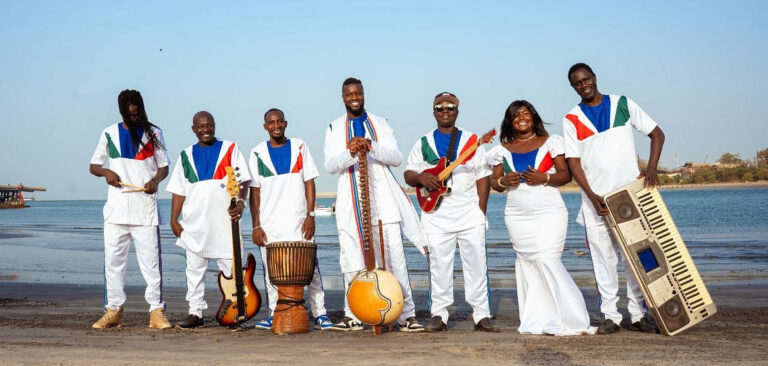
Gambia: Suntou Susso announce UK tour for ‘The Path of a Griot’
09 Oct 2026

Top amapiano songs of 2026
16 Feb 2026
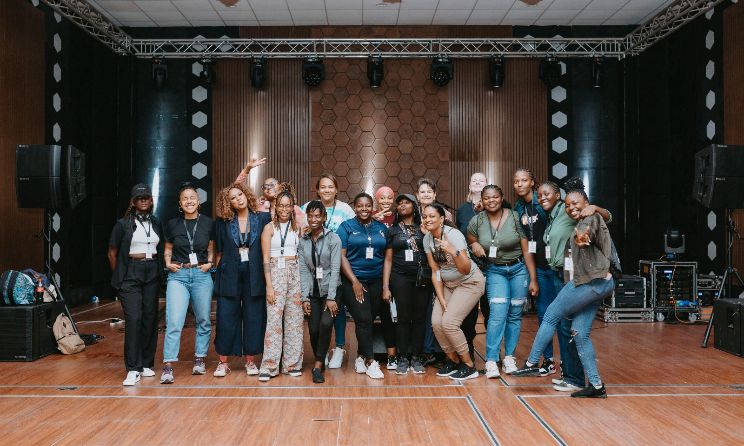
Open call: 2026 Gender@Work music industry training in Johannesburg
09 Oct 2026

Top Afrobeats songs of 2026
19 Mar 2026
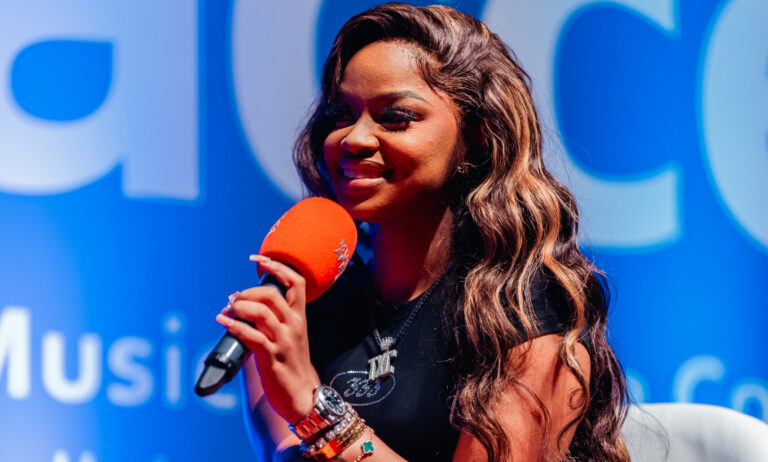
Call for applications: ACCES 2026 Emerging Artist Spotlight Competition
01 Oct 2026

Top Naija songs of 2026
31 Mar 2026
Disclaimer: Music In Africa provides a platform for musicians and contributors to embed music and videos solely for promotional purposes. If any track or video embedded on this platform violates any copyrights please inform us immediately and we will take it down. Please read our Terms of Use for more.

Subscribe to our monthly Newsletter
Follow us on social media


Please log in to post a comment.