







































NEFCISA
NEFCISA

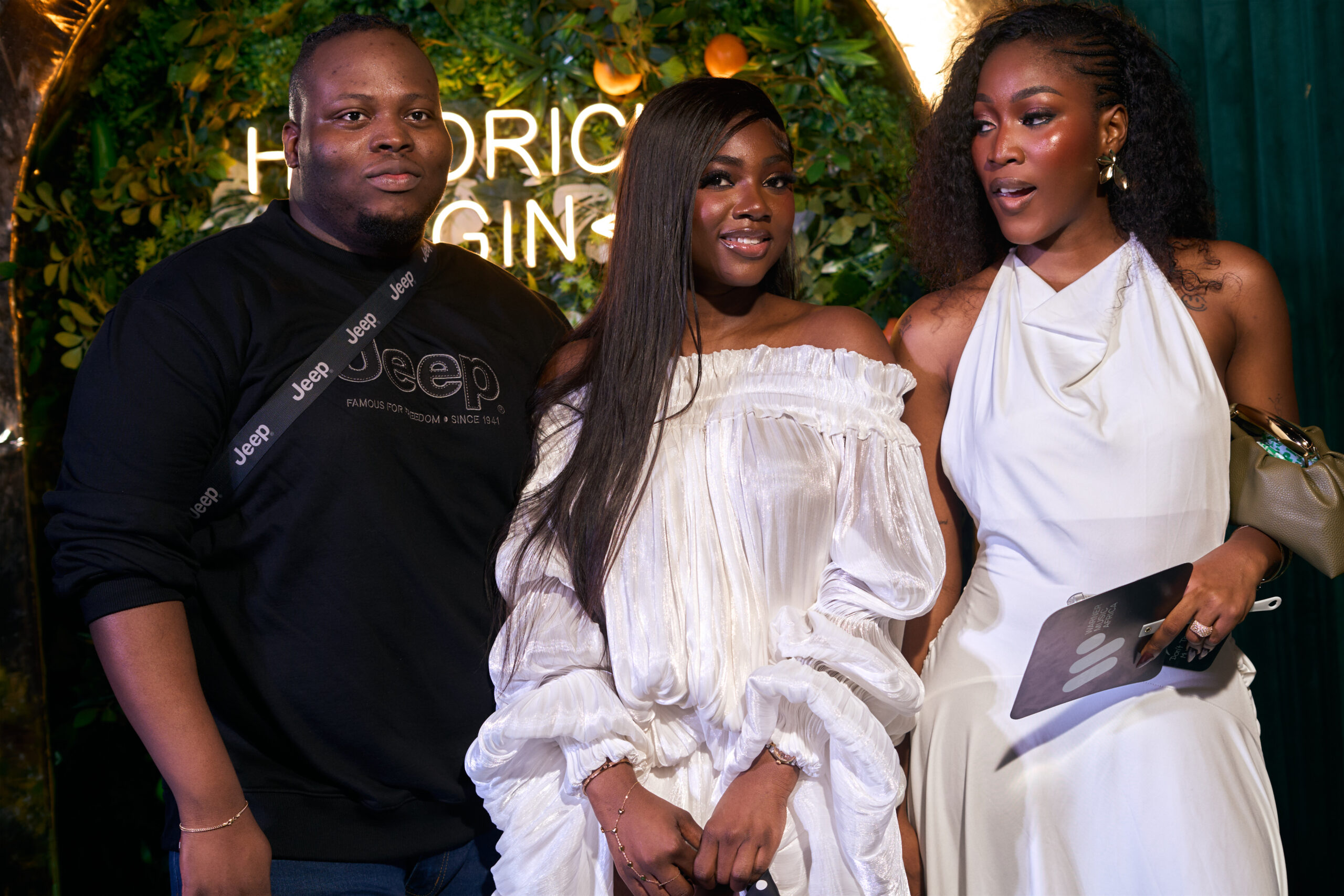
The Music In Africa Foundation (MIAF) is proud of its partnership with the Industrial Development Corporation (IDC) as a Strategic Implementing Partner (SIP) for its Social Employment Fund (SEF). Through this collaboration, MIAF is running a national programme that is creating jobs, addressing skills gaps, and strengthening South Africa's creative industries — in line with the SEF's overarching goal to generate work for the common good and build community value through employment, social contribution, and inclusive economic participation. Operating under the banner NEFCISA (National Employment Facility for Creative Industries in South Africa), the initiative is recruiting and training participants, matching them with host organisations, and has already placed 1 500 workers across the country — surpassing its original target of 1 000. NEFCISA is delivered through a network of 20 host organisations spanning five provinces, who are actively hosting participants and contributing to work for the common good across South Africa's creative and cultural industries. Key Objectives: Support employment and entrepreneurship in the creative industries. Offer skills development and training programmes. Foster partnerships between public and private creative sectors. Promote South African creativity at both provincial and national levels Foster community development through social contribution.

ACCES
ACCES

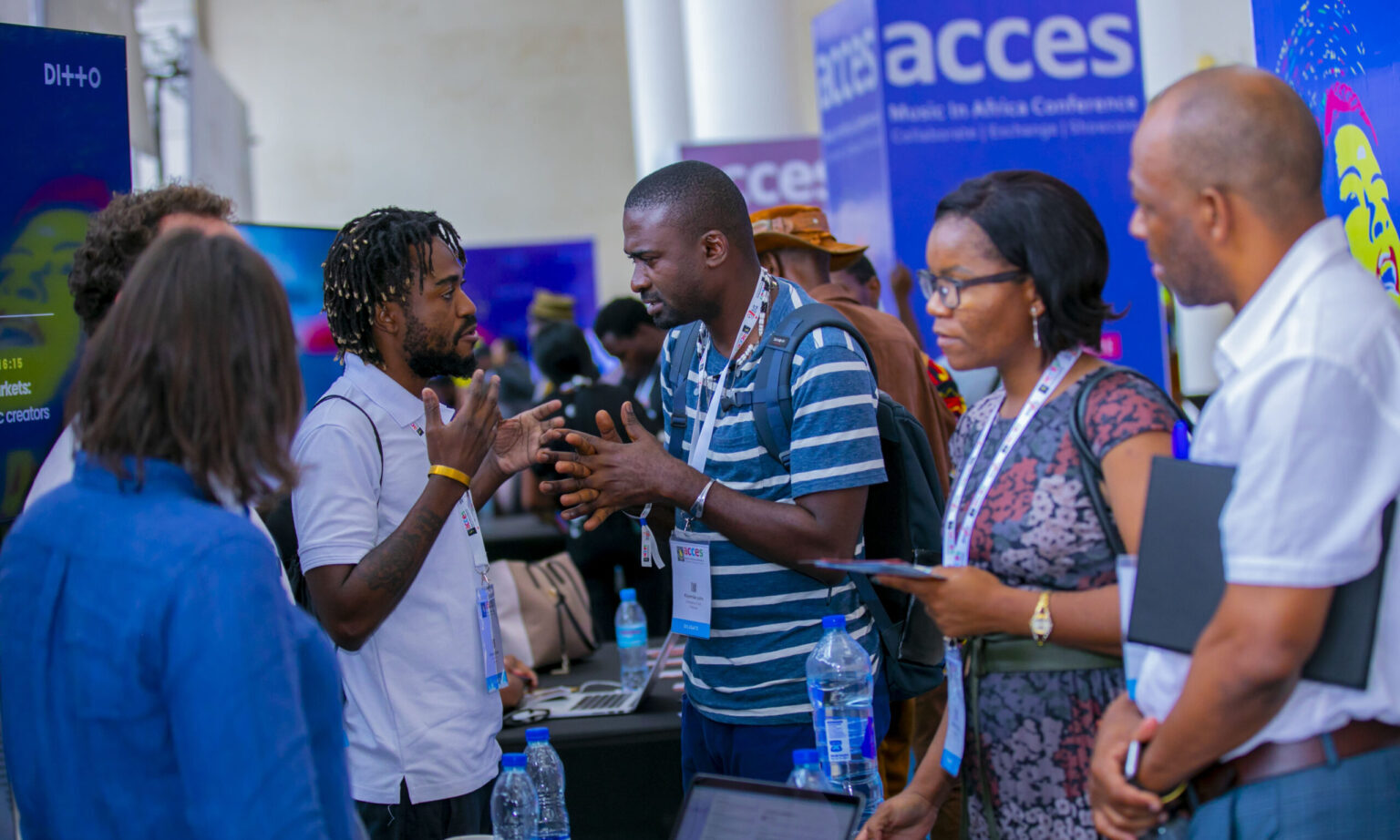
ACCES Conference and Showcase Festival is Africa's leading music industry gathering, bringing together the people shaping the future of the continent's music business. Artists, entrepreneurs, executives, investors, policymakers and cultural leaders from across Africa and around the world come to ACCES to build partnerships, exchange ideas, discover talent and create new business opportunities. Since its launch in 2017, ACCES has become the continent's premier platform for professional exchange and music market development. Combining a high-level conference with a curated showcase festival, networking, exhibitions and industry programmes, ACCES offers a unique space where creativity meets business and where African music connects with the global industry.

Gender@Work
Gender@Work

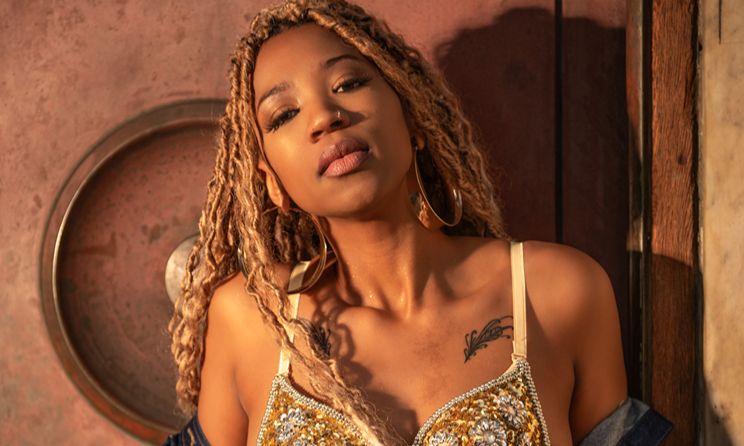
Music In Africa Gender @ Work is a three-year training programme aimed at upskilling and increasing the participation of female professionals in the African music sector. Launched by the Music In Africa Foundation (MIAF) in April 2019, the programme is connected to the MIAF’s ACCES music conference – a pan-African event held in a different African country every year. This connection enables the programme to reach new participants in a different African country every year. The programme marks the beginning of a more concerted effort by the Foundation to support the participation and inclusion of women in all facets of its programmes and the music sector in Africa as a whole. Over the three years, the programme will aim to address gender imbalances in the sector through training, lobbying, facilitating knowledge exchange and dialogues that foster the interest of women. The broader objectives of the programme are to: Provide industry training for women on critical music industry skills, focusing on: Stage management Electronic music production and recording Music business management Technical knowledge Provide an opportunity for both professional and aspiring women to benefit from the Music In Africa network and its broad range of activities in 2019, 2020 and 2021. Provide a solution-based platform in the form of a round table at ACCES with a view to identify challenges, discuss opportunities and lobby for the interests of female practitioners. Offer participants the opportunity to benefit from programmes offered by MIAF’s partners. Increase access to educational materials. Integrate participants in the broader ACCES programme to maximise experience and exposure to the industry. Record and present training materials on the www.musicinafrica.net, including but not limited to tutorials, templates and other best-practice materials. Communicate women-based themes that support the initiatives and messages of the programme. MAIN TRAINING ACTIVITIES Training in first country (Ghana): In the first year, participants will be trained on all aspects of stage management by a team of experienced stage managers from 10 to 17 November 2019. The programme will offer robust classroom training as well as practical, hands-on training in which participants will also be given the opportunity to manage various aspects of the ACCES performance programme. Training in second country: The second training iteration will take place at ACCES 2020 when the programme will diversify its course to include music production lessons and training on other music business topics. A round-table platform will also be introduced to coincide with the ACCES programme. Training in third country: The third training iteration will take place at ACCES 2021 in a different country, offering an advanced course. HOW DO YOU GET INVOLVED?  As a participant, facilitator or trainer: The programme enrolls up to 12 trainees every year. All opportunities are advertised publicly on this website, and will be added to this page. Please keep checking this page for new calls (below under UPDATES & CURRENT OPPORTUNITIES). As a partner Please contact Claire Metais at [email protected]. APPLY The call for applications for 2020 will be announced soon. The Music In Africa Gender @ Work programme is made possible with the support of the Prince Claus Fund, Siemens Stiftung and Goethe-Institut.

Sound Connects Fund
Sound Connects Fund

For cultural and creative practitioners and organisations operating in southern Africa, access to funding remains a major challenge. The COVID-19 pandemic has also had a massive impact on government policy, spending and the economy in general, and has seen spending on culture being moved further down the list of priorities. Further, the cultural and creative industries repeatedly cite four main areas where investment is needed for growth, which are increased visibility, mobility including access to new markets, finance and support structures.

Instrument Building And Repair Project

Experience the Vibrations African Instruments Exhibition online in 3D

Reviews

Adekunle Gold – Gold

19 May 2017 - 09:43

cc-img flag-img

Artist: Adekunle Gold
Album: Gold
Label, Year: YBNL Nation, 2016
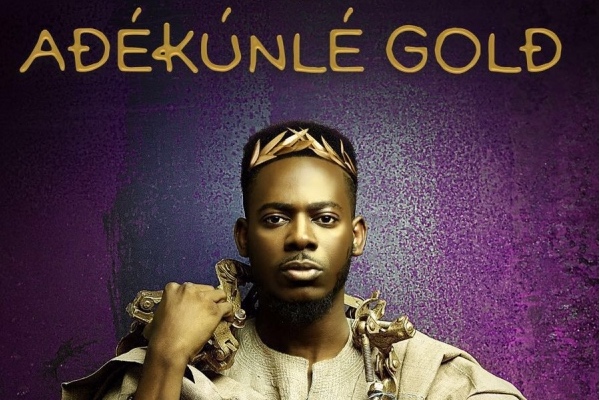
Adekunle Gold. Source: 36ng.com.ng

Adekunle Gold’s music is the alternative version of a genre that hasn’t been mainstream in two decades.

His voice and language are reminiscent of 9ice, the hip hop artist who took Yoruba—not the easily digestible version of the streets of Lagos, but a concentrated version of the language from his roots in Oyo State—and layered it onto danceable beats of Nigerian hip hop. 9ice’s Yoruba is denser than Adekunle Gold's, yet on his eponymous album, Gold, he manages to sound like his music is from an older time.

‘Sade’, a cover of One Direction’s ‘Story of my Life’, was Adekunle Gold's ticket to the Nigerian music scene. Two years after its release, on Gold, he retains that wide-eyed, near-naïve view of love that is the bread and butter of boy bands. In ‘Fight for You’ he is the knight in shining armour, eager to defend a lady abused by her lover. In ‘Nurse Alabere’, he’s a jilted lover asking for a nurse to come treat him because he’s sick because of love. Not for a moment does he even allude to the eroticism usually attached to nurses in popular culture; all he wants is her injection to cure a mania induced by lovesickness.

He takes phrases that are supposed to be tongue in cheek and makes them sentimental. In ‘Paradise’, “Ibi ni ma kusi,” a sentence that originates from the sound Super Mario makes in the first stage as the diminutive plumber approaches home, is used as “This is where I’ll die; I’m not going home,” subverting the joke that all young gamers who spoke Yoruba knew was supposed to taunt you while playing the ubiquitous 8-bit game. You will die here and exit the game. Adekunle, instead, plays no games. He has found love in his woman. He has found paradise. His persona is cloying, teeth-setting sweet, going against the braggadocious origins of his voice.

In 'Orente' he asks the world to praise his lover for sticking with him through thorny times, and in ‘No Forget’ he asks his lover to stay for him as he departs in search of wealth to remedy the rejection received from her mother on account of his poverty. Here he features Simi in a move that begs to be read autobiographically. Simi, after all, used to blog about her mother and Adekunle became popular by photoshopping himself to pictures of stars like Tiwa Savage. Did the impostor meet the mother before becoming a star? They are coy about their relationship so fans are left with speculations.

Born Adekunle Kosoko, Adekunle Gold explains the origins of his moniker on the album's intro: “2008, I wanted a name. I spoke to God, he took me to church. He said son you are golden. There’s nothing better, better than gold.” While the origins of his name are divine, his sound has a more terrestrial source.

He has chosen highlife as base material for his experiments, and then went back in time, and out into the world, adding various styles to that base, his voice working as blending agent. That grainy Yoruba-accented voice of fuji crooners rises above drums and brass of highlife on ‘My Life’, or the strings and piano of soul on ‘Nurse Alabere’. He even adds some South-Asian flavour to it in ‘Ariwo Ko’.

Kola Ogunkoya’s work makes a minor appearance on ‘Friend Zone’, a song where Adekunle Gold sings, “Pemi L’oruko, ko fa mi n’irumu,” borrowing from the former's admonition in ‘Sweetie Baby’ that a reluctant lover call him by name and toy with his moustache and beard. Ogunkoya called his music Afro-Gbedu, performing a combination of Afrobeat and Gbedu, a word which originally described a Yoruba drum but has now become synonymous with good dance music.

Adekunle Gold is the typical Nigerian on his debut album. His desires are simple: he wants to fall in love; he wants to be rich. “Oluwa answer my call, emi naa fera Range o,” he sings on ‘Pick Up’, asking God to grant him the ability to buy a Range Rover, to be wealthy like Dangote and Otedola, billionaire Nigerian entrepreneurs. He desires these things with the cheerful optimism of someone who has found some secret sauce for hope in a country that is wont to drive its inhabitants to cynicism. And it seems Adekunle found at least one of his desires before he was done writing the album.

“Mo n yan fanda niwaju elgan” he sings in ‘My Life’, claiming to strut in front of his detractors like King Sunny Ade does on ‘Merciful God’ (Sunny says "apegan"; Adekunle says "elegan"). He has found wealth, now he starts the process of detangling himself from the ubiquitous enemies. Here, as in ‘Pick Up’, juju takes centre stage: aspirational lyrics backed by the Christian God, a drum-heavy intro, electronic guitar riffs, a dance interlude, and a ready-for-party vibe.

Adekunle Gold’s inventiveness has been rewarded early, a rarity in Nigeria's music scene. But then, danceability always wins. His willingness to use juju and highlife makes him an instrument of nostalgia for a generation oblivious to what they long for. His 16-track album is a confirmation of what many may have suspected since the release of his early singles: that an industry plagued by copycats and bandwagoners has found gold in Adekunle Kosoko.


Please log in to post a comment.

Most popular

Disclaimer: Music In Africa provides a platform for musicians and contributors to embed music and videos solely for promotional purposes. If any track or video embedded on this platform violates any copyrights please inform us immediately and we will take it down. Please read our Terms of Use for more.

newsletter banner

Subscribe to our monthly Newsletter

Follow us on social media