




























































Africa Day playlist: Echoes from the motherland
25 May 2021 - 10:33


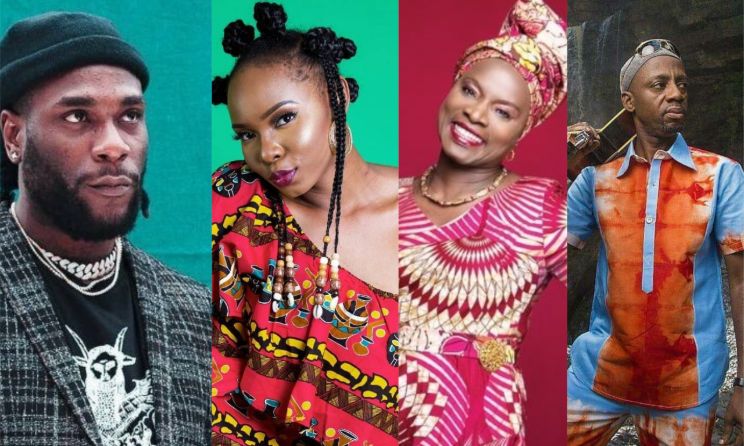
The story of Africa is best told by its artists. Behind classics that have documented the continent’s resilience, these creatives have provided essential components in the portrait of the continent as a cradle of rich heritage and unsurpassed beauty.
This year, celebrations for Africa Day – formerly known as African Freedom Day and African Liberation Day, and held in commemoration of the founding of the Organisation of African Unity on 25 May 1963 – are running under the theme Arts, Culture and Heritage: Levers for Building the Africa We Want, particularly to acknowledge the efforts of the artists and cultural contributors who have shaped the continent’s image over the decades.
“The music of Africa is a big sound. It’s the sound of a community,” Afrobeat founder Fela Kuti, who after his death in 1997 is still among the continent’s most important cultural ambassadors, once said.
Music In Africa’s 2021 Africa Day playlist, curated with the help of our regional editors and published in commemoration of this special day, draws from Fela’s enduring observation of the music from these parts. Enjoy!
‘Africa, One of A Kind’ by Angélique Kidjo ft. Salif Keïta and Mr Eazi
Released only days ago, ‘Africa, One of a Kind’ is Beninese diva Angélique Kidjo’s latest ode to Africa. Set to Afrobeats, the song which opens with the cult chorus of Salif Keïta’s hit ‘Africa’, also features Nigerian singer Mr Eazi.
‘A Luta Continua’ by Miriam Makeba
Miriam Makeba’s ‘A Luta Continua’ is a constant reminder of the liberation struggle. The Mozambique-inspired song is off Makeba’s 1989 Welela album. It was written by her daughter Bongi after she attended an independence ceremony of Mozambique in 1975. "A luta continua" is a Portuguese phrase that translates to the ‘struggle continues‘ and was used by the FRELIMO movement during Mozambique’s war for independence. In the song, Makeba also makes references to other countries such as Zimbabwe, Angola, Botswana, Zambia, Namibia and South Africa. Makeba’s anthem ends in a solemn prayer: “And to those who have given their lives. Praises to thee.”
‘Born in Africa’ by Philly Bongoley Lutaaya
‘Born in Africa’ is the title track of Philly Lutaaya’s 1986 album, which the Ugandan musician released after he relocated to Sweden. “I was born in Africa / Sing my song / Music Africana,” Lutaaya, who declares his love for the continent, sings. Lutaaya remains the most celebrated Ugandan musician. He was one of the first public figures in the country to reveal that he was HIV-positive. The year of the ‘Born in Africa’ release is significant in that it saw the coming into power of Yoweri Museveni. It also marked the end of the Ugandan Bush War. Lutaaya died in 1989 aged 37, and a year later, Canadian documentarian filmmaker John Zaritsky released the Born in Africa film about the musician’s life and music.
‘African Giant’ by Burna Boy
‘African Giant’ is the title track off Burna Boy’s Grammy-nominated 2019 LP. Produced by Kel-P and Benjamz, the number, bold and unhurried, hinges on a firm message: a new African has arisen, and he is no pushover. It is also with this mindset that the Afro-fusion singer, whose next album secured Grammy glory, seeks to assert into the modern African.
‘An African’ by Rex Omar
‘An African’ is a 2018 single by Ghanaian highlife veteran and pan- Africanist Rex Omar. Rendered in Afrobeat that evokes Fela Kuti, the track unfolds both in English and French, calling for a ”one Africa” and the abolishment of the artificial borders that separate African countries. It also charges Africans to shed stereotypes and perceptions that do not engender progress and harmony on the continent, such as the inferiority complex brought about by skin colour and a colonial mentality.
‘Africa’ by Yemi Alade ft. Sauti Sol
This 2016 single is taken off Yemi Alade’s sophomore studio album Mama Africa. The track, much like the rest of the album, celebrates the continent as a shining star in the world. It also reiterates that there's no place like Africa, which the Nigerian singer and her Kenyan guests fondly call home.
‘Under African Skies’ by Paul Simon ft. Miriam Makeba
This song is from Paul Simon’s 1986 Grammy-winning Graceland album, which features some of the greatest South African names in music. Featuring Miriam Makeba, ‘Under African Skies’ is a songs that reflects a fusion of styles between US folk and traditional African music. The video below is a live version performed during The African Concert in Harare, Zimbabwe, in 1987 – a seminal event in the history of live music on the continent and beyond.
‘Mama Africa’ by Kids United ft. Angélique Kidjo and Youssou N’Dour
To support children refugees in Chad, UNICEF initiated in 2017 a collaboration between the French collective Kids United and African stars Angélique Kidjo and Youssou N’Dour. The project, a cover of Kidjo’s hit ‘Mama Africa’, was shot on the historic island of Gorée in Senegal and celebrates the beautiful and life-giving Africa sun.
‘Ifrikya’ by Labess
On ‘Ifrikya’, the Quebec-based Algerian group Labess sings about the land that heals grieving hearts and souls. On the 2014 record, the group, which merges gypsy rumba, flamenco and traditional North African music such as gnawa and chaabi, pays tribute to countries still in search of independence, to the martyrs who have fallen in their quest to defend the continent and to the young people humiliated by political despots.
‘Ifri9ia’ by Don Bigg
Taken off Don Bigg’s 2009 album Byad ou k7al (Black and White), ‘Ifri9ia’ sees the ace Moroccan rapper launching a heartfelt cry for a bruised Africa, which cries tears of blood as an unwilling witness to the sale of its treasures and resources to the highest bidder, while its children struggle to live in dignity.
‘African Jazz Mokili Mobimba’ by African Jazz
A Congolese rumba classic, ‘African Jazz Mokili Mobimba’ was composed by guitarist Déchaux Mwamba and performed by the African Jazz group created by legendary composer Joseph Kabasele, aka Le Grand Kallé. Recorded in 1961, the festive track refers to several provinces of the DRC as well as other African countries such as Ghana and Mali, which were part of the independence fever of the 1960s.
‘Afrika Yetu’ by Mbaraka Mwinshehe
This song was released by the late Mbaraka Mwinshehe after Tanzania gained independence with Julius Nyerere as prime minister in 1961. The song was a call for all African countries to unite and assist each other in the struggle for independence. Mwinshehe believed that the continent could never be free and secure until all countries were liberated. Tanzania played an important role in assisting African liberation movements such as FRELIMO in Mozambique, and Nyerere was a key figure in the struggle against foreign domination and helped to popularise the concept of Pan-Africanism. Mwinshehe was an exceptional songwriter and guitarist working in East Africa in the 1970s. He toured extensively in Kenya and Tanzania before his untimely death at the age of 34 in 1979.
‘Live and Die in Afrika’ by Sauti Sol
‘Live and Die in Afrika’ is the title track of Kenyan band Sauti Sol’s third album released in 2015. The song is an ode to Africa, its rich history and resources, and the desire for all Africans to prosper. Thematically, it celebrates the continent’s cultural diversity and talent, and reflects on the desire of Africans on the continent and in the diaspora to create prosperity and well-being for all.


Most popular

Top Naija songs of 2026
31 Mar 2026

Ghana: Mr Eazi and MOLIY’s ‘Comfort’ earns Urban Music Awards nomination
21 Oct 2026

Top Afrobeats songs of 2026
19 Mar 2026

Top amapiano songs of 2026
16 Feb 2026

Open call: CANEX Music Business Lab and Songwriting Camp
15 Oct 2026

Nigeria: CANEX WKND unveils 2026 programme
21 Oct 2026
Disclaimer: Music In Africa provides a platform for musicians and contributors to embed music and videos solely for promotional purposes. If any track or video embedded on this platform violates any copyrights please inform us immediately and we will take it down. Please read our Terms of Use for more.

Subscribe to our monthly Newsletter
Follow us on social media


Please log in to post a comment.