






















“Wathint’ abafazi, wathint’ imbokodo” is a popular South African phrase that articulates the strength of women in political, social and domestic spheres. It translates to “you strike a woman, you strike a rock”.
Throughout history, women have struggled for recognition in a world dominated by men, their success ridiculed and frustration reduced to PMS. But their resilience and strong will have shown that they are a force that steers the world in the right direction. Politically women have been at the forefront of human rights advancements, humanitarian progress and keeping in check unabated patriarchies and the power they take for granted. Socially and in the family women have brought up the next generation, and in many African societies they have done so all by themselves.
Music In Africa spoke to women in the African music sector who talked about what International Women’s Day means to them and what it’s like to be a woman in an industry dominated by men.
What is evident from their experiences is that although the industry has become mostly integrated and accommodating to women, there is still a long way to go when it comes to the way women are seen by their male counterparts.
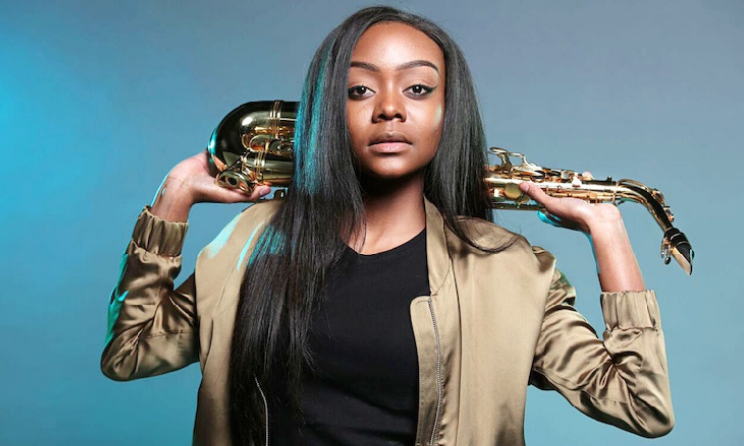
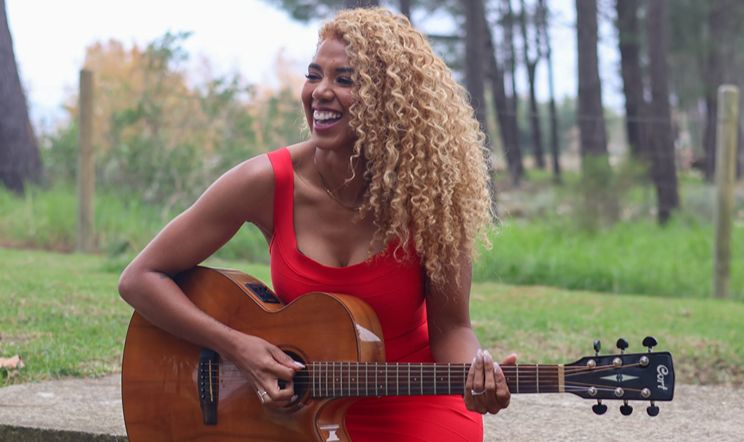
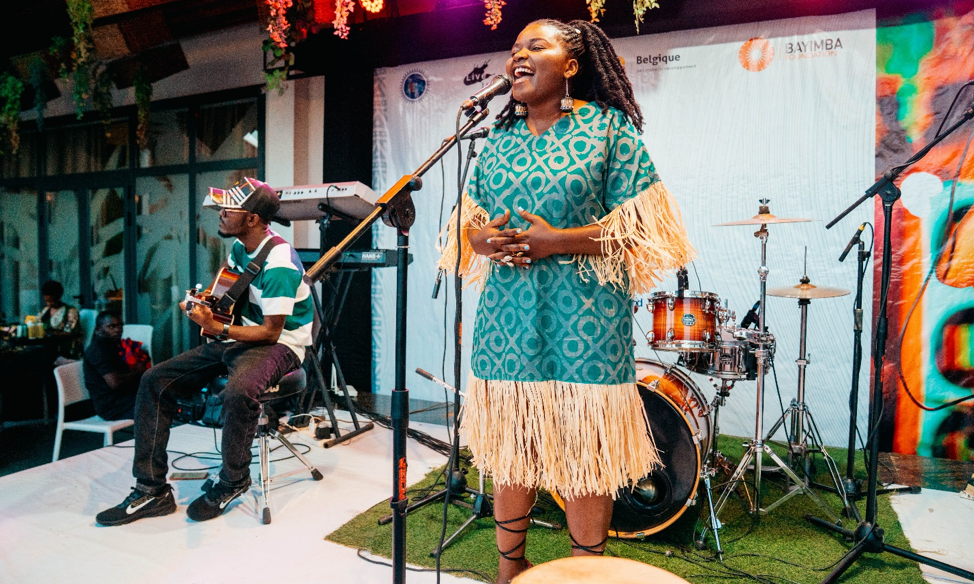
Mandisa Mamba, Swazi singer
Women’s Day means celebrating the power of women. It is a time to stop for a moment, acknowledge and praise the many beautiful, inspiring and fierce ways in which women shape the world, communities and families.
Quite a few issues and challenges come to mind when I think of our industry. The biggest, which not only affects Africa but the world at large, being the issue of male domination. A woman's feminine energy is so often easily misinterpreted even at its purest, most innocent form. Because of that, women have to constantly push off males or set the record straight.
It is very important to know, understand and acknowledge the fact that as creatives we all have different stories to tell. Sometimes we have the same stories to tell but in different artistic ways. In essence, this is the beauty of life because in some shape or form these stories complement one another and create stronger and more impactful messages. The universal 'women for women' evolution is headed for its peak and I've noticed a readjustment in the attitudes of South African female entertainment stars, which has been so beautiful to watch as they support, encourage and uplift one another.
We have every single other right that men do, so why is there still this gap in terms of finance? – Caroline Hillary
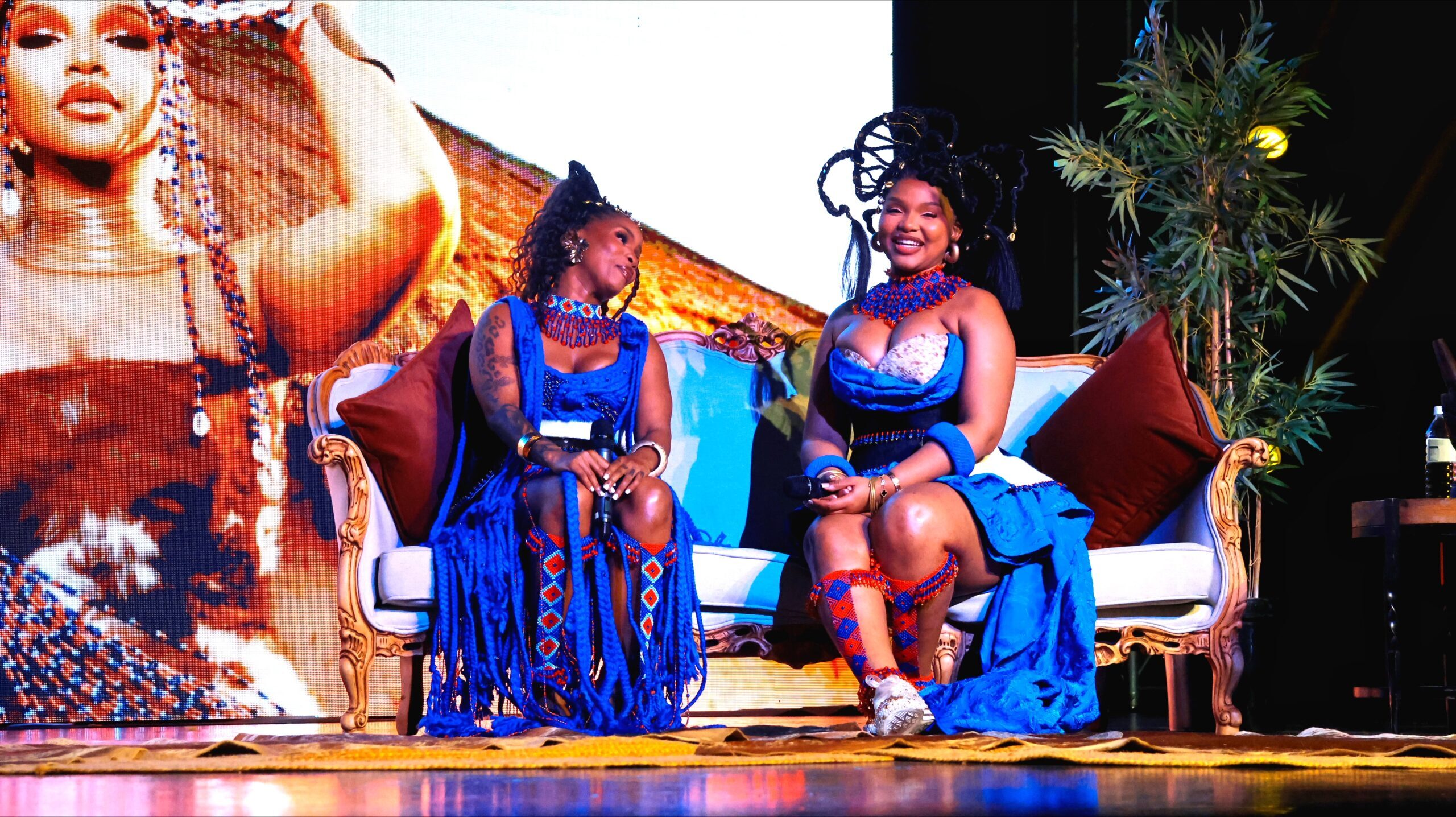
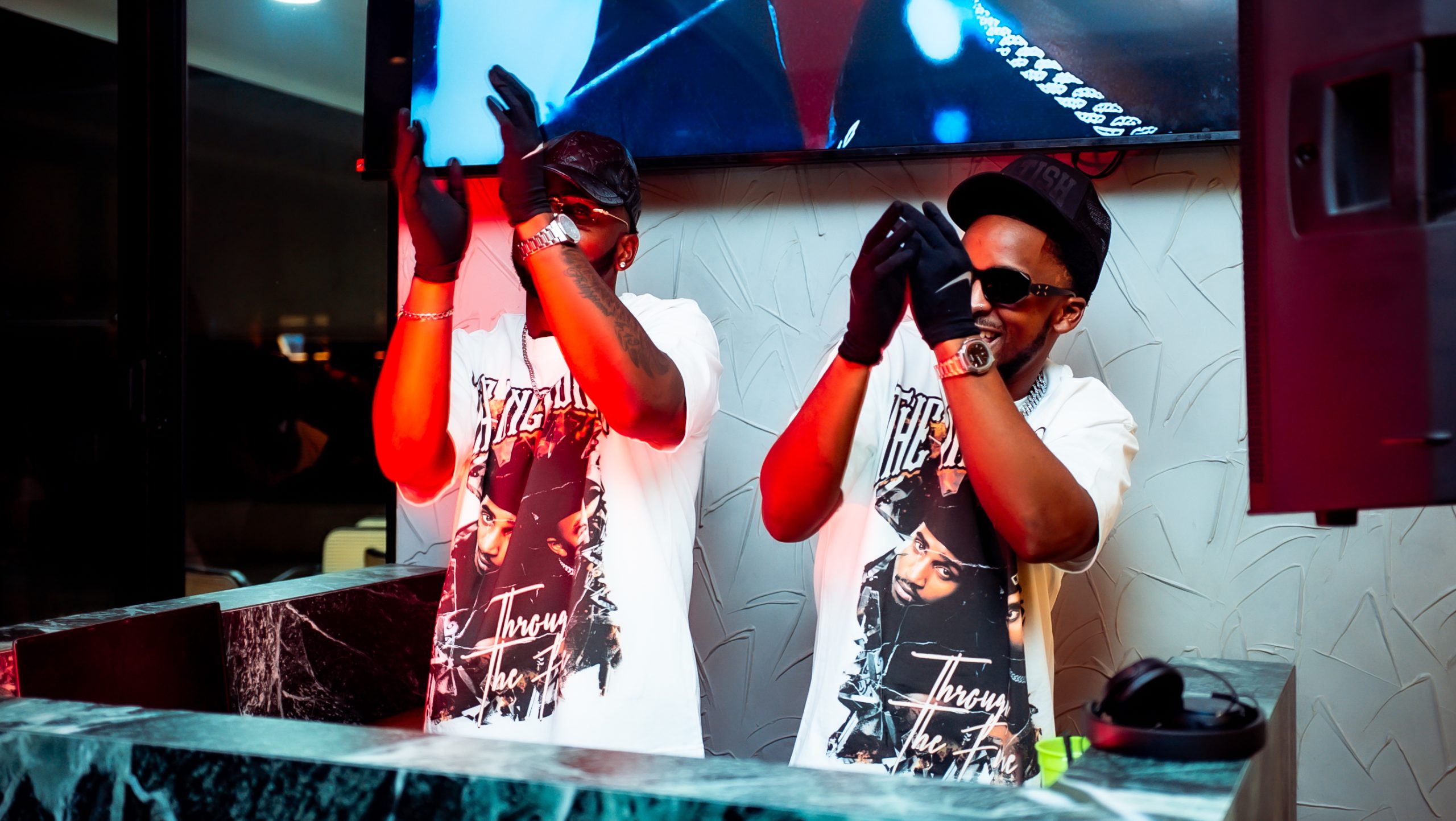
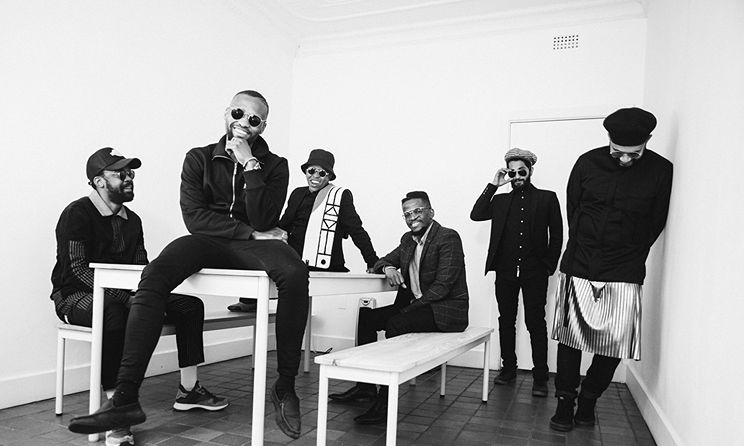
Ondela Simakuhle, South African singer and member of Thesis ZA
Women’s Day to me means reflection. It means questioning and calling out the barriers and marginalisation that we still face. We’re in a time now where women are questioning more across all spheres and industries, and women are trying to take charge of their own businesses ideas and dreams.
We’re not really taken seriously. People are always trying to do you favours. When it’s sincere it’s great, but when it’s condescending and undermining it’s not so great. And being an independent artist gives you control of everything that you want to do.
Ayanda Charlie, South African singer and member of Thesis ZA
Women’s Day is complex. On the one hand I’m very happy that such days are marked. We aren’t so far advanced from a time when there weren’t such days. Whenever there’s a day to recognise women socially and politically throughout the history of our continent it is important. But we also have a long way to go, depending on the political and cultural milieu of the time. In 2018 Women’s Day means that we should take stock of the ways in which women are celebrated. Are we empowering women and are we allowing women to take meaningful positions of leadership?
I think in any sector women are faced with having to deal with toxic masculinity and power. I know this exists in the industry although we [Thesis ZA] haven’t come across it that much. Women must always negotiate for recognition with people in power and sometimes those people take advantage. Women find themselves having to pander to the views of powerful men. At the end of the day we need to question power and the way women have to negotiate their place in those spaces. We should make concerted efforts to empower women and give them leadership roles in the industry and not wait for the government to pull out mandates.
There’s the misconception that late-night studio sessions mean you're sleeping around – Rina
Licelv Mauwa, Congolese singer
Today is a day that should serve as a framework for thinking about the foundation of sustainable actions for women rather than just throwing few slogans around. This day should be used to evaluate the implementation of women's programmes and to develop a sustainable agenda for women's empowerment.
As a singer, I find even more inspiration in thinking of the contribution of women in the advancement of the human ideal. In Africa, as in the DRC, there are stereotypes at all levels, whether in politics or in the arts – stereotypes often maintained by men and unfortunately some women. It is said of the woman that she is weak, incompetent and that she must depend on a man for her development. Added to this is the lack of support for women in the music sector often dominated by men. All these sexist considerations that aim to stigmatise women must be fought
Radical change on the part of women is essential. This involves the renewal of thought and its ability to defend its ideas without taking into account all the aforementioned stereotypes. Female artists must be able to build a sustainable professional career. The quality of the work will be the best response to these stereotypes.
Suzette Eises, Namibian saxophonist
Women’s Day is a reminder of the strength women have in order to endure all the challenges. Women are one of God’s greatest gifts. We have the power to bear and raise children, which is a very important role to play as we bring and influence a human being into this world.
I feel that because we are women, we are taken advantage of. Safety can be a big challenge. This includes sexual, physical and verbal harassment. This frustrates me, especially when female musicians simply want to share talent and a message to the world. I feel the way we are portrayed in the world should change. That is up to the music video directors and musicians themselves. We should all really look into our hearts and show the true value of women through all media.
At the end of the day we need to question power and the way women have to negotiate their place – Ayanda Charlie
Caroline Hillary, public relations agency owner and musician
I used to be offended but the mere fact that we needed an actual day to celebrate what is essentially one half of the entire world’s population. I found it patronising but through the years I have noticed that the awareness had raised some fantastic insights and made great strides for women around the world. So if it's what we needed in order to be taken more seriously, and given due respect, then initiatives like Women’s Day and #MeToo and so on are important conversation pieces and catalysts for us as females not only in the professional world but as human beings in general.
The pay gap is still a huge issue in my opinion, one that needs to be addressed very quickly. We have every single other right that men do, so why is there still this gap in terms of finance? It all boils down to being respected on the same level and sexism is still alive and well in the world. We see it every single day.
There are countless changes that should be addressed in terms of gender equality. The pay gap always comes to mind as a professional woman. Companies are still not providing safe spaces from sexual harassment in the workplace – that's something that every single professional woman I know has experienced. Also, even though I have personally not had children, as a professional woman it is still tough to be taken seriously when you have kids. I would like that attitude to change – more respect for working mums.
Jojo Abot, Ghanaian singer and artist
I definitely believe every day is a Women’s Day to shine and be celebrated. Every single day! The limits placed on our minds and the minds of others based on how we as a collective society believe women should be treated – often derogatory, inferior and frustrating limitations when expressed through imaginary glass ceilings, unequal pay, lack of respect and so much more – become cracks in a world that could accomplish so much greatness simply by not only empowering but also enabling the blossoming of the female child. It starts from within and with out in this case. We need more women to fearlessly dominate and exist fully without seeking permission or offering apologies. Believe in yourself!
The universal 'women for women' evolution is headed for its peak and I've noticed a readjustment in the attitudes of South African female entertainment stars – Mandisa Mamba
Edith WeUtonga, Zimbabwean singer and bassist
International Women’s Day is a time we celebrate being a woman, our achievements, looking at and saying out loud our grievances, challenges and needs. It's a time to stand up and celebrate our heroes and survivors. It's time to show our young girls and women what standing together means.
The issue of acceptance seems quite common in Africa and women are found putting more than 100% effort in order to impress, be considered for any job or programme. Societal concepts on women who perform also need a change of mind-set.
In Ghana there are some instruments women musicians are still not permitted to play. In other countries singing secular music for a female musician is something still being looked down upon. If a woman sings, then she must sing gospel. There's a need to un-teach our societies about some common practices and 'norms' that look down upon women in music in general.
In Zimbabwe, where the new curriculum includes visual and performing arts, one has hope that the next generation will accept and understand the role of women in music. Granting more space and opportunities to women exposes them to bigger audiences and changes the roles of women beyond the kitchen.
Rina, Malawian poet and rapper
International Women's Day for me is a day to recognise women in all fields. Over the centuries, women have made great strides. From technology to music and leadership positions in government, NGOs and major corporations, the world has finally accepted that women are more than capable of doing more than caring for the home. It’s also a chance for women to celebrate other women. When I see women who are doing well I get inspired to do more and be like them.
The challenges are endless – from not getting gigs because you are woman to not being included in certain things because of your gender. There’s the misconception that late-night studio sessions mean you're sleeping around. Women have been pushed into a box and finally I feel they're breaking out. I think people need to be looked at as individuals and not women. Our capabilities and intellect are not defined by gender.


Most popular
Open call: 2026 Gender@Work music industry training in Johannesburg
09 Oct 2026

Top amapiano songs of 2026
16 Feb 2026
Top Naija songs of 2026
31 Mar 2026
Call for applications: ACCES 2026 Emerging Artist Spotlight Competition
01 Oct 2026

Top Afrobeats songs of 2026
19 Mar 2026
AFRIMA 2026: All the winners
12 Jan 2026
Disclaimer: Music In Africa provides a platform for musicians and contributors to embed music and videos solely for promotional purposes. If any track or video embedded on this platform violates any copyrights please inform us immediately and we will take it down. Please read our Terms of Use for more.

Subscribe to our monthly Newsletter
Follow us on social media


Please log in to post a comment.