
















NEFCISA
NEFCISA

The Music In Africa Foundation (MIAF) is proud of its partnership with the Industrial Development Corporation (IDC) as a Strategic Implementing Partner (SIP) for its Social Employment Fund (SEF). Through this collaboration, MIAF is running a national programme that is creating jobs, addressing skills gaps, and strengthening South Africa's creative industries — in line with the SEF's overarching goal to generate work for the common good and build community value through employment, social contribution, and inclusive economic participation. Operating under the banner NEFCISA (National Employment Facility for Creative Industries in South Africa), the initiative is recruiting and training participants, matching them with host organisations, and has already placed 1 500 workers across the country — surpassing its original target of 1 000. NEFCISA is delivered through a network of 20 host organisations spanning five provinces, who are actively hosting participants and contributing to work for the common good across South Africa's creative and cultural industries. Key Objectives: Support employment and entrepreneurship in the creative industries. Offer skills development and training programmes. Foster partnerships between public and private creative sectors. Promote South African creativity at both provincial and national levels Foster community development through social contribution.

ACCES
ACCES

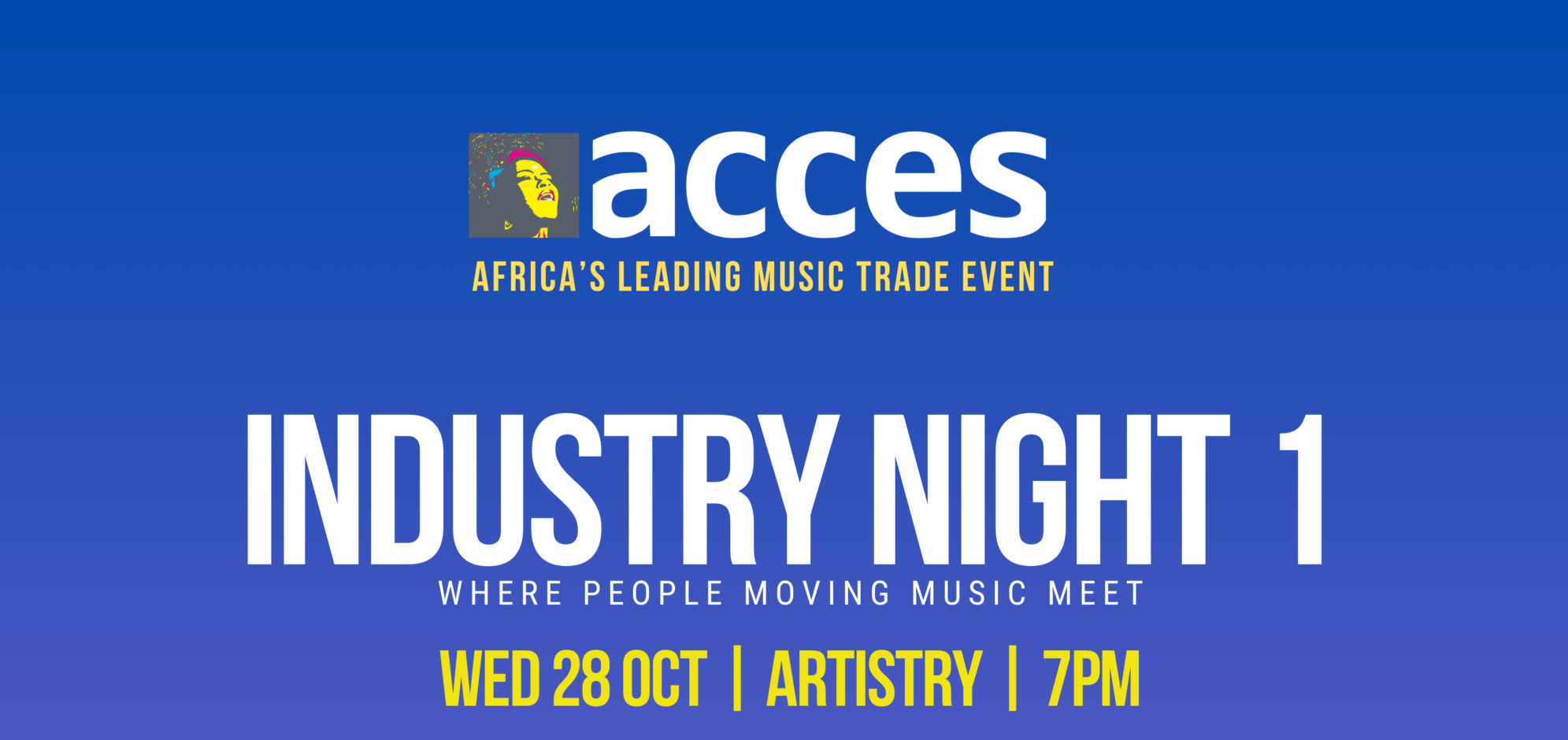
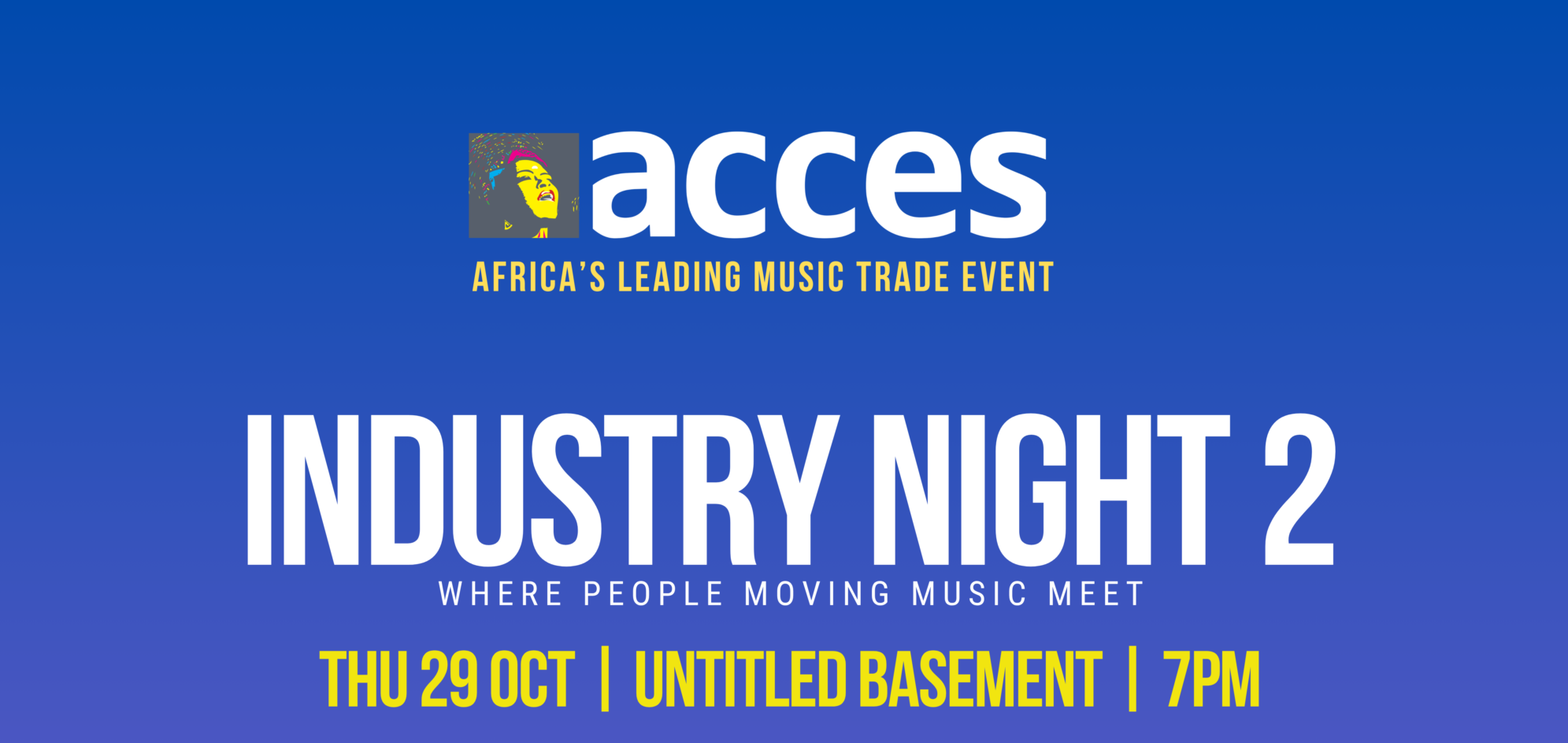
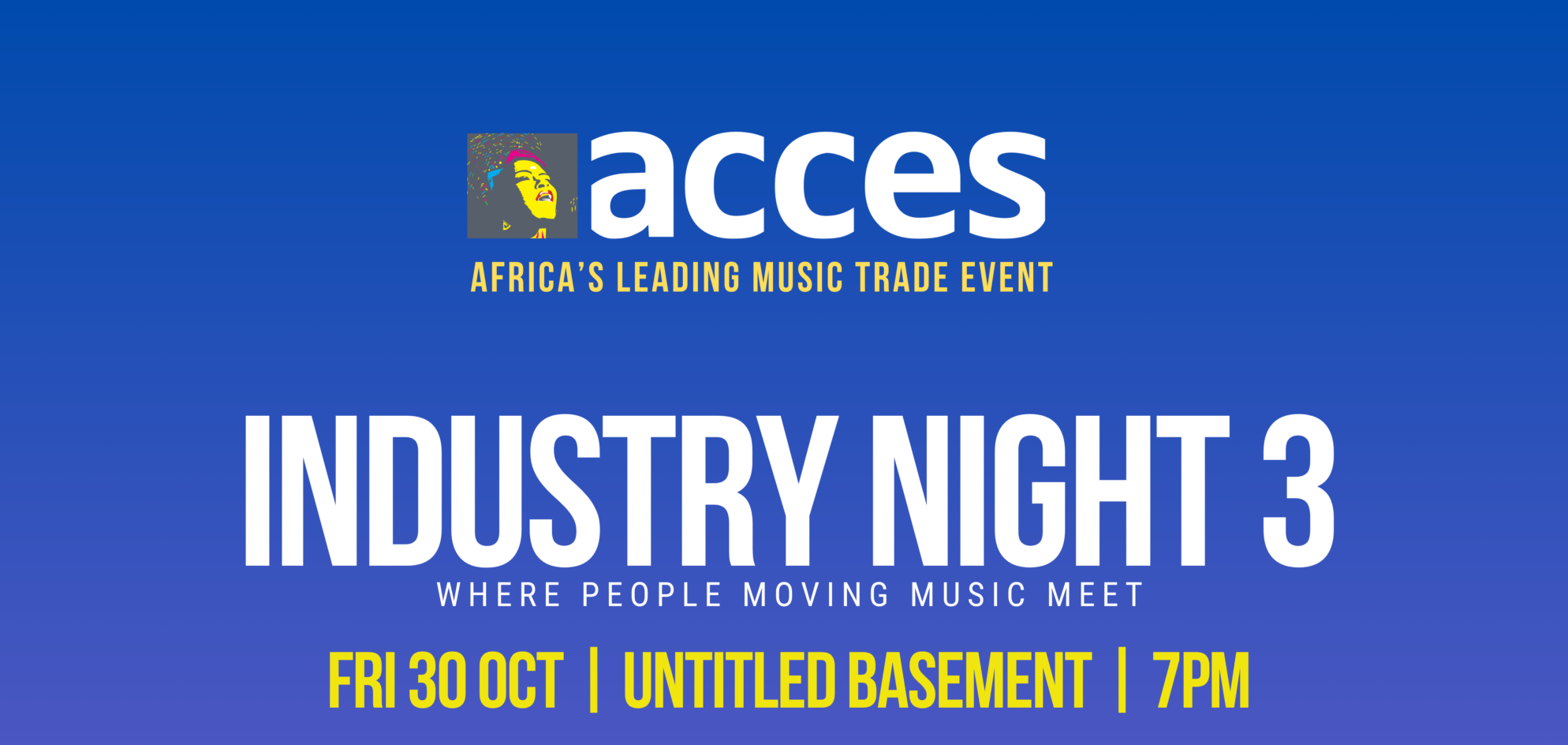
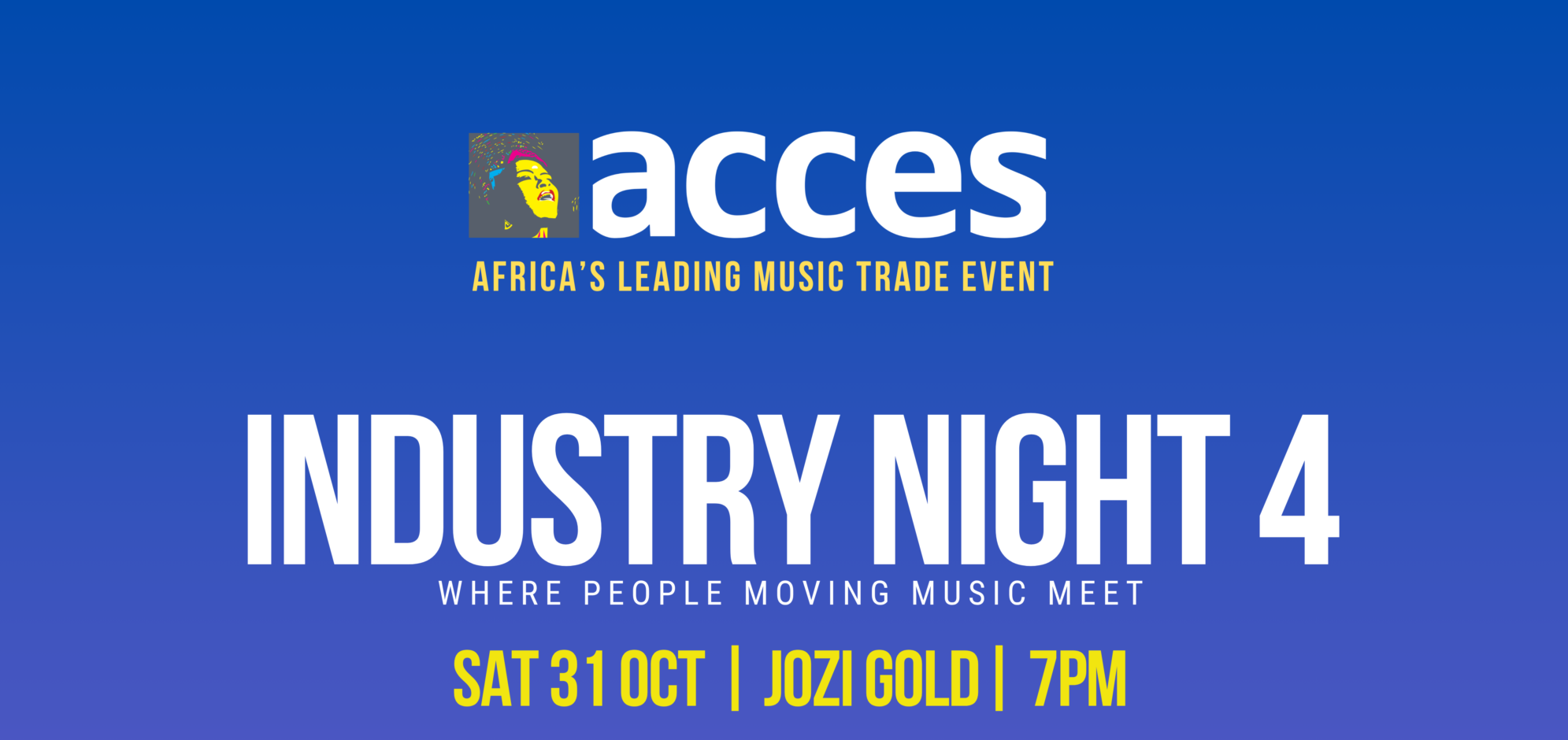
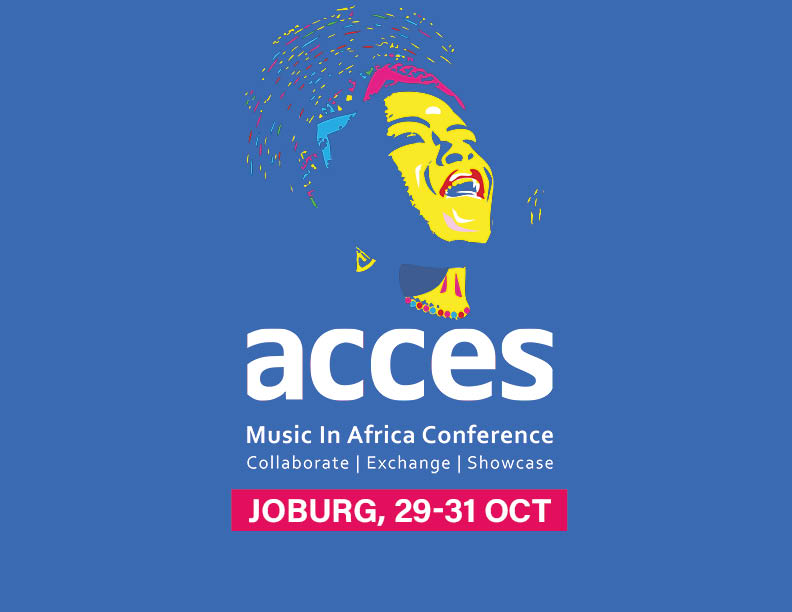
ACCES Conference and Showcase Festival is Africa's leading music industry gathering, bringing together the people shaping the future of the continent's music business. Artists, entrepreneurs, executives, investors, policymakers and cultural leaders from across Africa and around the world come to ACCES to build partnerships, exchange ideas, discover talent and create new business opportunities. Since its launch in 2017, ACCES has become the continent's premier platform for professional exchange and music market development. Combining a high-level conference with a curated showcase festival, networking, exhibitions and industry programmes, ACCES offers a unique space where creativity meets business and where African music connects with the global industry.

Gender@Work
Gender@Work

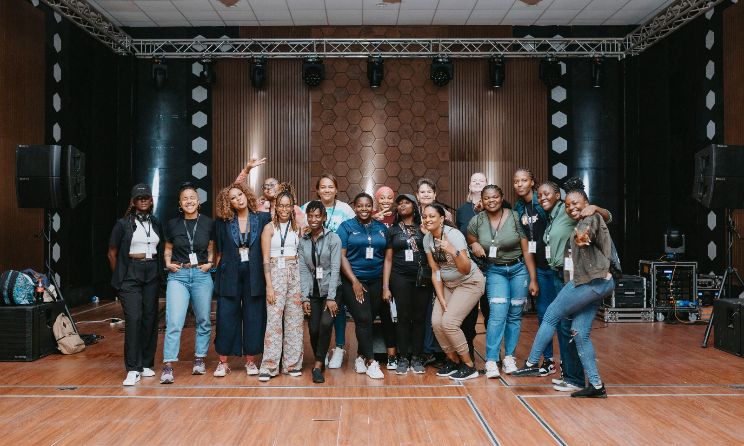
Music In Africa Gender @ Work is a three-year training programme aimed at upskilling and increasing the participation of female professionals in the African music sector. Launched by the Music In Africa Foundation (MIAF) in April 2019, the programme is connected to the MIAF’s ACCES music conference – a pan-African event held in a different African country every year. This connection enables the programme to reach new participants in a different African country every year. The programme marks the beginning of a more concerted effort by the Foundation to support the participation and inclusion of women in all facets of its programmes and the music sector in Africa as a whole. Over the three years, the programme will aim to address gender imbalances in the sector through training, lobbying, facilitating knowledge exchange and dialogues that foster the interest of women. The broader objectives of the programme are to: Provide industry training for women on critical music industry skills, focusing on: Stage management Electronic music production and recording Music business management Technical knowledge Provide an opportunity for both professional and aspiring women to benefit from the Music In Africa network and its broad range of activities in 2019, 2020 and 2021. Provide a solution-based platform in the form of a round table at ACCES with a view to identify challenges, discuss opportunities and lobby for the interests of female practitioners. Offer participants the opportunity to benefit from programmes offered by MIAF’s partners. Increase access to educational materials. Integrate participants in the broader ACCES programme to maximise experience and exposure to the industry. Record and present training materials on the www.musicinafrica.net, including but not limited to tutorials, templates and other best-practice materials. Communicate women-based themes that support the initiatives and messages of the programme. MAIN TRAINING ACTIVITIES Training in first country (Ghana): In the first year, participants will be trained on all aspects of stage management by a team of experienced stage managers from 10 to 17 November 2019. The programme will offer robust classroom training as well as practical, hands-on training in which participants will also be given the opportunity to manage various aspects of the ACCES performance programme. Training in second country: The second training iteration will take place at ACCES 2020 when the programme will diversify its course to include music production lessons and training on other music business topics. A round-table platform will also be introduced to coincide with the ACCES programme. Training in third country: The third training iteration will take place at ACCES 2021 in a different country, offering an advanced course. HOW DO YOU GET INVOLVED?  As a participant, facilitator or trainer: The programme enrolls up to 12 trainees every year. All opportunities are advertised publicly on this website, and will be added to this page. Please keep checking this page for new calls (below under UPDATES & CURRENT OPPORTUNITIES). As a partner Please contact Claire Metais at [email protected]. APPLY The call for applications for 2020 will be announced soon. The Music In Africa Gender @ Work programme is made possible with the support of the Prince Claus Fund, Siemens Stiftung and Goethe-Institut.

Sound Connects Fund
Sound Connects Fund

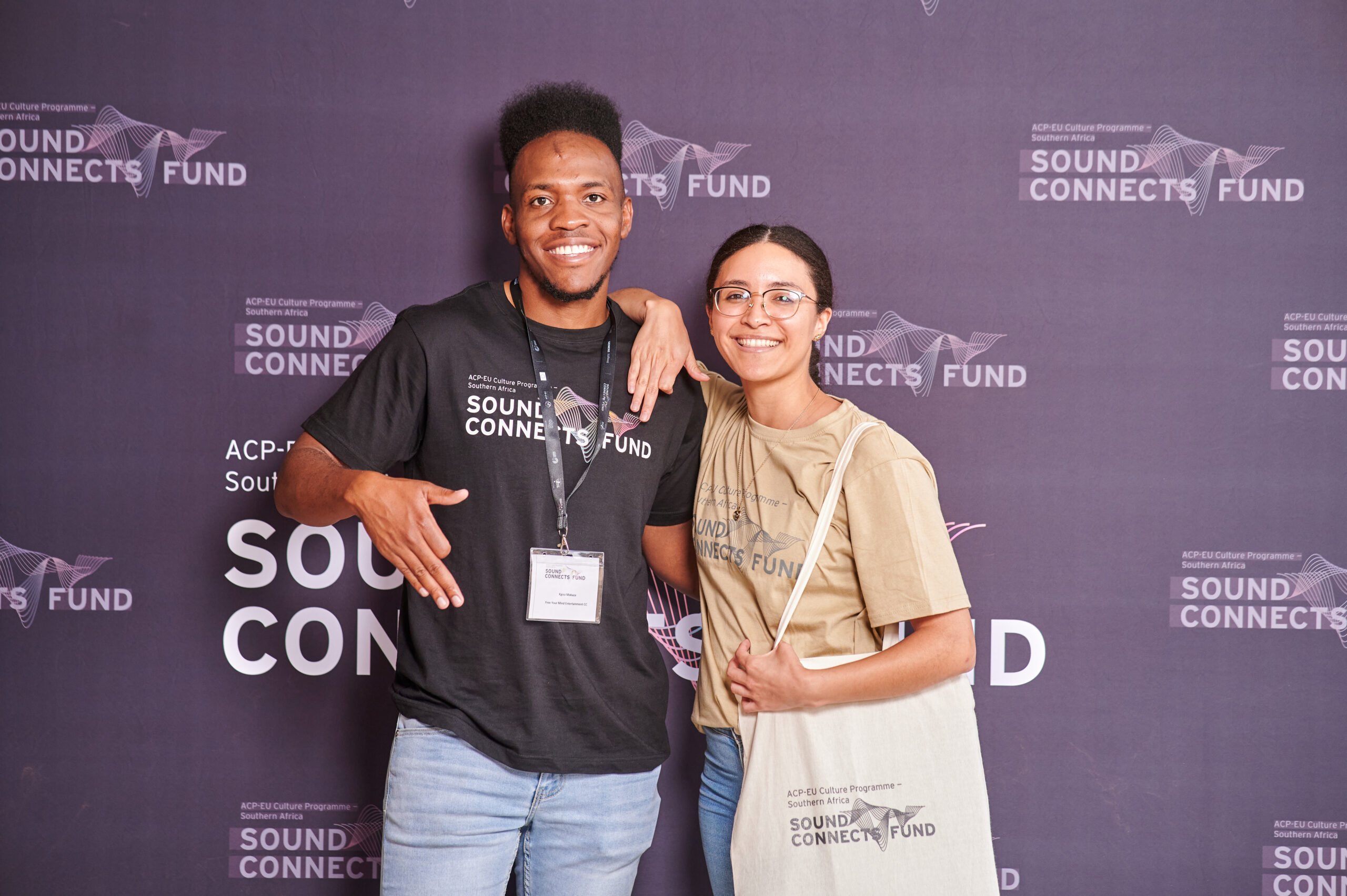
For cultural and creative practitioners and organisations operating in southern Africa, access to funding remains a major challenge. The COVID-19 pandemic has also had a massive impact on government policy, spending and the economy in general, and has seen spending on culture being moved further down the list of priorities. Further, the cultural and creative industries repeatedly cite four main areas where investment is needed for growth, which are increased visibility, mobility including access to new markets, finance and support structures.

Instrument Building And Repair Project

Experience the Vibrations African Instruments Exhibition online in 3D

Features

The highs and lows of navigating a career in entertainment
03 Nov 2025 - 11:44

cc-img flag-img

By Alon Lits

South Africa is facing a silent mental health crisis. Around one in three people will experience a mental disorder, and yet most will never receive help. With thousands of suicides each year, and a treatment gap nearing 90%, the numbers reveal just how invisible the problem remains.

Around one in three people will experience a mental disorder, and yet most will never receive help.

That is the backdrop against which creatives in music, film, and entertainment are trying to build careers. The hours are long, the deadlines unforgiving, the pay inconsistent, and the public scrutiny relentless. From our experience working with students and professionals, burnout spikes when people are grinding in isolation. When you carry the work alone, without community, misalignment occurs when you cannot see the connection between your role and the project’s mission. When teams feel a sense of meaning and belonging, the risk of burnout falls.

This is why institutional partnerships matter. Our collaboration with the Academy of Sound Engineering (ASE) began with a simple invitation in early 2024. We asked one question: How do we make support practical for creatives? The answer has been to combine anonymous access, a free tier to remove cost as a barrier, and clear triage so people know where to start and what to do next.

As Mzi Kaka, corporate liaison at Academy of Sound Engineering, explains, “Our conversation with October Health started after hearing about them over a radio broadcast they were featured on .It quickly became clear that our students needed not just training for their craft, but structured support for their mental wellbeing too.”

Navigating mental challenges

The partnership focuses on solving three main challenges that often prevent people from getting the help they need. The first is stigma. Many still view mental-health support as a sign of weakness. By providing an anonymous entry point, learners and staff can explore their options safely, without fear of judgment.

The second challenge is cost. South Africa faces a severe shortage of mental health professionals, creating a massive gap between demand and access. According to the WHO, affordable or free care options are essential to close that gap and reach people who would otherwise go without support.

Finally, there is the issue of triage. In physical health, we understand the pathway from the emergency room to assessment, imaging, and treatment. However, mental health rarely has that kind of structure. The platform provides assessments and guided next steps so that individuals do not feel lost when seeking help.

Creative tailoring

On the creative side, we have tailored our approach to realities we consistently encounter, i.e., irregular schedules, late nights, intense workload spikes, and the emotional whiplash of public performance. Artificial intelligence (AI) lets us personalise support to context (a touring DJ vs a studio engineer vs a film student) without sacrificing quality or privacy. The point is not to replace care, but to route people to the proper care sooner and to embed proactive mental fitness (not just crisis response) in education and work.

What does that look like with ASE? Students have access to live sessions, coaching courses and an AI companion that normalises day-to-day check-ins, not only SOS moments.

Make it practical

For creatives, three core principles can make a difference. The first is simple: do not do it alone. Reach out to a friend, family member, peer community, or a free helpline such as SADAG.

Second, build community on purpose. People who have a group to return to, whether a support circle, faith community, or recovery group, tend to show lower readmission rates after psychiatric care. Belonging is protective.

Finally, train the mental muscles. High performers in any field work deliberately on agency, resilience, visualisation, and recovery. Small wins matter and accumulate over time.

South Africa’s mental health system is under-resourced. But institutions can close the distance between people and help, remove stigma through privacy, remove cost through free options, and remove confusion through triage.

That is the point of our partnership with ASE. We make care ordinary, accessible, and early, so talent is not lost to preventable pain, and the show can go on.

Alon Lits is the CEO of October Health, a partner of Academy of Sound Engineering. The views expressed in this article are his and do not necessarily reflect the views of the publication.

Please log in to post a comment.

Most popular

Disclaimer: Music In Africa provides a platform for musicians and contributors to embed music and videos solely for promotional purposes. If any track or video embedded on this platform violates any copyrights please inform us immediately and we will take it down. Please read our Terms of Use for more.

newsletter banner

Subscribe to our monthly Newsletter

Follow us on social media