
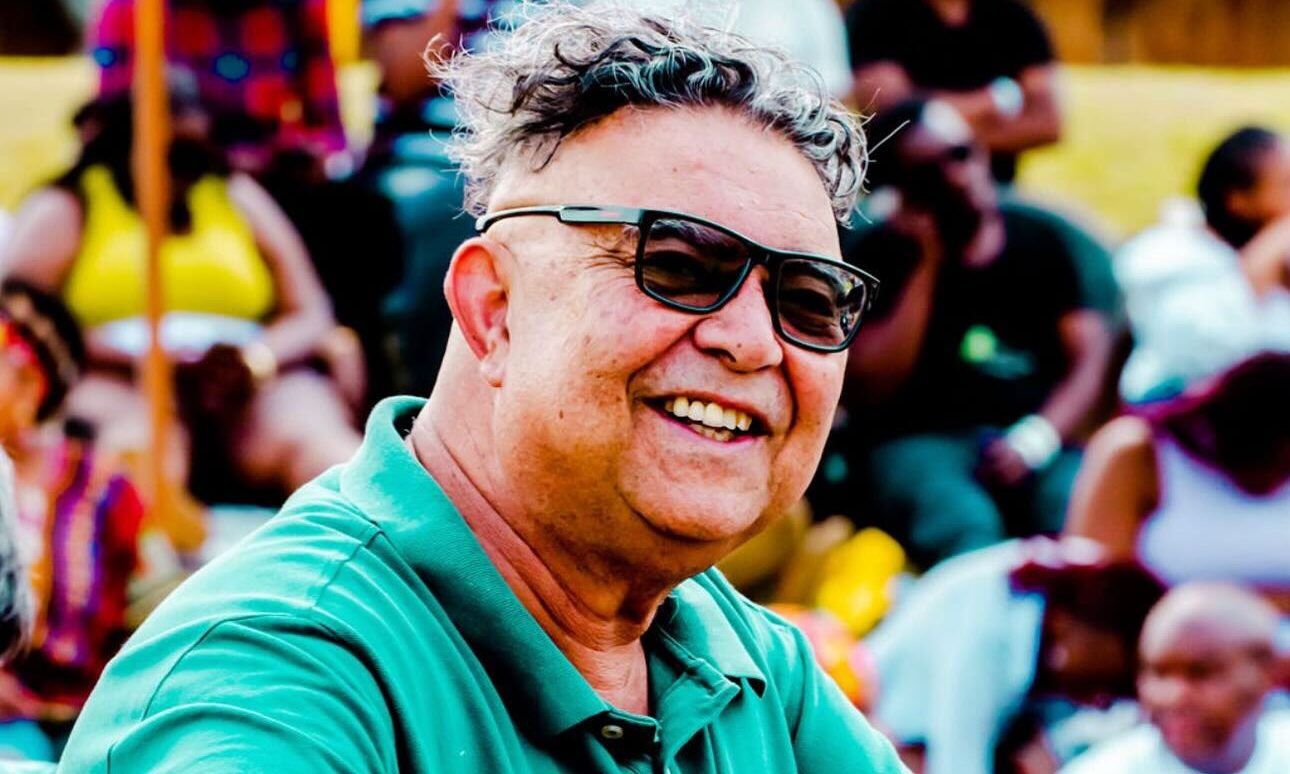

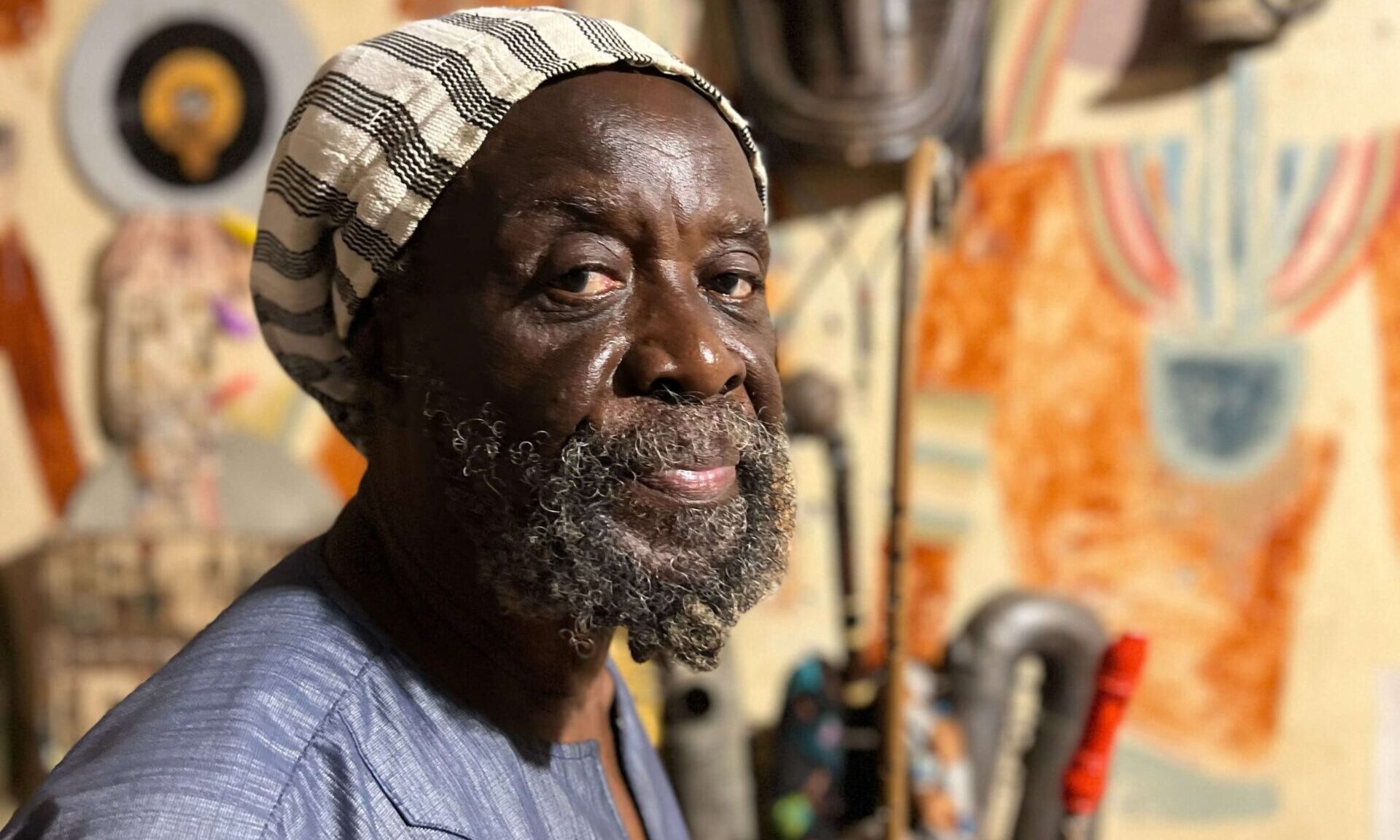











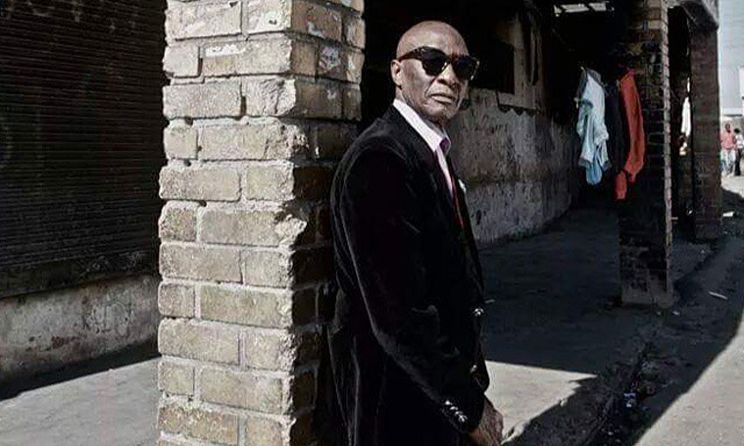

































If there has ever been a man whose reputation precedes him, it’s Sipho ‘Hotstix’ Mabuse. The South African jazz great is the pinnacle of any throwback moment in music history: from 'Jive Soweto' (track 6 on the popular Waar Was Jy? Volume 5 compilation) to 'Burnout', a song whose lyrics took a life of their own in townships across South Africa.
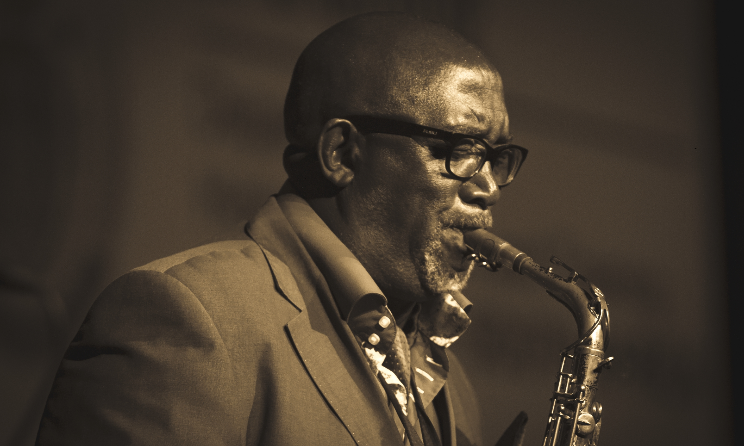
The famous piano line in the beginning of 'Burnout' drove thousands of children to use their imaginations and add their own lyrics to it. For some of us there was Nkulunkulu ngicel' izuka (God, please give me 5c), while the older crowd showed their affinity for drinking with Nkulukulu ngicel' ibeer (God, please give me a beer).
Hotstix started out as a drummer for the Beaters while in high school in the late 1960s. It was the drums that got him his nickname. Immersed in music, the band played covers of various American artists and made a name for themselves. Music had taken control of the Beaters' lives and the band members dropped out of school to become career musicians. In a previous interview, Hotstix said the Beaters did not realise they had dropped out; they were touring so much they ended up missing their exams. The Beaters changed their name to Harari after they played in Zimbabwe where they first became influenced by the black consciousness movement and Steve Biko.
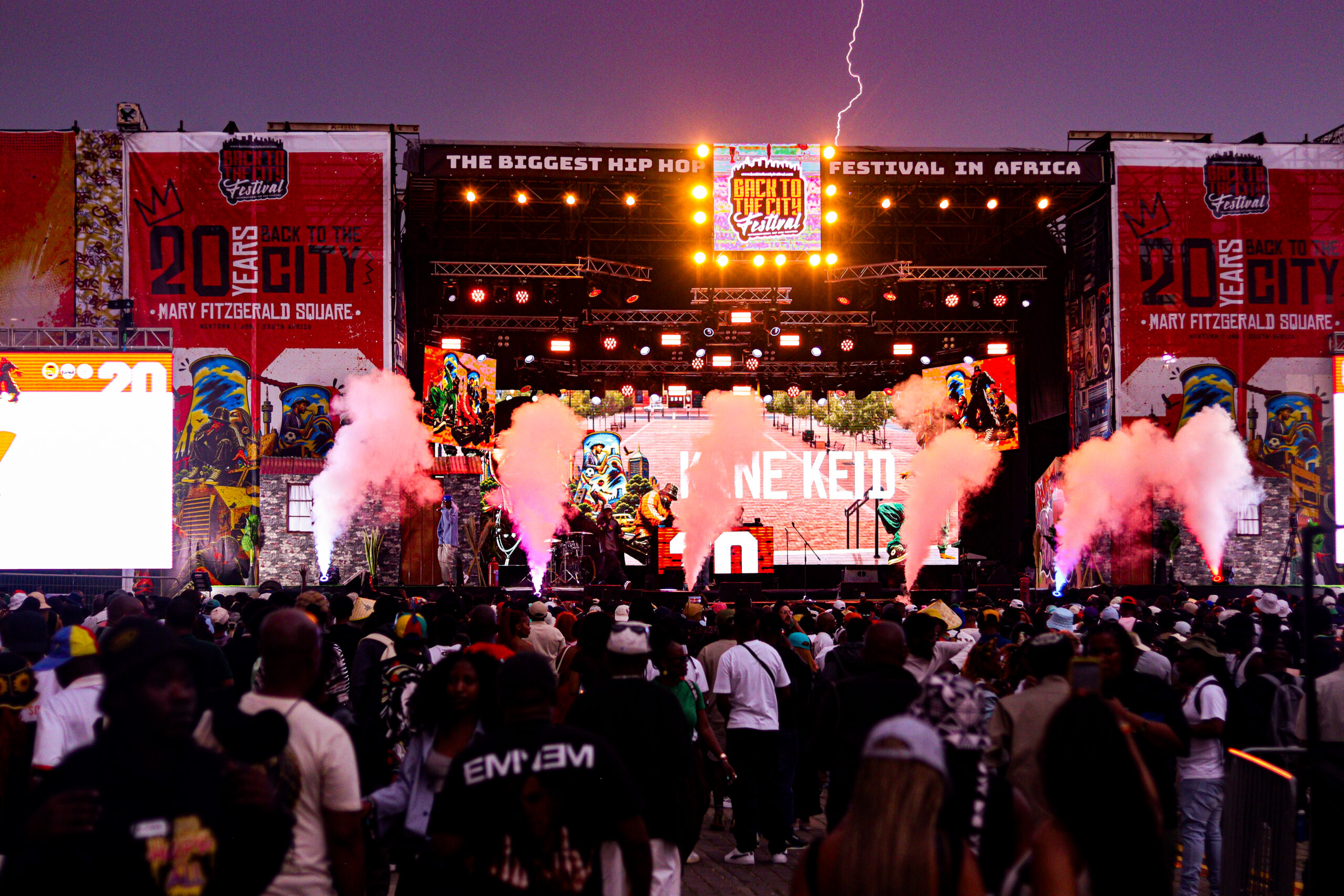
Since then, Hotstix has been a household name with jazz fans in South Africa and still continues to command stages around the world. The 66-year-old veteran will be playing Bassline Fest on 26 May alongside some of Africa's biggest names, where his illustrious career will remind the younger generation about South Africa's rich jazz history.
MUSIC IN AFRICA: Did you ever imagine that you would be a South African music icon?
SIPHO ‘HOTSTIX’ MABUSE: I think it’s just an exaggeration honestly. Maybe I’ve done things but this whole icon status is just exaggerated. I just make music like many other people. Yes, there is a sense of adoration and honour that one feels but one cannot claim iconic status unless you are Nelson Mandela.
What is it that has kept you doing music at this stage?
I left school and I pursued music as a career. So it was very important to me that I sustained it beyond it being a pastime.
Did you not have some other profession that you wanted to go into?
I had wanted to be a doctor or a lawyer, more academically inclined, but the music was not a choice, even though I loved music as a young person. I never imagined that it was something I would do professionally.
You started playing in high school. What was your first gig like?
It came with nerves. Imagine standing in front of a thousand students and you all have to sing a full song. It was nerve-racking.
The first gig was in high school with the band we started. We got paid R10 [about $1 in the 1970s] to share among us. It was a start. It was not the kind of money our parents would have given us at any moment. They just couldn’t afford it. To give performances because we were raising funds and to get a stipend was just exceptional.
Do you remember the first song you performed and how long it was before you started writing your own material?
We used to cover a lot of pop music. As a high-school band that was deep in academia, it enabled us to work towards the kind of music we wanted to do. We did music from the Beatles, the Rolling Stones, soul music from America. We were all mentally messed up at the time. The black consciousness idea had not come up yet.
I started writing songs as a solo artist. I wrote songs but then there was also the challenge of being more of a bedroom person. I was a drummer and there were all these guys who were singers and so on. But I wrote most of the material, which I would consider my most successful material.
When did black consciousness begin to show in the band's work?
During the armed struggle on the continent, the fight against colonialism, the struggle against apartheid and the rise of people like Steve Biko. Organisations like the ANC [African National Congress] and PAC [Pan-Africanist Congress] were banned. There was interaction between music and poetry and Biko came into the picture. We got invitations from universities and that enabled us to see how we could intertwine our music with that space. Then black consciousness came in and we changed our name from the Beaters to Harari. Zimbabwe at the time was a great frenzy of liberation and then one thing lead to another, and we became this 'iconic' band in South Africa.
Was it a unanimous decision among all the members to disband the Beaters?
Actually it was not a decision. The band broke up at its peak. We had just been signed with an international record company. We were young and naive. There were also professional jealousies that pervaded the band and when we were supposed to go to the US some of the guys did not come. When we got to the States, the harmony became acrimony and we split.
Was it smooth sailing becoming a solo artist?
The challenge was moving from the back to the front, which required a lot. I’ve been a very curious musician. Even as a drummer, I was curious about music and the extent to which other instruments played a role. Even politically, the consciousness of that time was such that music went beyond pianos and drums. Education influenced how we established ourselves musically.
My curiosity drove me to the piano. I needed to use the piano as a composer. And then there was the flute, which was an interesting instrument at the time. There was also the saxophone. I was always evolving. I would call myself an 'evolutionary musician'.
I’ve just started playing the flute again, and my flute playing is just exceptional. I had never realised that I could play the flute well. The advantage is that I had studied it. I had given it a break when I started playing the saxophone. When I picked up the flute again I realised how much I had missed playing the instrument.
After all these years as a performer, do you still get nervous before a live show?
I believe if you don’t get nervous before getting onstage you should not be on stage. You know that adrenaline is part of nervousness when you get on that stage. That’s what drives me.
I’ve been privileged to work with exceptionally talented guys, so when we go out there we're all in concert. There is that sense of camaraderie and we all want to do our best. So when we go onstage we just want to rock the house. That’s what’s gonna happen at Bassline Fest.
This year’s Bassline Fest is running under the theme #BeTheLegacy to celebrate the life of Nelson Mandela. What impact do you think he's had on younger musicians?
Tata Nelson Mandela made remarkably profound statements around music and it’s role. I hope young people will realise and embrace them so when they advance their music careers they influence how they move and create their own space, and ensure that their music fulfils the purpose for which they have engaged in music.
People must find their own purpose. It should not be influenced by the same things my generation was influenced by. We knew what influenced us and what role it would play in terms of the struggle. They have their own challenges. And Madiba’s statements were not specific about a certain time. The statements have longevity in them. Our songs were about freedom. Once we achieved freedom there were other challenges to overcome.


Most popular

Top Naija songs of 2026
31 Mar 2026

Top Afrobeats songs of 2026
19 Mar 2026
Ghana: Mr Eazi and MOLIY’s ‘Comfort’ earns Urban Music Awards nomination
21 Oct 2026

Top amapiano songs of 2026
16 Feb 2026
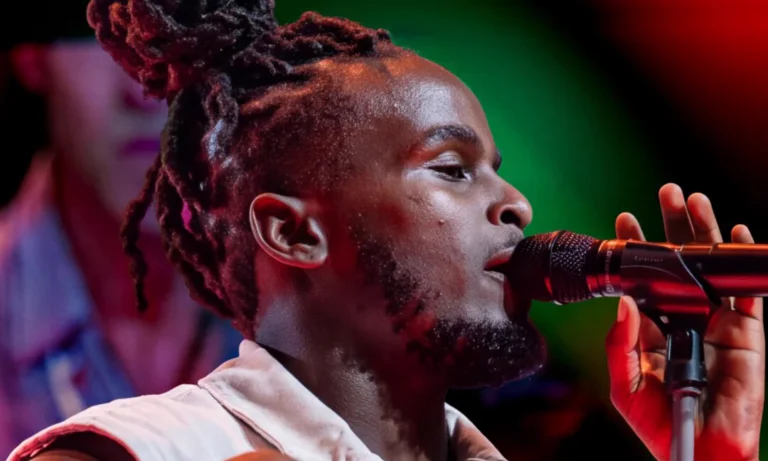
Open call: CANEX Music Business Lab and Songwriting Camp
15 Oct 2026
Nigeria: CANEX WKND unveils 2026 programme
21 Oct 2026
Disclaimer: Music In Africa provides a platform for musicians and contributors to embed music and videos solely for promotional purposes. If any track or video embedded on this platform violates any copyrights please inform us immediately and we will take it down. Please read our Terms of Use for more.

Subscribe to our monthly Newsletter
Follow us on social media


Please log in to post a comment.