























































Implications of conflict in the Malian music industry
01 Nov 2018 - 12:32


In 2012, Mali experienced military conflict in the north of the country and in parts of the central Mopti region. This was followed by political and institutional instability that weakened the country and threatened its security[1]. The cultural sector, in general, and the music sector, in particular, were deeply affected by this crisis[2].
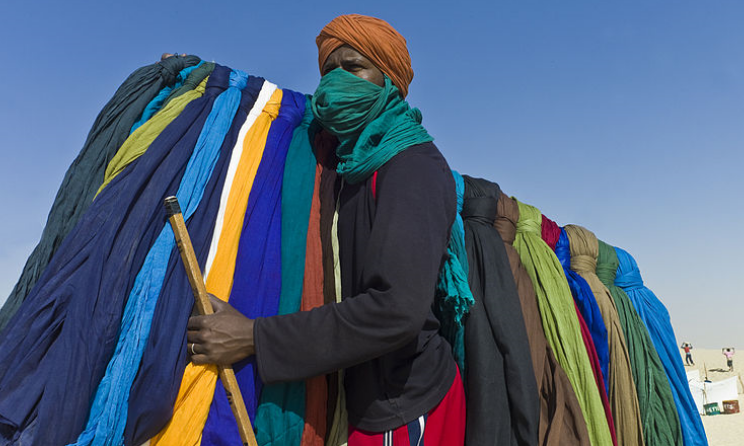
Religious extremists who invaded the north of the country banned music and cultural events in the areas that were under their control. This was particularly the case in the city of Gao[3]. Furthermore, the introduction of successive state of emergency measures by the government led to panic among people involved in the entertainment industry, which has had a negative impact on the organisation of cultural events[4].
Of particular note was the cancellation of Festival au Desert. Considered as one of Africa's major events, the festival, established in 2001, is known for celebrating the culture of the region, welcoming thousands of Sahelo-Saharan guests and Western tourists to the desert of Timbuktu. However, according to the World Bank, the number of European tourists visiting the desert has declined sharply in recent years: from 142 000 in 2013 to 71 371 in 2014 and 37 500 in 2015[5].
The organisation of the Artistic and Cultural Biennale in the capital Bamako, on the other hand, had been postponed for seven years until the end of 2017. The cultural festival resumed[6] in December 2017 with peace as its main theme. In Sikasso, the last artistic and cultural biennale was held in 2010[7].
Further consequences for the music industry
The music production sector, already heavily affected by increased piracy through digitisation before the conflict, was also strongly hit by the crisis of 2012. Major album releases were rare, says Youssouf Doumbia, a journalist for the state-owned national daily newspaper L’Essor[8]. In 2017, the only major release was the album Mogoya by Wassoulou singer Oumou Sangare[9].
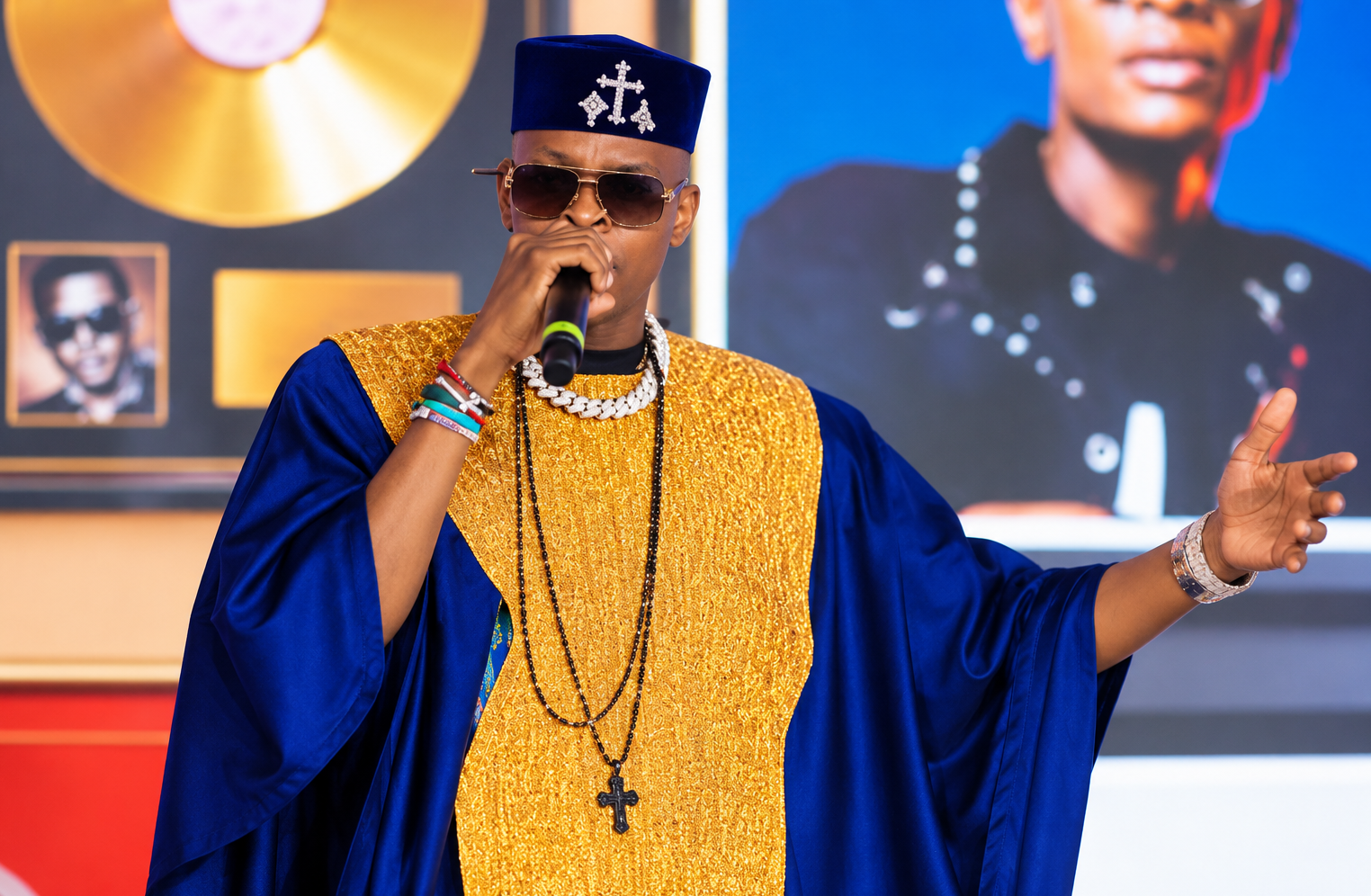
Doumbia also says that these trying times for the industry led to the rise of resistance music in Mali. "The young Sidiki Diabate is one of the most successful rappers at the present time. Occasionally, this new generation of rappers will criticise the political management of the crisis by the Malian authorities. In most cases, they are creative in their critiques and are enthusiastically praised in Mali and its neighbouring countries," Doumbia says[10].
Such rappers include Mylmo, Master Soumy and Tal B – young musicians who have opted to speak up and denounce the mistakes of the authorities. In his song 'Yabé-2012', Mylmo demonstrates how Malians were extremely disappointed in President Ibrahim Boubacar Keita, who had promised them a nation of dignity and honour as well as a strong and accountable state. Similarly, Master Soumy denounced bad governance against the backdrop of constant changes in leadership in his single 'Toukoutoukou Bari Bari'[11].
Revival efforts
Faced with this situation, measures are being taken by concert promoters, musicians and some government officials to save the Malian music industry from this state of atrophy. Among the events at the forefront of such efforts is Festival sur le Niger in Segou, notwithstanding the precarious security situation in the region[12]. The festival's organisers have the advantage of established infrastructure, such as places offering accommodation, to stage the festival. This has allowed them to develop a sustainable programme over the years. Speaking after the 2017 event, Festival sur le Niger organiser Mamou Daffe said: "Our festival was able to resist, but the situation is worse for other cultural events. In short, the security crisis has spared no cultural activity in the north as in the south"[13].
Musicians at the forefront
Toumani Diabate, the famous kora player, has joined the ranks of musicians trying to rejuvenate the Malian music industry and has been instrumental in the staging of Festival Acoustik Bamako (FAB) at the French Institute[14]. Organised by Diabateba Music, this event is part of a broader programme of activities aimed at promoting Mali, its music and its musicians to the world. According to Diabate, the festival arose from a synergy between Malian artists, cultural operators and institutions, and it is intended to be an annual event with a primary focus on musicians and music fans. The 2017 installment included the participation of leading artists such as Fatoumata Diawara, -M-, Toumani & Sidiki Diabate and France's Mandé Brass Band[15], while 2018 saw Blur and Gorillaz frontman Damon Albarn featured at the event.
Meanwhile, musician Habib Koite is also the owner of Maya’s Place, a hotel that hosts music shows for the public every weekend[16]. It has a nightclub, a refreshment area and a dance floor. "It is through music that we will show our commitment to restore a lasting peace in Mali. I created this space to allow young artists and beginners to show their skills," Koite says[17].
The political will of the state
The Malian government has undertaken a number of actions aimed at improving the living conditions of artists. It was in this spirit that a bill was passed setting an outline of literary and artistic works in Mali (9 March 2016). The bill determines the conditions of protection, including the operating modes of royalties as well as the institutional framework of the collective management of copyrights and related rights[18].
To revive musical activity in northern Mali, the city of Timbuktu boasts a multifunctional innovation hub to host meetings, panel discussions and other cultural events as part of the Timbuktu Renaissance project. This project aims to contribute to the return of lasting, sustainable peace and economic stability in the northern regions of Mali by using culture as a vector of change. Initiated by the Ministry of Culture in partnership with the US embassy in Mali, at the time of writing (2017-18), Timbuktu Renaissance had made progress with the construction of the hub at a cost of about $80 000. According to those in charge of the project, the hub would allow for cultural intermixing and thereby promote peaceful relations in northern Mali. Future plans included partnering with the Google Cultural Institute to equip the hub, and to broadcast performances by young artists to the world via platforms such as YouTube[19].
Malians are optimistic that the implementation of the Strategic Framework for Economic Recovery and Sustainable Development (CREDD 2016-18) will see more projects like Timbuktu Renaissance developed across the country. The CREDD initiative provides for the establishment of an institutional support fund for cultural structures, businesses and industries. It also aims to strengthen the human and material capacities of the Institut National des Arts (INA)[20].
More than 4.8 billion CFA francs ($8.6m) were provided for this purpose in 2017. The effective implementation of CREDD, which is piloted by the Technical Unit of the Strategic Framework for the Fight Against Poverty (CT-PRSP) has, however, been delayed across all targeted performance areas in the cultural sector. Indeed, at the time of writing (2017-18), consultations for its implementation at the regional level were still ongoing[21].
Weathering the storm
Repeated conflicts have adversely impacted the staging of live music events and the recording of new music in Mali, severely hindering the operations of one of Africa’s most celebrated music industries. Nevertheless, Malian musicians have adapted to the situation and have largely managed to be heard and persevere in their careers[22]. The key stakeholders – musicians, the Malian government and foreign donors – view the reinvigoration of the music industry as an important aspect of establishing lasting peace in the region.
Resources and citations:
- [1] https://www.theguardian.com/world/2013/jan/16/mali-guide-to-the-conflict
- [2] http://afrique.lepoint.fr/culture/mali-la-musique-a-l-epreuve-de-la-crise-27-05-2015-1931373_2256.php
- [3] https://www.theguardian.com/music/2013/jan/15/mali-music-ban-islamists-crushing
- [4] http://malijet.com/la_societe_malienne_aujourdhui/actualite_culturelle_au_mali/166053-crise-de-2012-et-activites-culturelles-on-baisse-les-rideaux.html
- [5] https://www.jeuneafrique.com/298801/economie/mali-le-tourisme-reduit-a-peau-de-chagrin-sous-la-menace-terroriste/
- [6] http://sahelien.com/en/mali-in-bamako-the-artistic-and-cultural-biennale-resumes/]
- [7] https://maliactu.net/mali-annulee-a-cause-de-la-conference-dentente-nationale-du-27-mars-au-2-avril-la-biennale-artistique-et-culturelle-doit-encore-attendre/
- [8] http://africultures.com/personnes/?no=20167&utm_source=newsletter&utm_medium=email&utm_campaign=429
- [9] Author interview with Youssouf Doumbia (2017)
- [10] ibid.
- [11] https://blogs.voanews.com/music-time-in-africa/2012/08/30/malian-music-prevails-in-troubled-times-rap-music-and-festivals-rally-to-rebuild-the-nation/
- [12] http://malizine.com/2017/02/03/festival-sur-le-niger-une-tradition-perpetuee-au-grand-bonheur-des-segoviens/
https://qz.com/africa/1152476/malis-festival-sur-le-niger-in-segou-shows-citizen-centered-development-can-trump-gentrification/ - [13] https://maliactu.net/mamou-daffe-promoteur-du-festival-sur-le-niger-le-president-de-la-republique-recevra-les-recommandations-du-colloque-du-festival-sur-le-niger-cest-la-preuve-dun-partenar/
- [14] https://www.facebook.com/festivalacoustikbamako/
- [15] http://malijet.com/actualite_musicale_malienne/145049-festival_accoustik_bamako_edition.html
- [16] https://www.telerama.fr/musique/un-samedi-soir-a-bamako,131848.php
- [17] http://bamada.net/espace-culturel-mayahotel-nuit-de-la-paix-et-de-la-reconciliation-nationale
- [18] https://www.export.gov/article?id=Mali-Protection-of-Property-Rights
- [19] https://maliactu.net/mali-timbuktu-renaissance-souci-dune-relance-touristique-et-culturelle/
- [20] http://www.finances.gouv.ml/document/cadre-strategique-pour-la-relance-economique-et-le-d%C3%A9veloppement-durable-du-mali-credd-2016
- [21] http://www.maliapd.org/Fatou/CREDD%202016-2018.pdf
- [22] http://afropop.org/articles/afropop-returns-to-mali-part-2
This article is part of the Music In Africa Connects project, a multifaceted development initiative aiming to support the music sectors of African countries affected by conflict. To find out more about Music In Africa Connects, click here.
Disclaimer: Music In Africa's Overviews provide broad information about the music scenes in African countries. Music In Africa understands that the information in some of these texts could become outdated with time. If you would like to provide updated information or corrections to any of our Overview texts, please contact us at [email protected].
Editing by David Cornwell


Most popular

Ghana: Mr Eazi and MOLIY’s ‘Comfort’ earns Urban Music Awards nomination
21 Oct 2026

Top Naija songs of 2026
31 Mar 2026

Top Afrobeats songs of 2026
19 Mar 2026

Top amapiano songs of 2026
16 Feb 2026
Open call: CANEX Music Business Lab and Songwriting Camp
15 Oct 2026
Nigeria: CANEX WKND unveils 2026 programme
21 Oct 2026
Disclaimer: Music In Africa provides a platform for musicians and contributors to embed music and videos solely for promotional purposes. If any track or video embedded on this platform violates any copyrights please inform us immediately and we will take it down. Please read our Terms of Use for more.

Subscribe to our monthly Newsletter
Follow us on social media


Please log in to post a comment.