

























Music community in SA mobilised for fair treatment and opportunities
13 Dec 2021 - 13:16


By UNESCO
Would it be possible to live in a world where music did not exist? Music is part of people’s everyday lives. It is constantly present, whether it is musicalising the joyful moments or the sorrowful ones. Regardless of people’s nationalities, if something connects people, it is being able to appreciate a pleasant song. The African continent possesses a rich diversity of ethnic and cultural influences in music, which offers a wealth of possibilities for listeners to select what they want to listen to. In order to offer this variety of styles, there is a brilliant array of professionals committed to generating this diversity of artistic options and transforming it into reality.
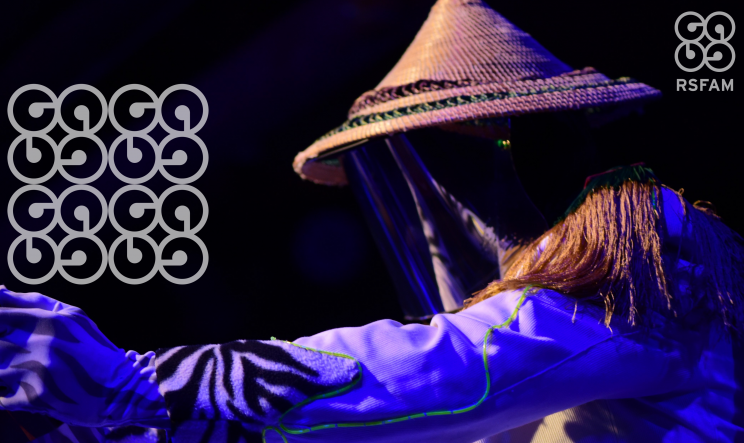
Unluckily, this industry is usually forgotten by governments. In difficult circumstances such as the recent COVD-19 pandemic, the music industry remains habitually the last one to receive financial support. This is why securing funding support to uplift creators worldwide becomes a pressing need. In this case, the International Fund for Cultural Diversity (IFCD) of UNESCO seeks to empower artists through the Music In Africa Foundation’s Revenue Streams for African Musicians (RSFAM) project, which provides them with the instruments to boost their income and enhance their economic stature in the music industry.
The RSFAM project
RSFAM was first deployed in South Africa as a pilot to serve as an example to replicate. Fascinatingly, the project engaged not only singers and musicians but also other professionals such as field researchers, and hence creates positive effects across the stakeholder landscape.
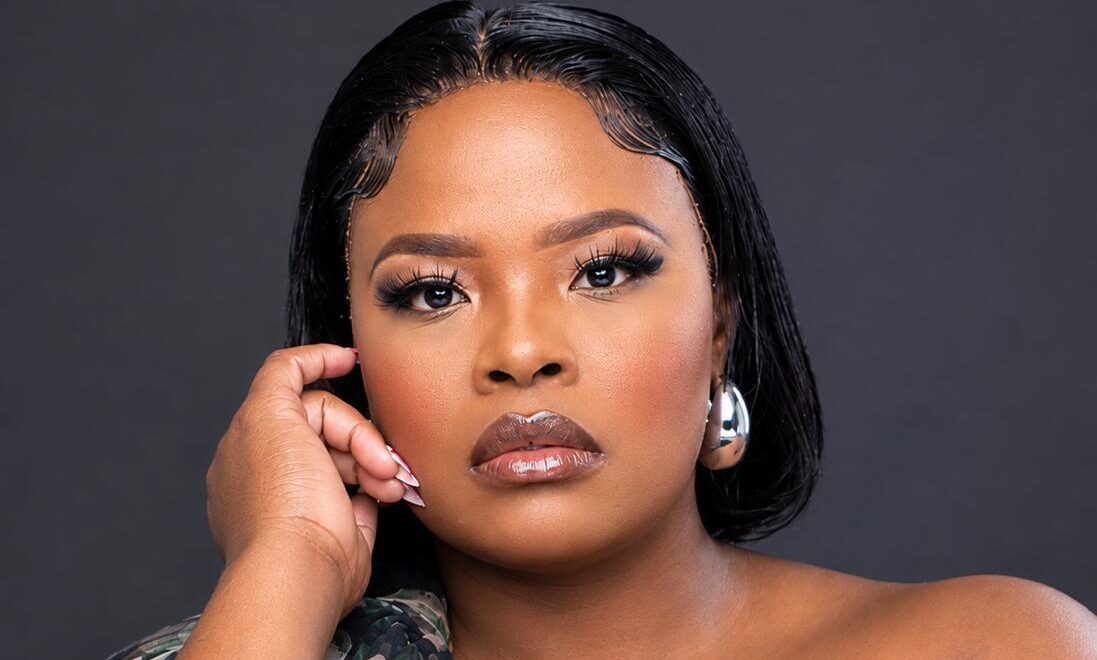
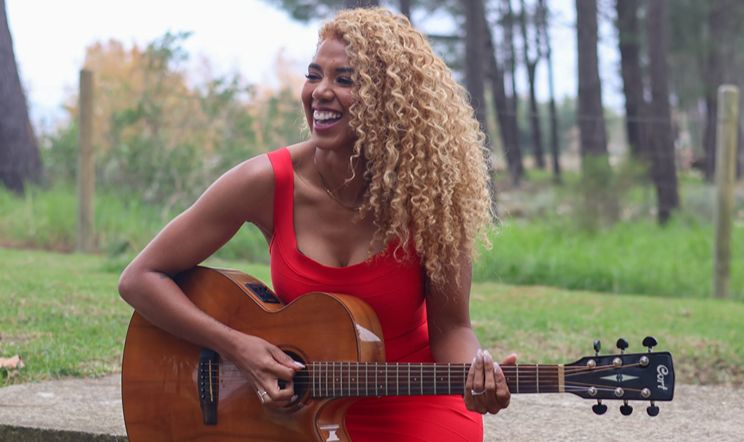
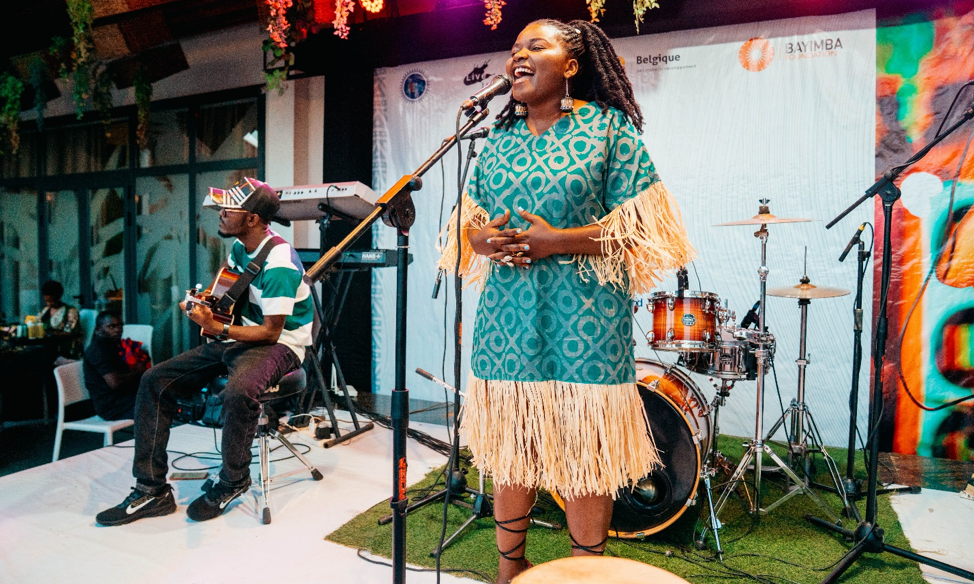
Picture a fancy café in downtown Johannesburg where jazz serves as the soundtrack for young and old alike. The city is famous for its jazz scene and its music ecosystem has allowed singers like Spha Mdlalose, who has 10 years of experience, to make a name for herself and become a professional singer. She has done voice overs for other artists and has her radio show both on conventional radio and on mainstream stations. Woefully, COVID-19 has forced her to suspend what had been and remains her dream: to travel in her country performing for her beloved audience. It is not easy to make a living as an artist and in Mdlalose’s case, she is often insecure about the fair amount of money she should receive for her professional contributions.
“It is unsustainable to rely on performance fees alone, particularly after the pandemic,” she says. “Moreover, the project provides a solution for something that could be beneficial to my life.”
But Mdlalose does not solely consider this assignment as an individual matter, as she is also looking out for spillover effects in her community. She believes that the work being done positively impacts the welfare and development goals of the community in which she currently lives. “My community can, through access to the knowledge that the project is providing, navigate the current industry and the revenue-creating opportunities within it.”
Something that Mdlalose considers interesting is the way in which the RSFAM project generates research, something that is usually not done within the local music industry. This is one of the reasons why she believes this opportunity delivering powerful impact is “so meaningful and highly relevant.”
Furthermore, the impact of the IFCD’s intervention on Mdlalose’s life both personally and professionally has been positive, as it has contributed to improving her quality of life. As an artist, the outcome of the assignment has delivered the necessary resources for her to make a more adequate living in the music industry. This has had positive financial repercussions, allowing Mdlalose to enjoy a more stable lifestyle. More precisely, she has learnt to properly recognise and carefully manage opportunities to receive further income from them. At a personal level, as Mdlalose is pursuing an MBA, the project has provided her knowledge to begin writing her thesis, thus improving her academic stature. This was an important aspect of what she intended to achieve as a beneficiary. “I am interested in improving my knowledge so that I can help those around me within the creative industry,” she says.
The RSFAM project is a multifaceted initiative comprised of several key components and phases, of which capacity building, research and analysis represent its most important pillars. In these instances, for analysis to take place and for the necessary information to be gathered, passionate people who want to be part of projects like this seek to promote the development of society as needed. Such is the case of Thandeka Msebenzi, a research consultant from the coastal city of Durban.
“Everyone should be responsible for the environment we live in and participate in, taking care of it and making sure future generations can experience it as well,” Msebenzi says. “This can primarily be achieved if we all take part and allow those who have knowledge on how to do so to educate us, and we learn from one another.”
This constitutes a win-win situation, where workers from different types of industries benefit from each other’s knowledge. Understanding how to enhance the income of music professionals has undoubtedly helped Msebenzi realise that she also needs to be more aware of the value of her work, and how much she should be paid for it. The impact has been positive, as her income should increase given what she has learnt from the project. She says she uses this knowledge in work that generates more income, keeps her earnings steady throughout the year. At the same time, the project has improved her professional career because it made her evolve towards new horizons such as the world of music, allowing her to generate new work opportunities with different types of clients.”
Each day that she carefully finishes collecting the valuable information requested in the project, she grasps something new: “I listened to various genres of music that I did not know of; voices, sounds, tunes and beats that had been produced by young and elderly South Africans.”
These refreshing knowledge gains are another key asset of the IFCD-funded project. Looking to the future, both Mdlalose and Msebenzi are determined to overcome the challenges that may come along the way with the valuable lessons that they have learnt thanks to UNESCO and the IFCD. Thus, they will also perform their endeavours with the interests of communities always at the forefront of their minds. The project has been resonating far beyond its individual beneficiaries, as it seeks to generate spillover effects for many stakeholders both within and even outside the music industry. For Mdlalose and Msebenzi, the music industry will benefit from more in-depth knowledge of current trends, allowing artists to close deals that will generate a fair and more adequate income for their work. For both of them, this is all about making improvements.
“The ultimate goal is to improve wherever we can as communities and to comprehend what makes communities stronger and resilient,” Msebenzi says.
This article first appeared on the UNESCO official website.
UPDATE
As part of the RSFAM project, the Music In Africa Foundation will be holding countrywide workshops that will cover areas such as optimising earnings from royalties, understanding music rights, brand-related revenue, income from live performances and music-related services. The first workshop will be held in Langa, Cape Town, on 3 and 4 March. Practicing musicians in the Western Cape province are invited to apply to attend the workshop until 21 February 2022. Connect with Music In Africa on Twitter, Instagram and Facebook, and subscribe to the monthly newsletter.


Most popular

Top amapiano songs of 2026
16 Feb 2026

Top Afrobeats songs of 2026
19 Mar 2026
Top Naija songs of 2026
31 Mar 2026
Open call: 2026 Gender@Work music industry training in Johannesburg
09 Oct 2026
Gambia: Suntou Susso announce UK tour for ‘The Path of a Griot’
09 Oct 2026

ACCES unveils stellar programme for 2026 edition
17 Oct 2026
Disclaimer: Music In Africa provides a platform for musicians and contributors to embed music and videos solely for promotional purposes. If any track or video embedded on this platform violates any copyrights please inform us immediately and we will take it down. Please read our Terms of Use for more.

Subscribe to our monthly Newsletter
Follow us on social media


Please log in to post a comment.