





































NEFCISA
NEFCISA

The Music In Africa Foundation (MIAF) is proud of its partnership with the Industrial Development Corporation (IDC) as a Strategic Implementing Partner (SIP) for its Social Employment Fund (SEF). Through this collaboration, MIAF is running a national programme that is creating jobs, addressing skills gaps, and strengthening South Africa's creative industries — in line with the SEF's overarching goal to generate work for the common good and build community value through employment, social contribution, and inclusive economic participation. Operating under the banner NEFCISA (National Employment Facility for Creative Industries in South Africa), the initiative is recruiting and training participants, matching them with host organisations, and has already placed 1 500 workers across the country — surpassing its original target of 1 000. NEFCISA is delivered through a network of 20 host organisations spanning five provinces, who are actively hosting participants and contributing to work for the common good across South Africa's creative and cultural industries. Key Objectives: Support employment and entrepreneurship in the creative industries. Offer skills development and training programmes. Foster partnerships between public and private creative sectors. Promote South African creativity at both provincial and national levels Foster community development through social contribution.

ACCES
ACCES

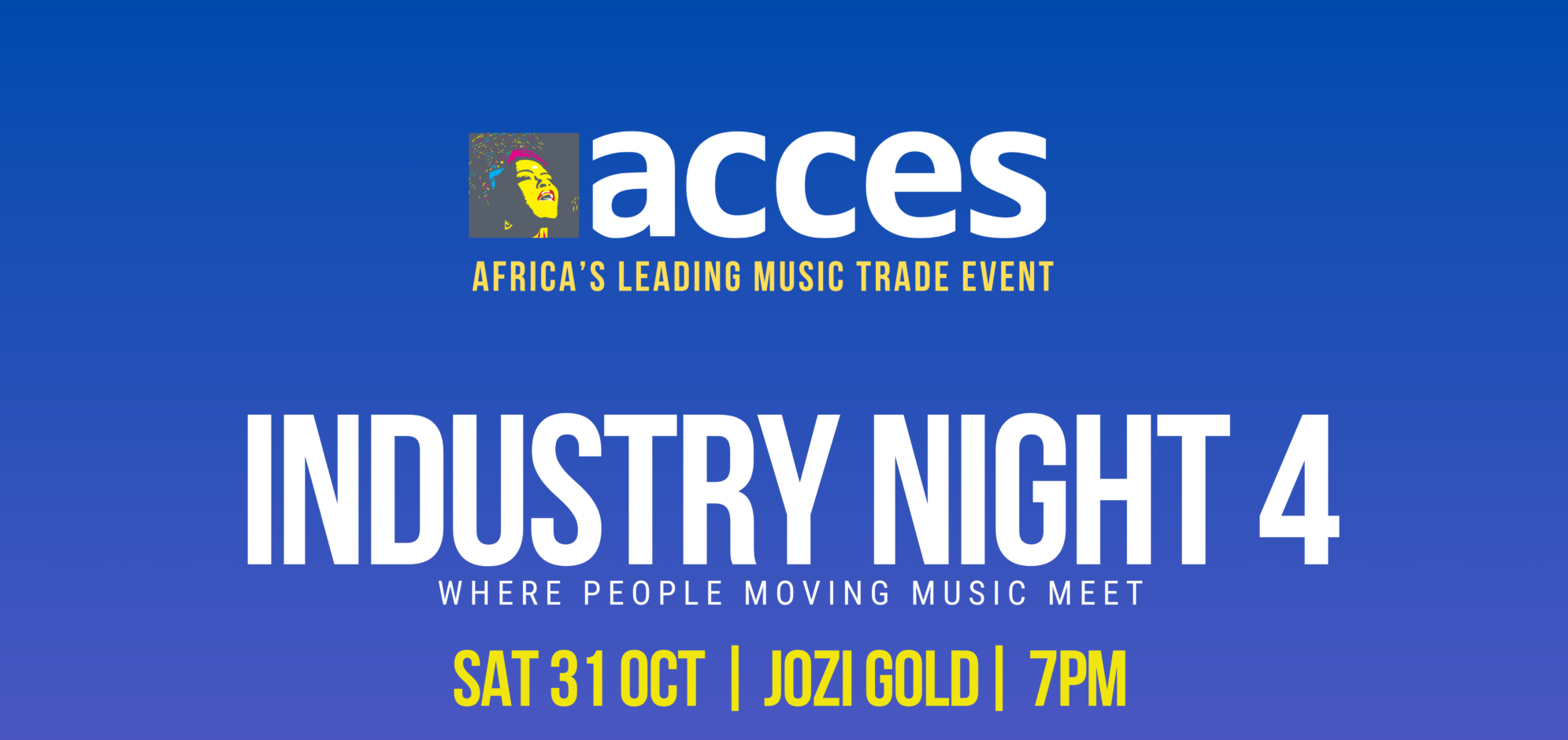
ACCES Conference and Showcase Festival is Africa's leading music industry gathering, bringing together the people shaping the future of the continent's music business. Artists, entrepreneurs, executives, investors, policymakers and cultural leaders from across Africa and around the world come to ACCES to build partnerships, exchange ideas, discover talent and create new business opportunities. Since its launch in 2017, ACCES has become the continent's premier platform for professional exchange and music market development. Combining a high-level conference with a curated showcase festival, networking, exhibitions and industry programmes, ACCES offers a unique space where creativity meets business and where African music connects with the global industry.

Gender@Work
Gender@Work

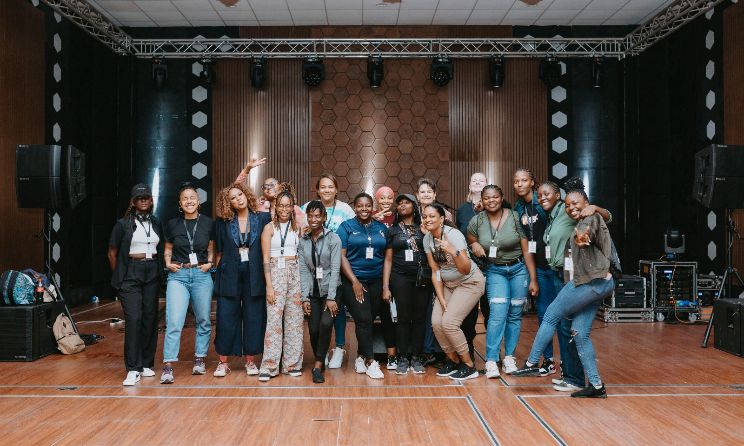
Music In Africa Gender @ Work is a three-year training programme aimed at upskilling and increasing the participation of female professionals in the African music sector. Launched by the Music In Africa Foundation (MIAF) in April 2019, the programme is connected to the MIAF’s ACCES music conference – a pan-African event held in a different African country every year. This connection enables the programme to reach new participants in a different African country every year. The programme marks the beginning of a more concerted effort by the Foundation to support the participation and inclusion of women in all facets of its programmes and the music sector in Africa as a whole. Over the three years, the programme will aim to address gender imbalances in the sector through training, lobbying, facilitating knowledge exchange and dialogues that foster the interest of women. The broader objectives of the programme are to: Provide industry training for women on critical music industry skills, focusing on: Stage management Electronic music production and recording Music business management Technical knowledge Provide an opportunity for both professional and aspiring women to benefit from the Music In Africa network and its broad range of activities in 2019, 2020 and 2021. Provide a solution-based platform in the form of a round table at ACCES with a view to identify challenges, discuss opportunities and lobby for the interests of female practitioners. Offer participants the opportunity to benefit from programmes offered by MIAF’s partners. Increase access to educational materials. Integrate participants in the broader ACCES programme to maximise experience and exposure to the industry. Record and present training materials on the www.musicinafrica.net, including but not limited to tutorials, templates and other best-practice materials. Communicate women-based themes that support the initiatives and messages of the programme. MAIN TRAINING ACTIVITIES Training in first country (Ghana): In the first year, participants will be trained on all aspects of stage management by a team of experienced stage managers from 10 to 17 November 2019. The programme will offer robust classroom training as well as practical, hands-on training in which participants will also be given the opportunity to manage various aspects of the ACCES performance programme. Training in second country: The second training iteration will take place at ACCES 2020 when the programme will diversify its course to include music production lessons and training on other music business topics. A round-table platform will also be introduced to coincide with the ACCES programme. Training in third country: The third training iteration will take place at ACCES 2021 in a different country, offering an advanced course. HOW DO YOU GET INVOLVED?  As a participant, facilitator or trainer: The programme enrolls up to 12 trainees every year. All opportunities are advertised publicly on this website, and will be added to this page. Please keep checking this page for new calls (below under UPDATES & CURRENT OPPORTUNITIES). As a partner Please contact Claire Metais at [email protected]. APPLY The call for applications for 2020 will be announced soon. The Music In Africa Gender @ Work programme is made possible with the support of the Prince Claus Fund, Siemens Stiftung and Goethe-Institut.

Sound Connects Fund
Sound Connects Fund

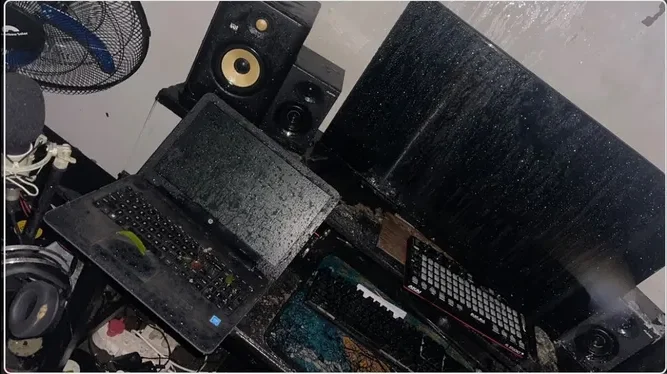
For cultural and creative practitioners and organisations operating in southern Africa, access to funding remains a major challenge. The COVID-19 pandemic has also had a massive impact on government policy, spending and the economy in general, and has seen spending on culture being moved further down the list of priorities. Further, the cultural and creative industries repeatedly cite four main areas where investment is needed for growth, which are increased visibility, mobility including access to new markets, finance and support structures.

Instrument Building And Repair Project

Experience the Vibrations African Instruments Exhibition online in 3D

Features

Music of Wakanda is Africa’s blank cheque

05 Mar 2018 - 15:52

cc-img flag-img

As the fame and fortune of Marvel’s blockbuster Black Panther spreads, so is African music. Black Panther is to movies what Obama was to politics. It has mainstreamed African culture and made it cool to come from Wakanda. But what does this mean for African music? Does the hype that this movie has generated only serve to make millions for Marvel or does it open doors for African music and African-themed entertainment content?

The writer says Black Panther puts Africa in a good light for the first time.

When Swedish composer and producer Ludwig Göransson was tasked with the production of the film score, he came back to Africa for inspiration. In a YouTube clip dubbed The Making of Wakanda With Ludwig Göransson he explains how he followed Senegalese singer and guitarist Baaba Maal. In fact the opening score of the movie was inspired by Maal’s concert intro. It was performed by the maestro and by the talking drums of Massamba Diop.

As the franchise titillates more and more fans around the globe, it’s likely many will also take this journey to discover Africa’s cultural products. Kendrick Lamar’s Black Panther album is laden with African themes both in its audio and video presentations. Initially he was brought in to make a few songs but was so drawn in by the narrative that he did the entire album after just watching half the movie.

The lead single from the album ‘All the Stars’ featuring SZA is a tribute to Africa with stunning visuals in the video. The film score also involves various beats and songs by African artists such as ‘Gobisiqolo’ by Busiswa, ‘The Rhythm’ by Tumelo, ‘How Dare You’ by Professor featuring Mr Selwyn and ‘Wololo’ by Babes Wodumo and Mampintsha.

For the artists whose songs were featured in the film, the benefits are obvious and immediate. For the rest, however, it is more of a foot-in-the-door situation – a new window of opportunity for the discerning. Music, like fashion, is a cultural product, whose demand is driven by perceptions. Up until now, a majority of movies depicted Africa in a bad light and created negative perceptions. They adversely affected the demand of Africa’s cultural products.

But Black Panther has done the exact opposite, going out of its way to paint Wakanda as the most technologically advanced state in the world. Though fictional and utopian, it endears audiences to the glory of Africa like never before. Already the Black Panther hype has begun creating demand for African fashion, with shops that sell African attire recording a spike in sales. Major media outlets and morning shows around the world have been shining a spotlight on African fashion. Nigerian-born designer Yetunde Olukoya was featured on Fox 11 Los Angeles News on 3 January with the tagline, “Here to show us how to take looks from the magical land of Wakanda to the rest of the world for opening night.”

The marketing power of the film is undeniable. It’s the reason companies invest millions in product placement. The 1986 Tom Cruise movie Top Gun is reported to have increased Ray-Ban sales by 40% in seven months and upped US Navy recruitment by 500%. Sales of the Chevrolet Camaro were also reported to have shot up after the car featured prominently in the Transformers movie of 2007, while the Matrix made the Nokia 8110 slider phone a marvel of its time.

Weaving subliminal messaging in a film’s script is a proven demand-creation strategy. In the same breath, consider Black Panther a billboard for African music. On top of its spectacular African visual representation, the movie relies a lot on music to tell its story; it curates music from various black cultures. It brings together African-American music, traditional African and African pop in a package that encompasses the best of African culture.

Wakanda and everything it represents is a blank cheque to the African music fraternity. For the first time the spotlight is shining on Africa and it’s our turn to call the tune. What we do with the opportunity, however, is what determines how far African music will go.

Please log in to post a comment.

Most popular

Disclaimer: Music In Africa provides a platform for musicians and contributors to embed music and videos solely for promotional purposes. If any track or video embedded on this platform violates any copyrights please inform us immediately and we will take it down. Please read our Terms of Use for more.

newsletter banner

Subscribe to our monthly Newsletter

Follow us on social media