






















































Open call: Ernst von Siemens contemporary music projects
29 Aug 2024 - 15:24


The Ernst von Siemens Music Foundation in Zug, Switzerland, is inviting music organisations and institutions around the world to apply for contemporary music projects.
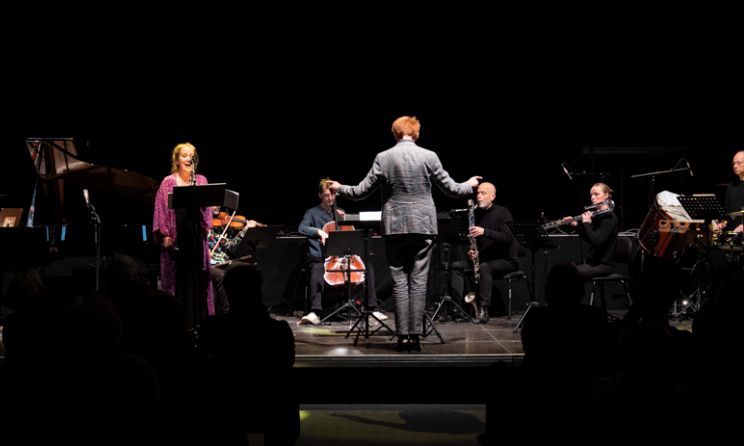
The foundation supports festivals, concerts with premieres and revivals, composition commissions, symposia and the publication of musicological writings worldwide. Another concern of the foundation is the promotion of academies for young musicians and composers. In addition, the foundation supports educational, children’s and youth projects that open up contemporary music to a new or young audience.
Funding conditions
Applicants can only submit an application if they declare or agree to the terms for funding projects. Should an application be approved, applicants will receive a funding agreement on the basis of the funding conditions. Please read the terms for funding projects carefully before submitting an application.
Deadline for applications
- Applications can be submitted before 15 September for projects starting at the earliest in 2025. A decision on these applications will be made by the end of the respective year.
- Applications can be submitted before 1 March for projects starting at the earliest in the second half of 2025 (earliest in July). A decision on these applications will be made by the end of June.
Funding mode
- Each institution can submit only one application per deadline.
- Each institution can only be supported with one project per calendar year.
- A maximum of three projects can be supported in three consecutive years or periods (e.g. in the case of biennials).
Applicant
- Applications can only be made by the organising institution. Self-applications and applications from individuals are not possible.
- The applicant stated shall be the contact person for all content-related queries. The applicant and the commercial management must be authorised signatories for the institution, as they sign the funding agreement in the case of a grant.
Online application
- Applications can only be submitted online in German or English. Therefore, applicants must register in the foundation’s application system. Complete the online form in full using complete sentences (not bullet points).
- Applicants can save a copy of their application and continue working on it later. It is only possible to submit the application once all obligatory fields have been completed.
- Applicants should check their applications in the PDF view. The application will be presented to the Board of Trustees.
- In addition to the application form and the detailed budget plan, one more file will be presented to the Board of Trustees in preparation for the meeting. This document may contain up to eight further pages and should, depending on the type of project applied for, include the following supplementary information: concert programmes, short biographies, table of contents for publications, participants and programmes for symposia and such like. Should the file exceed eight pages or fail to meet the formatting criteria, it will not be presented to the Board of Trustees for the preparation of the meeting. Applicants can upload the document in the application form.
- The application must be submitted by the relevant deadline otherwise the application deadline shall be deemed missed. Once the application has been successfully submitted, applicants will be sent an automatically generated email confirming their application has been received in the system. Non-submitted applications will be deleted by the system once the relevant deadline has passed.
Submit an application here.
Funding sum
- The foundation primarily covers artistic costs.
- The foundation shall not provide full funding of projects.
- The Board of Trustees takes into consideration how the requested funding sum relates to participation from other institutions, organisers, or foundations. At least one other institution should participate in the project within a financial framework which is similar to the amount requested from the EvS Music Foundation. If the requested funding amount is far higher than the individual financial contributions of the other project sponsors, the project cannot be supported.
- Comparable artistic achievements should be rewarded equally, regardless of gender and origin.
- Even if applicants are requesting support for only a part of the project, the foundation always requires a complete cost and financing plan. For example, if applicants are requesting support for a composition fee, they should submit a cost and financing plan for at least the premiere concert.
Additional material to be submitted
- When planning events involving the performance of works by young or lesser-known composers, or when awarding commissions for compositions, exemplary scores and recordings must be submitted by the application deadline. If possible, works with larger instrumentation should be submitted and the recorded pieces and the scores should duly correspond. If unsure whether applicants need to submit material on the composers involved in the project, they can clarify this with the foundation in advance.
- The material must be submitted online together with the application form. Applicants should use a cloud service for submitting the material. They can include the link directly in the application form.
- The material must be permanently accessible via the cloud service. Applicants should not deposit the material as an upload and should not submit the material via a data transmission service where access is only valid for a few days. There may be a few months between the application deadline and the meeting of the board. If the material is no longer available at the time of the meeting, it will be deemed as not submitted.
- Neither the link to the cloud service nor the material can be sent to the foundation separately and/or subsequently by email. In this case, too, the material is deemed not to have been submitted.
- Links to homepages of composers can be added to the CVs. If only links to homepages but no separate material is sent via a cloud service, the material is considered not to have been submitted.
View the original call here.


Most popular

Top Naija songs of 2026
31 Mar 2026

Ghana: Mr Eazi and MOLIY’s ‘Comfort’ earns Urban Music Awards nomination
21 Oct 2026

Top Afrobeats songs of 2026
19 Mar 2026

Top amapiano songs of 2026
16 Feb 2026

Open call: CANEX Music Business Lab and Songwriting Camp
15 Oct 2026

Nigeria: CANEX WKND unveils 2026 programme
21 Oct 2026
Disclaimer: Music In Africa provides a platform for musicians and contributors to embed music and videos solely for promotional purposes. If any track or video embedded on this platform violates any copyrights please inform us immediately and we will take it down. Please read our Terms of Use for more.

Subscribe to our monthly Newsletter
Follow us on social media


Please log in to post a comment.