







































NEFCISA
NEFCISA

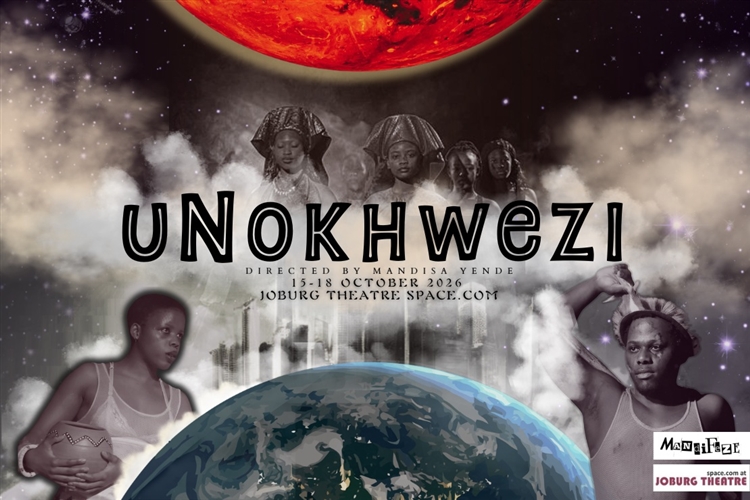
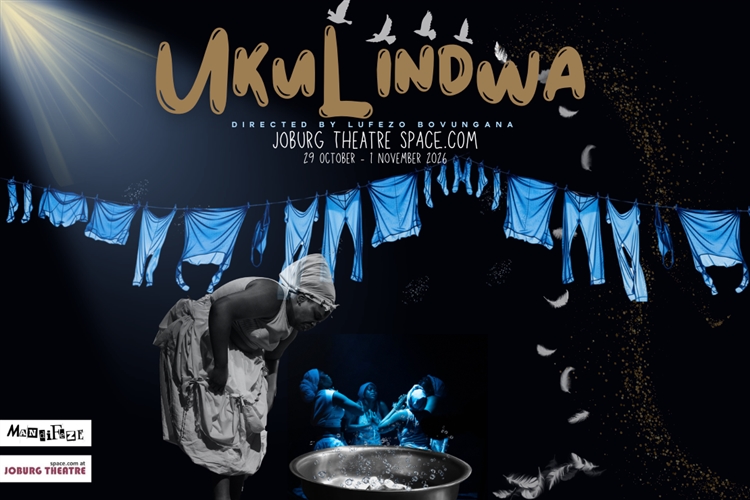
The Music In Africa Foundation (MIAF) is proud of its partnership with the Industrial Development Corporation (IDC) as a Strategic Implementing Partner (SIP) for its Social Employment Fund (SEF). Through this collaboration, MIAF is running a national programme that is creating jobs, addressing skills gaps, and strengthening South Africa's creative industries — in line with the SEF's overarching goal to generate work for the common good and build community value through employment, social contribution, and inclusive economic participation. Operating under the banner NEFCISA (National Employment Facility for Creative Industries in South Africa), the initiative is recruiting and training participants, matching them with host organisations, and has already placed 1 500 workers across the country — surpassing its original target of 1 000. NEFCISA is delivered through a network of 20 host organisations spanning five provinces, who are actively hosting participants and contributing to work for the common good across South Africa's creative and cultural industries. Key Objectives: Support employment and entrepreneurship in the creative industries. Offer skills development and training programmes. Foster partnerships between public and private creative sectors. Promote South African creativity at both provincial and national levels Foster community development through social contribution.

ACCES
ACCES

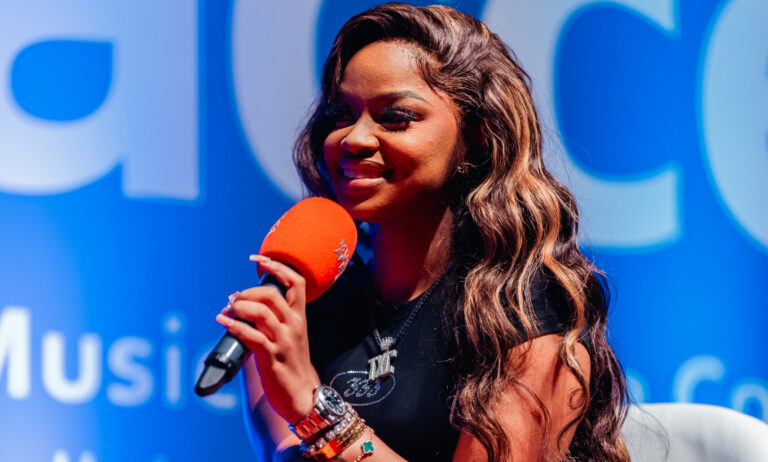
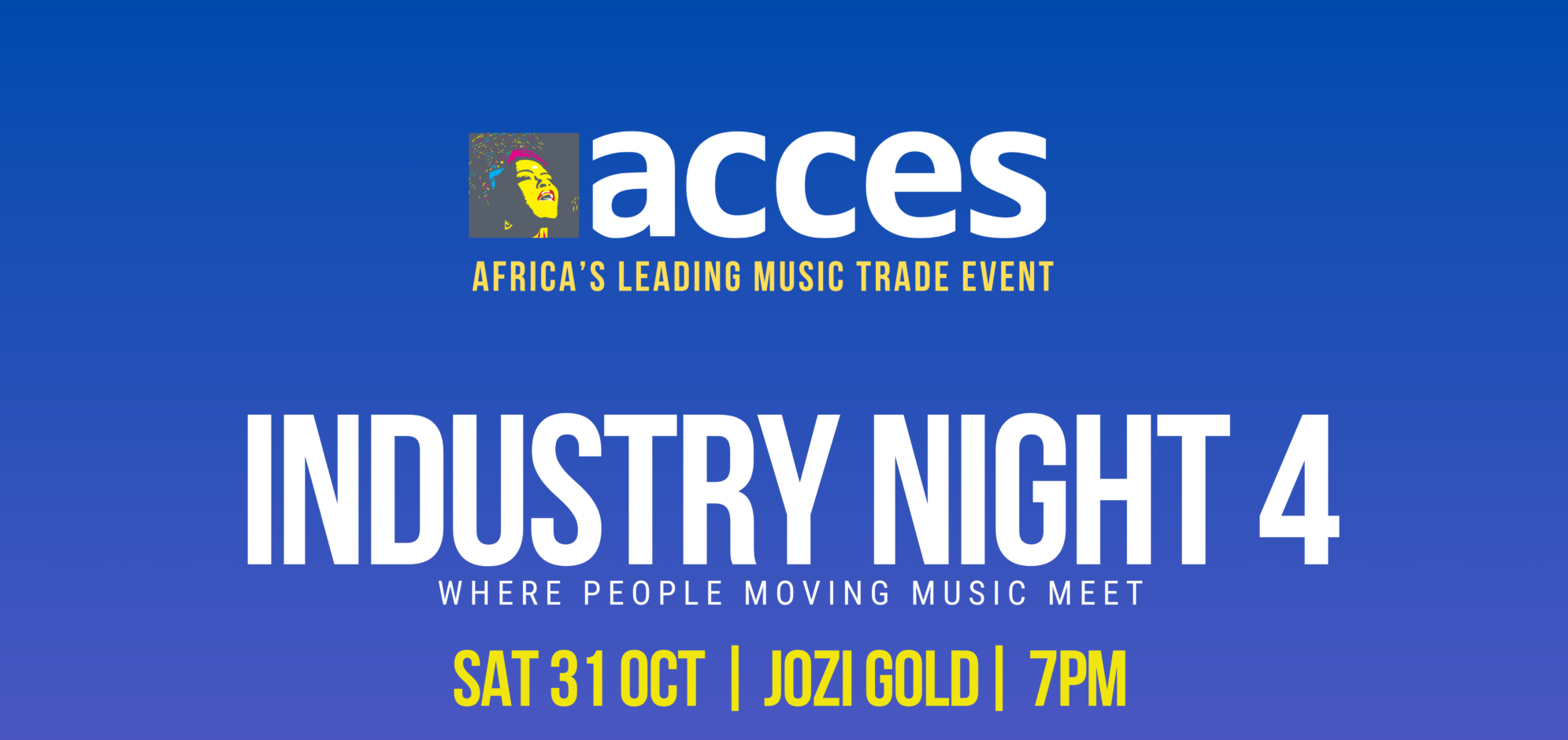
ACCES Conference and Showcase Festival is Africa's leading music industry gathering, bringing together the people shaping the future of the continent's music business. Artists, entrepreneurs, executives, investors, policymakers and cultural leaders from across Africa and around the world come to ACCES to build partnerships, exchange ideas, discover talent and create new business opportunities. Since its launch in 2017, ACCES has become the continent's premier platform for professional exchange and music market development. Combining a high-level conference with a curated showcase festival, networking, exhibitions and industry programmes, ACCES offers a unique space where creativity meets business and where African music connects with the global industry.

Gender@Work
Gender@Work

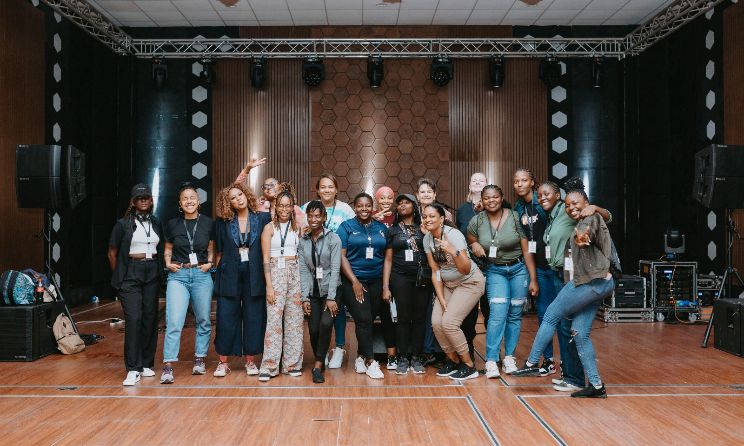
Music In Africa Gender @ Work is a three-year training programme aimed at upskilling and increasing the participation of female professionals in the African music sector. Launched by the Music In Africa Foundation (MIAF) in April 2019, the programme is connected to the MIAF’s ACCES music conference – a pan-African event held in a different African country every year. This connection enables the programme to reach new participants in a different African country every year. The programme marks the beginning of a more concerted effort by the Foundation to support the participation and inclusion of women in all facets of its programmes and the music sector in Africa as a whole. Over the three years, the programme will aim to address gender imbalances in the sector through training, lobbying, facilitating knowledge exchange and dialogues that foster the interest of women. The broader objectives of the programme are to: Provide industry training for women on critical music industry skills, focusing on: Stage management Electronic music production and recording Music business management Technical knowledge Provide an opportunity for both professional and aspiring women to benefit from the Music In Africa network and its broad range of activities in 2019, 2020 and 2021. Provide a solution-based platform in the form of a round table at ACCES with a view to identify challenges, discuss opportunities and lobby for the interests of female practitioners. Offer participants the opportunity to benefit from programmes offered by MIAF’s partners. Increase access to educational materials. Integrate participants in the broader ACCES programme to maximise experience and exposure to the industry. Record and present training materials on the www.musicinafrica.net, including but not limited to tutorials, templates and other best-practice materials. Communicate women-based themes that support the initiatives and messages of the programme. MAIN TRAINING ACTIVITIES Training in first country (Ghana): In the first year, participants will be trained on all aspects of stage management by a team of experienced stage managers from 10 to 17 November 2019. The programme will offer robust classroom training as well as practical, hands-on training in which participants will also be given the opportunity to manage various aspects of the ACCES performance programme. Training in second country: The second training iteration will take place at ACCES 2020 when the programme will diversify its course to include music production lessons and training on other music business topics. A round-table platform will also be introduced to coincide with the ACCES programme. Training in third country: The third training iteration will take place at ACCES 2021 in a different country, offering an advanced course. HOW DO YOU GET INVOLVED?  As a participant, facilitator or trainer: The programme enrolls up to 12 trainees every year. All opportunities are advertised publicly on this website, and will be added to this page. Please keep checking this page for new calls (below under UPDATES & CURRENT OPPORTUNITIES). As a partner Please contact Claire Metais at [email protected]. APPLY The call for applications for 2020 will be announced soon. The Music In Africa Gender @ Work programme is made possible with the support of the Prince Claus Fund, Siemens Stiftung and Goethe-Institut.

Sound Connects Fund
Sound Connects Fund

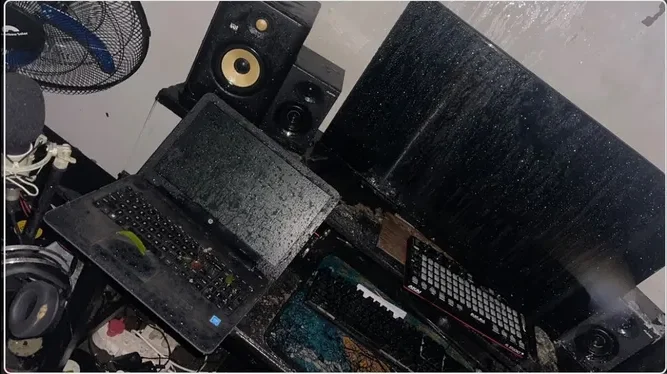
For cultural and creative practitioners and organisations operating in southern Africa, access to funding remains a major challenge. The COVID-19 pandemic has also had a massive impact on government policy, spending and the economy in general, and has seen spending on culture being moved further down the list of priorities. Further, the cultural and creative industries repeatedly cite four main areas where investment is needed for growth, which are increased visibility, mobility including access to new markets, finance and support structures.

Instrument Building And Repair Project

Experience the Vibrations African Instruments Exhibition online in 3D

Reviews

P-Square – Double Trouble

02 Jul 2015 - 11:29

cc-img flag-img

Artist: P-Square
Album: Double Trouble
Label/Year: Square Records, 2014

P-Square – Double Trouble

For the Okoye twins, now on their sixth album, musical maturity means more blatantly commercial fare. Never has a group taken the sell, sell, sell mantra quite as seriously.

And yet, every so often they approach some specifically Nigerian reality. Last time out, on Invasion, they infamously chanted, ‘I don’t mind if you chop my money.’ Of course, you wouldn’t mind if you had their type of money. That song ‘Chop my Money’ has done wonders for the rich Nigerian male abroad to the chagrin of his broke compatriot. If the song is a sly dig at gold-digging women, who is to say such women aren’t hunting these boys? A faulty clock, as they say, is right twice daily.

Because P-square’s one original contribution to Nigerian pop is a sellable unoriginality Double Trouble has a version of ‘Chop My Money’. Early on ‘Mugu Money Spender,’ the duo sings: “I go do anything when you want, I go give you anything you need/but I no wan be your mugu money spender.” From the glee of spending, they are somewhat resigned but it is essentially the same sentiment from fourth to fifth album. A couple of years between. Yet, boys will be boys. As any listener would aver pop music is hardly the place for originality. Making something pre-existing new is the genre’s lifeblood. (You could argue that it is art’s lifeblood.) P-Square’s uniqueness is how they approach what they figured must be done. Some artists do covers; others tweak the old so much it is unrecognisable. P-Square found a way to claim the middle: their versions were instantly recognisable but not covers. The lyrics were different from the original but familiar. Had their cake. Ate it.

The audience ate it, too. Grudgingly. Nigerian pop lovers danced in the clubs but dissed them in the pubs. Later singers learnt the lesson. Banky W came in with ‘Ebute Meta (2007),’ a remake of Rihanna’s ‘Umbrella’ and once he made us look, switched to his original songs. (Some years ago I was in the audience when someone requested ‘Ebute Meta’ during Banky’s set. ‘We have passed that one,’ was his response.) MI came in with a melodious mishmash of Nigeria’s favourite tunes in ‘Safe’ (2008) and then used his glaring gift of the gab for his own compositions. Ditto Wizkid. Recently, Adekunle Gold did it with the excellent ‘Sade’ (2014), pieced together wholesale from One Direction’s ‘Story of my Life’.

Get in, make it, get out is how it works. But P-Square stuck to the method for a while, to considerable sales but insufficient acclaim – until they had survived in the industry too long to be dismissed. They purchased regard not by talent but by doggedness. Which is not the same thing as saying their catalogue lacks merit. For one, ‘Am I still that Special Man’ evokes a strange melancholy. And we have no need to investigate where that emotion comes from – the lines or the pilfered beat from UK singer Craig David’s ‘Rendezvous’. In pop, as in Nigerian governance, if it works, it need not be probed after the fact.

So on Double Trouble, they have plagiarised their own song. And just as they did with Azonto dance producing ‘Alingo’, the popular Shoki dance has produced album opener ‘Shekini’. Wizkid beat them to naming a song Azonto (or perhaps he was just less self-conscious.) Both Orezi and Lil Kesh beat them to naming a song Shoki. So we get the thumping ‘Shekini,’ with its near-martial urgency. Yawn to the lyrics at home. But P-Square are not for the intimacy of indoor-listening. They are for clubs. For concerts. For canopied events. It is a canny system – the more people you can satisfy at once, the greater your utility. It is marketplace math.

To own more of that market, Don Jazzy shows up on album highlight ‘Collabo’. A sex song covered in the innuendo Don Jazzy perfected with D’Banj – ‘Baby, make we collabo. I know you want the collabo. I go sing for you, you go sing for me…she wants to collabo’ – it is sung with just enough room to deny the lewd charge if levied. For the Nigerian listener, the song has the sweetest piffle on the album: ‘As I done show, she no dey regret, no more had I known…If I no get money I get place to borrow’. That line has no real meaning on the track but in that irrational way of most pop it just works. The other highlight, ‘No be Joke’, is more straightforwardly carnal.

Both songs are aberrations since in keeping with the goal of satisfying groups, P-Square is also for family. No curse words, no edge; they provide a confection of sentiment flavoured with stylised emotion. Which is how we get ‘Bring it On’, Double Trouble’s inspirational. The song’s drums and saccharine chords drive home the import of the message: ‘Keep your head high…standing tall’. But in true P-Square style, the song is less spiritually concerned than financially-minded: the featured unknown Caucasian singer Dave Scott applies the hook, ‘Just as long as you chasing money…’

For P-Square, all success is financial; all growth commercial. If both notions are a countrywide problem, as I suspect they are, then Nigerian pop has produced a singing entity that doesn’t mirror as much as mimic the society that has shaped them. P-Square’s double trouble, it so happens, is also Nigeria’s.

Please log in to post a comment.

Most popular

Disclaimer: Music In Africa provides a platform for musicians and contributors to embed music and videos solely for promotional purposes. If any track or video embedded on this platform violates any copyrights please inform us immediately and we will take it down. Please read our Terms of Use for more.

newsletter banner

Subscribe to our monthly Newsletter

Follow us on social media