


























































The 2020 edition of Sauti za Busara (SzB) festival, which took place in Stone Town, Zanzibar, between 13 and 16 February, provided music enthusiasts with a memorable experience of outstanding artists from a diverse range of genres.
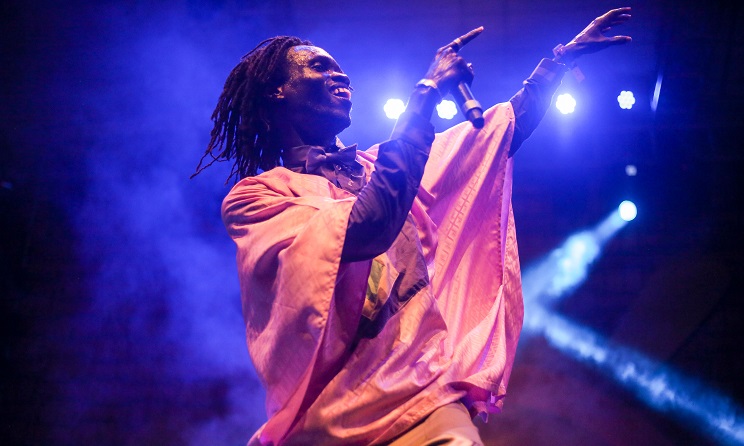
Drawing more than 27 000 fans from near and afar, SzB 2020 demonstrated just how high it has raised the bar in terms of festival curation on the continent.
“Once again in Zanzibar we showed the world a different face of Africa that often goes unheard,” festival director Yusuf Mahmoud told Music In Africa. “Audiences from across East Africa and many corners of the world united in joy to celebrate an eclectic and vibrant programme of live music from the African continent and diaspora."
The audience had plenty of sounds to choose from, whether they were looking for music that was catchy, deep or socially awakening, and it was evident that the majority of the performing artists were looking to inspire and leave a lasting impact.
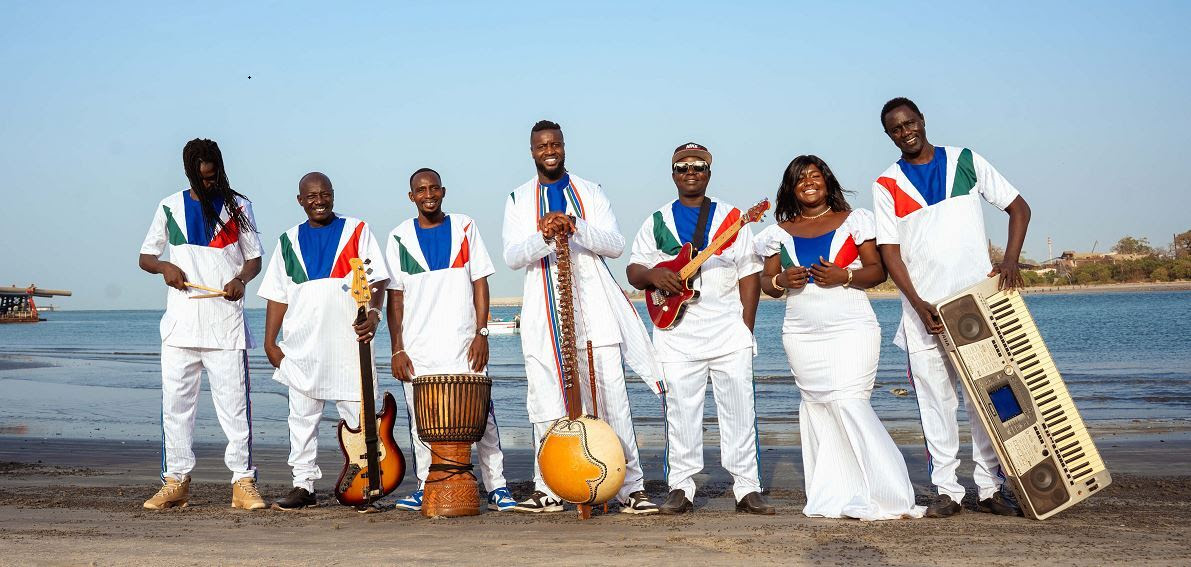
The show was stolen by Ghanaian band FRA!, which packed a powerful theatrical punch. Apart from composing the SzB 2020 anthem, the band’s combination of highlife music, funk and rock was flawless, and so was the great showmanship by its members, who engaged in nifty dance moves and catchy harmonies alongside lively guitar riffs and upbeat percussion. For a festival that celebrates diverse and authentic music from across the continent, FRA!’s set was a true fusion befitting the event.
Another crowd igniter was TaraJazz from Zanzibar, which is touted as the next big thing to come out of the archipelago. The band blends taarab music with furious drum rhythms to create a highly skilled performance. The bandmembers demonstrate their masterful playing with the use of the drums, violin, saxophone, keyboard and contrabass. Every composition was unexpected, much like the funk-fusion years of Miles Davis but with eastern melodies and soukous backbeats added to this musical smorgasbord.
Playing music that was first introduced by the slaves who were brought by French colonialists to Reunion, Kaloubadya provided an animated performance of maloya music. Throughout the set, the lead singer rattled his kayamb while the rest of the band bashed the rouler, sati and piker instruments, creating a tightly wound groove that kept the crowd dancing furiously. Maloya music rocks, no doubt about it.
Another highlight was Mehdi Qamoum and his band from Morocco, who delivered a high-adrenaline representation of Gnawa music. Here the audience was confronted with the clashing of the krakebs and the plucking of the guembri bass instrument, which was made and played by Qamoum. It was a joy to watch him find different ways to strum and pick the instrument. The audience was transfixed on Qamoum's gritty, impassioned voice and his all-male group, with some nodding their heads vigorously, while others stood perfectly still to get a better glimpse of the band as its musicians crouched, leapt and twirled to the beat.
Another high-adrenaline group was Mannyok from the Rodrigues island in Mauritius. Using instruments made from recycled objects, the group created a groovy hypnotic buzz of brassy harmonics and heavy percussion. The 'instruments' included everything from brooms to pieces of wood, stones and metal cans. It was these percussive elements, the sega dance moves and an improvised approach that made watching the band a complete joy.
Then there was Guiss Guiss Bou Bess from Senegal, which bewitched the main stage and accentuated a more profound take on Africa’s electronic music scene. The group brought the festivalgoers to their feet with fast-paced and energetic songs, using a combination of the sabar drums and electronic beats to create 'electro-sabar' – an excellent musical cocktail that the SzB audience is still probably drunk on.
Another Senegalese act, Mamy Kanouté, soared with her inimitable, versatile and potent vocals. However, it was not her voice but vigorous sabar dancing that had the audience grooving along and cheering loudly. "Light good, sound very, very good. Give me more here,” she said pointing at the audience. The kora was the heart of her set, performed by a spirited Noumoucounda Cissoko, who was accompanied by scintillating percussion and flawless guitars.
Another female crowd-puller was Apio Moro from Uganda who performed at the amphitheatre stage. Undoubtedly one of the strongest vocalists at this edition, Moro was armed with her guitar and delivered an emotional performance. The set inspired spontaneous dancing and a standing ovation from the crowd. “I wish I had performed on Valentine’s Day because I am giving you a lot of love songs tonight,” she said towards the end of her set. Her return to SzB should definitely see her performing on the main stage.
Ison Mistari emerged from the festival as the next young artist to watch. The young singer and rapper was this year’s recipient of the Emerson Zanzibar Award, which offers financial and mentorship support to individuals that show exceptional talent in artistic and academic fields. Even though he did not make it to the two big stages at the festival, he was offered a spot at the Forodhani stage where he wooed fans with his storytelling and lyrism. The rapper fuses bongo flava with the violin and ganun, and should start making a big name for himself soon.
The festival’s cross-cultural collaborative project Swahili Encounters featured musicians from Zanzibar, Tanzania, Ghana, the UK, Morocco and Algeria. The project's artistic director was Algerian musician Samy Guebouba whose Ifrikya Spirit band played at SzB 2019.
“The first thing the popped up was how Africa is connected from the north, east, east and South," he said. "We had a point of connection so it was easy to create together. SzB is a professional festival and one of the biggest on the continent, so my biggest challenge was to meet the standard of this festival and I believe we did our best.”
At the end of the festival, Mahmoud said: “Faced by enormous challenges, we pulled off another successful festival with amazing vibes, great sound and three stages running from start to finish completely on time. This was possible only thanks to total dedication and support from 700 festival artists and crew members, who never lost sight of the goal. Alhamdulillah!”


Most popular
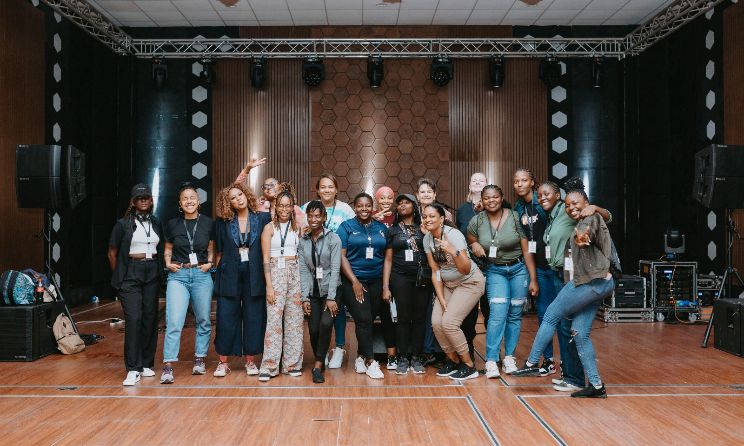
Open call: 2026 Gender@Work music industry training in Johannesburg
09 Oct 2026

Top amapiano songs of 2026
16 Feb 2026
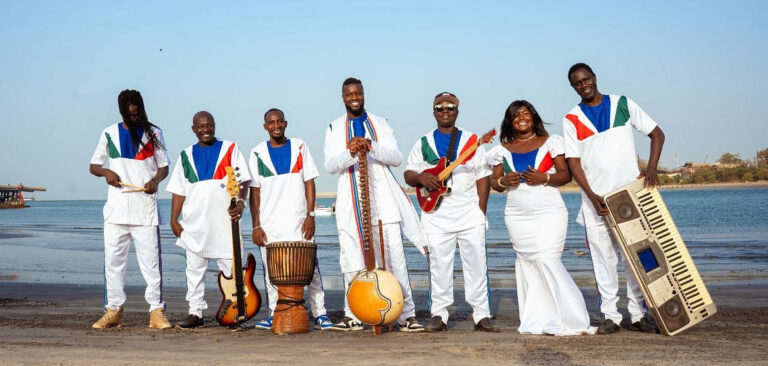
Gambia: Suntou Susso announce UK tour for ‘The Path of a Griot’
09 Oct 2026

Top Naija songs of 2026
31 Mar 2026

Top Afrobeats songs of 2026
19 Mar 2026
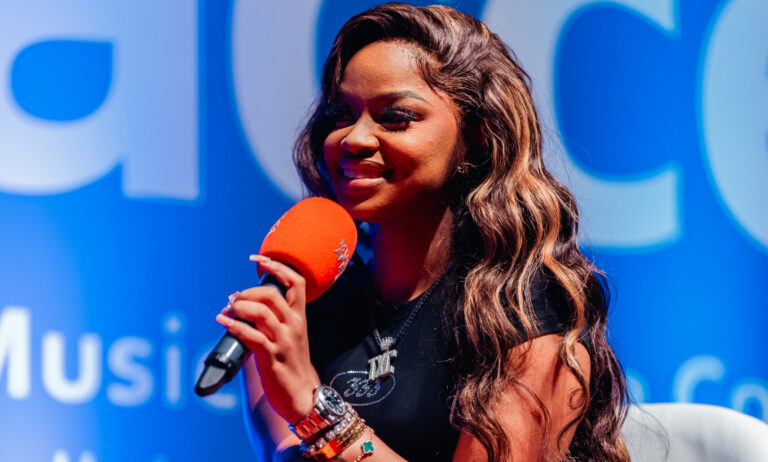
Call for applications: ACCES 2026 Emerging Artist Spotlight Competition
01 Oct 2026
Disclaimer: Music In Africa provides a platform for musicians and contributors to embed music and videos solely for promotional purposes. If any track or video embedded on this platform violates any copyrights please inform us immediately and we will take it down. Please read our Terms of Use for more.

Subscribe to our monthly Newsletter
Follow us on social media


Please log in to post a comment.