
























































TikTok tests tool to help creators detect unauthorised AI use of their likeness
21 Jul 2026 - 13:07


TikTok is testing an opt-in tool that allows selected creators in the United States to scan for AI-generated content that may use their likeness and report potential unauthorised uses to the platform.
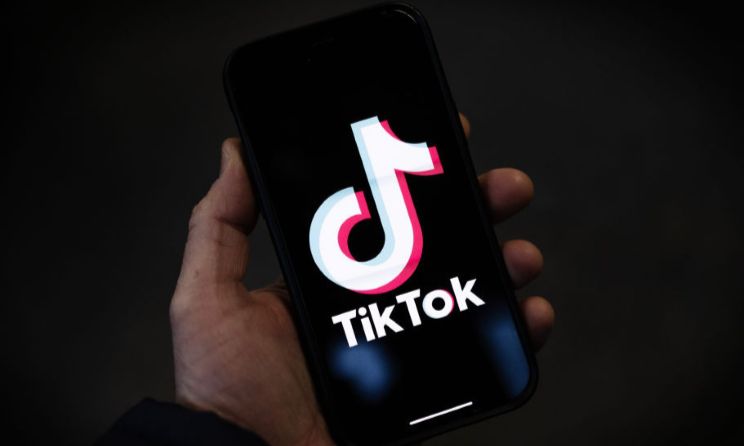
TikTok is testing an opt-in tool that allows selected creators in the US to scan for AI-generated content.
The test, first reported by social media consultant Matt Navarra, is currently limited to “some” US-based creators, according to TikTok US spokesperson Zachary Kizer, who confirmed the development to The Verge.
Creators participating in the trial must first verify their identity through Jumio, a digital identity verification company. The process involves a real-time selfie scan and an identity document check.
“TikTok does not retain ID documents, and facial information is used only for likeness matching and to help identify potential unauthorised uses of a creator's likeness,” Kizer said.
After completing the verification process, participating creators can use the tool to scan for AI-generated content that may feature their likeness. They can then review potential matches and report content or accounts they believe are using their likeness without permission.
The move comes as social media companies face growing pressure to address the spread of AI-generated deepfakes and other synthetic media. YouTube has also introduced a face-scanning AI tool, initially making it available to selected groups, including journalists and politicians.
The growing availability of generative AI has raised concerns about the creation and distribution of non-consensual deepfakes, including sexually explicit material. Several high-profile cases have drawn attention to the potential misuse of AI tools to create fabricated images of public figures and private individuals.
The issue has also affected Elon Musk’s social media platform X, formerly known as Twitter, where its AI chatbot Grok has been used to generate non-consensual sexualised images. The creation and circulation of fabricated explicit images of celebrities, including Taylor Swift, prompted renewed scrutiny of AI-generated abuse and the safeguards implemented by technology companies.
The developments have attracted attention from privacy regulators and policymakers, particularly in the European Union, where concerns over the misuse of generative AI and the protection of personal data remain ongoing.
Last week, Musk’s AI company xAI also filed a lawsuit against a South Carolina man who had been arrested earlier in 2026 on charges related to the sexual exploitation of minors. According to the company’s filing, the man allegedly misused Grok to generate child sexual abuse material, in violation of the platform’s terms of service.


Most popular

Top Naija songs of 2026
31 Mar 2026

Top Afrobeats songs of 2026
19 Mar 2026
Ghana: Mr Eazi and MOLIY’s ‘Comfort’ earns Urban Music Awards nomination
21 Oct 2026

Top amapiano songs of 2026
16 Feb 2026
Open call: CANEX Music Business Lab and Songwriting Camp
15 Oct 2026
Nigeria: CANEX WKND unveils 2026 programme
21 Oct 2026
Disclaimer: Music In Africa provides a platform for musicians and contributors to embed music and videos solely for promotional purposes. If any track or video embedded on this platform violates any copyrights please inform us immediately and we will take it down. Please read our Terms of Use for more.

Subscribe to our monthly Newsletter
Follow us on social media


Please log in to post a comment.