





























































Ugandan artist Ssewakiryanga’s musical journey with Janzi Band

07 Oct 2015 - 15:26


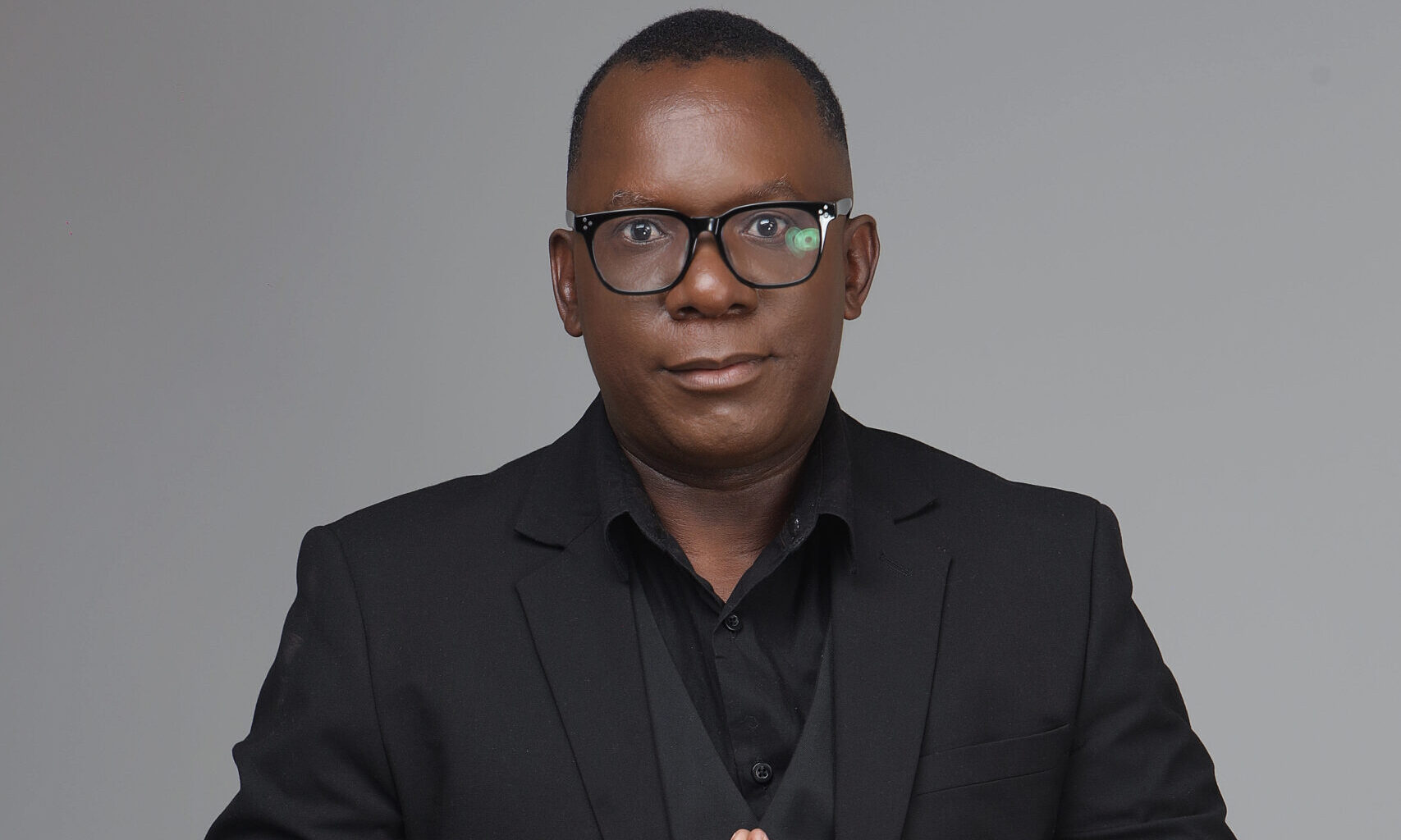
While in Europe during one of his visits, James Ssewakiryanga met some men in a music store with whom he had a chat. When he told them he was an artist from Uganda, they asked him about his music. He told them he played adungu (harp). They could only identify the instrument as a kora.

When they asked him about the type of music Ugandans play, Ssewakiryanga felt embarrassed. He could not explain a particular Ugandan style. He felt challenged and hurt for his country and on his return, he felt he needed to do something. He also realized that Ugandan musicians, were easily recognized at home but not that much beyond the country's borders. “I did not know how it would turn out but I needed to do something about the situation,” he recalls.
The birth of Janzi Band
Back home in 2009, Ssewakiryanga teamed with Jackson Kirya, a South Africa-based saxophonist, who was playing with Qwela Band, at the time, Steven Oundo, a former Tusker Project Fame contestant, now based in the US and Abraham Sseka to form Janzi Band.
The band had its first gig on 27 August that same year, at Iguana Bar in Kololo, an upscale Kampala suburb. But Ssekiryanga needed more than four musicians for the band’s first show because Iguana Bar had a big audience. He hired some musicians from Qwela Band.The show was a success. The band’s sound was something new to the audience. “That very night, Janzi got booked to play at a wedding ceremony,” Ssewakiryanga says.
Iguana Bar also signed on the band to play at the place every last Thursday of the month. They became the second band to play at the Kisementi-based hangout after The Blood Brothers. Before long, Sheraton Kampala Hotel also booked them to play there on a weekly basis.
“Our music is more about our stories. Some of them are childhood stories that we modify. Many times when we play our music, it is not strange. Someone has an idea of what we are singing about,” Ssewakiryanga explains.
They have since recorded songs such as Eka and Njabala. However, in 2010, Ssewakiryanga had to travel again and the band realized a problem of continuity from the people that were giving it business. “I am not sure what happened then, because when I travelled, the band was supposed to keep playing. I was told that it was no longer the Janzi they knew so it was put on hold,” he recounts.
When he returned, it was almost back to scratch. “I had to look for new members because some members had left for personal projects. Oundo had left for the US, Kirya had gone back to South Africa, where he had a family, guitarists Bright Buko and Ronnie Mutebi had left,” he reveals.
The band members
Today, the band comprises eight members, including James Ssewakiryanga (band leader/founder/vocalist), Abraham Ssekasi (guitarist, harp player and percussionist), Trevor Muhumuza (music director and keyboard player), Valeur Kalinda (drummer), Brian Gideon (lead vocalist and guitarist), Allan Okia (bass guitarist/music producer), Joseph Kizito (saxophonist) and Hakim Kiwanuka (percussionist).
Uniquely, it is an all-male band. Ssewakiryanga explains why: “I would not say that I do not like ladies. I like them because they have got something special. They give you an audience because we know some men go to watch bands because of the ladies. We had them but at some point, we had some disagreements on how I wanted the band to operate.”
He adds that the problem is that ladies want too much attention and for Ssewakiryanga, the band takes precedence over members. “People have criticized me for having an all-male band and I have always asked them if it is by law that every band has to have ladies. UB40 stood for years and they never had a woman.
It worked for them. Why do Ugandans think we cannot do it? It is hard to take music away from Ssewakiryanga. He hails from a musical family. He is the son of James Ssewakiryanga (RIP), former director of Bebifanana Abifuna, a musical group. He is the only son in a family of five children.
“But I would not say my father taught me music. It was my mother instead. She is a traditional dancer. She taught me the xylophone. She was always there to pass onto me whatever musical skill she knew,” he recollects.
That premised his love for music, a dream that he realized as a solo artist and with the band. He has also worked with Jazz maestro Isaiah Katumwa. Ssewakiryanga thinks Uganda has lost its music identity. “I do not even understand the music we are producing. We think about a beat but not the message we are putting out there. You will not compare Uganda with the likes of South Africa or Jamaica, whose music can immediately be identified,” he argues.
He takes a swipe at corporate companies, which he accuses of misleading the young generation into believing that Western music is better than ours by heavily sponsoring Western artists at the expense of the local ones.
About the band
The name: Janzi is a name they got from the local name of a grasshopper. Ssewakiryanga explains that they chose the name because they wanted their music to fly around the world. Where they play: The band plays at Zone 7 in Mbuya, Kampala every Wednesday. They also play at Pyramids on Yusuf Lule Road, Kampala on the first and third Friday of the month. The band also headlines at Mosa Courts in Nakasero, Kampala and every second and fourth Friday of the month.
Originally published in the Daily Monitor on 22 August 2015


Most popular

Gambia: Suntou Susso announce UK tour for ‘The Path of a Griot’
09 Oct 2026

Top amapiano songs of 2026
16 Feb 2026

Top Afrobeats songs of 2026
19 Mar 2026
Open call: 2026 Gender@Work music industry training in Johannesburg
09 Oct 2026

Top Naija songs of 2026
31 Mar 2026

Call for applications: Promote your music work at ACCES 2026
08 Oct 2026
Disclaimer: Music In Africa provides a platform for musicians and contributors to embed music and videos solely for promotional purposes. If any track or video embedded on this platform violates any copyrights please inform us immediately and we will take it down. Please read our Terms of Use for more.

Subscribe to our monthly Newsletter
Follow us on social media


Please log in to post a comment.