
















































Ugandan artists’ political campaign angers fans
10 Mar 2016 - 06:58


Uganda has just come out of its most recent elections and nothing much has changed: Museveni is still in power.
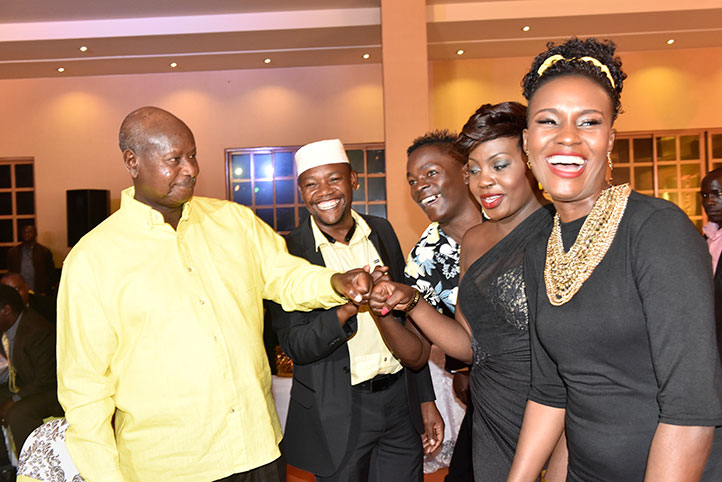
His re-election has, however, sparked fresh controversy among the music fraternity. Not only did some of Uganda’s leading artists support the re-election of the president, these artists have arguably failed Uganda by continually trying to defend their actions.
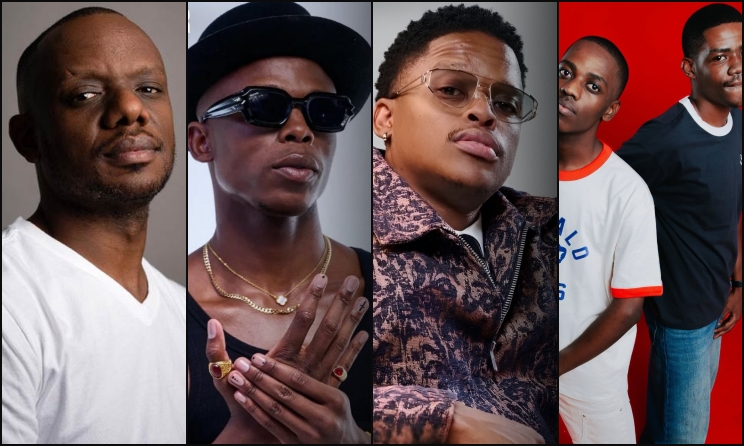
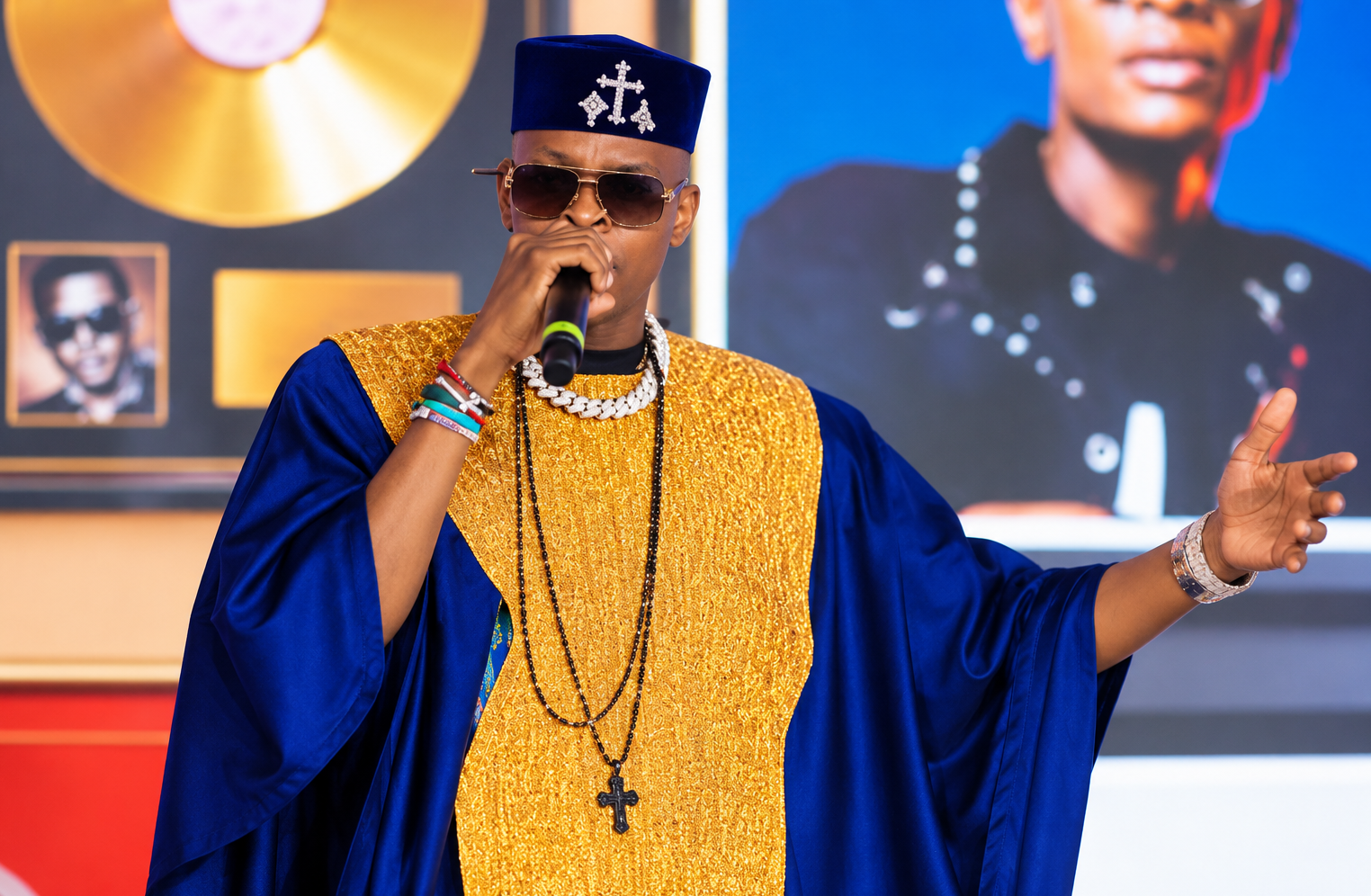
In late 2015, some of Uganda’s leading artists - including Bebe Cool, Jose Chameleone, Juliana Kanyomozi and Iryn Namubiru, among others - created the song 'Tubonga Nawe', in which they supported the re-election of Museveni, who has ruled the East African nation since 1986. Their actions have left many wondering what the role of an artist in society is. Besides providing entertainment, artists are usually looked on by society to address issues that affect the people and to advocate for a better life. In Uganda, however, artists seem to have been acting otherwise, especially during the February 2016 elections.
'Tubonga Nawe' is a song that showers President Museveni and his entire National Resistance Movement (NRM) team with praise for the positive journey of 'transformation' that Uganda has been undergoing for the last 30 years. Lyrically, however, 'Tubonga Nawe' fails to state why the artists are praising the president and the song therefore does little to inspire listeners. It is this 'take it or leave it' tone of their support that has riled their fans. Since its release in August, the public and other artists have taken to social media to accuse the stars of selling their souls.
It is alleged that President Museveni paid the artists up to 400 million Ugandan Shillings (about $119 000) for their work on the track.
This is not the first time that artists in Uganda have received money from politicians in Uganda. During the 2005-2006 elections, approximately 120 million Ugandan Shillings (over $35 500) was reportedly spent by the NRM on artists for helping to mobilise support. In 2011, The Kads Band and Bebe Cool did a whole album with political songs in support of Museveni. Prime Minister at the time Amama Mbabazi launched the album and allegedly bought a copy for 7 million Shillings (about $2000).
Even after the election results were announced, the conversation around these artists' actions has continued, as much as some artists would like to wish it away. On 7 March, the opposition Forum for Democratic Change (FDC) asked the Ugandan public to boycott any activities by President Museveni and the artists who are aligned to him. In response, Bebe Cool, who has long been vocal about the issue, said: "That statement is unfortunate, especially from a party like FDC."
Uganda is a democratic country and people who participated in the 'Tubonga Nawe' project had a choice to make. While Bebe Cool decide to take part and continues to defend his involvement, the public is fed up with the ongoing conversation. One fan on social media noted that Bebe Cool is forgetting that without his fans he cannot stand, urging him to see what the public wants. The fan urged Bebe Cool to concentrate on making music instead of spending his time defending his political views.
These recent events risk hurting the legacy of Ugandan musicians. In the 1950s and 1960s, when Ugandans started to demonstrate a level of political awareness, politicians did not look at music as a tool that could work to their benefit. In the 1980s, artists like Philly Lutaaya did songs of hope. His song 'The Voices Crying Out’ decried the role of African leaders at the time, who ignore the demands of peasants toiling from sunrise to sunset, destroying their trust.
The 1990s were also hostile to the new breed of Ugandan musicians engrossed in the reggae genre. Many people at the time viewed the artists as social misfits. A few artists of that era worked hard to earn the recognition that today's crop of artists currently enjoys. However, it is becoming apparent that today's stars have lost track of their powerful role in society.
At the moment Mathias Walukaga still manages to put out songs that closely reflect the mood of the Ugandan people. His 2012 hit ‘Abakoowa’ (people are tired) was widely used during the 2016 campaign by the opposition in Uganda. The song talks about how the people are fed up with what is going on Uganda. Even with such a massive hit, the artist (who contested for a councilor’s seat in the recently concluded elections) could not convince people to vote him in.
For centuries, music has been used to call for freedom from oppression. More recently, music has been employed in the pageantry of election campaigns to further the interests of particular politicians. Uganda is not the only country where musicians have put their careers on the line during election campaigns. In 2015, Tanzania witnessed a few musicians creating songs to support various candidates (just like in Uganda). The current election campaign in the USA has seen the likes of British pop star Adele asking candidates to stop using her songs.
Musicians, just like any other voters, are entitled to support candidates of their choice. However, when they use their art to do this publically and to encourage others to follow their example, it stops being a personal choice. Instead it puts them at conflict with their fans, who love their music but might have divergent political views.
The manner in which some of Uganda's biggest artists plunged into the recent election campaign to support specific candidates remains highly questionable. It remains to be seen how the Ugandan music community handles their situation and what measures their fans decide to take.


Most popular
Gambia: Suntou Susso announce UK tour for ‘The Path of a Griot’
09 Oct 2026

Top amapiano songs of 2026
16 Feb 2026

Top Afrobeats songs of 2026
19 Mar 2026
Open call: 2026 Gender@Work music industry training in Johannesburg
09 Oct 2026

Top Naija songs of 2026
31 Mar 2026
Open call: National Arts Festival artistic director in SA
15 Oct 2026
Disclaimer: Music In Africa provides a platform for musicians and contributors to embed music and videos solely for promotional purposes. If any track or video embedded on this platform violates any copyrights please inform us immediately and we will take it down. Please read our Terms of Use for more.

Subscribe to our monthly Newsletter
Follow us on social media


Please log in to post a comment.