

























































YouTube’s Addy Awofisayo: We’re only scratching the surface for African music’s global potential
15 Nov 2024 - 09:50


An upbeat Addy Awofisayo, who has just popped up on my laptop this afternoon, has spent the last three years as YouTube’s head of music for sub-Saharan Africa (SSA), but has been with the company for much longer.
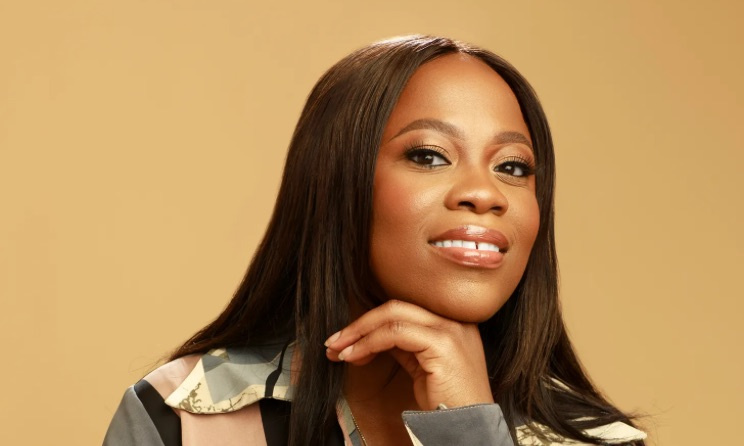
She first joined YouTube some six years ago to handle content partnerships in the region, where she engineered some of YouTube’s first creator initiatives on the continent, supporting creators in film, TV, and media. During this period, Awofisayo began to witness an exciting growth of African music on a global scale. By the time YouTube created a dedicated music role for the continent, she was ready to step in – and she hasn’t looked back since.
Awofisayo’s focus on amplification and education through YouTube’s SSA initiatives aims to drive the global success of African music by increasing its visibility and providing artists with the tools to capitalise on this exposure. This approach backs the region’s recent leadership in global music revenue growth. Per the International Federation of the Phonographic Industry’s (IFPI’s) 2024 Global Music Report, sub-Saharan Africa was the only region to exceed 20% growth in 2023, with revenues rising by 24.7% thanks to a 24.5% increase in paid streaming. In 2022, sub-Saharan Africa also saw a 34.7% surge, making it the fastest-growing region.
“The superpower of YouTube is that people in Indonesia, India, Jamaica – people globally – can discover and enjoy African music,” she notes.
Among Awofisayo’s proudest achievements in this respect was facilitating livestreams of landmark African concerts, including Burna Boy’s sold-out show at Madison Square Garden in 2022. The Grammy-winning star is the first Nigerian artist to sell out the arena. Since then, YouTube has also streamed historic shows by Wizkid, Asake, Rema, and Adekunle Gold, aiming to amplify these artists’ impact far beyond the venues.
In 2020, before all of this and during the global pause due to COVID-19, Awofisayo and her team saw an opportunity to unite audiences virtually via the Africa Day Concert, hosted by Idris Elba and commemorating the formation of the African Union (AU). “Music breaks down barriers,” she says. “All the rivalries fade when we’re enjoying our music together.”
On the education side, Awofisayo points out that one of the biggest obstacles for African artists is limited access to information. “The difference between an artist who’s thriving and one who’s still struggling is often just knowledge. It’s not always about talent alone. It’s about having a team that understands the ecosystem.” In response, YouTube has developed initiatives aimed at bridging this knowledge gap, such as collaborations with the Music Business Academy (MBA) for Africa and the female-focused Audio Girl initiative.
Gender inclusivity constitutes another core component of Awofisayo’s vision. “In the past, the industry was dominated by men,” she says. “But it’s changing with stars like Tems, Ayra Starr, and Tyla.” To support this shift, YouTube has sponsored several programmes, notably, a recent songwriting camp in Ghana aiming to develop female talent. “Seeing female artists dominate charts and trending lists is incredibly rewarding,” Awofisayo adds.
In addition to her work in artist development, Awofisayo has been instrumental in helping to expand YouTube Music’s presence across Africa. Starting in South Africa, Nigeria, and Kenya, the service has now launched in Ghana and Senegal, with plans for further expansion. YouTube Music allows users to explore over 100 million songs, live performances, remixes, and exclusive content, offering features like Smart Search, the Explore Tab, and personalised recommendations from Google. “People want to consume music in different ways,” she explains. “Sometimes it’s just about listening to audio, so we’re making that accessible with YouTube Music.”
Initiatives such as the YouTube Black Voices Fund and the Future Insiders programme use events, mentorship, and funding to connect emerging African talent with a global network. These initiatives align perfectly with Awofisayo’s goal of amplifying African music and artists globally. “When I took this job, the one thing I always said I wanted to do was amplify African music and African artists globally,” she explains, inspired by the global success of genres like Latin music and K-pop. “We think African music has blown up? Not yet. We’re only scratching the surface.”
A milestone in this vision came during this year’s Grammy Awards, which introduced a Best African Music Performance category won by South African popstar Tyla. Awofisayo saw an opportunity to act swiftly. “I said we need to be a part of this moment, to celebrate and amplify it,” she recalls.This led to a beautiful celebration event in Los Angeles by YouTube to spotlight the nominees of this category. The much-talked about event was attended by the biggest African artists and people moving the African music agenda forward. “People said it was a reunion, such a beautiful moment.”
Awofisayo also highlights monetisation as one of YouTube’s most significant contributions to the African music industry. For a continent historically plagued by piracy, which severely limited artists’ ability to profit from their work, YouTube has been a game-changer. “Artists can now earn money through YouTube for their music, which wasn’t possible before a platform like this,” she says. She recalls how, in the past, artists often saw limited returns because fans would rip CDs or share music in ways that cut creators out of any profit. “Now, if anyone’s enjoying your music on the platform – whether in the US, Nigeria, or Japan – you’re most likely earning from it,” Awofisayo stresses. “The more money artists earn, the more they can invest back into their craft.”
For Awofisayo, one of the main strategies for African artists and creators on YouTube is consistency. Building and retaining an audience requires a steady flow of engaging content. “It’s about understanding the audience’s interests and creating content that resonates with them consistently,” she explains. With YouTube’s variety of content options, from long-form videos to YouTube Shorts, artists now have multiple ways to reach fans. “Before, people thought they needed a full production house to make content, but Shorts has shown that’s not true,” Awofisayo says, urging creators to experiment with a “multi-format” approach.
Awofisayo is candid about the difficulties YouTube faces across Africa, despite its widespread popularity. “We want YouTube to be accessible to everyone, but that’s not possible if people have to choose between internet data and food,” she says. This reality limits YouTube’s reach, as African users often face higher data costs than other regions. “In other countries, data access is just every day. People aren’t even thinking about it,” she notes. “Until that barrier is addressed, we haven’t yet seen the boom of online platforms here.”
Despite the challenges, YouTube offers a powerful platform for young people within Africa, allowing them to bypass traditional career paths and build businesses around their passions. With over 400 million people aged 15 to 35, Africa is home to the world’s youngest population. As Awofisayo points out, many young people realise that by uploading and monetising content on YouTube, they can earn more than they ever could in conventional roles. “You hear from a lot of young people how, when they were in school, they wanted to do this and do that, but once they started uploading content on YouTube, they realised they could actually earn more doing this,” she says.
Awofisayo is particularly excited by the platform’s role in the rise of African stars like Rema and Ayra Starr, who have achieved cross-continental popularity. “I don’t think there’s an artist that has grown recently that YouTube hasn’t been a part of their story,” she says. Rema, for example, recently celebrated his collaboration with Selena Gomez hitting one billion YouTube views.
As part of YouTube’s ongoing support for local culture, the company will also participate in several of Africa’s December music festivals. “There are a lot of young people that go to these festivals,” Awofisayo stresses, adding that YouTube aims to amplify the energy of these events by connecting fans with content from artists they admire.
For the next few years, Awofisayo is focused on broadening YouTube’s support of African music genres beyond “just Afrobeats”. For instance, YouTube recently partnered with the South African Music Awards to live-stream the event, which garnered nearly 300 000 views. “It’s just helping us support music across the continent, because there’s so much diversity outside of just Afrobeats,” she says.


Most popular

Top amapiano songs of 2026
16 Feb 2026

Top Afrobeats songs of 2026
19 Mar 2026

Top Naija songs of 2026
31 Mar 2026
Open call: 2026 Gender@Work music industry training in Johannesburg
09 Oct 2026
Gambia: Suntou Susso announce UK tour for ‘The Path of a Griot’
09 Oct 2026
ACCES unveils stellar programme for 2026 edition
17 Oct 2026
Disclaimer: Music In Africa provides a platform for musicians and contributors to embed music and videos solely for promotional purposes. If any track or video embedded on this platform violates any copyrights please inform us immediately and we will take it down. Please read our Terms of Use for more.

Subscribe to our monthly Newsletter
Follow us on social media


Please log in to post a comment.